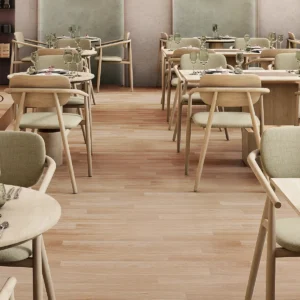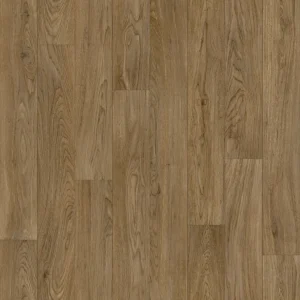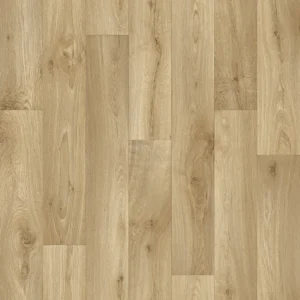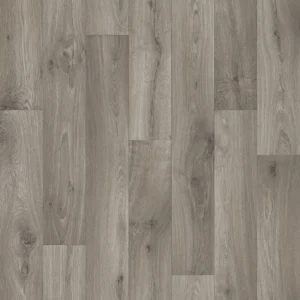
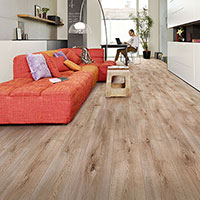
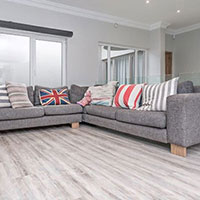


Cushion Vinyl – also known as Novilon in SA - frequently asked questions
Q - What is Cushion Vinyl, also called Novilon in SA (brand name)
Cushion vinyl, commonly known as Novilon in South Africa, is a type of resilient flooring designed for comfort and durability. Here’s an overview of its key features and characteristics:
Key Features of Cushion Vinyl (Novilon)
Comfort: Cushion vinyl has a cushioned backing that provides a soft, warm feel underfoot. This feature enhances comfort, particularly in areas where people stand for long periods, such as kitchens and bathrooms.
Durability: Novilon is designed to withstand daily wear and tear, making it suitable for high-traffic areas. Its wear layer protects against scratches, dents, and stains, contributing to its long-lasting performance.
Water Resistance: The material is water-resistant, making it an excellent choice for moisture-prone areas. This quality helps prevent damage from spills and humidity.
Easy Maintenance: Cushion vinyl is easy to clean and maintain. Regular vacuuming and damp mopping are typically sufficient to keep it looking good, without the need for extensive upkeep.
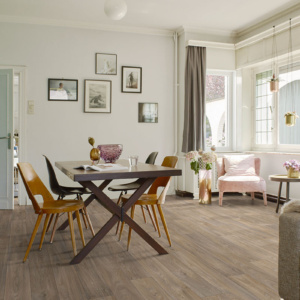
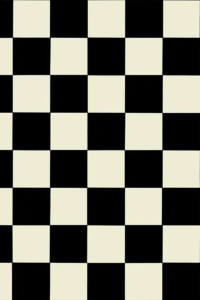
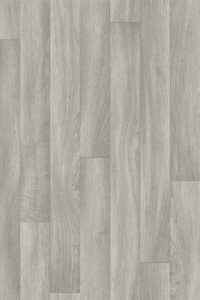
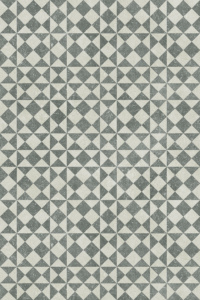
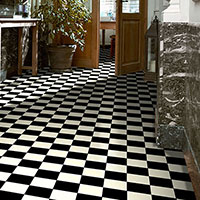
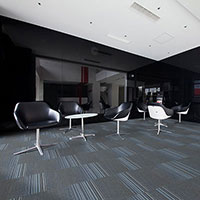
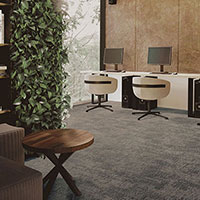
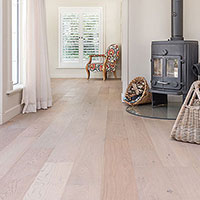
Variety of Designs: Novilon is available in a wide range of designs, including options that mimic wood, stone, tile, and various patterns. This versatility allows homeowners to achieve their desired aesthetic for any room.
Installation and Maintenance
Cushion vinyl is usually installed in large sheets, which minimizes seams and simplifies the installation process. The cushioned nature of Novilon also provides sound absorption, making it a practical choice for various residential applications.
Summary
In summary, cushion vinyl, or Novilon, combines comfort, durability, and aesthetic versatility, making it a popular flooring choice for homes in South Africa. Its features make it particularly suitable for residential spaces, enhancing both functionality and style
Q - Is Cushion Vinyl glue down Flooring seen as a DIY flooring product
Cushion vinyl glue-down flooring, including products like Novilon, is often considered a DIY-friendly option, but there are some factors to consider when determining whether it’s suitable for a DIY project:
Reasons Why Cushion Vinyl Glue-Down Flooring is DIY-Friendly
Ease of Installation:
- Simple Techniques: The installation process typically involves applying adhesive to the subfloor and then laying down the vinyl sheets or tiles. This method is generally straightforward, making it accessible for DIYers.
- Minimal Tools Required: Installation usually requires only basic tools such as a utility knife, straightedge, roller, and adhesive trowel, making it easy for homeowners to handle.
Flexible Design:
- Variety of Styles: Cushion vinyl is available in numerous designs and patterns, allowing homeowners to choose a look that suits their taste without needing to hire a professional for customization.
Reduced Labor Costs:
- Cost-Effective: By installing cushion vinyl flooring yourself, you can save on labor costs, making it a more budget-friendly option compared to hiring professionals.
Immediate Results:
- Quick Installation: Many DIYers appreciate that glue-down vinyl can often be installed in a single day, allowing for a rapid transformation of a space.
Considerations for DIY Installation
While cushion vinyl glue-down flooring is generally suitable for DIY installation, there are some important considerations:
Subfloor Preparation:
- The subfloor must be clean, dry, and level before installation. Proper preparation is crucial to achieving a smooth and durable finish.
Adhesive Application:
- Applying the adhesive evenly is critical for successful installation. Following the manufacturer’s instructions regarding adhesive type and application techniques is essential.
Acclimatization:
- If recommended by the manufacturer, allowing the vinyl to acclimate to the room temperature and humidity prior to installation can help prevent issues later on.
Curing Time:
- Understanding the curing time of the adhesive and allowing adequate time before walking on the floor is necessary to ensure a proper bond.
Learning Curve:
- While installation can be straightforward, some DIYers may find the process challenging if they lack experience with flooring projects. Researching techniques and watching instructional videos can be helpful.
Final Note
Cushion vinyl glue-down flooring is generally seen as a DIY-friendly product due to its ease of installation and minimal tool requirements. With proper preparation, attention to detail, and adherence to the manufacturer’s guidelines, many homeowners can successfully install this type of flooring themselves. However, if you feel uncertain about any part of the process, seeking advice or assistance from a professional can help ensure the best results.
Q - What are the benefits of Cushion Vinyl flooring
Cushion vinyl flooring, often referred to as Novilon in South Africa, offers numerous benefits that make it a popular choice for both residential and commercial spaces. Here’s a detailed overview of the advantages of cushion vinyl flooring:
1. Comfort Underfoot
- Cushioned Support: The cushioned backing provides a soft and comfortable surface to walk on, reducing fatigue, especially in areas where people stand for long periods, such as kitchens and laundry rooms.
- Warmth: The material feels warmer underfoot compared to tile or stone flooring, making it more pleasant in cooler environments.
2. Durability
- Wear Resistance: Cushion vinyl flooring is designed to withstand everyday wear and tear. Its wear layer protects against scratches, dents, and stains, ensuring it retains its appearance over time.
- Impact Resistance: The cushioning helps absorb impacts, reducing the risk of damage from dropped objects.
3. Water Resistance
- Moisture Protection: Cushion vinyl is inherently water-resistant, making it suitable for moisture-prone areas such as bathrooms and kitchens. This quality helps prevent water damage and mold growth.
4. Easy Maintenance
- Simple Cleaning: The smooth surface of cushion vinyl makes it easy to clean. Regular sweeping or vacuuming, along with occasional mopping, is typically all that’s needed to maintain its appearance.
- No Special Treatments: Unlike some flooring types, cushion vinyl does not require waxing or special cleaning agents, simplifying upkeep.
5. Variety of Designs
- Aesthetic Flexibility: Available in a wide range of colors, patterns, and textures, cushion vinyl can mimic the look of natural materials such as wood or stone. This versatility allows homeowners to achieve their desired aesthetic without compromising on durability.
- Customization: With so many design options available, cushion vinyl can fit various interior styles, from modern to traditional.
6. Cost-Effective
- Affordable Flooring Option: Cushion vinyl flooring is generally less expensive than other flooring materials, such as hardwood or natural stone, making it a budget-friendly choice.
- Long Lifespan: Given its durability, cushion vinyl can provide a good return on investment as it can last many years with proper care.
7. Sound Absorption
- Noise Reduction: The cushioned nature of this flooring helps absorb sound, making it quieter underfoot and ideal for multi-story buildings or homes where noise reduction is important.
8. Environmental Considerations
- Low VOC Options: Many cushion vinyl products are available with low volatile organic compound (VOC) emissions, contributing to better indoor air quality and a healthier home environment.
Summary of Benefits
| Benefit | Description |
|---|---|
| Comfort Underfoot | Cushioned backing provides a soft and warm surface |
| Durability | Resistant to wear, scratches, and dents |
| Water Resistance | Suitable for moisture-prone areas, preventing damage |
| Easy Maintenance | Simple cleaning with no special treatments required |
| Variety of Designs | Wide range of colors and patterns, mimicking natural materials |
| Cost-Effective | Affordable option with a long lifespan |
| Sound Absorption | Helps reduce noise levels in the home |
| Environmental Considerations | Low VOC options available for better indoor air quality |
Final Note
Cushion vinyl flooring, or Novilon, offers a blend of comfort, durability, and aesthetic flexibility, making it an excellent choice for a variety of spaces in residential and commercial settings. Its numerous benefits, combined with easy maintenance and affordability, make it a popular flooring option for homeowners and businesses alike
Q - Is Cushion vinyl flooring waterproof
Cushion vinyl flooring, including products like Novilon, is generally considered water-resistant, but it is not completely waterproof. Here’s a closer look at its water resistance characteristics:
Water-Resistant Properties
Moisture Resistance:
- Cushion vinyl is designed to resist moisture, making it suitable for areas prone to spills and humidity, such as kitchens and bathrooms. Its surface prevents water from seeping through quickly, which helps reduce the risk of water damage.
Seam Integrity:
- Because cushion vinyl is installed in sheets or large tiles, it minimizes seams compared to other flooring types, which can help prevent water from penetrating the subfloor. However, it’s important that the seams are properly sealed during installation to maintain this water-resistant barrier.
Maintenance Considerations:
- While cushion vinyl can handle minor spills and moisture, it’s essential to clean up any standing water promptly to prevent potential issues like mold or mildew growth beneath the flooring. Prolonged exposure to excess moisture can lead to problems over time.
Not Completely Waterproof
- Limitations: While cushion vinyl can withstand everyday spills and moisture, it is not suitable for areas with standing water or excessive moisture, such as saunas or outdoor areas exposed to rain. If water seeps under the flooring (for example, from flooding or leaks), it can cause damage to both the vinyl and the subfloor.
Summary
- Water-Resistant: Cushion vinyl flooring is water-resistant, making it suitable for many residential areas, especially those prone to spills and humidity.
- Prompt Cleanup Needed: It's important to clean up spills quickly and avoid exposing the flooring to standing water.
- Not Waterproof: Cushion vinyl is not waterproof and should not be used in areas where water exposure is frequent or prolonged.
Final Note
When choosing cushion vinyl flooring for areas that may experience moisture, consider its water-resistant properties and take appropriate measures to maintain its integrity. Proper installation and maintenance will help ensure the longevity and performance of cushion vinyl in moisture-prone environments.
Q - How is Cushion vinyl flooring made
Cushion vinyl flooring, also known as Novilon in some markets, is a type of resilient flooring that is manufactured using a multi-layer process. This construction combines various materials to create a durable, comfortable, and visually appealing product. Here’s a detailed overview of how cushion vinyl flooring is made:
1. Raw Material Preparation
- Vinyl (PVC): The primary raw material is polyvinyl chloride (PVC), a synthetic plastic. PVC is mixed with other components to enhance its properties.
- Additives: Various additives are included in the formulation, such as:
- Plasticizers: To increase flexibility and workability.
- Stabilizers: To improve heat resistance and prevent degradation.
- Colorants and Fillers: To achieve desired colors and patterns.
2. Compounding
- The prepared materials (PVC and additives) are blended together in large mixers to create a uniform compound. This process often involves heating the mixture to ensure thorough integration of all components.
3. Layering
Cushion vinyl flooring is made up of several layers that contribute to its overall performance:
- Backing Layer: This layer is typically made from felt, fiberglass, or a composite material that provides support and stability to the flooring.
- Cushion Layer: A foam layer is added for comfort. This layer gives cushion vinyl its characteristic softness and helps absorb sound.
- Design Layer: The design layer contains printed patterns or colors that give the flooring its aesthetic appearance. This layer is typically protected by a clear wear layer.
- Wear Layer: The top layer is a transparent protective coating that guards against scratches, stains, and general wear. This layer is crucial for maintaining the flooring's appearance over time.
4. Sheet Formation
- The combined layers are formed into sheets through a process called calendaring or extrusion. In calendaring, the layers are passed through rollers to achieve the desired thickness and smoothness. In extrusion, the vinyl is forced through a die to create continuous sheets.
5. Printing
- High-resolution printing techniques are used to apply realistic patterns and designs to the design layer. This step is critical for achieving the desired aesthetic, allowing cushion vinyl to mimic natural materials like wood or stone.
6. Finishing
- After the sheets are formed and printed, they undergo finishing treatments, which may include applying additional coatings to enhance durability and water resistance.
7. Cutting and Packaging
- The finished sheets are cut into standard sizes for easy installation and packaged for distribution. This may involve rolling up the sheets or stacking them, depending on the type of cushion vinyl being produced.
8. Quality Control
- Throughout the manufacturing process, quality control measures are implemented to ensure that the finished product meets industry standards for performance, safety, and aesthetics. This may involve testing for thickness, durability, and moisture resistance.
Summary of Cushion Vinyl Flooring Manufacturing Process
| Step | Description |
|---|---|
| Raw Material Preparation | PVC and additives are prepared for mixing |
| Compounding | Materials are blended to create a uniform compound |
| Layering | Multiple layers (backing, cushion, design, wear) are applied |
| Sheet Formation | Sheets are formed through calendaring or extrusion |
| Printing | Realistic patterns and designs are printed onto the surface |
| Finishing | Protective coatings enhance durability and appearance |
| Cutting and Packaging | Sheets are cut to size and packaged for distribution |
| Quality Control | Testing ensures product meets quality standards |
Final Note
Cushion vinyl flooring is manufactured using a multi-layer process that combines comfort, durability, and aesthetic appeal. Its construction allows it to perform well in various residential and commercial settings, providing an attractive and practical flooring solution
Q - Can Cushion vinyl flooring be installed in high-traffic areas
Cushion vinyl flooring, including products like Novilon, is generally better suited for residential applications, although there are commercial options available with thicker wear layers for added durability. Here’s a revised overview reflecting this focus:
Benefits of Cushion Vinyl Flooring in Residential Applications
Durability:
- Cushion vinyl flooring is designed to withstand daily wear and tear commonly experienced in residential settings. It typically features a robust wear layer that offers resistance to scratches, dents, and stains, making it suitable for busy households.
Comfort:
- The cushioned backing provides a soft and comfortable surface underfoot, which can reduce fatigue for family members and guests, especially in areas where people stand or walk for extended periods, such as kitchens and living rooms.
Moisture Resistance:
- Many cushion vinyl products are water-resistant, making them a practical choice for moisture-prone areas such as kitchens, bathrooms, and laundry rooms. This property helps prevent damage from spills and humidity.
Easy Maintenance:
- Cushion vinyl is relatively easy to clean and maintain. Regular sweeping or vacuuming, along with occasional damp mopping, is usually sufficient to keep it looking good, making it ideal for busy households.
Variety of Designs:
- Available in a wide range of colors, patterns, and textures, cushion vinyl can effectively complement various interior styles, allowing homeowners to achieve their desired aesthetic without sacrificing durability.
Considerations for Installation
Quality of the Product:
- While cushion vinyl is well-suited for residential applications, homeowners can opt for commercial-grade products that feature thicker wear layers if they desire enhanced durability for specific high-traffic areas.
Subfloor Preparation:
- Proper preparation of the subfloor is crucial to ensure the flooring adheres well and performs optimally. The subfloor should be clean, dry, and level before installation.
Installation Method:
- Follow the manufacturer's guidelines for installation to achieve the best results. Proper adhesive application is essential for ensuring a strong bond that can withstand everyday use.
Regular Maintenance:
- While cushion vinyl is easy to maintain, regular cleaning and periodic inspections will help ensure that the flooring remains in good condition over time. Promptly addressing any spills or stains will further extend its lifespan.
Final Note
Cushion vinyl flooring is an excellent choice for residential applications due to its combination of comfort, durability, and ease of maintenance. While it is better suited for homes, commercial options with thicker wear layers are available for those seeking added durability in specific areas. When selecting and installing cushion vinyl, focusing on product quality and proper maintenance will help ensure long-lasting performance
Q - Is Cushion vinyl flooring eco-friendly
Cushion vinyl flooring, including brands like Novilon, can have varying degrees of eco-friendliness depending on the materials used, manufacturing processes, and specific product certifications. Here’s a detailed look at the eco-friendly aspects of cushion vinyl flooring:
1. Material Composition
- Vinyl Material: Cushion vinyl is primarily made from polyvinyl chloride (PVC), which is a synthetic plastic. The production of PVC has raised environmental concerns, particularly regarding the extraction of raw materials and the potential release of harmful chemicals during production.
- Natural Components: Some manufacturers incorporate natural materials or additives that can enhance the sustainability profile of the flooring, though this can vary by brand and product.
2. Low VOC Emissions
- Indoor Air Quality: Many cushion vinyl products are designed to have low volatile organic compound (VOC) emissions. Low VOC levels are essential for maintaining good indoor air quality, which is particularly important in residential settings.
- Certifications: Look for products that have certifications such as FloorScore, GREENGUARD, or similar labels that indicate low emissions of harmful substances.
3. Durability and Longevity
- Long Lifespan: Cushion vinyl flooring is known for its durability and long lifespan, typically lasting many years with proper maintenance. Longer-lasting products can be considered more eco-friendly since they reduce the frequency of replacement and the associated waste.
- Recyclability: Some manufacturers offer recycling programs for their flooring products, allowing for more sustainable disposal options at the end of the product’s life cycle. However, the recyclability of PVC flooring can be limited, depending on local recycling capabilities.
4. Manufacturing Practices
- Sustainable Production: Some companies prioritize sustainable manufacturing practices, using renewable energy sources and reducing waste during production. Researching the manufacturer's commitment to sustainability can provide insights into the overall eco-friendliness of the product.
5. Disposal Considerations
- End-of-Life: Proper disposal of vinyl flooring is important. While cushion vinyl is not biodegradable, responsible recycling or disposal methods can mitigate its environmental impact. Manufacturers that provide take-back programs can help facilitate this process.
Summary of Eco-Friendliness
| Aspect | Description |
|---|---|
| Material Composition | Primarily PVC; some use natural additives |
| Low VOC Emissions | Many products designed to have low VOC levels |
| Durability and Longevity | Long-lasting, reducing the need for frequent replacements |
| Recyclability | Limited recyclability; some manufacturers offer recycling programs |
| Manufacturing Practices | Sustainable practices vary by manufacturer |
| Disposal Considerations | Proper disposal and recycling options available from some manufacturers |
Final Note
Cushion vinyl flooring can be considered eco-friendly to varying degrees, depending on the specific product, its manufacturing practices, and the materials used. When selecting cushion vinyl, it’s advisable to look for low-VOC certifications and consider manufacturers committed to sustainable practices. By making informed choices, consumers can help reduce the environmental impact of their flooring decisions.
Q - How durable is Cushion vinyl flooring
Cushion vinyl flooring, including products like Novilon, is known for its durability and is designed to withstand everyday wear and tear in both residential and light commercial settings. Here’s a detailed overview of its durability characteristics:
Key Durability Features
Wear Layer:
- Thickness and Composition: Cushion vinyl typically has a protective wear layer that can range in thickness. A thicker wear layer offers better protection against scratches, dents, and scuffs, contributing to the flooring’s longevity.
- Scratch and Stain Resistance: The wear layer helps resist scratches and stains from everyday use, making it suitable for areas with heavy foot traffic.
Cushioned Backing:
- Impact Absorption: The cushioned backing not only provides comfort but also helps absorb impacts, reducing the risk of damage from dropped objects. This feature is particularly beneficial in homes with children or pets.
Moisture Resistance:
- Water-Resistant Properties: Cushion vinyl is designed to be water-resistant, which helps prevent damage from spills and moisture. This quality makes it suitable for moisture-prone areas such as kitchens and bathrooms.
Longevity:
- Expected Lifespan: With proper maintenance, cushion vinyl flooring can last 10 to 20 years or more, depending on the quality of the product and the level of foot traffic in the area.
- Low Maintenance: Regular cleaning and maintenance will enhance its durability. Simple upkeep typically involves sweeping, vacuuming, and mopping with a mild cleaner.
Resistance to Fading:
- Color and Design Stability: Cushion vinyl flooring is often resistant to fading from UV light exposure, allowing it to maintain its appearance over time. However, it's still advisable to use window treatments to minimize direct sunlight exposure, which can help prolong the flooring's aesthetics.
Summary of Durability Characteristics
| Durability Feature | Description |
|---|---|
| Wear Layer | Protects against scratches and stains; thickness impacts durability |
| Cushioned Backing | Absorbs impacts; enhances comfort |
| Moisture Resistance | Water-resistant; suitable for kitchens and bathrooms |
| Longevity | Can last 10 to 20 years or more with proper maintenance |
| Resistance to Fading | Maintains color and design stability over time |
Final Note
Cushion vinyl flooring is a durable and practical choice for various residential and light commercial applications. Its combination of a robust wear layer, cushioned backing, and moisture resistance makes it suitable for high-traffic areas and spaces prone to spills. Proper care and maintenance will help maximize its lifespan and maintain its appearance, making it a worthwhile investment for homeowners and businesses alike
Q - Can I install Cushion vinyl flooring over existing flooring
Yes, you can install cushion vinyl flooring over existing flooring, but there are specific considerations and steps to follow to ensure a successful installation. Here’s what you need to know:
Considerations for Installing Cushion Vinyl Over Existing Flooring
Type of Existing Flooring:
- Compatible Surfaces: Cushion vinyl can be installed over various hard surfaces, including vinyl, linoleum, concrete, and tile. However, it's not recommended to install it over soft or carpeted surfaces, as these can cause issues with stability and adherence.
- Condition of Existing Floor: Ensure that the existing flooring is in good condition. Any damaged or uneven areas should be repaired before installation. Loose tiles, warped boards, or significant imperfections need to be addressed to create a smooth base.
Surface Preparation:
- Clean the Surface: The existing flooring must be thoroughly cleaned to remove dirt, grease, or debris. This ensures proper adhesion of the new vinyl.
- Level the Subfloor: If the existing flooring has any bumps, dips, or imperfections, consider using a self-leveling compound or patching material to create a flat surface.
Moisture Barrier:
- If you are installing cushion vinyl over a concrete subfloor, it’s a good idea to use a moisture barrier to prevent moisture from seeping through. This is especially important in areas prone to humidity.
Adhesive Considerations:
- The type of adhesive used can vary based on the flooring material below. Make sure to choose an adhesive compatible with both the cushion vinyl and the existing flooring.
Manufacturer's Guidelines:
- Always refer to the manufacturer's installation guidelines for specific recommendations. Some manufacturers may have particular requirements or restrictions regarding installing their cushion vinyl over existing flooring.
Acclimatization:
- Allow the cushion vinyl to acclimate to the room temperature and humidity prior to installation, which can help prevent issues related to expansion or contraction after installation.
Summary
- Can Be Installed Over: Cushion vinyl flooring can be installed over existing hard surfaces like vinyl, tile, and concrete if they are in good condition.
- Preparation is Key: Proper cleaning, leveling, and ensuring the existing floor is stable are essential steps to a successful installation.
- Follow Guidelines: Always check the manufacturer's recommendations for installation procedures and adhesive types.
Final Note
Installing cushion vinyl flooring over existing flooring can be a practical solution that saves time and effort in removing the old flooring. However, careful preparation and attention to detail are crucial to achieving a durable and aesthetically pleasing result. If you have concerns about the installation process, consulting with a flooring professional can provide valuable insights and assistance
Q - Does Cushion vinyl flooring require underlayment
Cushion vinyl flooring typically does not require underlayment in most installations, particularly when it is glued down. However, there are some considerations to keep in mind regarding underlayment and its potential use:
When Underlayment is Not Required
Glued Down Installation:
- When cushion vinyl is installed using adhesive directly to the subfloor, an underlayment is usually not necessary. The adhesive creates a secure bond that helps prevent movement and provides a stable surface.
Direct Application:
- Cushion vinyl can be installed directly over a variety of subfloor materials, including concrete, plywood, and existing vinyl or tile, as long as these surfaces are clean, dry, and level.
When Underlayment Might Be Beneficial
Moisture Barrier:
- If you are installing cushion vinyl over a concrete subfloor in a moisture-prone area, an underlayment with moisture barrier properties can help protect the flooring from potential moisture issues.
Sound Absorption:
- An underlayment can help reduce noise transmission, making it a beneficial addition in multi-story homes or apartments where sound insulation is a priority.
Uneven Subfloors:
- If the existing subfloor is not perfectly level, using a thin underlayment can help smooth out minor imperfections, providing a better surface for the cushion vinyl, for example making use of a self levelling screed.
Summary
- Typically Not Required: Cushion vinyl flooring can be installed directly without underlayment when glued down.
- Potential Benefits: Underlayment can be beneficial for moisture control, sound absorption, added comfort, or to address uneven subfloors.
- Manufacturer Recommendations: Always consult the manufacturer's installation guidelines for specific recommendations regarding the use of underlayment with their cushion vinyl products.
Final Note
While cushion vinyl flooring generally does not require underlayment, considering the specific needs of your space and the characteristics of your subfloor can help determine if using an underlayment would be advantageous. If you have any uncertainties about your installation, consulting with a flooring professional can provide clarity and guidance
Q - What is self levelling screed for Cushion Vinyl floors
Self-leveling screed is a type of underlayment used to create a smooth, even surface on a subfloor before installing flooring materials such as cushion vinyl. It is particularly useful in ensuring that the flooring adheres properly and performs optimally. Here’s an overview of self-leveling screed, its purpose, benefits, and application in the context of cushion vinyl flooring:
What is Self-Leveling Screed?
- Composition: Self-leveling screed is typically made from a mixture of cement, water, and various additives that enhance its flow and leveling properties. This compound can be poured or pumped onto a subfloor to create a flat surface.
- Types: There are different formulations available, including those designed for fast drying, extended workability, or specific performance characteristics.
Purpose of Self-Leveling Screed
- Surface Preparation: The primary purpose of self-leveling screed is to fill in low spots, level uneven surfaces, and create a smooth substrate for flooring installation. It ensures that any imperfections in the subfloor do not affect the appearance or performance of the flooring above.
- Bonding: A flat and level surface helps improve the bond between the cushion vinyl and the subfloor, reducing the risk of issues such as lifting or peeling over time.
Benefits of Using Self-Leveling Screed
Time Efficiency: Self-leveling screed can be installed quickly, allowing for rapid surface preparation. Many products can be walked on within hours after application, depending on the specific formulation.
Improved Aesthetics: A smooth, even subfloor enhances the overall appearance of the finished flooring, minimizing the risk of visible seams or imperfections.
Durability: A properly applied self-leveling screed can improve the durability of the flooring by providing a solid foundation that resists cracking and movement.
Compatibility: Self-leveling screed can be used with various flooring types, including cushion vinyl, making it a versatile choice for different projects.
Application of Self-Leveling Screed for Cushion Vinyl Floors
Subfloor Preparation: Before applying self-leveling screed, ensure that the subfloor is clean, dry, and free from dust, debris, or contaminants. Any existing damage should be repaired.
Priming: A primer is often applied to the subfloor before the screed to enhance adhesion and prevent the screed from drying too quickly. The choice of primer will depend on the specific screed product being used.
Mixing and Pouring: The self-leveling compound is mixed according to the manufacturer’s instructions and then poured onto the subfloor. It will flow and self-level to fill any low spots.
Finishing: After the screed has been poured, it is typically spread out using a gauge rake or a smoothing tool to ensure an even surface. A spike roller may be used to remove air bubbles and ensure even distribution.
Curing: Allow the self-leveling screed to cure as per the manufacturer's recommendations before installing cushion vinyl. Curing times can vary depending on the product and environmental conditions.
Q - What is the primer (slush) required for adhering self levelling screed to the sub floor
The primer used in conjunction with self-leveling screed is crucial for ensuring proper adhesion to the subfloor. This primer, often referred to as a bonding primer or slush primer, prepares the surface and enhances the bond between the screed and the substrate. Here’s an overview of the primer’s purpose, types, and application process:
Purpose of the Primer (Slush)
Enhances Adhesion: The primary function of the primer is to improve the adhesion of the self-leveling screed to the subfloor. This ensures that the screed stays firmly in place once cured.
Seals Porous Surfaces: If the subfloor is porous (such as some types of concrete), the primer helps seal the surface to prevent the screed from drying out too quickly, which can lead to poor adhesion.
Reduces Air Bubbles: By sealing the surface, the primer can help reduce the likelihood of air bubbles forming in the screed, which can compromise its integrity.
Prepares the Surface: The primer prepares the subfloor by creating a suitable texture for the screed to bond effectively.
Types of Primer
Acrylic Primers:
- Water-based acrylic primers are commonly used and suitable for most substrates. They are easy to apply and provide good adhesion for self-leveling compounds.
Epoxy Primers:
- Epoxy primers are typically used for concrete surfaces that may be exposed to moisture. They create a strong bond and are ideal for high-traffic areas.
Polyurethane Primers:
- These are durable and provide excellent adhesion on various surfaces, including wood and concrete. They are often used in industrial applications.
Universal Primers:
- Some primers are designed to work with multiple types of substrates and leveling compounds, offering versatility for different projects.
Application of Primer (Slush)
Surface Preparation:
- Ensure that the subfloor is clean, dry, and free of dust, debris, grease, or other contaminants that could affect adhesion.
Mixing:
- Follow the manufacturer’s instructions for mixing the primer, if applicable. Some primers are ready to use, while others may require dilution or mixing.
Application Method:
- Use a roller, brush, or squeegee to apply the primer evenly across the subfloor. Make sure to cover the entire area where the self-leveling screed will be applied.
- Ensure that the primer layer is uniform and adequately covers any porous areas.
Drying Time:
- Allow the primer to dry according to the manufacturer’s instructions before applying the self-leveling screed. This usually takes a few hours but can vary based on the product and environmental conditions.
Summary
Using a bonding primer (slush) is an essential step in preparing the subfloor for self-leveling screed. Proper application of the primer enhances adhesion, seals porous surfaces, and helps ensure a successful and durable flooring installation. Always refer to the specific product instructions for both the primer and self-leveling screed for the best results. If you're unsure about which primer to use or how to apply it, consulting with a flooring professional can provide valuable guidance
Q - Can I install self levelling screed myself - is it DIY friendly
Yes, installing self-leveling screed can be a DIY-friendly project, but there are several factors to consider that can affect your success. Here’s a detailed overview of what to keep in mind if you are considering tackling this project yourself:
Reasons Why Self-Leveling Screed Can Be DIY-Friendly
Simple Process:
- The application of self-leveling screed involves mixing the compound, pouring it onto the subfloor, and allowing it to flow and level itself. This straightforward process can be easier to manage compared to other flooring installation methods.
Minimal Tools Required:
- The tools needed for installation are generally basic and include a mixing container, a drill with a mixing paddle, a gauge rake or smoothing tool, and a spike roller. This makes it accessible for DIY enthusiasts.
Time-Efficient:
- Many self-leveling products are designed for quick application and can often be walked on within hours, depending on the product. This allows you to progress quickly with your flooring project.
Less Labor-Intensive:
- Unlike traditional leveling methods, which may involve extensive patching or sanding, self-leveling screed can simplify the process of creating a flat subfloor.
Considerations for DIY Installation
Preparation:
- Proper subfloor preparation is crucial for successful installation. The subfloor should be clean, dry, and level. Any cracks or damage must be repaired beforehand.
Understanding the Product:
- Familiarize yourself with the specific self-leveling screed you are using, including mixing ratios, curing times, and application techniques. Each product may have slightly different requirements.
Priming:
- Applying a primer to the subfloor before pouring the self-leveling screed is often necessary. Ensure you understand the primer's application process and allow it to dry according to the manufacturer’s instructions.
Mixing and Pouring:
- Mixing the self-leveling compound correctly is essential. Follow the manufacturer’s guidelines for water-to-powder ratios. Pouring the compound can be done easily, but spreading it evenly may require some practice.
Environmental Conditions:
- Make sure that the room temperature and humidity levels are within the manufacturer's recommended range for installation. Extreme conditions can affect the curing process.
Curing Time:
- Allow adequate time for the screed to cure before installing your final flooring material. Be sure to understand the curing times specified by the manufacturer.
Potential Challenges
Skill Level: While many DIYers can successfully install self-leveling screed, it does require some basic skills in mixing and pouring materials. If you have never worked with flooring materials before, you may want to consider seeking help or advice from someone with experience.
Heavy Lifting: Depending on the size of the area you are working on, moving bags of screed and managing the pouring process can be physically demanding.
Working with Chemicals: Be mindful of any safety precautions regarding the materials you are using, including wearing gloves and masks as needed.
Final Note
Installing self-leveling screed can be a rewarding DIY project for those willing to put in the effort to prepare properly and follow the manufacturer’s guidelines. If you feel confident in your ability to follow instructions and manage the process, you can successfully complete this task yourself. However, if you have concerns or are unsure about any aspect of the installation, consulting with or hiring a professional can help ensure the best results
Q - What is the Guarantee / Warranty on Cushion vinyl flooring
Cushion vinyl flooring, such as Novilon, typically comes with a manufacturer's warranty that covers defects in material and workmanship. The duration and specifics of this warranty can vary depending on the brand and product line. Here are some general insights about warranties for cushion vinyl flooring:
Warranty Duration
- Residential Use: Warranties for cushion vinyl flooring often range from 10 to 25 years for residential applications. The exact duration may depend on the specific product and brand.
- Commercial Use: If the flooring is intended for commercial use, the warranty duration may be shorter, often ranging from 5 to 15 years, reflecting the higher wear expected in commercial environments.
Coverage
- Manufacturing Defects: Warranties typically cover defects in material and workmanship, such as issues with the vinyl not performing as advertised.
- Wear Resistance: Many warranties also cover wear-through, fading, and staining under normal residential use, ensuring the flooring maintains its appearance over time.
Exclusions
- Improper Installation: Warranties usually do not cover damage caused by improper installation. It's essential to follow the manufacturer's installation guidelines to ensure your warranty remains valid.
- Moisture Damage: Damage due to excessive moisture or improper maintenance is also typically excluded from warranty coverage.
- Normal Wear and Tear: Most warranties will not cover normal wear and tear or damage resulting from misuse or abuse.
Maintaining Warranty Validity
- To ensure your warranty remains valid, it's advisable to follow the manufacturer's installation and maintenance recommendations closely. This includes using recommended cleaning products and avoiding excessive moisture.
Final Note
Cushion vinyl flooring generally offers a solid warranty that provides peace of mind regarding its durability and performance. When selecting a product, be sure to review the specific warranty details provided by the manufacturer for the most accurate information regarding coverage and duration
Q - Is Cushion vinyl flooring resistant to fading and discoloration
Cushion vinyl flooring is generally designed to be resistant to fading and discoloration, but there are several factors that can influence its performance in this regard. Here’s a detailed overview of how cushion vinyl flooring stands up against fading and discoloration:
1. Material Composition
- UV Resistance: Many cushion vinyl products are manufactured with UV stabilizers that help prevent fading from exposure to sunlight. This characteristic is particularly important for flooring in rooms with significant natural light.
- Print Layer: The design layer in cushion vinyl is typically printed using high-quality inks that are formulated to resist fading. The durability of this print layer plays a critical role in maintaining the flooring's appearance over time.
2. Fading Resistance
- Good Durability: Cushion vinyl is known for its durability, and high-quality products are less likely to fade compared to cheaper alternatives. The resistance to wear and tear also helps maintain the flooring's original look.
- Color Stability: Cushion vinyl flooring is often designed to retain its color and pattern despite exposure to light and daily use, making it a suitable choice for various residential and commercial applications.
3. Discoloration
- Resistance to Stains: The wear layer on cushion vinyl helps protect against stains and discoloration caused by spills or substances like food and beverages. However, prompt cleaning of spills is still recommended to avoid potential staining.
- Chemical Resistance: Some cushion vinyl products are formulated to resist discoloration from household cleaning products and chemicals. However, using harsh or abrasive cleaners can damage the surface and potentially lead to discoloration.
4. Maintenance Considerations
- Regular Cleaning: To maintain the appearance of cushion vinyl flooring and reduce the risk of discoloration, regular cleaning is essential. Using a soft broom or vacuum followed by damp mopping with a mild cleaner will help preserve its look.
- Avoiding Direct Sunlight: While cushion vinyl is designed to resist fading, it is still advisable to minimize direct sunlight exposure by using curtains or blinds in rooms with large windows. This precaution can help extend the life of the flooring's color and design.
Summary of Fading and Discoloration Resistance
| Aspect | Description |
|---|---|
| Fading Resistance | Designed with UV stabilizers to prevent fading from sunlight |
| Color Stability | High-quality inks and materials help retain color over time |
| Stain Resistance | Wear layer protects against stains and discoloration |
| Maintenance Importance | Regular cleaning and minimizing sunlight exposure are crucial |
Final Note
Cushion vinyl flooring is generally resistant to fading and discoloration, making it a durable and attractive flooring choice for various applications. However, proper maintenance and care are essential to maximize its longevity and appearance. By following cleaning recommendations and taking steps to protect the flooring from excessive sunlight, you can ensure that your cushion vinyl retains its vibrant look for years to come
Q - Can Cushion vinyl flooring withstand scratches and dents
Cushion vinyl flooring is designed to be durable and can withstand a reasonable amount of wear and tear, including scratches and dents. However, its performance in this regard depends on several factors, including the thickness of the wear layer, the quality of the product, and the type of traffic it experiences. Here’s a detailed overview of how cushion vinyl flooring stands up to scratches and dents:
1. Scratch Resistance
- Wear Layer: The thickness and quality of the wear layer on cushion vinyl flooring play a crucial role in its scratch resistance. Thicker wear layers are generally more effective at protecting against scratches from everyday use.
- Surface Composition: Many cushion vinyl products are engineered with durable surfaces that resist scratching. High-quality cushion vinyl typically has better scratch resistance compared to lower-quality alternatives.
2. Dent Resistance
- Cushioned Backing: The cushioned backing not only provides comfort but also helps absorb impacts. This feature reduces the likelihood of dents from heavy objects or dropped items.
- Impact Absorption: While cushion vinyl is more resilient to dents than some harder flooring types, extremely heavy or sharp objects can still cause damage if they fall or are dropped on the surface.
3. Durability in High-Traffic Areas
- Residential and Light Commercial Use: Cushion vinyl flooring is suitable for residential applications and light commercial use. It can handle foot traffic well, but in extremely high-traffic commercial environments, it may be advisable to choose a product specifically designed for those conditions, often with a thicker wear layer.
- Protection Measures: Using furniture pads under heavy furniture and avoiding dragging sharp or heavy items across the floor can help maintain the flooring’s integrity.
4. Maintenance
- Regular Care: To keep cushion vinyl looking its best and to minimize scratches, regular maintenance is essential. Sweeping or vacuuming to remove dirt and debris, along with occasional damp mopping, helps prevent scratches caused by gritty particles.
Summary of Scratch and Dent Resistance
| Aspect | Description |
|---|---|
| Scratch Resistance | Generally good, especially with thicker wear layers |
| Dent Resistance | Cushioned backing helps absorb impacts; can withstand minor dents |
| Durability in Traffic | Suitable for residential and light commercial use; may need thicker options for high traffic |
| Protection Measures | Use furniture pads and avoid dragging heavy objects |
| Maintenance Importance | Regular cleaning helps prevent scratches and maintains appearance |
Final Note
Cushion vinyl flooring offers decent resistance to scratches and dents, making it a practical choice for many residential settings. By selecting high-quality products with a thicker wear layer and practicing regular maintenance, you can enhance the flooring's durability and longevity. Taking protective measures against heavy impacts will further help preserve the floor’s appearance and integrity over time
Q - How does Cushion vinyl flooring compare to LVT glue down vinyl flooring
Cushion vinyl flooring and LVT (luxury vinyl tile) glue-down vinyl flooring are both popular choices in resilient flooring, but they differ in various aspects, including composition, installation, comfort, durability, and aesthetics. Here’s a detailed comparison of the two:
1. Material Composition
Cushion Vinyl Flooring:
- Made from a single layer of vinyl with a cushioned backing, which provides comfort and a soft feel underfoot.
- Typically available in sheet form, though some tile options exist.
LVT Glue-Down Vinyl Flooring:
- Composed of multiple layers, including a backing layer, a vinyl core, a design layer, and a protective wear layer. The glue-down installation method involves adhering the tiles directly to the subfloor using adhesive.
- Available in tile or plank formats, allowing for a range of design options.
2. Comfort and Feel
Cushion Vinyl Flooring:
- Offers a softer and more cushioned feel due to its backing, making it ideal for areas where people may stand for extended periods, like kitchens and living rooms.
LVT Glue-Down Vinyl Flooring:
- Generally firmer compared to cushion vinyl. While some LVT products may have a padded backing for added comfort, it does not typically match the softness of cushion vinyl.
3. Durability and Performance
- Cushion Vinyl Flooring:
- While durable, it often has a thinner wear layer compared to LVT. It can resist stains and scratches but may be less resilient to heavy impacts and wear in high-traffic areas.
- LVT Glue-Down Vinyl Flooring:
- Known for its high durability, especially with thicker wear layers that provide excellent resistance to scratches, dents, and moisture. It is suitable for both residential and commercial applications and performs well in high-traffic areas.
4. Installation
- Cushion Vinyl Flooring:
- Usually installed as sheet vinyl, which can be glued down or come in self-adhesive options. Installation requires proper subfloor preparation for a smooth surface.
- LVT Glue-Down Vinyl Flooring:
- Requires adhesive for installation, which provides a strong bond to the subfloor. This method allows for more precise alignment and the ability to install in smaller sections, which can be beneficial in complex spaces.
5. Aesthetic Options
Cushion Vinyl Flooring:
- Offers various colors and patterns but may have a more limited selection compared to LVT. The designs often mimic natural materials but may not achieve the same level of realism.
LVT Glue-Down Vinyl Flooring:
- Renowned for its ability to closely replicate the appearance of natural materials like wood, stone, and tile, with high-definition graphics. It provides a wide range of design options, textures, and styles.
6. Cost
Cushion Vinyl Flooring:
- Generally more affordable than LVT, making it a budget-friendly option for residential spaces.
LVT Glue-Down Vinyl Flooring:
- Typically more expensive due to its durability and realistic design. However, it offers better long-term value due to its longevity and performance.
Summary Comparison
| Aspect | Cushion Vinyl Flooring | LVT Glue-Down Vinyl Flooring |
|---|---|---|
| Material Composition | Vinyl with cushioned backing; often in sheets | Multiple layers; glue-down installation |
| Comfort and Feel | Soft and cushioned underfoot | Firmer feel; may have some padded options |
| Durability | Durable but may have thinner wear layer | Highly durable, resistant to heavy traffic |
| Installation | Often glued down or self-adhesive | Requires adhesive; precise installation |
| Aesthetic Options | Various colors and patterns, less realistic | High-definition designs that mimic natural materials |
| Cost | Generally more affordable | Typically more expensive, but offers long-term value |
Final Note
Choosing between cushion vinyl flooring and LVT glue-down vinyl flooring will depend on your specific needs, preferences, and budget. Cushion vinyl is a great option for those seeking comfort and affordability in residential settings, while LVT glue-down vinyl offers superior durability, design versatility, and is suitable for both residential and commercial applications. Consider factors like foot traffic, comfort, aesthetics, and installation methods when making your decision
Q - How does Cushion vinyl flooring compare to SPC vinyl flooring
Cushion vinyl flooring and SPC (Stone Plastic Composite) vinyl flooring are both popular choices for resilient flooring, but they have distinct characteristics, advantages, and ideal applications. Here’s a detailed comparison of the two:
1. Material Composition
- Cushion Vinyl Flooring:
- Made from a single layer of vinyl with a cushioned backing that provides comfort and a soft feel underfoot.
- Typically available in sheet form, although some tile options exist.
- SPC Vinyl Flooring:
- Composed of multiple layers, including a rigid core made from a blend of stone powder and plastic, a vinyl layer for design, and a protective wear layer. This construction makes SPC more rigid and stable than traditional vinyl.
- Available in plank or tile formats, offering a range of design options.
2. Comfort and Feel
- Cushion Vinyl Flooring:
- Offers a softer and more cushioned feel due to its backing, making it ideal for areas where people may stand for extended periods, such as kitchens and living rooms.
- SPC Vinyl Flooring:
- Provides a firmer feel compared to cushion vinyl. While it is durable and comfortable underfoot, it may not have the same level of cushioning. Some SPC products may have an attached underlayment for added comfort.
3. Durability and Performance
- Cushion Vinyl Flooring:
- While durable, cushion vinyl often has a thinner wear layer compared to SPC. It can resist stains and minor scratches but may be less resilient to heavy impacts and wear in high-traffic areas.
- SPC Vinyl Flooring:
- Known for its exceptional durability, SPC is highly resistant to scratches, dents, and moisture. Its rigid core construction makes it suitable for high-traffic residential and commercial applications, as it can handle heavy foot traffic and impact without significant damage.
4. Installation
- Cushion Vinyl Flooring:
- Usually installed as sheet vinyl, which can be glued down or come in self-adhesive options. Installation requires proper subfloor preparation to ensure a smooth surface.
- SPC Vinyl Flooring:
- Typically installed using a click-lock system, which allows for easy floating installation without the need for adhesive. This method makes SPC easier for DIY installation and can be installed over various subfloors, provided they are level and clean.
5. Aesthetic Options
- Cushion Vinyl Flooring:
- Offers various colors and patterns, but may have a more limited selection compared to SPC. The designs often mimic natural materials but may not achieve the same level of realism.
- SPC Vinyl Flooring:
- Renowned for its ability to closely replicate the appearance of natural materials like wood and stone, with high-definition graphics and textures. It provides a wide range of design options, allowing for greater customization.
6. Cost
- Cushion Vinyl Flooring:
- Generally more affordable than SPC, making it a budget-friendly option for residential spaces.
- SPC Vinyl Flooring:
- Typically more expensive than cushion vinyl due to its enhanced durability and realistic design. However, it often provides a better long-term value due to its longevity and performance.
Summary Comparison
| Aspect | Cushion Vinyl Flooring | SPC Vinyl Flooring |
|---|---|---|
| Material Composition | Vinyl with cushioned backing; often in sheets | Rigid core made from stone plastic composite; available in planks or tiles |
| Comfort and Feel | Soft and cushioned underfoot | Firmer feel; some options may have underlayment |
| Durability | Durable but may have thinner wear layer | Highly durable, resistant to heavy traffic and impacts |
| Installation | Often glued down or self-adhesive | Click-lock installation; floating method without adhesive |
| Aesthetic Options | Various colors and patterns, less realistic | High-definition designs that mimic natural materials |
| Cost | Generally more affordable | Typically more expensive, offering long-term value |
Final Note
Choosing between cushion vinyl flooring and SPC vinyl flooring will depend on your specific needs, preferences, and budget. Cushion vinyl is a great option for those seeking comfort and affordability in residential settings, while SPC offers superior durability, design versatility, and is suitable for both residential and commercial applications. Consider factors like foot traffic, comfort, aesthetics, and installation methods when making your decision
Q - How does Cushion vinyl flooring compare to laminate flooring
Cushion vinyl flooring and laminate flooring are both popular choices for residential and light commercial applications, but they have different characteristics, benefits, and drawbacks. Here’s a detailed comparison of the two types of flooring:
Comparison of Cushion Vinyl Flooring and Laminate Flooring
1. Material Composition
Cushion Vinyl Flooring:
- Made from vinyl with a cushioned backing that provides comfort and a soft feel underfoot. Typically available in sheet form, though some tile options exist.
- The construction is primarily flexible and water-resistant.
Laminate Flooring:
- Composed of multiple layers, including a high-density fiberboard (HDF) core, a design layer that mimics wood or stone, and a protective wear layer on top.
- While laminate is rigid and typically does not have inherent water resistance, some products are designed specifically to be more water-resistant.
2. Comfort and Feel
Cushion Vinyl Flooring:
- Offers a softer and more cushioned feel, making it ideal for areas where people may stand for extended periods, such as kitchens and living rooms.
Laminate Flooring:
- Generally feels harder and less cushioned compared to cushion vinyl. While some laminate products may come with attached underlayment for added comfort, it is still firmer than vinyl.
3. Durability and Performance
Cushion Vinyl Flooring:
- Durable with resistance to stains and minor scratches. The thickness of the wear layer can affect its performance, but it typically withstands moisture well.
- It is especially suitable for kitchens and bathrooms due to its inherent water-resistant properties, which help prevent damage from spills and humidity.
Laminate Flooring:
- Known for its durability and resistance to scratches, dents, and fading. The hard surface is particularly resilient to wear, making it suitable for high-traffic areas.
- Traditional laminate flooring can be vulnerable to water damage if moisture seeps into the seams or if spills are not cleaned up promptly. However, some newer laminate products feature water-resistant or waterproof cores designed to withstand spills and moisture better than standard laminate.
4. Installation
Cushion Vinyl Flooring:
- Typically installed as sheet vinyl that can be glued down or available in self-adhesive options. The installation process requires proper subfloor preparation to ensure a smooth surface.
Laminate Flooring:
- Usually installed using a click-lock system, making it a floating floor. This installation method is generally easier for DIY projects and can be placed over various subfloors without adhesive.
5. Aesthetic Options
Cushion Vinyl Flooring:
- Available in a variety of colors and patterns but may have a more limited selection compared to laminate. The designs often mimic natural materials but may not achieve the same level of realism.
Laminate Flooring:
- Renowned for its ability to closely replicate the appearance of natural materials like wood, stone, and tile, with high-definition graphics. It provides a wider range of design options, allowing for greater customization.
6. Cost
Cushion Vinyl Flooring:
- Generally more affordable than laminate flooring, making it a budget-friendly option for residential spaces.
Laminate Flooring:
- Usually more expensive than cushion vinyl due to its durability and realistic design. However, it often provides better long-term value due to its longevity and performance.
Summary Comparison
| Aspect | Cushion Vinyl Flooring | Laminate Flooring |
|---|---|---|
| Material Composition | Vinyl with cushioned backing; often in sheets | Multiple layers with a high-density core; available in planks or tiles |
| Comfort and Feel | Soft and cushioned underfoot | Firmer feel; less cushioned |
| Durability | Durable; resistant to stains and moisture | Highly durable; resistant to scratches, with some options being water-resistant |
| Water Resistance | Inherently water-resistant; suitable for wet areas | Varies; traditional laminate can be vulnerable, but newer products may be water-resistant |
| Installation | Often glued down or self-adhesive | Click-lock installation; floating method |
| Aesthetic Options | Various colors and patterns, less realistic | High-definition designs that mimic natural materials |
| Cost | Generally more affordable | Typically more expensive, offering long-term value |
Final Note
Choosing between cushion vinyl flooring and laminate flooring will depend on your specific needs, preferences, and budget. Cushion vinyl is ideal for those seeking comfort and affordability, particularly in moisture-prone areas due to its water-resistant features. In contrast, laminate offers superior durability and aesthetic appeal, with some options providing enhanced water resistance suitable for high-traffic areas and a variety of design styles. Consider factors such as foot traffic, comfort, aesthetics, water resistance, and installation methods when making your decision
Q - Do Cushion Vinyl Flooring require a DPM damp proof membrane
Cushion vinyl flooring typically does not require a damp proof membrane (DPM) in all situations, but there are specific conditions where using one is advisable, particularly when installing over concrete subfloors. Here’s a detailed look at the considerations regarding the use of a DPM with cushion vinyl flooring:
When a DPM is Recommended
Concrete Subfloors:
- If you are installing cushion vinyl flooring over a concrete subfloor, especially in areas prone to moisture (such as basements), a DPM is recommended. Concrete can absorb moisture from the ground, which may lead to problems like mold, mildew, or damage to the flooring over time.
Moisture Levels:
- Before installation, it's crucial to assess the moisture levels in the subfloor. If moisture readings are above the acceptable limits set by the flooring manufacturer, a DPM will help mitigate the risk of moisture-related issues.
Manufacturer Recommendations:
- Always check the manufacturer’s guidelines for specific recommendations regarding the use of a DPM. Some products may explicitly require it, while others may allow for installation without one if the subfloor conditions are suitable.
When a DPM May Not Be Necessary
Dry, Level Subfloors:
- If the existing subfloor is dry, level, and in good condition (e.g., plywood or existing vinyl that is not prone to moisture), a DPM may not be required. In these cases, the cushioning and water-resistant properties of the vinyl itself may be sufficient.
Environmental Conditions:
- In environments with controlled humidity and temperature, the risk of moisture problems may be minimal, reducing the need for a DPM.
Summary
- DPM Recommended: For installations over concrete subfloors, especially in moisture-prone areas, using a damp proof membrane is advisable to protect the cushion vinyl from moisture damage.
- Manufacturer Guidance: Always follow the specific recommendations provided by the manufacturer of the cushion vinyl flooring regarding the use of a DPM.
- Subfloor Conditions: If the subfloor is dry, level, and suitable for installation, a DPM may not be necessary.
Final Note
While cushion vinyl flooring generally has water-resistant properties, ensuring proper moisture management is key to preventing potential issues. If you're unsure about whether to use a DPM, consulting with a flooring professional can provide valuable insights and ensure a successful installation
Q - What is the Wear or Quality rating for Cushion vinyl flooring
The wear or quality rating for cushion vinyl flooring, including its AC (Abrasion Class) rating, is an important factor to consider when evaluating its durability and suitability for various applications. Here’s a detailed overview of how these ratings work:
1. Wear Layer Thickness
- Wear Layer: The wear layer is the top protective layer of cushion vinyl that helps resist scratches, stains, and general wear.
- Thickness: The thickness of the wear layer can vary, typically ranging from 0.1 mm to 0.5 mm or more for cushion vinyl. A thicker wear layer usually indicates better durability.
2. Quality Ratings
- Residential vs. Commercial Use:
- Residential Use: Cushion vinyl is often rated for residential applications, designed to handle moderate foot traffic in areas like kitchens, bathrooms, and living rooms.
- Commercial Use: Some products may be rated for light commercial use, indicating enhanced durability for higher traffic areas.
3. AC Rating (Abrasion Class)
- The AC rating is primarily used for laminate flooring but can also be relevant for vinyl flooring in terms of measuring its durability against wear.
- Rating Scale: AC ratings range from AC1 (light residential use) to AC5 (heavy commercial use). For cushion vinyl, while not always labeled with AC ratings, you may see similar classifications indicating how well the product can withstand foot traffic and abrasion.
- AC1: Suitable for light residential use (bedrooms, closets).
- AC2: Moderate residential use (living rooms, dining rooms).
- AC3: Heavy residential or light commercial use (kitchens, offices).
- AC4: Moderate commercial use (retail shops, cafes).
- AC5: Heavy commercial use (restaurants, airports).
4. Abrasion Resistance
- Testing: The wear resistance of cushion vinyl can be measured using methods like the Taber Abrasion Test, which evaluates how well the surface withstands wear from foot traffic.
- Results: Products with higher abrasion resistance ratings are less likely to show wear over time, making them suitable for high-traffic areas.
5. Stain and Scratch Resistance
- Many cushion vinyl products also have ratings for stain and scratch resistance, indicating how well they can withstand spills and impacts.
Summary of Wear, Quality, and AC Ratings
| Aspect | Description |
|---|---|
| Wear Layer Thickness | Typically ranges from 0.1 mm to 0.5 mm or more; thicker layers indicate better durability |
| Residential vs. Commercial | Rated for residential use; some for light commercial use |
| Quality Ratings | May include classifications indicating appropriate use cases, similar to AC ratings |
| AC Rating | Ranges from AC1 (light residential) to AC5 (heavy commercial); indicates durability |
| Abrasion Resistance | Evaluated using tests like the Taber Abrasion Test; higher ratings indicate better durability |
| Stain and Scratch Resistance | Products rated for resistance to stains and scratches |
Final Note
When choosing cushion vinyl flooring, it’s essential to consider the wear or quality rating along with the thickness of the wear layer and any applicable AC ratings based on your specific needs. Evaluating the expected foot traffic and the environment in which the flooring will be installed will help ensure that you select a product that meets your durability and performance requirements. Always check the manufacturer's specifications for precise ratings and classifications
Q - How to repair minor scratches on Cushion Vinyl Flooring
Repairing minor scratches on cushion vinyl flooring is a relatively straightforward process, and there are several methods you can use depending on the depth and severity of the scratches. Here’s a step-by-step guide to help you effectively repair minor scratches on cushion vinyl flooring:
Methods for Repairing Minor Scratches
1. Cleaning the Area
- Sweep and Clean: Begin by sweeping or vacuuming the area to remove any dirt and debris. Follow this with a damp mop using a mild floor cleaner to ensure the surface is clean and free of contaminants. Allow the area to dry completely.
2. Using a Vinyl Floor Repair Kit
- Vinyl Repair Kits: Purchase a vinyl floor repair kit, which typically includes a color-matched filler and application tools. These kits are specifically designed for repairing scratches and other surface imperfections.
- Application:
- Apply the filler to the scratched area using a putty knife or applicator tool included in the kit.
- Smooth the filler over the scratch and ensure it fills the scratch completely.
- Allow the filler to dry according to the manufacturer’s instructions.
3. Using a Color-Matched Marker or Crayon
- Color Touch-Up: For minor surface scratches, you can use a color-matched vinyl marker or crayon that closely resembles your flooring color.
- Application:
- Simply color over the scratch using the marker or crayon to conceal the damage.
- Wipe away any excess with a soft cloth to ensure a clean finish.
4. Heat and Pressure Method
- Heat Application: For very light scratches, applying heat can sometimes help to "erase" the scratch.
- Method:
- Use a hairdryer on a low setting to gently warm the scratched area. Be careful not to overheat or damage the vinyl.
- After warming, place a soft cloth over the scratch and press down gently. This can help the vinyl to relax and minimize the appearance of the scratch.
5. Using a Soft Cloth and Mild Detergent
- Mild Cleaning Solution: For shallow scratches, a mixture of warm water and mild dish detergent can be effective.
- Application:
- Dampen a soft cloth with the solution and gently rub the scratched area in a circular motion.
- This method can help remove any dirt lodged in the scratch and reduce its visibility.
Tips for Maintenance
- Regular Cleaning: To prevent scratches, regularly clean the floor and remove debris that could cause scratches.
- Use Area Rugs: Place area rugs or mats in high-traffic areas to protect the flooring.
- Furniture Pads: Use felt pads under furniture legs to prevent scratches when moving furniture.
Final Note
Repairing minor scratches on cushion vinyl flooring can often be done effectively with minimal tools and materials. Regular maintenance and care can help prevent scratches and extend the life of your flooring. If the scratches are extensive or deep, it may be worth consulting with a professional for more significant repairs
Q - Is Cushion Vinyl safe for my Pets and will their nails scratch the floor
Cushion vinyl flooring is generally considered a safe option for households with pets, but there are some important factors to consider regarding its safety and scratch resistance from pet nails. Here’s an overview of how cushion vinyl flooring performs in pet-friendly environments:
Safety for Pets
Non-Toxic Materials:
- Cushion vinyl flooring is typically made from PVC and other non-toxic materials, making it a safe choice for pets. Unlike some flooring types that may contain harmful chemicals, quality cushion vinyl products are often low in volatile organic compounds (VOCs), contributing to a healthier indoor environment.
Easy to Clean:
- The smooth surface of cushion vinyl makes it easy to clean, which is beneficial for pet owners. Spills, accidents, and pet hair can be quickly wiped up, helping to maintain hygiene in the home.
Slip Resistance:
- Many cushion vinyl products have slip-resistant surfaces, providing better traction for pets as they walk or run across the floor. This can help reduce the risk of slips and falls.
Scratch Resistance
Durability:
- Cushion vinyl flooring is designed to be durable, but it can be susceptible to scratches from sharp pet nails. While it generally resists everyday wear and tear, very sharp or long nails can leave marks on the surface.
Protective Measures:
- To minimize scratching, consider keeping your pet's nails trimmed regularly. This simple maintenance can significantly reduce the likelihood of scratches on the flooring.
Quality Matters:
- The durability of cushion vinyl flooring can vary by product. Higher-quality cushion vinyl typically features a thicker wear layer that offers better scratch resistance. When selecting flooring, look for products specifically designed to withstand pet traffic.
Conclusion
- Safety: Cushion vinyl flooring is a safe option for pets, with non-toxic materials and easy maintenance.
- Scratch Resistance: While generally durable, it can be scratched by sharp pet nails. Regular nail trimming and choosing higher-quality products can help mitigate this risk.
- Overall Suitability: With its combination of safety, ease of cleaning, and comfort, cushion vinyl is a practical choice for pet owners. However, it’s essential to take precautions to maintain the flooring's appearance and integrity.
By considering these factors, you can create a pet-friendly environment that balances safety and practicality with the aesthetics of your home
Q - Where can and cannot Cushion Vinyl Floor be installed
Cushion vinyl flooring is versatile and can be installed in various locations, but there are specific areas where it is most suitable and others where installation may not be recommended. Here’s an overview of where cushion vinyl flooring can and cannot be installed:
Where Cushion Vinyl Flooring Can Be Installed
Kitchens:
- Cushion vinyl is water-resistant, making it ideal for kitchens where spills and moisture are common.
Bathrooms:
- Its water-resistant properties also make cushion vinyl suitable for bathrooms, where moisture is prevalent.
Living Rooms:
- The comfortable and soft feel underfoot makes cushion vinyl a great choice for living areas where people spend a lot of time.
Dining Rooms:
- Cushion vinyl can handle foot traffic and is easy to clean, making it a practical option for dining spaces.
Bedrooms:
- The comfort and warmth of cushion vinyl flooring make it a cozy choice for bedrooms.
Laundry Rooms:
- Its resistance to moisture and ease of maintenance make cushion vinyl suitable for laundry areas.
Basements:
- Cushion vinyl can be installed in basements, but it’s essential to ensure that the area is dry and that moisture issues are addressed.
Hallways and Entryways:
- Durable enough to withstand foot traffic, cushion vinyl can be a good option for hallways and entry points.
Where Cushion Vinyl Flooring Cannot Be Installed
Outdoor Areas:
- Cushion vinyl is not designed for outdoor use. Exposure to direct sunlight, extreme temperatures, and weather conditions can damage the flooring.
Areas with Heavy Machinery:
- Cushion vinyl may not be suitable for industrial settings where heavy machinery is used, as it can be prone to denting and damage.
Rooms with Excessive Moisture:
- While cushion vinyl is water-resistant, it is not waterproof. Areas with standing water or excessive moisture, such as saunas or steam rooms, are not suitable for this type of flooring.
Uneven Surfaces:
- Installing cushion vinyl over highly uneven surfaces can lead to problems with adhesion and performance. The subfloor should be properly prepared and leveled.
Carpeted Areas:
- Cushion vinyl should not be installed over carpet. The soft surface of carpet can lead to movement and instability in the vinyl flooring.
High-Impact Areas:
- Areas that experience significant impacts from heavy objects or equipment may not be suitable for cushion vinyl, as it may not withstand such conditions without damage.
Where Cushion Vinyl Flooring Can Be Installed
| Location | Can Be Installed |
|---|---|
| Kitchens | Yes |
| Bathrooms | Yes |
| Living Rooms | Yes |
| Outdoor Areas | No |
| Basements | Yes, if dry |
| Laundry Rooms | Yes |
| High-Impact Areas | No |
| Carpeted Areas | No |
Summary of Suitable Locations
- Kitchens: Ideal due to water resistance.
- Bathrooms: Suitable for moist environments.
- Living Rooms: Comfortable underfoot for lounging.
- Basements: Acceptable if moisture is managed.
- Laundry Rooms: Practical for cleaning areas.
Final Note
Cushion vinyl flooring is a versatile and practical option for various areas of the home. It is particularly well-suited for spaces where comfort, moisture resistance, and ease of maintenance are essential. Always refer to the manufacturer's guidelines for the best practices regarding installation locations to ensure optimal performance and longevity.
Q - How do I clean my Cushion Vinyl Flooring - Best Practices
Cleaning cushion vinyl flooring is straightforward and helps maintain its appearance and longevity. Here are the best practices for cleaning cushion vinyl flooring effectively:
How to Clean Cushion Vinyl Flooring - Best Practices
- Regular Maintenance
- Sweeping or Vacuuming:
- Regularly sweep or vacuum the floor to remove dirt, dust, and debris. Use a soft broom or a vacuum cleaner with a suitable attachment to avoid scratching the surface.
- Avoid Abrasive Cleaners:
- Do not use harsh or abrasive cleaning tools, as they can damage the surface of the vinyl.
- Mopping
Damp Mopping:
- Use a damp mop with warm water for regular cleaning. A microfiber mop is a great choice as it picks up dirt effectively without scratching the surface.
Cleaning Solution:
- For deeper cleaning, use a mild, pH-balanced floor cleaner specifically designed for vinyl flooring. Always dilute the cleaner according to the manufacturer's instructions.
Spot Cleaning:
- For spills or stains, promptly clean the area with a damp cloth or sponge. Blot the area instead of rubbing, which can spread the stain or damage the surface.
- Stain Removal
Identify the Stain Type:
- Different stains may require different cleaning methods. For example, oil-based stains may need a specific cleaner designed for grease.
Homemade Solutions:
- For stubborn stains, a mixture of vinegar and water (approximately 250 mL of vinegar to 3.8 liters of water) can be used. Apply the solution to the stain, let it sit for a few minutes, and then wipe clean with a damp cloth.
- Deep Cleaning
Periodic Deep Cleaning:
- Depending on foot traffic and usage, a more thorough cleaning may be necessary every few months. This can include using a steam mop (if the manufacturer approves) or a specialized vinyl floor cleaning machine.
Rinse After Cleaning:
- After using any cleaning solution, rinse the floor with clean water to remove any residue. This is especially important if using commercial cleaners.
- Preventive Measures
Use Mats and Rugs:
- Place mats or rugs in entryways to trap dirt and moisture before it reaches the flooring. This can help minimize wear and keep the floor cleaner.
Furniture Pads:
- Use felt pads under furniture legs to prevent scratches and dents when moving furniture.
Avoid Excess Water:
- Avoid soaking the floor with water or using excessive moisture during cleaning, as this can seep into seams and potentially cause damage.
Final Notes
By following these best practices for cleaning cushion vinyl flooring, you can help maintain its appearance and extend its lifespan. Regular maintenance, prompt attention to spills, and the use of appropriate cleaning products will ensure that your cushion vinyl flooring remains looking its best. Always refer to the manufacturer's cleaning guidelines for any specific recommendations or precautions
Q - Do the sheet thickness matter when choosing my new Cushion vinyl floor
Yes, the thickness of cushion vinyl flooring sheets is an important factor to consider when choosing your new flooring. Here are some key points about how sheet thickness can impact the performance, comfort, and durability of cushion vinyl flooring:
1. Durability
- Thicker Sheets: Generally, thicker cushion vinyl sheets offer greater durability. A thicker wear layer can provide better resistance to scratches, dents, and everyday wear and tear. This is particularly important in high-traffic areas where the flooring will experience more use.
- Protection Against Damage: Thicker flooring can better withstand impacts from dropped objects, reducing the risk of visible damage.
2. Comfort
- Cushioning Effect: Cushion vinyl flooring is designed with a cushioned backing that enhances comfort underfoot. Thicker sheets usually have a more pronounced cushioning effect, making them more comfortable to walk on, especially in areas where people stand for long periods (e.g., kitchens and laundry rooms).
- Sound Absorption: Thicker flooring can also provide better sound insulation, helping to reduce noise when walking on the floor.
3. Installation
- Ease of Handling: Thicker sheets may be more challenging to handle during installation, particularly if they are large. Consider the installation method (e.g., glue-down or loose lay) and how the thickness might affect the process.
- Subfloor Preparation: A thicker cushion vinyl sheet may require a smoother subfloor to ensure a proper fit and appearance. If the subfloor has imperfections, thicker sheets may help to mask minor unevenness.
4. Moisture Resistance
- Water-Resistant Properties: While all cushion vinyl is water-resistant, thicker sheets may have better overall moisture resistance due to their construction. This is particularly relevant in areas prone to spills or humidity.
5. Cost Considerations
- Price: Thicker cushion vinyl sheets may be more expensive than thinner options. It's essential to weigh the cost against the benefits in terms of durability and comfort. Investing in thicker sheets can provide better long-term value, especially in high-traffic areas.
Summary
- Thicker sheets generally offer greater durability, comfort, and sound absorption.
- They may be more challenging to install and can be more expensive, but they can provide better long-term value.
- Consider your specific needs, including the area of installation, expected foot traffic, and budget, when choosing the thickness of your cushion vinyl flooring.
Final Note
When selecting cushion vinyl flooring, it’s crucial to consider not only the thickness but also the specific product features, warranty, and manufacturer recommendations. This will help ensure that you choose the right flooring for your home or business that meets both your aesthetic and functional needs.
Q - Is Cushion Vinyl flooring considered to be Hypoallergenic
Cushion vinyl flooring is generally considered to be a hypoallergenic option, making it a suitable choice for households with allergies or sensitivities. Here are some reasons why cushion vinyl is viewed as hypoallergenic:
1. Non-Porous Surface
- Dust and Allergen Resistance: The non-porous surface of cushion vinyl does not harbor dust mites, mold, or allergens, which can be a significant advantage for individuals with allergies or respiratory issues.
- Easy to Clean: The smooth surface allows for easy cleaning and maintenance, which is important for reducing allergens in the home. Regular sweeping and mopping can help keep the flooring free from dust and dirt.
2. Low VOC Emissions
- Indoor Air Quality: Many cushion vinyl products are manufactured to have low volatile organic compound (VOC) emissions. Low VOC levels contribute to better indoor air quality, which is beneficial for people with allergies or asthma. It’s important to choose products that are certified for low emissions.
3. Resistance to Bacteria and Mold
- Antibacterial Properties: Some cushion vinyl flooring is treated with antimicrobial agents that inhibit the growth of bacteria and mold. This helps to further enhance the hypoallergenic qualities of the flooring.
- Moisture Resistance: Cushion vinyl is water-resistant, which reduces the risk of moisture buildup that can lead to mold growth.
Conclusion
Cushion vinyl flooring is generally considered hypoallergenic due to its non-porous surface, ease of cleaning, low VOC emissions, and resistance to bacteria and mold. When selecting cushion vinyl, it’s advisable to look for products specifically labeled as low VOC or those that have been certified for indoor air quality to ensure the best options for a healthy home environment.
By choosing cushion vinyl flooring, you can help create a more allergy-friendly living space, promoting better indoor air quality and reducing the presence of allergens.
Q - What is VOC's in Cushion Vinyl and is it dangerous to my health
Volatile Organic Compounds (VOCs) are a group of organic chemicals that can easily evaporate into the air at room temperature. They are commonly found in various building materials, including cushion vinyl flooring. Here’s a detailed overview of VOCs in cushion vinyl, their potential health impacts, and ways to mitigate exposure:
VOCs in Cushion Vinyl
Sources of VOCs:
- VOCs can be emitted from the materials used in cushion vinyl flooring, including the vinyl itself, adhesives, and any coatings applied to the surface.
- The levels of VOCs can vary significantly based on the manufacturer, product formulation, and whether low-VOC options are available.
Common VOCs:
- Some common VOCs associated with vinyl flooring include formaldehyde, toluene, and xylene, among others. These compounds can be released during the manufacturing process and throughout the product's life.
Potential Health Effects
Short-Term Exposure:
- Exposure to high levels of VOCs can cause immediate health effects such as eye, nose, and throat irritation, headaches, dizziness, and allergic skin reactions.
- Individuals with asthma or respiratory conditions may be particularly sensitive to VOC exposure.
Long-Term Exposure:
- Chronic exposure to certain VOCs can lead to more severe health issues, including respiratory problems, liver and kidney damage, and potential carcinogenic effects, depending on the specific compounds involved.
Indoor Air Quality:
- VOCs can contribute to poor indoor air quality, which can exacerbate allergies, asthma, and other respiratory issues.
Mitigating VOC Exposure
Choose Low-VOC Products:
- When selecting cushion vinyl flooring, look for products labeled as low-VOC or those certified by organizations like GREENGUARD or FloorScore. These certifications indicate that the product meets stringent criteria for low emissions.
Ventilation:
- Ensure adequate ventilation in areas where vinyl flooring is installed, especially during and after installation. Open windows and use exhaust fans to help dissipate any VOCs released into the air.
Proper Installation:
- Follow manufacturer guidelines for installation and use low-VOC adhesives if applicable. Proper installation can help reduce VOC emissions from the flooring.
Regular Cleaning:
- Maintain good indoor air quality by regularly cleaning the floor and reducing dust accumulation, which can harbor VOCs and other allergens.
Summary
- VOCs in Cushion Vinyl: Cushion vinyl flooring can emit VOCs from the vinyl, adhesives, and coatings.
- Health Effects: Short-term exposure can cause irritation and headaches, while long-term exposure may lead to more serious health issues.
- Mitigation Strategies: Choose low-VOC products, ensure proper ventilation, follow installation guidelines, and maintain regular cleaning to reduce exposure.
Final Note
Cushion vinyl flooring can be a safe and practical choice for your home, especially when selecting low-VOC options. By understanding VOCs and taking steps to mitigate exposure, you can help ensure a healthier indoor environment for you and your family
Q - Do I need to replace existing skirting when installing Cushion Vinyl Flooring
When installing cushion vinyl flooring, whether you need to replace existing skirting (baseboards) depends on several factors, including the condition of the skirting, the thickness of the new flooring, and your desired aesthetic. Here are some considerations to help you decide:
1. Condition of Existing Skirting
- Good Condition: If the existing skirting is in good condition and complements the new flooring, you may not need to replace it. You can simply remove it for the installation and then reattach it afterward.
- Damaged or Outdated Skirting: If the skirting is damaged, outdated, or does not match the new flooring, it may be a good opportunity to replace it with new skirting that complements the cushion vinyl.
2. Thickness of Cushion Vinyl Flooring
- Increased Height: If the new cushion vinyl flooring is thicker than the previous flooring, it may require adjustments to the skirting. In this case, you might need to either replace the skirting with taller versions or add a shoe molding or quarter round to bridge the gap between the new floor and the existing skirting.
3. Aesthetic Considerations
- Visual Appeal: Replacing old skirting can enhance the overall look of the room, providing a fresh and cohesive appearance with the new flooring. If you want a clean and modern look, new skirting might be worth considering.
- Color and Style: If your new cushion vinyl flooring has a specific color or design, you may want to match the skirting to enhance the overall aesthetic.
4. Installation Process
- Removing Skirting: If you decide to keep the existing skirting, it will need to be carefully removed before installation to allow for proper leveling and placement of the cushion vinyl flooring.
- Reattaching or Replacing: After the flooring is installed, you can reattach the existing skirting or install new skirting as desired. Ensure that any new installation is done in a way that accommodates the new flooring height.
Summary
- Replacing Not Always Necessary: You do not always need to replace existing skirting when installing cushion vinyl flooring, especially if it is in good condition and compatible with the new flooring.
- Consider Height and Aesthetics: Assess the condition of the skirting and consider the thickness of the new flooring and the desired look for the room when making your decision.
- Installation Impact: Be prepared to either remove and reattach or replace the skirting based on your flooring choice and the overall design.
Final Note
Deciding whether to replace skirting during a cushion vinyl flooring installation can depend on various factors, including aesthetics, condition, and installation requirements. Evaluating these factors will help you achieve the best results for your flooring project
Q - Is there expansion gaps necessary with Cushion vinyl flooring
Cushion vinyl flooring typically does not require expansion gaps during installation. Here are some key points to consider regarding expansion gaps for cushion vinyl:
1. Nature of Cushion Vinyl
- Flexible Material: Cushion vinyl is a flexible flooring material, which means it can expand and contract slightly with changes in temperature and humidity without the need for designated expansion gaps.
- Stable Installation: When properly installed, cushion vinyl flooring generally adheres directly to the subfloor (either glued down or using self-adhesive options), which helps prevent movement that would necessitate expansion gaps.
2. Installation Considerations
- Subfloor Preparation: It’s crucial to ensure that the subfloor is clean, dry, and level prior to installation. Proper subfloor preparation reduces the risk of movement and the potential need for expansion gaps.
- Acclimatization: Allowing the cushion vinyl to acclimate to the room's temperature and humidity before installation can help minimize potential expansion or contraction after the flooring is laid.
3. Manufacturer Guidelines
- Follow Recommendations: Always consult the manufacturer’s installation guidelines for the specific product you are using. Some manufacturers may have specific recommendations or exceptions based on their product design.
4. Areas of Installation
- Moisture-Prone Areas: In areas where moisture is a concern (like bathrooms), ensuring that the flooring is properly sealed at the edges can help prevent issues without requiring expansion gaps.
- Large Installations: For larger installations, some manufacturers may recommend a specific installation technique to allow for slight movement, but this often does not include traditional expansion gaps as seen with laminate or hardwood flooring.
Summary
- No Expansion Gaps Required: Cushion vinyl flooring generally does not require expansion gaps during installation due to its flexible nature and the way it is installed.
- Proper Installation Is Key: Ensure proper subfloor preparation and follow manufacturer guidelines for the best results.
- Moisture Management: Pay attention to moisture levels and acclimatization to minimize potential expansion or contraction issues.
Final Note
Cushion vinyl flooring can be installed without the need for expansion gaps, making it a practical choice for many residential and commercial applications. Always refer to the specific product guidelines to ensure the best installation practices are followed for optimal performance.
Q - Where do I use Expansion/Transition; Reducers/Adjustment and End Profiles with Cushion Vinyl flooring installation
When installing cushion vinyl flooring, using various profiles such as expansion/transition strips, reducers, adjustment profiles, and end profiles can help achieve a professional finish and accommodate different flooring heights and conditions. Here’s a breakdown of where and how to use these profiles in cushion vinyl flooring installation:
1. Expansion/Transition Strips
- Purpose: Transition strips are used to bridge the gap between two different types of flooring or to provide an expansion gap in large areas.
- Usage:
- Between Different Flooring Types: Use transition strips where cushion vinyl meets other flooring types, such as tile, hardwood, or laminate. This helps create a smooth transition and prevents wear at the junction.
- Large Installations: In large rooms or areas where the cushion vinyl flooring is installed, transition strips can be used to allow for slight movement of the flooring without causing buckling or warping.
2. Reducers
- Purpose: Reducers are used to transition from a thicker flooring type to a thinner one, providing a smooth transition and preventing tripping hazards.
- Usage:
- At Doorways: When cushion vinyl flooring meets a lower floor level (e.g., tile or carpet), use a reducer to create a smooth transition.
- Thresholds: Place reducers at door thresholds where there is a height difference between the two flooring types, ensuring a seamless flow between rooms.
3. Adjustment Profiles
- Purpose: Adjustment profiles are used to manage small height differences between adjoining floors or to cover expansion gaps.
- Usage:
- Height Variations: Use adjustment profiles where there are slight differences in height between cushion vinyl flooring and another type of flooring. This can help create a visually appealing and safe transition.
- Covering Gaps: In areas where expansion gaps are needed (though not common for cushion vinyl), adjustment profiles can be used to cover these gaps while maintaining a finished look.
4. End Profiles
- Purpose: End profiles provide a finished edge to the flooring and protect the ends of the vinyl sheets from damage.
- Usage:
- Terminating at Walls: Use end profiles where the cushion vinyl flooring meets a wall or where the flooring ends. This provides a clean and professional finish.
- At Stair Edges: If cushion vinyl is installed at the top of a staircase, an end profile can be used to protect the edge and provide a finished look.
Summary
| Profile Type | Purpose | Usage |
|---|---|---|
| Expansion/Transition | Bridges gaps between different flooring types | Where cushion vinyl meets other flooring or in large areas |
| Reducers | Transitions from thicker to thinner flooring | At doorways and thresholds where height differences occur |
| Adjustment Profiles | Manages small height differences or covers gaps | Where slight height variations exist or to cover expansion gaps |
| End Profiles | Provides a finished edge and protects ends | Where flooring meets walls or at stair edges |
Final Note
Using the appropriate profiles during cushion vinyl flooring installation helps create a seamless and professional look while also accommodating the natural movement of the flooring and ensuring safety in transitions between different surfaces. Always follow the manufacturer’s recommendations and installation guidelines for the best results
Q - Do Cushion vinyl need to be acclimatised before installation
Yes, cushion vinyl flooring should be acclimatized before installation. Acclimatization helps ensure that the flooring material adjusts to the temperature and humidity levels of the environment in which it will be installed. Here are the key reasons and steps for acclimatizing cushion vinyl:
Why Acclimatization is Important
Prevent Expansion and Contraction:
- Cushion vinyl can expand or contract based on temperature and humidity changes. Acclimatizing the material helps minimize these fluctuations, reducing the risk of buckling, warping, or gaps once the flooring is installed.
Improved Adhesion:
- Allowing the vinyl to acclimate ensures that it adheres properly to the subfloor, as the adhesive will work best when the material is at the same temperature as the installation area.
Better Fit and Finish:
- Acclimatizing helps ensure that the sheets or tiles fit together properly and that seams align correctly, leading to a more visually appealing installation.
Steps for Acclimatization
Timing:
- Ideally, you should allow the cushion vinyl flooring to acclimate for 24 to 48 hours prior to installation. This timeframe can vary based on the product and environmental conditions, so always refer to the manufacturer’s recommendations.
Placement:
- Lay the unrolled sheets or tiles flat in the room where they will be installed. Ensure they are not stacked on top of each other or placed in direct sunlight, as this can lead to uneven temperature distribution.
Temperature and Humidity:
- Ensure that the room temperature is within the manufacturer's recommended range, typically between 18°C to 29°C (65°F to 85°F), and that humidity levels are stable. If the environment is excessively humid or dry, adjustments may be needed.
Check for Defects:
- While acclimatizing, inspect the flooring for any defects, such as tears, warping, or discoloration. This is easier to address before installation.
Final Note
Acclimatizing cushion vinyl flooring before installation is an essential step that can help ensure a successful and long-lasting result. By allowing the material to adjust to the conditions of the installation area, you reduce the risk of future issues and achieve a better fit and finish. Always follow the specific acclimatization guidelines provided by the manufacturer for the best results

Affordable sheet vinyl with cushioned comfort — nationwide delivery across South Africa.
Browse Products →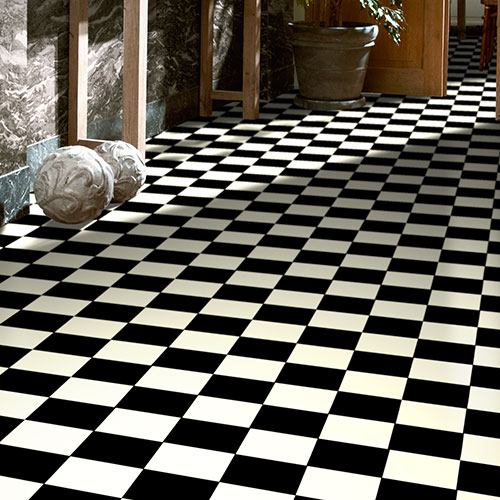
Wear layer specs, installation methods, water resistance and maintenance.
Read Overview →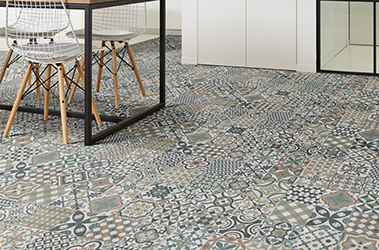
Adhesives, seam sealers, trims and door profiles for a clean professional finish.
View Accessories →