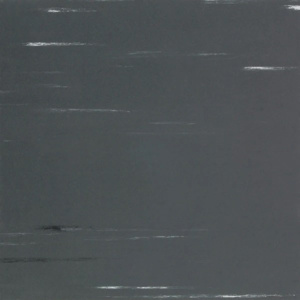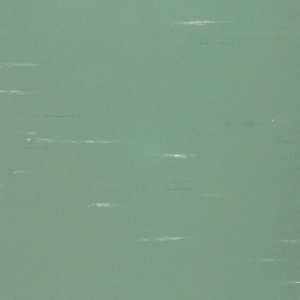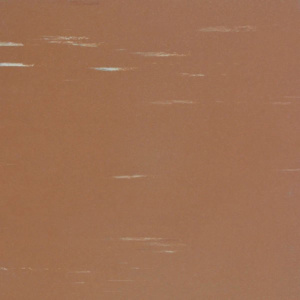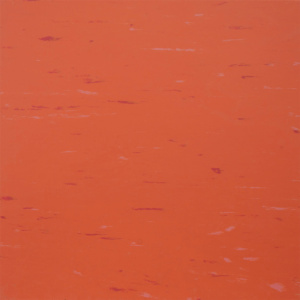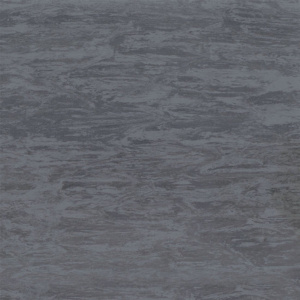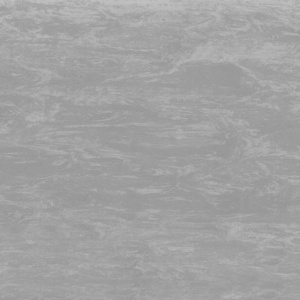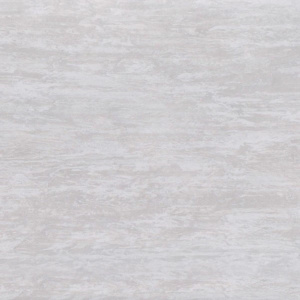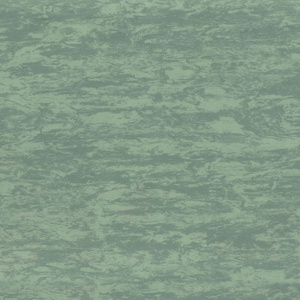
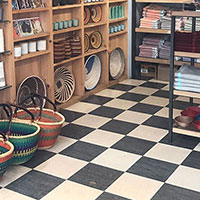

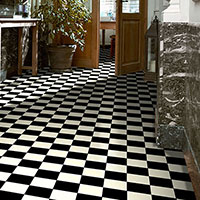
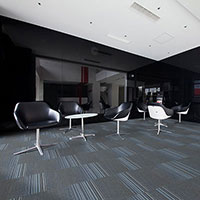
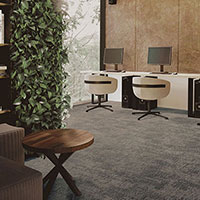

Resilient Vinyl - VCT Vinyl Tiles, Homogeneous Vinyl Tiles, Vinyl Sheeting, and Linoleum/Marmoleum
Q - What is resilient Vinyl Flooring
Resilient vinyl flooring is a category of flooring made primarily from synthetic materials, specifically polyvinyl chloride (PVC), designed to be flexible, durable, and comfortable underfoot. It’s called “resilient” due to its ability to withstand daily wear and tear while providing a cushioned feel. This type of flooring is popular for various applications in both residential and commercial settings due to its water resistance, affordability, and ease of maintenance.
Types of Resilient Vinyl Flooring
Resilient vinyl flooring encompasses several types, including:
1. Vinyl Composition Tile (VCT)
- Composition: VCT is made from a mixture of vinyl and limestone, along with various pigments and fillers. It is dense and durable.
- Applications: Commonly used in commercial settings such as schools, hospitals, and retail spaces due to its durability and affordability.
- Maintenance: VCT typically requires periodic waxing and polishing to maintain its appearance and durability, making it less maintenance-friendly than other vinyl options.
- Installation: Usually installed as square tiles with adhesive, VCT can create various patterns and designs.
2. Homogeneous Vinyl Flooring
- Composition: Made from a single layer of vinyl throughout the thickness of the material, homogeneous vinyl is highly durable and consistent in appearance.
- Applications: Often used in healthcare facilities, schools, and commercial spaces where a seamless, easy-to-clean surface is needed.
- Maintenance: Its non-porous surface makes it resistant to stains and easy to maintain, requiring only regular cleaning.
- Installation: Typically available in sheet form, homogeneous vinyl can be heat welded at seams for a completely sealed surface.
3. Sheet Vinyl
- Composition: Vinyl sheet flooring is manufactured in large rolls, allowing for fewer seams in installation. It usually has a protective wear layer on top.
- Applications: Common in kitchens, bathrooms, and laundry rooms due to its water resistance and ease of cleaning.
- Maintenance: Like other vinyl types, it requires minimal maintenance; sweeping and mopping are typically sufficient.
- Installation: Sheet vinyl can be glued down or installed as a loose lay option, depending on the specific product and the installation method chosen.
4. Linoleum
- Composition: While often confused with vinyl, linoleum is made from natural materials, including linseed oil, cork dust, wood flour, and pigments. It is biodegradable and considered more environmentally friendly.
- Applications: Linoleum is suitable for residential and commercial use and is particularly popular in kitchens and bathrooms.
- Maintenance: Requires regular maintenance, including sealing to protect the surface. It can scratch and dent more easily than vinyl.
- Installation: Available in sheets and tiles, linoleum can be glued down or installed as a floating floor.
Key Features and Benefits of Resilient Vinyl Flooring
- Durability: Resilient vinyl flooring is designed to withstand heavy foot traffic, scratches, and dents, making it ideal for both residential and commercial use.
- Water and Moisture Resistance: Most vinyl flooring options are highly water-resistant, making them suitable for areas prone to moisture, such as bathrooms and kitchens.
- Realistic Appearance: Advanced printing technologies allow vinyl flooring to realistically mimic the look of wood, stone, and tile.
- Comfort and Sound Insulation: The cushioning effect of vinyl flooring makes it comfortable to walk on, and it can help reduce noise levels in a space.
- Easy Maintenance: Regular cleaning typically involves sweeping and damp mopping, with no need for waxing or refinishing.
- Cost-Effective: Vinyl flooring options are generally more affordable than hardwood or tile, providing a stylish look at a lower price point.
Summary of Resilient Vinyl Flooring Types
| Type | Description | Applications | Maintenance |
|---|---|---|---|
| Vinyl Composition Tile (VCT) | Dense tiles made from vinyl and limestone, ideal for commercial use | Schools, hospitals, retail spaces | Requires periodic waxing |
| Homogeneous Vinyl | Single-layer vinyl flooring with consistent appearance throughout | Healthcare, schools | Easy to clean, non-porous |
| Sheet Vinyl | Large rolls of vinyl flooring with fewer seams | Kitchens, bathrooms, laundry rooms | Minimal maintenance required |
| Linoleum | Made from natural materials, biodegradable | Residential and commercial spaces | Requires sealing, more prone to scratches |
Final Note
Resilient vinyl flooring is a versatile and affordable flooring solution that combines durability, water resistance, and aesthetic appeal. With various types available, including VCT, homogeneous vinyl, sheet vinyl, and linoleum, homeowners and businesses can find options that suit their specific needs while achieving the desired look and functionality for their spaces
Q - Is resilient Vinyl glue down Flooring seen as a DIY flooring product
Yes, resilient vinyl glue-down flooring can be considered a DIY-friendly flooring product, but it does come with specific challenges and considerations that may affect your comfort level with the installation process. Here’s an overview of why glue-down vinyl is suitable for DIY projects and what to keep in mind:
Reasons Glue-Down Vinyl is DIY-Friendly
Availability of Materials: Glue-down vinyl flooring is widely available in various styles, colors, and textures, making it easy to find a product that fits your aesthetic and budget.
Simple Installation Process:
- Prepping the Subfloor: As with any flooring project, the subfloor needs to be clean, dry, and level, which is a manageable task for DIYers.
- Using Adhesive: The installation involves applying adhesive to the subfloor, laying down the vinyl planks or tiles, and then rolling them to ensure proper adhesion. Many manufacturers provide clear instructions and guidelines to help with this process.
- Cutting: Cutting glue-down vinyl to fit around corners, doorways, and other obstacles can be done with basic tools like a utility knife, making it accessible for DIY installation.
Affordability: Glue-down vinyl flooring is generally more affordable than many other flooring types, including hardwood or tile, making it a cost-effective choice for DIY projects.
Flexibility in Repair and Replacement: If a plank or tile is damaged, it can often be removed and replaced without needing to redo the entire floor, which is a beneficial feature for DIYers looking to maintain their flooring over time.
Challenges to Consider
While glue-down vinyl can be a DIY-friendly option, there are some important factors to consider:
Adhesive Application:
- Proper Technique Required: Applying the adhesive evenly is crucial for a successful installation. It may take some practice to achieve the right consistency and amount.
- Drying Time: Depending on the adhesive used, you may need to wait a certain amount of time before walking on the newly installed floor.
Subfloor Preparation:
- Leveling and Cleaning: Ensuring that the subfloor is completely level and free from dust, dirt, or debris is essential for preventing issues down the line.
- Self-Leveling Screed: If the subfloor is uneven, using a self-leveling screed may be necessary. This product helps create a smooth, level surface, making it ideal for vinyl flooring installation. Follow the manufacturer’s instructions for the screed to ensure proper application and curing.
- Moisture Barrier: If installing over concrete, you may need to use a moisture barrier to prevent any potential water issues.
Temperature and Humidity Control:
- Climate Considerations: Vinyl flooring should be installed in climate-controlled conditions. Extreme temperatures or humidity levels can affect the adhesive and the vinyl itself.
Tools and Supplies:
- Basic Tools Needed: You will need a few basic tools, such as a utility knife, trowel for adhesive, roller to press the vinyl into the adhesive, and possibly a leveling tool if using self-leveling screed. Ensure you have everything you need before starting the project.
Follow Manufacturer’s Guidelines:
- Installation Instructions: Always refer to and follow the manufacturer’s specific installation instructions, as different products may have unique requirements or recommendations.
Summary of Glue-Down Vinyl Flooring as a DIY Option
| Aspect | Considerations |
|---|---|
| Installation Process | Relatively simple; requires adhesive application and cutting |
| Preparation | Subfloor must be clean, dry, and level; may need self-leveling screed for uneven floors |
| Cost-Effectiveness | Generally affordable; saves on professional installation fees |
| Repair and Replacement | Easy to replace damaged tiles or planks without redoing entire floor |
| Tools Required | Basic tools needed; ensure all supplies are on hand before starting |
| Manufacturer Guidelines | Always follow specific instructions for best results |
Final Note
While resilient vinyl glue-down flooring can be a great DIY option for those willing to put in the effort, it can present challenges, particularly regarding adhesive application and subfloor preparation. Using self-leveling screed to create a smooth, even subfloor can help ensure a successful installation. With proper preparation, adherence to manufacturer guidelines, and the right tools, many homeowners can successfully complete their glue-down vinyl flooring installation, achieving a beautiful and durable result.
Q - What are the benefits of VCT/Homogeneous Vinyl flooring
Vinyl Composition Tile (VCT) and homogeneous vinyl glue-down flooring each offer distinct benefits, making them suitable for various applications in both residential and commercial settings. Here’s a detailed overview of the advantages of each flooring type:
Benefits of Vinyl Composition Tile (VCT)
Affordability
- Cost-Effective: VCT is one of the most budget-friendly flooring options available, making it an excellent choice for cost-conscious projects, especially in commercial environments.
Durability
- Resilient Material: VCT is highly durable and can withstand heavy foot traffic, making it ideal for high-traffic areas such as schools, hospitals, and retail spaces.
- Resistance to Wear: When properly maintained, VCT can resist scratches and stains, helping it maintain its appearance over time.
Wide Range of Colors and Patterns
- Design Flexibility: VCT is available in a wide array of colors, patterns, and textures, allowing for creative design options. This flexibility makes it easy to create customized designs and patterns in commercial spaces.
Ease of Repair
- Individual Tile Replacement: If a tile becomes damaged, it can be replaced without the need to remove and reinstall the entire floor, making maintenance easier and more cost-effective.
Low Maintenance
- Simple Cleaning: Regular cleaning typically involves sweeping and mopping, while occasional waxing and polishing can enhance its appearance and longevity.
- Long-Term Maintenance: Although it requires periodic maintenance, the overall cleaning process is straightforward and manageable.
Sustainability
- Recycled Materials: Many VCT products are made from recycled content, contributing to more sustainable flooring solutions and reducing environmental impact.
Noise Reduction
- Sound Absorption: VCT can help reduce noise levels, making it suitable for environments where sound dampening is essential.
Benefits of Homogeneous Vinyl Glue-Down Flooring
Seamless Appearance
- Aesthetic Appeal: Homogeneous vinyl flooring is made from a single layer of material, offering a seamless, uniform look that is visually appealing in any space.
Durability and Performance
- Robust Design: Known for its toughness, homogeneous vinyl is highly resistant to wear, making it suitable for high-traffic areas in commercial settings.
Easy Maintenance
- Low Upkeep Requirements: Its non-porous surface makes it resistant to stains and easy to clean. Regular cleaning typically involves sweeping and mopping without the need for waxing.
Hygienic Properties
- Antimicrobial Options: Many homogeneous vinyl products come with antimicrobial properties, making them ideal for environments such as healthcare facilities where hygiene is critical.
Comfort Underfoot
- Cushioned Feel: This type of flooring provides a softer, more comfortable surface to walk on compared to harder flooring materials like tile or concrete, making it suitable for areas where people stand for long periods.
Installation Versatility
- Heat-Welded Seams: Homogeneous vinyl can be heat-welded at seams, creating a completely sealed surface that enhances water resistance and hygiene. This is particularly beneficial in healthcare and food service environments.
Resistance to Fading and Discoloration
- UV Protection: Many homogeneous vinyl products are treated to resist fading from UV exposure, making them suitable for areas with direct sunlight.
Environmentally Friendly Options
- Low VOC Emissions: Homogeneous vinyl is often manufactured to meet low-VOC standards, contributing to improved indoor air quality.
Summary of Benefits
| Feature | VCT Benefits | Homogeneous Vinyl Benefits |
|---|---|---|
| Affordability | Cost-effective for budget-conscious projects | Competitive pricing with durable performance |
| Durability | Resistant to heavy foot traffic | High resistance to wear and tear |
| Design Flexibility | Wide range of colors and patterns for customization | Seamless look with a uniform appearance |
| Ease of Repair | Individual tiles can be easily replaced | Seamless installation minimizes repair needs |
| Low Maintenance | Simple cleaning and maintenance | Easy to clean, with no waxing required |
| Sustainability | Often made from recycled materials | Low-VOC options contribute to healthier environments |
| Noise Reduction | Helps reduce sound levels in busy environments | Cushioned feel adds comfort and sound insulation |
| Hygienic Properties | Requires periodic maintenance for hygiene | Antimicrobial options available for hygiene focus |
| Installation | Requires adhesive and careful installation | Versatile installation options with heat-welded seams |
Final Note
Both Vinyl Composition Tile (VCT) and homogeneous vinyl glue-down flooring provide unique benefits that make them suitable for various applications. VCT is an affordable, customizable choice ideal for high-traffic commercial spaces, while homogeneous vinyl offers a seamless, durable, and hygienic solution perfect for environments that require both aesthetic appeal and practical performance. The choice between the two will depend on the specific needs of the space, budget considerations, and desired aesthetic.
Q - What are the benefits of Linoleum flooring
Linoleum flooring is a natural, resilient flooring option made from renewable materials, including linseed oil, cork dust, wood flour, and pigments. It has been a popular flooring choice for over a century due to its durability, sustainability, and variety of designs. Here are some of the key benefits of linoleum flooring:
1. Eco-Friendly and Sustainable
- Natural Materials: Linoleum is made from biodegradable materials, making it a more environmentally friendly option compared to many synthetic flooring products.
- Renewable Resources: The main ingredients, such as linseed oil and cork, are renewable resources, contributing to sustainable manufacturing practices.
2. Durability
- Long Lifespan: Linoleum is known for its durability and can last 20 to 40 years with proper care, making it a long-term flooring investment.
- Resistant to Wear: It is resistant to scratches, dents, and other types of wear, especially when treated with a protective finish.
3. Comfort Underfoot
- Cushioned Feel: Linoleum has a natural cushion due to its composition, making it comfortable to walk on and ideal for areas where people stand for long periods, such as kitchens and commercial spaces.
4. Variety of Designs
- Aesthetic Options: Available in a wide range of colors, patterns, and styles, linoleum can mimic the look of natural materials like wood or stone while providing unique design possibilities.
- Customization: The ability to mix and match colors and patterns allows for creative designs that can enhance the aesthetic of any room.
5. Easy Maintenance
- Low Upkeep: Linoleum is easy to clean and maintain. Regular sweeping or vacuuming and occasional damp mopping are usually sufficient to keep it looking good.
- Stain Resistance: When properly sealed, linoleum is resistant to stains and spills, making it a practical choice for kitchens and dining areas.
6. Hygienic Properties
- Antimicrobial Qualities: Linoleum naturally inhibits the growth of bacteria, mold, and mildew, making it a hygienic flooring choice for homes and commercial spaces, especially in healthcare settings.
- Easy Sanitization: Its smooth surface allows for easy cleaning and sanitization, promoting better indoor air quality.
7. Sound Insulation
- Noise Reduction: Linoleum has sound-absorbing qualities that help reduce noise levels, making it a good choice for multi-story buildings or homes where noise reduction is important.
8. Cost-Effective
- Affordability: Compared to hardwood or tile, linoleum flooring is typically more affordable, providing an attractive look without a high price tag.
- Value for Money: Given its durability and low maintenance requirements, linoleum offers excellent value over time.
9. Comfortable Temperature
- Warm Surface: Linoleum tends to be warmer underfoot than tile or stone, making it a more comfortable choice in colder climates.
10. Ease of Installation
- Flexible Options: Linoleum can be installed in sheets or tiles, providing flexibility in design and installation methods.
- DIY Potential: While professional installation is often recommended, skilled DIYers can install linoleum themselves, especially in tile form.
Summary of Benefits
| Benefit | Description |
|---|---|
| Eco-Friendly | Made from biodegradable, renewable materials |
| Durability | Long lifespan and resistance to wear |
| Comfort Underfoot | Natural cushion provides comfort for standing |
| Variety of Designs | Wide range of colors, patterns, and styles available |
| Easy Maintenance | Simple cleaning with low upkeep requirements |
| Hygienic Properties | Naturally inhibits bacteria and is easy to sanitize |
| Sound Insulation | Absorbs sound, reducing noise levels |
| Cost-Effective | More affordable than hardwood or tile |
| Comfortable Temperature | Warmer underfoot compared to tile or stone |
| Ease of Installation | Flexible installation options and potential for DIY |
Final Note
Linoleum flooring is a versatile and sustainable option that combines aesthetic appeal with practicality. Its durability, ease of maintenance, and natural properties make it a popular choice for various environments, from residential kitchens to commercial spaces. With its broad design options and eco-friendly nature, linoleum continues to be a preferred flooring solution for those seeking both style and functionality.
Q - Is VCT, Homogeneous and Linoleum flooring waterproof
The water resistance of Vinyl Composition Tile (VCT), homogeneous vinyl flooring, and linoleum flooring varies between these materials, and it is essential to understand their characteristics to determine their suitability for wet or high-moisture areas. Here’s a breakdown of each type:
1. Vinyl Composition Tile (VCT)
- Water Resistance: VCT is not fully waterproof. While it can resist some moisture, it is porous and can absorb water if spills are not cleaned up promptly. Prolonged exposure to water can lead to damage, such as warping or swelling.
- Suitability: VCT is typically suitable for moderate moisture environments, like commercial kitchens or bathrooms, but it’s crucial to maintain it with proper sealing and regular maintenance to protect against moisture infiltration.
2. Homogeneous Vinyl Flooring
- Water Resistance: Homogeneous vinyl flooring is highly water-resistant, and many products are designed to be waterproof. Because it is made from a single layer of vinyl, it does not have seams that can allow water to penetrate, which makes it ideal for wet environments.
- Suitability: This type of flooring is well-suited for areas exposed to moisture, such as bathrooms, kitchens, and healthcare facilities. It can withstand spills and splashes, and with proper care, it maintains its integrity in high-moisture areas.
3. Linoleum Flooring
- Water Resistance: Linoleum is water-resistant but not waterproof. It can handle small amounts of moisture and is more resistant to water than many traditional flooring options. However, if water sits on the surface for extended periods or seeps into seams, it can cause damage, such as warping or mildew.
- Suitability: While linoleum can be used in kitchens and bathrooms, it is crucial to clean up spills quickly and ensure that it is properly sealed to protect against moisture damage. Linoleum is generally better suited for low to moderate moisture environments rather than high-moisture areas.
Summary of Water Resistance
| Flooring Type | Water Resistance | Suitability |
|---|---|---|
| Vinyl Composition Tile (VCT) | Not fully waterproof; porous | Suitable for moderate moisture; requires sealing and maintenance |
| Homogeneous Vinyl Flooring | Highly water-resistant; often waterproof | Ideal for wet environments like bathrooms and kitchens |
| Linoleum Flooring | Water-resistant, not waterproof | Suitable for low to moderate moisture; requires quick cleanup |
Final Note
When considering flooring options for areas prone to moisture, homogeneous vinyl flooring is the best choice for its waterproof properties. Linoleum can be used in damp environments with proper maintenance, while VCT is more suited for moderate moisture situations but requires diligent care to prevent water damage. Always check the manufacturer’s specifications for each flooring type regarding water resistance and recommended applications to ensure the best performance in your specific environment.
Q - How is VCT, Homogeneous and Linoleum flooring made
Vinyl Composition Tile (VCT), homogeneous vinyl flooring, and linoleum flooring are all resilient flooring options, but they are made using different processes and materials. Here’s a detailed overview of how each type of flooring is manufactured:
1. Vinyl Composition Tile (VCT)
Materials Used:
- VCT is primarily composed of a mixture of vinyl (polyvinyl chloride or PVC), limestone, and various pigments and fillers.
Manufacturing Process:
Mixing: The raw materials, including PVC resin, limestone, plasticizers, and colorants, are blended together in large mixers to form a consistent compound.
Sheet Formation: The mixed compound is then formed into sheets through a process called calendering, where it is passed through a series of rollers to achieve the desired thickness, typically around 2 to 5 mm.
Cutting into Tiles: The large sheets are cut into smaller tiles of standard sizes, typically 30 cm x 30 cm (12" x 12") or 45 cm x 45 cm (18" x 18").
Finishing: A protective wear layer may be applied to the tiles to enhance durability, and the tiles are often embossed for added texture.
Quality Control: The finished tiles are tested for thickness, strength, and other performance criteria before packaging.
2. Homogeneous Vinyl Flooring
Materials Used:
- Homogeneous vinyl flooring is made from a single layer of vinyl, typically made from PVC. This type of flooring can also incorporate color and design throughout the entire thickness of the material.
Manufacturing Process:
Compounding: Similar to VCT, the materials (PVC, plasticizers, stabilizers, and colorants) are blended to create a homogeneous compound.
Sheet Formation: The compound is then processed using calendering or extrusion to create sheets of the desired thickness, usually around 2 to 5 mm.
Design Layer: In some cases, a printed design layer is applied, either on the surface or throughout the material, allowing for a consistent appearance.
Finishing: A protective wear layer may be added to enhance durability and resistance to scratches and stains.
Cutting and Packaging: The sheets are cut to size and packaged for distribution. Homogeneous vinyl can also be installed in large rolls.
Quality Control: Rigorous testing is conducted to ensure that the flooring meets performance standards.
3. Linoleum Flooring
Materials Used:
- Linoleum is made from natural materials, including linseed oil, cork dust, wood flour, jute backing, and pigments.
Manufacturing Process:
Preparation of Raw Materials: Linseed oil is oxidized to create a thick, sticky substance. Cork dust, wood flour, and other natural materials are prepared.
Mixing: The prepared materials, including linseed oil, are mixed together to create a dough-like consistency. Color pigments are added at this stage to achieve the desired appearance.
Sheet Formation: The mixture is then spread onto a jute backing or directly onto a substrate. The mixture is rolled out into large sheets, typically around 2 to 4 mm in thickness, through a process called calendaring.
Curing: The sheets are allowed to cure for a specified period to allow the linseed oil to harden and bond the materials together. This process can take several weeks.
Finishing: After curing, the linoleum sheets may be coated with a protective finish to enhance durability and water resistance.
Cutting and Packaging: The cured linoleum is cut into standard sizes (often 2 m wide rolls or tiles) for easy installation and packaged for distribution.
Quality Control: Final testing ensures that the product meets quality standards for durability, flexibility, and aesthetics.
Summary of Manufacturing Processes
| Type | Materials Used | Key Manufacturing Steps |
|---|---|---|
| Vinyl Composition Tile (VCT) | PVC, limestone, pigments, fillers | Mixing → Sheet Formation → Cutting into Tiles → Finishing → Quality Control |
| Homogeneous Vinyl | PVC, plasticizers, stabilizers, pigments | Compounding → Sheet Formation → Design Layer → Finishing → Quality Control |
| Linoleum | Linseed oil, cork dust, wood flour, jute backing | Preparation → Mixing → Sheet Formation (2-4 mm thick) → Curing → Finishing → Quality Control |
Final Note
Each type of flooring has its unique manufacturing process and material composition, which contributes to its properties, durability, and suitability for various applications. VCT is commonly used in commercial settings due to its affordability and durability, homogeneous vinyl offers a seamless and hygienic solution, while linoleum provides an eco-friendly option with natural materials. Understanding the manufacturing processes can help consumers make informed decisions based on their specific flooring needs.
Q - Can VCT, Homogeneous and Linoleum flooring be installed in high-traffic areas
Yes, Vinyl Composition Tile (VCT), homogeneous vinyl flooring, and linoleum flooring can all be installed in high-traffic areas, but each has its own characteristics that may affect performance and suitability. Here’s an overview of how each type performs in high-traffic environments:
1. Vinyl Composition Tile (VCT)
- Suitability: VCT is well-suited for high-traffic areas, particularly in commercial settings such as schools, hospitals, and retail spaces. Its durability and resistance to wear make it a popular choice.
- Durability: VCT can withstand heavy foot traffic without significant damage, especially if properly maintained. However, it does require regular maintenance, including cleaning and periodic waxing, to preserve its appearance and durability.
- Maintenance: Regular maintenance is essential to prevent scratches and scuffs. VCT may need to be polished or waxed periodically to maintain its finish and prolong its lifespan in high-traffic areas.
2. Homogeneous Vinyl Flooring
- Suitability: Homogeneous vinyl flooring is also highly suitable for high-traffic areas. Its robust construction makes it resistant to wear and tear, making it ideal for environments like hospitals, commercial kitchens, and schools.
- Durability: This type of flooring is designed to withstand heavy use without showing signs of wear. Its seamless design and lack of seams help prevent dirt accumulation and damage.
- Maintenance: Homogeneous vinyl is easy to clean and maintain, requiring only regular sweeping and damp mopping. Its durable surface often does not require waxing, making it a practical choice for busy areas.
3. Linoleum Flooring
- Suitability: Linoleum can be installed in high-traffic areas, but it may not be as durable as VCT or homogeneous vinyl in extreme conditions. It is suitable for areas like kitchens, hallways, and family rooms.
- Durability: While linoleum is durable, it can be more susceptible to scratches and dents compared to VCT and homogeneous vinyl, especially if not properly maintained. Choosing a thicker linoleum product can improve its performance in high-traffic situations.
- Maintenance: Linoleum requires regular cleaning and may need periodic sealing or waxing to protect against wear and moisture. If well-maintained, it can perform adequately in high-traffic areas.
Summary of High-Traffic Area Suitability
| Flooring Type | Suitability for High-Traffic Areas | Durability | Maintenance Requirements |
|---|---|---|---|
| Vinyl Composition Tile (VCT) | Highly suitable, commonly used in commercial settings | Durable; withstands heavy foot traffic | Requires regular cleaning, waxing, and polishing |
| Homogeneous Vinyl Flooring | Highly suitable for various commercial environments | Very durable; resistant to wear | Easy to clean; low maintenance, no waxing needed |
| Linoleum Flooring | Suitable, but may require caution in extremely high-traffic areas | Durable, but more susceptible to scratches | Requires regular cleaning and occasional sealing |
Final Note
All three flooring types—VCT, homogeneous vinyl, and linoleum—can be installed in high-traffic areas, but their performance and maintenance requirements differ. VCT and homogeneous vinyl are particularly well-suited for heavy use, while linoleum can perform adequately with proper care. When choosing flooring for high-traffic areas, consider the specific demands of the environment and the level of maintenance you are willing to commit to in order to ensure longevity and performance
Q - Is VCT, Homogeneous vinyl flooring eco-friendly
When considering the eco-friendliness of Vinyl Composition Tile (VCT) and homogeneous vinyl flooring, it's important to look at various factors, including materials used, manufacturing processes, recyclability, and emissions. Here’s an overview of the eco-friendly aspects of each flooring type:
1. Vinyl Composition Tile (VCT)
Materials Used: VCT is primarily made from a combination of PVC (polyvinyl chloride), limestone, and various additives. The inclusion of limestone helps reduce the overall amount of PVC needed, which can be a positive aspect.
Recyclability: Many manufacturers have started to produce VCT using recycled content, making it a more sustainable option. However, the recyclability of VCT can vary by region, and the presence of PVC can complicate the recycling process.
Low VOC Options: Some VCT products are formulated to have low volatile organic compound (VOC) emissions, which can contribute to better indoor air quality. Look for products certified with eco-labels such as FloorScore or GREENGUARD that indicate low emissions.
Durability: VCT is known for its durability, which can be considered eco-friendly in the sense that long-lasting products reduce the need for replacement and waste over time.
2. Homogeneous Vinyl Flooring
Materials Used: Homogeneous vinyl flooring is made from PVC and other synthetic materials. Like VCT, it can also contain recycled content, which is beneficial for sustainability.
Recyclability: Some homogeneous vinyl products are designed to be recyclable. However, the recycling infrastructure for PVC can vary, and it may not always be easily recyclable in all areas.
Low VOC Emissions: Many homogeneous vinyl products are manufactured to meet low-VOC standards, contributing to improved indoor air quality. Certifications like FloorScore and GREENGUARD can indicate lower emissions.
Long Lifespan: Homogeneous vinyl is highly durable and can withstand significant wear and tear, which is advantageous from an environmental perspective since it reduces the frequency of replacement and the associated waste.
Overall Comparison of Eco-Friendliness
| Aspect | VCT | Homogeneous Vinyl |
|---|---|---|
| Material Composition | Made from PVC and limestone; includes recycled content | Made from PVC; can include recycled materials |
| Recyclability | Varies; some products are recyclable | Some products designed to be recyclable |
| VOC Emissions | Low-VOC options available; check for certifications | Generally low-VOC; certified options available |
| Durability | Long-lasting, reduces replacement waste | Highly durable, extending lifespan and reducing waste |
| Sustainability Certifications | Look for eco-labels like FloorScore | Look for certifications indicating low emissions |
Final Note
Both VCT and homogeneous vinyl flooring can be considered eco-friendly to varying degrees, depending on their composition, manufacturing practices, and certifications. Choosing products with recycled content, low VOC emissions, and recycling potential can enhance their sustainability profile. When selecting flooring, it’s important to research specific products and their environmental impacts, looking for certifications that verify their eco-friendly attributes.
Q - Is Linoleum/Marmoleum flooring eco-friendly
Yes, linoleum (often referred to by the brand name Marmoleum) is generally considered an eco-friendly flooring option. Here are several factors that contribute to its sustainability and environmental benefits:
1. Natural Materials
- Biodegradable Composition: Linoleum is made from natural, renewable materials, including linseed oil, cork dust, wood flour, jute backing, and pigments. This composition allows linoleum to break down naturally at the end of its life cycle, unlike many synthetic flooring options.
- Sustainable Sourcing: The raw materials used in linoleum production are sourced from renewable resources, which reduces the environmental impact associated with extraction and processing.
2. Low VOC Emissions
- Healthy Indoor Air Quality: Linoleum has low volatile organic compound (VOC) emissions, which contributes to better indoor air quality. Many linoleum products are certified for low emissions, making them suitable for homes and commercial spaces where air quality is a concern.
- Certifications: Look for products with certifications like FloorScore or GREENGUARD, which indicate that they meet strict standards for indoor air quality.
3. Durability and Longevity
- Long Lifespan: Linoleum is a durable flooring option that can last 20-40 years with proper care. Its longevity means that it needs to be replaced less frequently, reducing waste over time.
- Wear Resistance: With a protective surface finish, linoleum can resist scratches and stains, further enhancing its durability.
4. Ease of Maintenance
- Simple Cleaning: Linoleum requires minimal maintenance. Regular sweeping and occasional damp mopping are typically sufficient to keep it clean. This reduces the need for harsh cleaning chemicals, contributing to a healthier environment.
- No Harsh Chemicals Required: Unlike some flooring options that require waxing or special cleaning agents, linoleum can often be maintained using simple, eco-friendly cleaners.
5. Sustainable Manufacturing Practices
- Energy Efficiency: Many manufacturers of linoleum have adopted more energy-efficient production processes and waste reduction strategies, further enhancing the environmental benefits of the flooring.
- Recycling Programs: Some companies offer recycling programs for linoleum flooring, allowing consumers to return their old flooring for recycling rather than sending it to landfills.
6. Thermal and Acoustic Properties
- Energy Efficiency: Linoleum has natural insulation properties, helping to maintain comfortable temperatures in a space and potentially reducing heating and cooling costs.
- Sound Absorption: Its structure provides sound-absorbing qualities, contributing to a quieter indoor environment.
Summary of Eco-Friendly Features
| Feature | Description |
|---|---|
| Natural Materials | Made from renewable and biodegradable materials |
| Low VOC Emissions | Contributes to healthier indoor air quality |
| Durability | Long lifespan reduces the need for replacement |
| Ease of Maintenance | Minimal cleaning and no need for harsh chemicals |
| Sustainable Manufacturing | Energy-efficient production and potential recycling options |
| Thermal and Acoustic Properties | Provides insulation and sound absorption benefits |
Final Note
Linoleum, particularly under the Marmoleum brand, is a highly eco-friendly flooring option that combines sustainability with durability and aesthetics. Its natural composition, low VOC emissions, and long lifespan make it an attractive choice for environmentally conscious consumers. When selecting linoleum flooring, look for certified products to ensure you are choosing a genuinely eco-friendly option.
Q - How durable is VCT, Homogeneous and Linoleum flooring
The durability of Vinyl Composition Tile (VCT), homogeneous vinyl flooring, and linoleum flooring varies based on their material composition, intended use, and maintenance practices. Here’s a breakdown of the durability characteristics of each flooring type:
1. Vinyl Composition Tile (VCT)
- Durability: VCT is known for its toughness and can withstand heavy foot traffic, making it a popular choice for commercial environments such as schools, hospitals, and retail spaces.
- Wear Layer: The durability of VCT largely depends on the thickness of its wear layer. Standard VCT typically has a wear layer that ranges from 0.3 mm to 1.0 mm, which protects against scratches and scuffs.
- Maintenance Needs: Regular maintenance, including cleaning and periodic waxing, is necessary to preserve the finish and prevent wear. Without proper care, VCT can show signs of wear over time.
- Lifespan: When properly maintained, VCT can last 10 to 20 years or more, depending on usage and care.
2. Homogeneous Vinyl Flooring
- Durability: Homogeneous vinyl flooring is highly durable and designed to withstand significant wear and tear, making it suitable for high-traffic areas such as healthcare facilities, schools, and commercial kitchens.
- Single Layer Design: The single-layer construction of homogeneous vinyl means that the design and color run throughout the thickness of the material, which helps maintain its appearance even as the surface wears down.
- Wear Resistance: This type of flooring is often resistant to scratches, stains, and chemicals, making it easy to clean and maintain.
- Lifespan: Homogeneous vinyl flooring can last 15 to 30 years or longer, especially in commercial settings, with proper maintenance.
3. Linoleum Flooring
- Durability: Linoleum is durable but may not be as tough as VCT or homogeneous vinyl in extremely high-traffic environments. It can withstand wear but is more susceptible to scratches and dents if not cared for properly.
- Thickness: Linoleum typically comes in thicknesses ranging from 2 mm to 4 mm. Thicker products tend to be more durable and better suited for high-traffic areas.
- Maintenance: Regular maintenance, including cleaning and occasional sealing or waxing, is necessary to protect the surface and extend the life of the flooring.
- Lifespan: Linoleum can last 20 to 40 years with proper care and maintenance, making it a long-lasting option in both residential and commercial applications.
Summary of Durability
| Flooring Type | Durability | Maintenance Needs | Lifespan |
|---|---|---|---|
| Vinyl Composition Tile (VCT) | Tough and resistant to heavy foot traffic | Requires regular cleaning and periodic waxing | 10 to 20 years |
| Homogeneous Vinyl Flooring | Highly durable, resistant to scratches and stains | Low maintenance; easy to clean | 15 to 30 years or more |
| Linoleum Flooring | Durable but may be more susceptible to scratches | Requires regular cleaning and occasional sealing | 20 to 40 years |
Final Note
All three flooring types—VCT, homogeneous vinyl, and linoleum—offer durability suitable for various applications, but their performance can vary based on the specific environment and maintenance practices. VCT and homogeneous vinyl are particularly well-suited for high-traffic commercial settings, while linoleum can be a durable option with proper care in both residential and commercial spaces. When choosing flooring, consider the expected foot traffic, maintenance requirements, and desired lifespan to select the best option for your needs
Q - Can I install VCT, Homogeneous and Linoleum flooring over existing flooring
Installing Vinyl Composition Tile (VCT), homogeneous vinyl flooring, and linoleum flooring over existing flooring can be a viable option in many cases, but there are specific considerations and best practices to keep in mind for each type. Here’s a breakdown of the feasibility and recommendations for each flooring type:
1. Vinyl Composition Tile (VCT)
- Installation Over Existing Flooring: VCT can be installed over existing hard surfaces, such as concrete, ceramic tile, or existing vinyl, as long as the subfloor is clean, level, and in good condition.
- Considerations:
- Flatness: The existing floor must be level. If there are significant imperfections, they should be addressed before installation. A self-leveling screed can be used to fill in low spots and create a smooth, even surface.
- Smooth Surface: Any texture or patterns from the existing flooring may telegraph through the new tiles, so it's best to install VCT over a smooth surface.
- Moisture Barrier: If installing over concrete, consider using a moisture barrier to prevent moisture-related issues.
- Professional Installation Recommended: While DIY installation is possible, professional installation is often recommended to ensure proper adhesion and longevity.
2. Homogeneous Vinyl Flooring
- Installation Over Existing Flooring: Homogeneous vinyl can also be installed over existing flooring, including vinyl, tile, or concrete, provided the surface is clean and level.
- Considerations:
- Seamless Look: Homogeneous vinyl is particularly well-suited for installation over existing floors because its design can create a seamless appearance.
- Subfloor Condition: Ensure that the existing floor is in good condition, with no significant damage or unevenness. A self-leveling screed can help achieve a flat surface, especially if the existing flooring has imperfections.
- Adhesive Application: When installing homogeneous vinyl over an existing surface, ensure that the adhesive used is appropriate for the type of flooring below.
- DIY or Professional: Both DIY installation and professional installation are viable, but attention to detail in the preparation process is crucial for a successful outcome.
3. Linoleum Flooring
- Installation Over Existing Flooring: Linoleum can be installed over existing hard surfaces like tile or vinyl, but there are specific requirements to ensure a successful installation.
- Considerations:
- Level and Smooth: The existing flooring must be clean, level, and smooth. Any irregularities should be addressed. Using a self-leveling screed is beneficial for filling low spots and creating an even substrate for the linoleum.
- Texture Concerns: Like VCT, any texture or patterns from the existing flooring may show through the linoleum, so it’s best to use a smooth surface.
- Moisture Barrier: If installing over concrete, consider using a moisture barrier to prevent moisture-related issues.
- Professional Installation Recommended: Linoleum installation can be more complex than VCT or homogeneous vinyl, so while DIY is possible, professional installation is often recommended for optimal results.
Summary of Installation Considerations
| Flooring Type | Can Be Installed Over Existing Flooring? | Considerations |
|---|---|---|
| Vinyl Composition Tile (VCT) | Yes | Ensure smooth, level surface; consider using a self-leveling screed for low spots; professional installation recommended |
| Homogeneous Vinyl Flooring | Yes | Clean, level surface required; seamless look is beneficial; consider using a self-leveling screed for evenness; DIY or professional installation both viable |
| Linoleum Flooring | Yes | Must be level and smooth; consider using a self-leveling screed; texture may telegraph through; professional installation often recommended |
Final Note
All three flooring types—VCT, homogeneous vinyl, and linoleum—can be installed over existing flooring, but it is essential to ensure that the underlying surface is suitable for installation. Using a self-leveling screed can help create a smooth and even surface, particularly if there are imperfections in the existing floor. Proper preparation and assessment of the existing flooring condition are key to achieving a successful and long-lasting result. If there are significant concerns about the condition of the existing floor, consulting with a professional installer can provide valuable insights and recommendations.
Q - How do I clean and maintain VCT, Homogeneous and Linoleum flooring
Cleaning and maintaining Vinyl Composition Tile (VCT), homogeneous vinyl flooring, and linoleum flooring is essential to preserving their appearance and extending their lifespan. Each type of flooring has its specific care requirements. Here’s a comprehensive guide on how to clean and maintain each flooring type:
1. Vinyl Composition Tile (VCT)
Daily Cleaning:
- Sweep or Vacuum: Use a soft-bristle broom or a vacuum cleaner (without a beater bar) to remove dust, dirt, and debris. Regular sweeping or vacuuming helps prevent scratches and keeps the floor clean.
Weekly Cleaning:
- Mopping: Use a damp mop with a mild, pH-neutral floor cleaner specifically designed for VCT. Avoid harsh chemicals or abrasive cleaners, as they can damage the finish.
Periodic Maintenance:
- Waxing: To maintain the shine and protect the wear layer, VCT may require periodic waxing. This involves applying a thin coat of floor finish or wax to enhance durability and appearance. Follow the manufacturer's recommendations for waxing frequency.
- Stripping: If the finish becomes dull or damaged, you may need to strip the old wax and reapply a fresh coat. This process requires a specific floor stripper and thorough cleaning before reapplying the finish.
Avoid:
- Excessive water on the floor, as it can seep into seams and cause damage.
- Using abrasive scrubbers or brushes that can scratch the surface.
2. Homogeneous Vinyl Flooring
Daily Cleaning:
- Sweep or Vacuum: Regularly sweep or vacuum to remove dirt and debris. A vacuum with a hard floor setting works best to avoid scratching.
Weekly Cleaning:
- Mopping: Mop the floor with a damp mop using a mild, pH-neutral cleaner designed for vinyl. You can also use a microfiber mop for better results.
Periodic Maintenance:
- No Waxing Required: Most homogeneous vinyl flooring does not require waxing, but follow manufacturer guidelines if any specific finish is recommended.
- Spot Cleaning: For tough stains, use a soft cloth with a gentle cleaner. Avoid using harsh chemicals or scouring pads that can damage the surface.
Avoid:
- Excessive water, which can damage seams and the adhesive bond.
- Harsh cleaning agents, as they may cause discoloration or wear on the surface.
3. Linoleum Flooring
Daily Cleaning:
- Sweep or Vacuum: Regularly sweep or vacuum to remove dirt and debris. A soft broom or vacuum without a beater bar is recommended.
Weekly Cleaning:
- Mopping: Mop the floor with a damp mop using a mild detergent or a cleaner specifically formulated for linoleum. Ensure that the mop is only damp and not soaking wet to prevent water damage.
Periodic Maintenance:
- Sealing: Linoleum may require periodic sealing to protect against moisture and wear. Check with the manufacturer for recommendations on how often to seal and the type of sealant to use.
- Polishing: If needed, a linoleum floor polish can be applied to enhance the shine and protect the surface. This is typically done after cleaning and sealing.
Avoid:
- Excessive moisture, as it can penetrate the seams and lead to damage.
- Abrasive cleaners or scrubbers that may scratch or damage the surface.
General Tips for All Flooring Types
- Use Mats and Rugs: Place mats or rugs at entryways to trap dirt and moisture before it reaches the floor.
- Avoid High Heels or Heavy Shoes: Encourage the use of soft-soled shoes to prevent scuffing and damage.
- Regular Maintenance Schedule: Establish a regular cleaning and maintenance schedule to keep the flooring in top condition.
- Follow Manufacturer Instructions: Always refer to the manufacturer's care instructions for specific recommendations regarding cleaning products and maintenance practices.
Summary of Cleaning and Maintenance
| Flooring Type | Daily Cleaning | Weekly Cleaning | Periodic Maintenance |
|---|---|---|---|
| Vinyl Composition Tile (VCT) | Sweep or vacuum | Damp mop with pH-neutral cleaner | Waxing and stripping as needed |
| Homogeneous Vinyl Flooring | Sweep or vacuum | Damp mop with mild cleaner | No waxing required; spot clean stains |
| Linoleum Flooring | Sweep or vacuum | Damp mop with mild detergent | Seal and polish as needed |
Final Note
Proper cleaning and maintenance of VCT, homogeneous vinyl, and linoleum flooring are essential for preserving their appearance and extending their lifespan. By following these guidelines, you can ensure that your flooring remains attractive and functional for many years.
Q - What is self levelling screed for Vinyl floors, is it easy to apply
Self-leveling screed is a type of compound used to create a smooth, even surface on a subfloor before installing vinyl flooring or other types of flooring materials. It is especially useful when the existing floor is uneven, has dips, or needs to be prepared for a new floor installation. Here’s an overview of what self-leveling screed is, its benefits, and how easy it is to apply:
What is Self-Leveling Screed?
- Composition: Self-leveling screed is typically made from a blend of cement, water, and additives that allow it to flow and settle into a smooth, level surface. It is designed specifically for preparing subfloors for various types of flooring, including vinyl.
- Purpose: The primary purpose is to fill in low spots and create a flat substrate essential for proper installation of vinyl flooring. An uneven subfloor can lead to issues such as poor adhesion and visible seams.
Benefits of Self-Leveling Screed
- Smooth Surface: Creates a perfectly flat and smooth surface, critical for the performance and appearance of vinyl flooring.
- Quick Installation: Most self-leveling screeds can be walked on within a few hours after application, depending on the product.
- Versatility: Suitable for a variety of substrates, including concrete, plywood, and existing flooring.
- Reduces Preparation Time: Faster and less labor-intensive than traditional leveling methods.
Application Process
Applying self-leveling screed can be relatively straightforward, but it requires careful preparation and attention to detail. Here’s how to apply it, including the use of a spike roller:
Preparation of the Subfloor:
- Clean the Surface: Remove any dust, dirt, oil, or debris from the subfloor to ensure proper adhesion.
- Repair Any Damage: Fill in any large cracks or holes with a suitable patching compound.
- Prime the Subfloor: Use a primer as specified by the manufacturer to enhance adhesion and prevent the screed from drying too quickly.
Mixing the Screed:
- Follow Manufacturer Instructions: Combine the screed powder with water in a clean mixing container according to the guidelines. Achieve a smooth, lump-free mixture.
Applying the Screed:
- Pouring: Pour the mixed screed onto the prepared subfloor, starting at one corner of the room and working your way out. Use a gauge rake or trowel to spread it evenly.
- Leveling: The screed will flow into low areas due to its fluidity. Use a long straight edge to help smooth the surface.
Using a Spike Roller:
- Purpose: After pouring the screed, a spike roller is used to remove air bubbles and ensure an even distribution of the material. This helps to eliminate any trapped air pockets that could affect adhesion and surface smoothness.
- Application: Roll the spike roller over the surface of the screed in multiple directions to ensure thorough coverage. The spikes on the roller will break the surface tension and help the screed settle evenly.
Curing:
- Follow Curing Times: Allow the screed to cure according to the manufacturer’s specifications. Curing times can vary depending on the product and environmental conditions.
Final Preparation:
- Check for Levelness: Once cured, verify the surface for levelness and make any necessary adjustments if required.
- Install Vinyl Flooring: After the screed has fully cured, you can proceed with the installation of your vinyl flooring.
Is it Easy to Apply?
- Skill Level: Self-leveling screed can be applied by DIY enthusiasts, but some experience with mixing and applying floor compounds is beneficial. Watching instructional videos or consulting with professionals can help improve the process.
- Preparation is Key: The success of the application depends largely on proper preparation of the subfloor. Ensuring the surface is clean and primed is crucial.
- Follow Instructions: Adhering closely to the manufacturer’s instructions for mixing, applying, and curing will yield the best results.
Final Note
Self-leveling screed is an effective solution for preparing subfloors for vinyl flooring installation. Using a spike roller during the application helps ensure an even, bubble-free surface that enhances the performance and appearance of the flooring. While it can be applied by DIY enthusiasts, careful preparation and attention to detail are essential for achieving optimal results. If you are unsure about the process, consulting with a professional can help ensure a successful application
Q - What is the primer (slush) required for adhering self levelling screed to the sub floor
The primer used in conjunction with self-leveling screed is critical for ensuring proper adhesion to the subfloor. This primer, often referred to as a bonding primer or slush primer, prepares the surface and enhances the bond between the screed and the substrate. Here’s an overview of the purpose, types, and application of this primer:
Purpose of Primer (Slush)
- Enhances Adhesion: The primary function of the primer is to improve the adhesion of the self-leveling screed to the subfloor, ensuring that the screed stays firmly in place once cured.
- Seals Porous Surfaces: If the subfloor is porous (like some types of concrete), the primer helps seal the surface to prevent the screed from drying out too quickly, which can lead to poor adhesion.
- Reduces Air Bubbles: By sealing the surface, the primer can help reduce the likelihood of air bubbles forming in the screed, which can compromise its integrity.
- Prepares the Surface: The primer prepares the subfloor by creating a suitable texture for the screed to bond effectively.
Types of Primer
- Acrylic Primers: These are water-based and suitable for most substrates. They are easy to apply and provide good adhesion for self-leveling compounds.
- Epoxy Primers: These are typically used for concrete surfaces that may be exposed to moisture. Epoxy primers create a strong bond and are ideal for high-traffic areas.
- Polyurethane Primers: These are durable and provide excellent adhesion on various surfaces, including wood and concrete. They are often used in industrial applications.
- Universal Primers: Some products are designed to work with multiple types of substrates and leveling compounds. These can be a versatile option for various projects.
Application of Primer (Slush)
- Surface Preparation: Ensure the subfloor is clean, dry, and free of dust, debris, grease, or any other contaminants that could affect adhesion.
- Mixing: Follow the manufacturer’s instructions for mixing the primer, if applicable. Some primers are ready to use, while others may require dilution or mixing.
- Application Method:
- Use a roller, brush, or squeegee to apply the primer evenly across the subfloor. Make sure to cover the entire area where the self-leveling screed will be applied.
- Ensure that the primer layer is uniform and adequately covers any porous areas.
- Drying Time: Allow the primer to dry according to the manufacturer's instructions before applying the self-leveling screed. This usually takes a few hours but can vary based on the product and environmental conditions.
Summary
Using a bonding primer (slush) is an essential step in preparing the subfloor for self-leveling screed. Proper application of the primer enhances adhesion, seals porous surfaces, and helps ensure a successful and durable flooring installation. Always refer to the specific product instructions for both the primer and self-leveling screed for the best results. If you're unsure about which primer to use or how to apply it, consulting with a flooring professional can provide valuable guidance
Q - How long does VCT, Homogeneous and Linoleum flooring last
The lifespan of Vinyl Composition Tile (VCT), homogeneous vinyl flooring, and linoleum flooring can vary significantly based on factors such as the quality of the product, installation method, maintenance practices, and the environment in which it is used. Here’s an overview of the expected lifespan for each type of flooring:
1. Vinyl Composition Tile (VCT)
- Lifespan: VCT typically lasts 10 to 20 years when properly maintained.
- Factors Affecting Longevity:
- Traffic Levels: In high-traffic commercial environments, the lifespan may be on the shorter end of the spectrum if not regularly maintained.
- Maintenance: Regular cleaning and periodic waxing are crucial to protect the wear layer and maintain appearance. Neglecting maintenance can lead to scratches, dullness, and a reduced lifespan.
- Quality of Product: Thicker tiles with a stronger wear layer tend to last longer.
2. Homogeneous Vinyl Flooring
- Lifespan: Homogeneous vinyl flooring is known for its durability and can last 15 to 30 years or more, especially in commercial settings.
- Factors Affecting Longevity:
- Traffic Levels: This flooring is designed to withstand heavy foot traffic, making it suitable for high-use areas without significant wear.
- Maintenance: Easy to clean and maintain, homogeneous vinyl typically requires less frequent upkeep compared to other flooring types, contributing to its longevity.
- Quality of Product: Higher-quality homogeneous vinyl with a robust wear layer can last longer and maintain its appearance.
3. Linoleum Flooring
- Lifespan: Linoleum flooring can last 20 to 40 years with proper care and maintenance, making it a long-lasting option.
- Factors Affecting Longevity:
- Maintenance: Regular cleaning and occasional sealing or waxing help protect the surface and extend the lifespan. Proper maintenance is crucial to prevent scratches and wear.
- Traffic Levels: While linoleum is durable, it may not be as resistant to wear as VCT or homogeneous vinyl in extremely high-traffic areas. Thicker linoleum products are generally better suited for high-traffic environments.
- Quality of Product: The thickness and quality of the linoleum will impact its durability and lifespan.
Summary of Lifespans
| Flooring Type | Expected Lifespan | Factors Influencing Longevity |
|---|---|---|
| Vinyl Composition Tile (VCT) | 10 to 20 years | Maintenance, traffic levels, product quality |
| Homogeneous Vinyl Flooring | 15 to 30 years or more | Maintenance, traffic levels, product quality |
| Linoleum Flooring | 20 to 40 years | Maintenance, traffic levels, product thickness and quality |
Final Note
The expected lifespan of VCT, homogeneous vinyl, and linoleum flooring can vary based on several factors, including installation quality, maintenance practices, and environmental conditions. Proper care and attention can significantly extend the life of any flooring type, so it is essential to follow manufacturer guidelines for cleaning and maintenance to ensure durability and longevity
Q - Is VCT, Homogeneous and Linoleum flooring resistant to fading and discoloration
The resistance of Vinyl Composition Tile (VCT), homogeneous vinyl flooring, and linoleum flooring to fading and discoloration varies based on the material composition, surface treatments, and environmental factors. Here’s a breakdown of how each flooring type performs regarding fading and discoloration:
1. Vinyl Composition Tile (VCT)
- Fading Resistance: VCT is generally resistant to fading due to its manufacturing process and the materials used. The color is typically embedded within the tile, which helps prevent surface fading.
- Discoloration: While VCT is designed to resist discoloration, it can still be affected by exposure to harsh chemicals, prolonged sunlight, and certain cleaning products. Areas that receive direct sunlight may experience some fading over time if not properly maintained.
- Maintenance: Regular cleaning and the use of appropriate floor finishes can help maintain the appearance and reduce the risk of fading or discoloration.
2. Homogeneous Vinyl Flooring
- Fading Resistance: Homogeneous vinyl is highly resistant to fading due to its single-layer construction, where the color and design run throughout the thickness of the material. This characteristic helps it maintain its appearance even as the surface wears.
- Discoloration: This type of flooring is also resistant to discoloration from UV light exposure and everyday use. High-quality homogeneous vinyl products often come with UV protection to minimize fading.
- Maintenance: Proper cleaning and care can further enhance its resistance to fading and help preserve its color over time.
3. Linoleum Flooring
- Fading Resistance: Linoleum is moderately resistant to fading. The natural pigments used in linoleum can fade over time, especially if exposed to direct sunlight for prolonged periods.
- Discoloration: Linoleum can be more susceptible to discoloration compared to VCT and homogeneous vinyl if it is not properly maintained. Factors such as water exposure, harsh chemicals, and certain food substances can lead to stains or discoloration.
- Maintenance: Regular cleaning, sealing, and minimizing exposure to direct sunlight can help mitigate fading and discoloration. Using rugs or mats in high-sunlight areas can also protect the surface.
Summary of Fading and Discoloration Resistance
| Flooring Type | Fading Resistance | Discoloration Resistance |
|---|---|---|
| Vinyl Composition Tile (VCT) | Generally resistant, but can fade with UV exposure | Resistant, but harsh chemicals and cleaning products can cause discoloration |
| Homogeneous Vinyl Flooring | Highly resistant due to embedded color | Very resistant; UV protection helps minimize fading and discoloration |
| Linoleum Flooring | Moderately resistant; can fade with prolonged sunlight | More susceptible to discoloration without proper maintenance |
Final Note
VCT, homogeneous vinyl, and linoleum flooring each have varying degrees of resistance to fading and discoloration. While VCT and homogeneous vinyl generally perform well in these aspects, linoleum may require more careful maintenance to prevent fading and discoloration. Proper cleaning practices and protective measures, such as using rugs in areas with high sunlight exposure, can help preserve the appearance and longevity of all three flooring types
Q - Can VCT, Homogeneous and Linoleum/Marmoleum flooring withstand scratches and dents
Vinyl Composition Tile (VCT), homogeneous vinyl flooring, and linoleum (Marmoleum) each have different levels of resistance to scratches and dents, which can impact their suitability for various environments. Here’s a breakdown of how each flooring type performs in terms of scratch and dent resistance:
1. Vinyl Composition Tile (VCT)
- Scratch Resistance: VCT is relatively durable and can withstand moderate scratches, particularly if it has a thicker wear layer. However, it is not as scratch-resistant as homogeneous vinyl or some other flooring materials. Sharp objects, heavy furniture, or abrasive cleaning tools can cause scratches.
- Dent Resistance: VCT can be dented by heavy impacts or sharp objects, especially if the tiles are thin. It’s important to place furniture pads under heavy items to minimize the risk of dents.
- Maintenance: Regular maintenance, including waxing, can help protect the surface from scratches and improve overall durability.
2. Homogeneous Vinyl Flooring
- Scratch Resistance: Homogeneous vinyl is designed to be highly durable and resistant to scratches. Its construction, with color and design running through the entire thickness of the material, helps maintain its appearance even when the surface experiences wear.
- Dent Resistance: This type of flooring is generally more resistant to dents compared to VCT, thanks to its robust design. However, heavy impacts can still cause some dents, especially if the flooring is not adequately supported beneath.
- Maintenance: While it requires minimal maintenance, regular cleaning will help preserve its scratch resistance and overall appearance.
3. Linoleum (Marmoleum)
- Scratch Resistance: Linoleum is moderately resistant to scratches. It can withstand everyday wear and tear but is generally more susceptible to scratches than homogeneous vinyl. Its natural composition means that it may not recover as easily from scratches.
- Dent Resistance: Linoleum can be dented, particularly by heavy objects or high heels. However, its thicker varieties may offer better resistance than thinner options. Like VCT, placing pads under heavy furniture can help prevent dents.
- Maintenance: Proper care, including regular cleaning and occasional sealing, can help protect linoleum from scratches and prolong its lifespan.
Summary of Scratch and Dent Resistance
| Flooring Type | Scratch Resistance | Dent Resistance |
|---|---|---|
| Vinyl Composition Tile (VCT) | Relatively durable; moderate resistance | Can be dented by heavy impacts; furniture pads recommended |
| Homogeneous Vinyl Flooring | Highly resistant; designed for durability | Generally resistant to dents, but heavy impacts can cause issues |
| Linoleum (Marmoleum) | Moderately resistant; can be scratched more easily | Can dent from heavy objects; thicker varieties offer better resistance |
Final Note
VCT, homogeneous vinyl, and linoleum each have varying degrees of resistance to scratches and dents. Homogeneous vinyl stands out for its durability, making it suitable for high-traffic areas, while VCT and linoleum can withstand everyday use but may require more careful handling to avoid scratches and dents. Proper maintenance and the use of protective measures, such as furniture pads, can significantly enhance the longevity and appearance of all three flooring types.
Q - Is VCT, Homogeneous and Linoleum safe for my Pets and will their nails scratch the floor
When considering flooring options for homes with pets, it's important to evaluate how Vinyl Composition Tile (VCT), homogeneous vinyl flooring, and linoleum (Marmoleum) perform regarding safety and durability in relation to pet use. Here’s an overview of each flooring type in terms of pet safety and scratch resistance from pet nails:
1. Vinyl Composition Tile (VCT)
- Pet Safety: VCT is generally safe for pets. It does not contain harmful chemicals, and when properly installed and maintained, it provides a non-slip surface that can help prevent slips and falls.
- Scratch Resistance: While VCT is durable, it can be susceptible to scratches from pet nails, especially if the wear layer is not thick enough. Sharp claws can leave marks on the surface, and heavy traffic from pets can cause wear over time.
- Maintenance: Regular cleaning is necessary to remove pet hair and dander, and applying a protective wax or finish can help improve its scratch resistance.
2. Homogeneous Vinyl Flooring
- Pet Safety: Homogeneous vinyl is safe for pets as it typically contains low levels of VOCs and does not emit harmful substances. Its smooth surface is easy to clean, making it a good choice for homes with pets.
- Scratch Resistance: This type of flooring is highly resistant to scratches, thanks to its durable surface layer. Pet nails are less likely to leave visible scratches compared to VCT. However, no flooring is entirely scratch-proof, and very sharp claws may still cause some minor scratches.
- Maintenance: Like VCT, homogeneous vinyl is easy to maintain. Regular cleaning and occasional mopping will help keep the surface looking good and free of pet-related messes.
3. Linoleum (Marmoleum)
- Pet Safety: Linoleum is also safe for pets, as it is made from natural materials and does not emit harmful chemicals. Its smooth surface is easy to clean, which is beneficial for pet owners.
- Scratch Resistance: Linoleum is moderately resistant to scratches. While it can withstand everyday wear, pet nails may leave scratches, especially if they are not trimmed regularly. The thicker varieties of linoleum may offer better resistance than thinner options.
- Maintenance: Regular cleaning is essential to maintain the appearance of linoleum, and sealing the surface can help protect against scratches and stains.
Summary of Pet Safety and Scratch Resistance
| Flooring Type | Pet Safety | Scratch Resistance |
|---|---|---|
| Vinyl Composition Tile (VCT) | Generally safe; non-slip surface | Moderate resistance; pet nails can cause scratches |
| Homogeneous Vinyl Flooring | Safe; low VOCs; easy to clean | Highly resistant; less likely to scratch from pet nails |
| Linoleum (Marmoleum) | Safe; natural materials | Moderately resistant; scratches possible from pet nails |
Final Note
VCT, homogeneous vinyl, and linoleum are generally safe options for homes with pets, with homogeneous vinyl offering the best scratch resistance among the three. However, pet owners should still take precautions, such as trimming pet nails regularly and maintaining the flooring with regular cleaning, to minimize any potential damage and maintain a clean, safe environment for their pets
Q - Where can and cannot VCT, Homogeneous and Linoleum Floor be installed
When considering where to install Vinyl Composition Tile (VCT), homogeneous vinyl flooring, and linoleum flooring, it's essential to understand the specific environments each type is suitable for, as well as areas where they may not perform well. Here’s an overview:
1. Vinyl Composition Tile (VCT)
Where It Can Be Installed:
- Commercial Spaces: VCT is widely used in schools, hospitals, retail stores, and offices due to its durability and ease of maintenance.
- Residential Areas: It can be installed in kitchens, bathrooms, laundry rooms, and basements, provided the surface is properly prepared and sealed.
- High-Traffic Areas: VCT is suitable for areas with heavy foot traffic due to its resilience.
Where It Cannot Be Installed:
- Areas Exposed to Excess Moisture: While VCT can tolerate some moisture, it is not recommended for areas prone to standing water or excessive humidity, such as saunas or outdoor spaces.
- On Uneven Surfaces: Installing VCT on highly uneven surfaces without proper leveling can lead to poor adhesion and potential damage.
2. Homogeneous Vinyl Flooring
Where It Can Be Installed:
- Commercial Settings: Homogeneous vinyl is ideal for high-traffic commercial environments, such as healthcare facilities, retail spaces, and educational institutions.
- Residential Areas: It is suitable for living rooms, kitchens, and bathrooms due to its moisture resistance.
- Wet Areas: Homogeneous vinyl can handle moisture well, making it appropriate for bathrooms and laundry rooms.
Where It Cannot Be Installed:
- Outdoor Areas: Homogeneous vinyl is not suitable for outdoor use due to exposure to UV rays and weather conditions that can damage the material.
- Areas with Poor Ventilation: In spaces where moisture cannot escape (like poorly ventilated basements), there may be concerns about mold growth beneath the flooring.
3. Linoleum Flooring
Where It Can Be Installed:
- Residential Spaces: Linoleum is a popular choice for kitchens, bathrooms, and living areas due to its natural materials and comfort.
- Commercial Settings: It can also be used in light commercial applications, such as offices and small retail spaces.
- Environmentally Friendly Spaces: Ideal for eco-conscious environments since it is made from natural materials and is biodegradable.
Where It Cannot Be Installed:
- High-Moisture Areas: While linoleum can handle some moisture, it is not recommended for areas with excessive water exposure, such as saunas or areas prone to flooding.
- In Environments with Heavy Machinery: Linoleum is not designed to withstand heavy impacts or weight from machinery, making it unsuitable for industrial settings.
- On Uneven Substrates: Installing linoleum over uneven surfaces can lead to poor adhesion and visible imperfections.
Summary of Installation Locations
| Flooring Type | Where It Can Be Installed | Where It Cannot Be Installed |
|---|---|---|
| Vinyl Composition Tile (VCT) | Commercial spaces, kitchens, bathrooms, high-traffic areas | Areas with excess moisture, on uneven surfaces |
| Homogeneous Vinyl Flooring | Commercial settings, residential areas, wet areas | Outdoor areas, poorly ventilated spaces |
| Linoleum Flooring | Residential spaces, light commercial applications, eco-friendly environments | High-moisture areas, environments with heavy machinery, uneven substrates |
Final Note
Each flooring type has specific areas where it performs best, as well as limitations based on environmental conditions and substrate preparation. When selecting flooring for a particular area, consider the expected foot traffic, moisture levels, and overall use to ensure that you choose the most suitable option for your needs. Proper installation is also crucial to ensure the longevity and performance of any flooring material.
Q - Do the product thickness matter when choosing my new VCT, Homogeneous and Linoleum/marmoleum flooring
Yes, the thickness of Vinyl Composition Tile (VCT), homogeneous vinyl flooring, and linoleum (Marmoleum) plays a significant role in determining the performance, durability, and suitability of these flooring types for different applications. Here’s how thickness matters for each type:
1. Vinyl Composition Tile (VCT)
Typical Thickness: VCT typically ranges from 2 mm to 4 mm.
Impact on Durability:
- Thicker tiles generally have a more robust wear layer, enhancing their resistance to scratches, dents, and general wear and tear. This can significantly extend the lifespan of the flooring, especially in high-traffic commercial environments.
Installation Considerations:
- Thicker tiles may require a smoother subfloor, as any imperfections can become more noticeable. Proper leveling of the subfloor is essential to achieve a satisfactory finish.
Comfort:
- While thickness primarily affects durability, thicker tiles can provide a slightly more cushioned feel underfoot, contributing to comfort in areas where people stand for long periods.
2. Homogeneous Vinyl Flooring
Typical Thickness: Homogeneous vinyl flooring usually comes in thicknesses ranging from 2 mm to 4 mm, but some products may be thicker.
Impact on Durability:
- Thicker homogeneous vinyl provides greater durability and resistance to wear, making it suitable for high-traffic commercial spaces. The design and color run through the entire thickness, meaning that wear is less likely to show through as it would in thinner materials.
Installation Considerations:
- A thicker homogeneous vinyl may require a more level subfloor to avoid issues during installation. Thicker products can also provide better sound insulation and comfort underfoot.
Comfort:
- The thickness can contribute to comfort, with thicker options offering a softer feel, which is beneficial in areas where people spend significant time standing.
3. Linoleum (Marmoleum)
Typical Thickness: Linoleum typically ranges from 2 mm to 4 mm, with thicker options available for commercial applications.
Impact on Durability:
- Thicker linoleum provides better durability and is more resistant to dents and scratches. It is particularly advantageous in high-traffic areas or homes with pets, as it can withstand daily wear more effectively.
Installation Considerations:
- Thicker linoleum may require careful attention to the leveling of the subfloor, as any imperfections may be more pronounced under thicker materials. Some manufacturers may recommend using a self-leveling screed for the best results.
Comfort:
- Thicker linoleum can also provide better cushioning underfoot, enhancing comfort, especially in areas where standing for extended periods is common.
Summary of Thickness Considerations
| Flooring Type | Typical Thickness | Impact on Durability | Installation Considerations | Comfort |
|---|---|---|---|---|
| Vinyl Composition Tile (VCT) | 2 mm to 4 mm | Thicker tiles have better wear resistance | Requires smoother subfloor for thicker tiles | Slightly cushioned underfoot |
| Homogeneous Vinyl Flooring | 2 mm to 4 mm | Thicker options provide greater durability | Level subfloor is essential to avoid imperfections | Offers better comfort and insulation |
| Linoleum (Marmoleum) | 2 mm to 4 mm | Thicker linoleum is more resistant to wear and dents | Careful leveling of the subfloor is crucial | Better cushioning with thicker options |
Final Note
When choosing new flooring, the thickness of VCT, homogeneous vinyl, and linoleum can significantly affect the flooring's performance, durability, and comfort. Thicker products generally offer greater durability and comfort, making them suitable for high-traffic areas and environments where wear and tear are common. It's important to consider your specific needs, expected foot traffic, and maintenance capabilities when selecting the appropriate thickness for your flooring choice.
Q - Is VCT, Homogeneous and Linoleum flooring considered to be Hypoallergenic
The hypoallergenic properties of Vinyl Composition Tile (VCT), homogeneous vinyl flooring, and linoleum (Marmoleum) can vary based on their material composition and how they are maintained. Here’s an overview of how each flooring type performs in terms of being hypoallergenic:
1. Vinyl Composition Tile (VCT)
- Hypoallergenic Properties: VCT is generally considered to be hypoallergenic because it does not harbor dust mites, mold, or allergens when properly maintained. The smooth, non-porous surface of VCT makes it easier to clean and reduces the accumulation of allergens.
- Maintenance: Regular cleaning and maintenance are essential to prevent dust and allergens from building up. Using a damp mop and non-toxic cleaning solutions can help maintain a healthy indoor environment.
- Indoor Air Quality: Look for VCT products with low volatile organic compound (VOC) emissions to ensure better indoor air quality, especially in homes with allergies or respiratory concerns.
2. Homogeneous Vinyl Flooring
- Hypoallergenic Properties: Homogeneous vinyl flooring is also considered hypoallergenic. Its smooth, non-porous surface does not trap dust, pet dander, or other allergens, making it suitable for allergy sufferers.
- Maintenance: Similar to VCT, regular cleaning is important to keep the surface free of allergens. Its easy-to-clean nature makes it a practical choice for households with allergies.
- Indoor Air Quality: Many homogeneous vinyl products are designed with low VOC emissions, contributing to improved indoor air quality.
3. Linoleum (Marmoleum)
- Hypoallergenic Properties: Linoleum is often regarded as hypoallergenic as well. It is made from natural materials, such as linseed oil, cork dust, and wood flour, which do not emit harmful chemicals. Additionally, linoleum has natural antibacterial properties that help resist the growth of bacteria and mold.
- Maintenance: Keeping linoleum clean is crucial for its hypoallergenic properties. Regular cleaning and occasional sealing can help maintain its appearance and prevent the buildup of allergens.
- Indoor Air Quality: Linoleum is typically low in VOCs, especially when compared to some synthetic flooring options, which can help maintain better indoor air quality.
Summary of Hypoallergenic Properties
| Flooring Type | Hypoallergenic Properties | Maintenance Considerations |
|---|---|---|
| Vinyl Composition Tile (VCT) | Generally hypoallergenic; smooth surface reduces allergens | Regular cleaning needed; use low-VOC cleaning solutions |
| Homogeneous Vinyl Flooring | Considered hypoallergenic; does not trap allergens | Easy to clean; maintain regular cleaning to prevent buildup |
| Linoleum (Marmoleum) | Often hypoallergenic; natural materials resist bacteria | Regular cleaning and occasional sealing to maintain properties |
Final Note
All three flooring types—VCT, homogeneous vinyl, and linoleum—are generally considered hypoallergenic, making them suitable options for households with allergies or sensitivities. Regular cleaning and maintenance are key to preserving their hypoallergenic properties. When selecting flooring, it's also beneficial to look for products with low VOC emissions to further enhance indoor air quality.
Q - What is VOC's in VCT, Homogeneous and Linoleum and is it dangerous to my health
Volatile Organic Compounds (VOCs) are a group of organic chemicals that can easily evaporate into the air at room temperature. They are commonly found in various building materials, including Vinyl Composition Tile (VCT), homogeneous vinyl flooring, and linoleum (Marmoleum). Here’s a breakdown of VOCs in each flooring type and their potential health impacts:
1. Vinyl Composition Tile (VCT)
- VOCs in VCT: VCT can contain VOCs from the vinyl material and any adhesives used during installation. The levels of VOCs can vary significantly based on the manufacturer and the specific product.
- Health Concerns: Exposure to VOCs can lead to a range of health issues, including:
- Short-term effects: Eye, nose, and throat irritation, headaches, dizziness, and allergic skin reactions.
- Long-term effects: Chronic exposure to certain VOCs may contribute to respiratory problems, liver and kidney damage, and other serious health conditions.
- Mitigation: To reduce VOC exposure, choose VCT products with low VOC emissions and ensure proper ventilation during and after installation.
2. Homogeneous Vinyl Flooring
- VOCs in Homogeneous Vinyl: Similar to VCT, homogeneous vinyl flooring can contain VOCs, primarily from the PVC material and any adhesives or coatings used. However, many manufacturers have developed low-VOC options.
- Health Concerns: The health risks associated with VOC exposure are similar to those for VCT, including both short-term and long-term effects. Low-VOC products can minimize these risks.
- Mitigation: Look for homogeneous vinyl flooring products that are certified for low VOC emissions (such as FloorScore or GREENGUARD certification) to ensure better indoor air quality.
3. Linoleum (Marmoleum)
- VOCs in Linoleum: Linoleum is made from natural materials (such as linseed oil, cork dust, and wood flour) and typically contains lower levels of VOCs compared to synthetic flooring options like VCT and homogeneous vinyl. However, adhesives used during installation can contribute to VOC emissions.
- Health Concerns: Linoleum is often considered a healthier flooring option due to its lower VOC content and the absence of harmful chemicals commonly found in synthetic materials. It has natural antibacterial properties and does not emit formaldehyde, making it a safer choice for indoor environments.
- Mitigation: As with other flooring types, it’s essential to ensure that any adhesives used are low in VOCs and to provide good ventilation during installation.
Summary of VOCs in Flooring Types
| Flooring Type | VOCs Present | Health Concerns | Mitigation Strategies |
|---|---|---|---|
| Vinyl Composition Tile (VCT) | Can contain VOCs from vinyl and adhesives | Short-term: irritation; Long-term: respiratory issues | Choose low VOC products; ensure proper ventilation |
| Homogeneous Vinyl Flooring | Similar to VCT; low-VOC options available | Similar health concerns; potential for chronic issues | Look for certifications for low VOC emissions |
| Linoleum (Marmoleum) | Generally lower VOCs due to natural materials | Safer option with fewer health risks | Use low-VOC adhesives; ensure ventilation |
Final Note
VOCs can pose health risks, particularly in poorly ventilated areas or with prolonged exposure. When selecting flooring, it’s important to consider the VOC content and choose products specifically labeled as low in VOCs to enhance indoor air quality. Additionally, ensuring proper ventilation during installation and maintaining good airflow in the space can further reduce any potential health risks associated with VOC exposure.
Q - Why is there no expansion gap necessary with VCT, Homogeneous and Linoleum flooring
The necessity (or lack thereof) for expansion gaps in flooring installations, including Vinyl Composition Tile (VCT), homogeneous vinyl flooring, and linoleum (Marmoleum), is influenced by the material properties and installation methods of these flooring types. Here’s an overview of why expansion gaps are generally not required for these specific flooring options:
1. Vinyl Composition Tile (VCT)
- Material Properties: VCT is made from vinyl, which is a flexible material that does not expand or contract significantly with temperature and humidity changes compared to materials like hardwood or laminate.
- Installation Method: VCT is typically installed using adhesive directly to the subfloor, which helps secure the tiles in place. This bonding reduces the likelihood of movement due to temperature fluctuations.
- Environmental Stability: Because VCT is less affected by moisture and temperature changes than other flooring types, the need for expansion gaps is minimal.
2. Homogeneous Vinyl Flooring
- Material Properties: Homogeneous vinyl flooring is also made from vinyl, with a solid construction that does not require expansion gaps. The uniform thickness and design running through the entire product allow it to maintain stability.
- Installation Method: Similar to VCT, homogeneous vinyl is often installed with adhesive, creating a strong bond to the subfloor. This secure attachment further minimizes movement.
- Dimensional Stability: Homogeneous vinyl is designed to be dimensionally stable, which means it can withstand changes in environmental conditions without warping or expanding.
3. Linoleum (Marmoleum)
- Material Properties: Linoleum is made from natural materials (linseed oil, cork dust, wood flour), which have a degree of flexibility and do not expand or contract as much as other materials, such as hardwood.
- Installation Method: Linoleum is usually installed using adhesives as well, securing it firmly to the subfloor and preventing movement that could lead to buckling or gaps.
- Moisture Resistance: While linoleum is not waterproof, it does have some moisture resistance and is less likely to experience significant dimensional changes than porous materials.
General Reasons for Lack of Expansion Gaps
- Adhesive Installation: The use of adhesive in the installation of VCT, homogeneous vinyl, and linoleum effectively bonds the flooring to the subfloor, reducing the likelihood of movement and the need for expansion gaps.
- Material Characteristics: The inherent properties of vinyl and linoleum materials contribute to their stability under various environmental conditions, minimizing expansion and contraction.
- Environment: These flooring types are often installed in environments where temperature and humidity are controlled, further reducing the risk of expansion-related issues.
Final Note
While VCT, homogeneous vinyl, and linoleum flooring typically do not require expansion gaps due to their material properties and installation methods, it's essential to follow the manufacturer's guidelines for specific products. Proper installation practices, including ensuring a clean and level subfloor, will help maintain the integrity of the flooring over time. If you have any concerns about particular environmental conditions or installation specifics, consulting with a flooring professional can provide additional guidance.
Q - Do VCT, Homogeneous and Linoleum flooring need to be acclimatised before installation
Acclimatization is the process of allowing flooring materials to adjust to the temperature and humidity of the environment in which they will be installed. Here’s an overview of whether Vinyl Composition Tile (VCT), homogeneous vinyl flooring, and linoleum (Marmoleum) need to be acclimatized before installation:
1. Vinyl Composition Tile (VCT)
- Acclimatization Requirement: VCT typically does not require acclimatization. Because VCT is made from vinyl, it is relatively stable and not prone to significant expansion or contraction due to changes in temperature and humidity.
- Installation Considerations: However, it is essential to ensure that the installation environment is within the manufacturer’s recommended temperature and humidity ranges to avoid any installation-related issues. The subfloor should also be dry and clean before installation.
2. Homogeneous Vinyl Flooring
- Acclimatization Requirement: Homogeneous vinyl flooring also generally does not require acclimatization. Similar to VCT, it is made from stable vinyl material that does not undergo significant dimensional changes with variations in temperature or humidity.
- Installation Considerations: As with VCT, it’s crucial to install homogeneous vinyl in a climate-controlled environment and ensure the subfloor is prepared according to the manufacturer's guidelines.
3. Linoleum (Marmoleum)
- Acclimatization Requirement: Linoleum can benefit from acclimatization, although it is not always strictly necessary. Since linoleum is made from natural materials, it may experience some dimensional changes based on temperature and humidity. Allowing it to acclimate can help prevent any potential issues during installation.
- Installation Considerations: If acclimatization is performed, it is advisable to do so in the room where the flooring will be installed for at least 24 to 48 hours before installation. This helps ensure the linoleum is adjusted to the specific conditions of the space.
Summary of Acclimatization Needs
| Flooring Type | Acclimatization Requirement | Considerations |
|---|---|---|
| Vinyl Composition Tile (VCT) | Typically not required | Ensure installation environment is within recommended ranges |
| Homogeneous Vinyl Flooring | Typically not required | Install in a climate-controlled environment |
| Linoleum (Marmoleum) | Can benefit from acclimatization | Recommended to acclimate for 24 to 48 hours in the installation area |
Final Note
While VCT and homogeneous vinyl flooring do not require acclimatization, it is a good practice to ensure that all flooring materials are stored in a climate-controlled environment prior to installation. For linoleum, acclimatization can help minimize potential issues, especially in areas with varying temperature and humidity levels. Always refer to the manufacturer's specific guidelines regarding acclimatization and installation for each flooring type to achieve the best results.
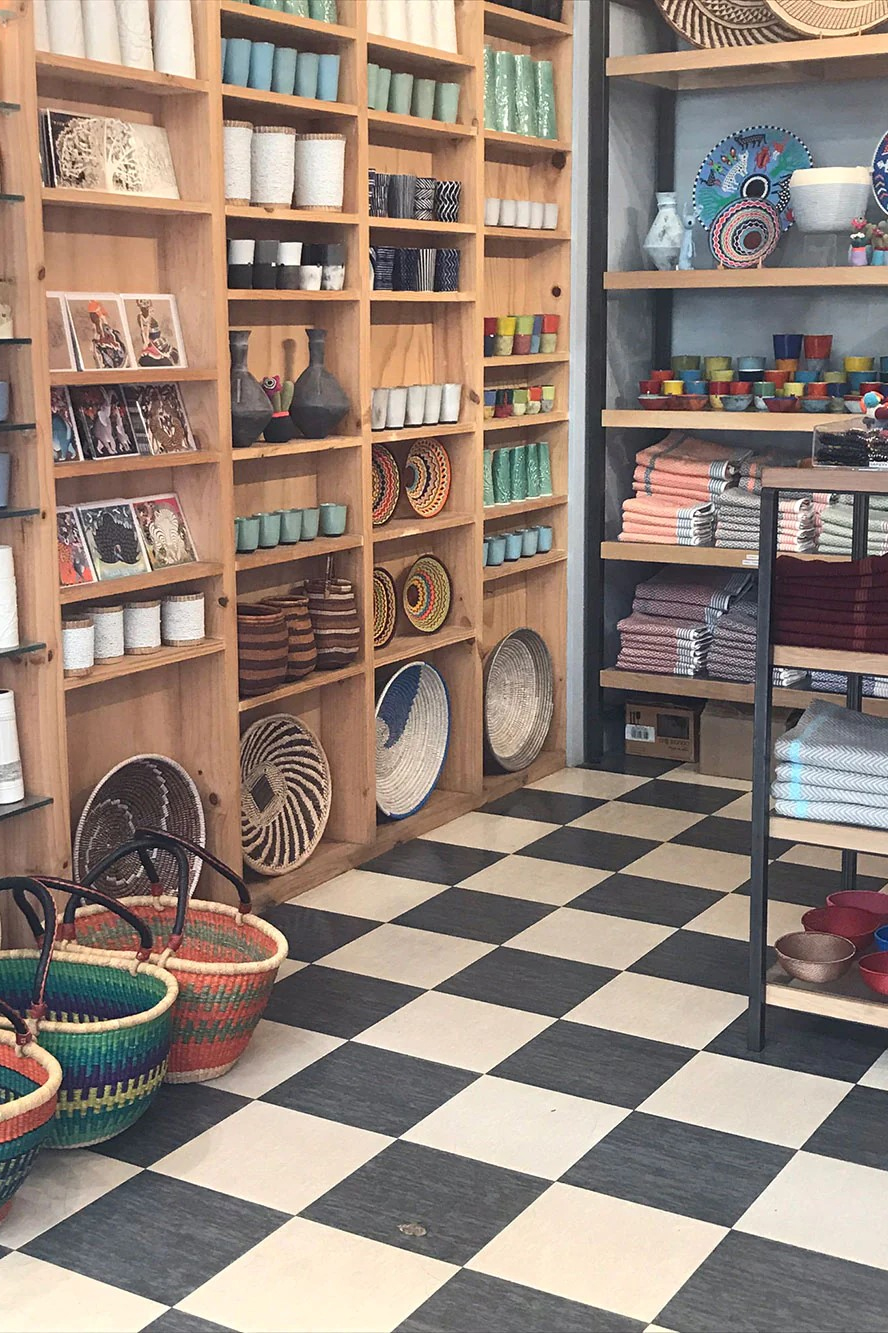
Commercial grade VCT, homogeneous vinyl and sheeting available online with nationwide delivery.
Browse Products →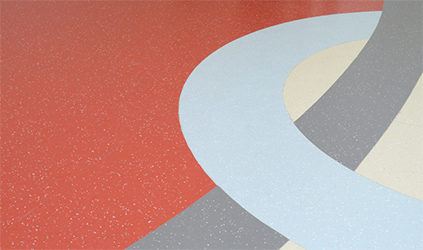
VCT, homogeneous vinyl, sheeting and linoleum — specs, installation and maintenance guides.
Read Overview →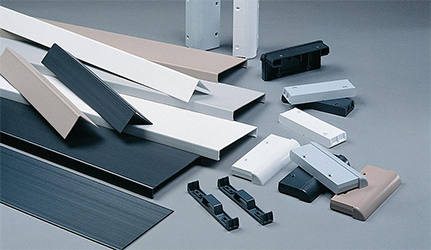
Adhesives, primers, self-levelling screed and finishing profiles for commercial vinyl installations.
View Accessories →Showing all 5 results
-
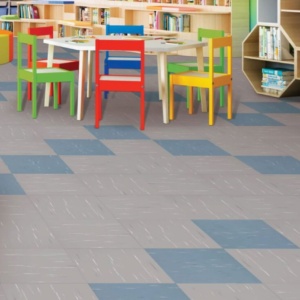
Unitile 2mm – Floorworx Flexible Vinyl Tiles – 300mm x 300mm
R172.99 m2 -
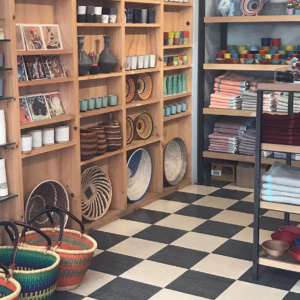
Superflex 2mm – Floorworx Fully Flexible Vinyl Tiles – 300mm x 300mm
R238.00 m2 -
Gerflor Mactile 1.6mm Flexible Vinyl Composite Tile
R179.50 m2 -
Gerflor Mactile 2.0mm Flexible Vinyl Composite Tile
R198.12 m2 -
Gerflor Mactile — 2.5mm Flexible Vinyl Composite Tile
R232.69 m2