


Carpet Tiles frequently asked questions
Q - What is Carpet tiles
Carpet tiles, also known as modular carpet or carpet squares, are individual pieces of carpet that can be installed piece by piece, often using adhesive or peel-and-stick backing. Unlike traditional rolled carpet, carpet tiles offer a flexible, customizable, and DIY-friendly flooring solution popular in both residential and commercial spaces. Here’s a closer look at carpet tiles and their key features:
Key Characteristics of Carpet Tiles
- Modular Design
- Carpet tiles come in square or rectangular shapes, making them easy to arrange to fit any room layout and allowing for flexible design and pattern options.
- Installation Flexibility
- Carpet tiles are often DIY-friendly due to their modular nature. They can be installed using adhesive backing, double-sided carpet tape, or even loose-laid in low-traffic areas.
- Unlike traditional rolled carpet, carpet tiles don’t require stretching or specialized equipment, making installation straightforward and fast.
- Design and Pattern Variety
- Carpet tiles come in a range of colors, textures, and patterns. They can be mixed and matched to create unique designs, from monochromatic layouts to checkerboards, stripes, or custom patterns.
- Many carpet tiles mimic traditional carpet styles, while others offer modern, geometric patterns to suit contemporary spaces.
- Easy Maintenance and Replacement
- Individual tiles can be replaced if they become stained, worn, or damaged, making them more convenient and cost-effective than replacing an entire carpet.
- Carpet tiles are generally low-pile, which makes them easy to clean with regular vacuuming. Many are also made from durable, stain-resistant materials.
- Durability and Practicality
- Carpet tiles are a popular choice in commercial spaces, schools, offices, and basements due to their durability and ease of maintenance.
- Many carpet tiles are moisture-resistant, which helps prevent mold or mildew, making them suitable for basements and other areas with moderate moisture levels.
- Environmental Benefits
- Some carpet tiles are made from recycled materials and are recyclable themselves, making them an eco-friendly option. In commercial applications, carpet tiles are often part of sustainable flooring programs.
Pros and Cons of Carpet Tiles
Pros:
- Easy Installation and Replacement: Tiles can be installed, removed, and replaced individually, making maintenance simple.
- Design Flexibility: Allows for creative layouts and custom patterns.
- Durability: Many carpet tiles are highly durable and designed for high-traffic areas.
- Low Maintenance: Stain-resistant and easy to clean.
Cons:
- Visible Seams: Seams between tiles can be noticeable, especially if the tiles aren’t installed precisely.
- Less Cushioning: Carpet tiles tend to be low-pile, providing less softness and cushioning than traditional carpet.
- Higher Upfront Cost: Carpet tiles can have a higher upfront cost per square meter than traditional carpeting but are cost-effective over time due to easy replacement.
Common Uses
Carpet tiles are widely used in commercial spaces, offices, schools, and basements. In residential settings, they are ideal for playrooms, home offices, basements, and DIY projects where easy installation and maintenance are priorities.
Overall, carpet tiles offer a practical, versatile, and customizable flooring option well-suited for both residential and commercial spaces.
Q - DIY Product - Is Carpet Tiles easy to install
Yes, carpet tiles are generally easy to install as a DIY project, thanks to their modular design and simple installation methods. Here’s why they’re a popular choice for DIYers and some tips for a successful installation:
Why Carpet Tiles Are Easy to Install
Modular Design
- Carpet tiles are individual squares that can be laid piece by piece, making them easy to handle and position. Unlike traditional rolled carpet, they don’t require heavy lifting, stretching, or specialized tools.
Simple Installation Methods
- Peel-and-Stick Backing: Many carpet tiles come with a self-adhesive backing, making them as easy to install as peeling off the protective layer and pressing the tile into place.
- Glue or Double-Sided Carpet Tape: If the tiles don’t come with adhesive, they can be installed using glue or double-sided carpet tape, which provides a secure bond to the subfloor without the need for professional equipment.
No Specialized Tools Required
- Carpet tiles typically require only basic tools such as a utility knife (for cutting tiles to fit edges and corners), a tape measure, and a straight edge for accurate cuts.
Flexible Layout and Placement
- Carpet tiles allow for a variety of layout options and patterns, so you can easily customize the design to suit your space. If you make a mistake, individual tiles can be repositioned or replaced.
Easy to Cut and Fit
- Carpet tiles are easy to cut with a utility knife, making it simple to fit them around obstacles like door frames, vents, and corners. This versatility is especially useful in rooms with non-standard layouts.
DIY Tips for Installing Carpet Tiles
Prepare the Subfloor: Ensure the subfloor is clean, dry, and level. Remove any debris, dust, or moisture to ensure a secure bond.
Mark a Starting Point: Measure and mark the center of the room and work outward to keep the tiles aligned and balanced. This creates a visually balanced layout.
Dry-Lay the First Row: Before applying adhesive, lay out the first row of tiles to check alignment and positioning. This helps ensure you start with a straight, even line.
Use a Utility Knife for Edges: When you reach walls or corners, use a utility knife to trim tiles for a precise fit. Always measure carefully before cutting.
Press Firmly to Secure: If using peel-and-stick or adhesive, press each tile firmly into place to ensure a good bond and prevent edges from lifting.
Check Alignment as You Go: As you lay each tile, check that the edges are aligned for a seamless look. Adjust as necessary to avoid gaps or misalignment.
Summary
Carpet tiles are easy to install for DIYers due to their modular design, adhesive options, and straightforward tools. With a bit of preparation and attention to layout, they can be a quick and cost-effective way to add new flooring to a room without professional installation.
Q - Is underlay required with Carpet Tiles
Underlay is generally not recommended with carpet tiles because they are designed to be installed directly onto the subfloor. Most carpet tiles come with a built-in backing that provides sufficient support, cushioning, and stability on its own. Adding an underlay can interfere with the secure placement of the tiles, potentially causing them to shift or lift over time. Here’s why underlay is usually unnecessary:
Built-In Backing: Carpet tiles typically have a backing that offers enough cushioning, durability, and sound absorption, eliminating the need for additional layers.
Direct Installation on Smooth Subfloors: Carpet tiles are intended for direct installation on clean, level surfaces like concrete or plywood. An underlay can reduce the stability of the tiles on these surfaces, compromising the quality of the installation.
Potential Shifting Issues: When underlay is used, carpet tiles may shift or move underfoot, especially in high-traffic areas. This is particularly problematic in commercial or office spaces, where secure, stable flooring is essential.
In most cases, the built-in backing on carpet tiles provides all the comfort and durability needed, making an additional underlay unnecessary and potentially detrimental to the stability and performance of the flooring
Q - How is Carpet Tiles different from Broadloom Carpets
Carpet tiles and broadloom (or wall-to-wall) carpets are both popular types of carpeting, but they differ in terms of installation, maintenance, design flexibility, and application. Here’s a breakdown of their key differences:
1. Installation Process
- Carpet Tiles: Carpet tiles come in modular squares, typically around 50 cm x 50 cm, which are installed individually using adhesive or peel-and-stick backing. This modular design makes carpet tiles DIY-friendly and allows for easy handling and replacement of individual tiles.
- Broadloom Carpet: Broadloom carpet is rolled carpet installed wall-to-wall. It usually requires professional installation, including stretching, cutting, and securing with tack strips or adhesive, which can be time-consuming and more complex.
2. Design and Customization
- Carpet Tiles: Carpet tiles offer flexibility in design as you can mix and match tiles to create patterns, such as checkerboard, herringbone, or random designs. They come in a wide variety of colors and styles, allowing for unique and customizable layouts.
- Broadloom Carpet: Broadloom carpet is typically installed in one continuous piece, creating a seamless look with no visible breaks or seams across large areas. Design options are more limited in terms of layout, but broadloom provides a more traditional, uniform appearance.
3. Maintenance and Replacement
- Carpet Tiles: If a section of carpet tiles becomes damaged or stained, individual tiles can be easily removed and replaced without disrupting the entire floor. This is particularly useful in high-traffic areas or where spills are likely, like in office or commercial settings.
- Broadloom Carpet: With broadloom, stains or damage in one area can require extensive cleaning or even replacement of the entire carpet, as it is installed in one large piece. Spot repairs are more challenging and may require professional assistance.
4. Application and Versatility
- Carpet Tiles: Ideal for commercial settings, offices, basements, and other spaces where flexibility and durability are key. Carpet tiles are often moisture-resistant and can be installed on various subfloors, making them suitable for areas where broadloom might not be practical.
- Broadloom Carpet: Broadloom provides a luxurious, continuous surface and is often used in residential spaces such as bedrooms, living rooms, and hotels. It provides a softer, more comfortable feel underfoot compared to carpet tiles and is better for spaces where a seamless look is desired.
5. Durability and Performance
- Carpet Tiles: Generally very durable and designed to withstand high-traffic areas, carpet tiles are often lower pile and may be more resilient in commercial settings. Many carpet tiles are moisture-resistant and designed for easy maintenance.
- Broadloom Carpet: Broadloom carpets can vary in durability depending on the material and pile height. They may be less resilient to high-traffic wear and tear than carpet tiles but offer a softer, more luxurious feel.
6. Cost
- Carpet Tiles: The cost of carpet tiles can vary widely depending on the quality, design, and durability. Carpet tiles can be more affordable than broadloom in some cases, particularly for DIY installations, but high-quality options can also be more expensive.
- Broadloom Carpet: Broadloom also spans a wide price range, with budget-friendly to high-end options depending on the material, pile type, and backing. Professional installation is typically required, which can add to the cost, especially for larger spaces.
Summary of Key Differences
| Feature | Carpet Tiles | Broadloom Carpet |
|---|---|---|
| Installation | Modular, easy DIY or adhesive installation | Wall-to-wall, requires professional help |
| Design Flexibility | Customizable patterns, individual squares | Seamless, continuous look |
| Maintenance | Replace individual tiles if damaged | Entire carpet may need cleaning or repair |
| Ideal Applications | Offices, basements, high-traffic areas | Residential, luxurious spaces |
| Durability | Highly durable, moisture-resistant options | Variable, softer feel, less resilient |
| Cost | Wide range depending on quality | Wide range, typically with added installation costs |
In summary, carpet tiles offer flexibility, easy maintenance, and high durability, making them ideal for commercial and high-traffic areas. Broadloom carpet provides a seamless, luxurious look suited for residential spaces where comfort and uniformity are priorities, with both options available in a wide range of prices depending on quality and style.
Q - What is the main differences between Carpet Tiles, Broadloom carpets, Vinyl, Laminate and Engineered Hardwood flooring
Here’s a comparison table outlining the main differences between Carpet Tiles, Broadloom Carpet, Vinyl Flooring, Laminate Flooring, and Engineered Wood Flooring:
| Feature | Carpet Tiles | Broadloom Carpet | Vinyl Flooring | Laminate Flooring | Engineered Wood Flooring |
|---|---|---|---|---|---|
| Material | Modular squares of carpet | Continuous roll of carpet | Synthetic (PVC or similar) | Composite with a photographic layer | Real wood veneer over plywood or HDF core |
| Installation | DIY-friendly, adhesive or peel-and-stick | Professional, requires stretching & cutting | DIY-friendly, click-lock or glue-down | DIY-friendly, click-lock or glue-down | Professional recommended, nail, glue, or floating |
| Appearance | Customizable patterns, visible seams | Seamless, continuous look | Wide range of styles, mimics wood or tile | Mimics wood, tile, or stone, realistic finishes | Looks like real wood, various species & finishes |
| Durability | High durability, replaceable tiles | Variable, prone to wear in high-traffic | Highly durable, waterproof options | Durable, scratch-resistant, water-resistant options | Durable, can handle moderate traffic |
| Maintenance | Replace individual tiles as needed | Full carpet may need replacement if damaged | Easy to clean, resistant to stains and moisture | Easy to clean, typically mop and vacuum | Clean with wood-safe cleaner, refinishing options |
| Comfort | Moderate comfort, low pile | High comfort, soft and warm | Hard, less warmth underfoot | Moderate comfort, can add underlayment | Warmer underfoot than vinyl or laminate |
| Sound Insulation | Good sound insulation | Excellent sound insulation | Poor sound insulation | Moderate, improves with underlayment | Moderate, better with underlayment |
| Water Resistance | Moderate, moisture-resistant options | Low, prone to damage from moisture | High, waterproof options available | Moderate, some water-resistant options | Moderate, but not recommended for wet areas |
| Cost | Wide range, varies with quality | Wide range, varies with material and pile | Budget-friendly to mid-range | Budget-friendly to mid-range | Higher cost, varies by wood species and thickness |
| Common Applications | Offices, commercial spaces, basements | Bedrooms, living rooms, hotels | Kitchens, bathrooms, basements | Living rooms, bedrooms, kitchens | Living rooms, bedrooms, offices |
| Eco-Friendliness | Recyclable options available | Recyclable materials possible | Some recyclable options, vinyl is synthetic | Sustainable wood sources in some brands | Renewable wood sources, low VOC options |
| Refinishing Ability | Not refinishable | Not refinishable | Not refinishable | Not refinishable | Can be refinished if top layer is thick enough |
This table highlights the main differences to help you choose the right flooring based on installation, durability, maintenance, comfort, and applications. Each type has unique qualities suitable for different environments and preferences.
Q - What is the main different types of Carpet Tiles
Overview of Carpet Tile Types, including material, pile, backing, shape, installation, and design options, combining tufted and needle punch types into the pile category:
1. Material Types
- Nylon Carpet Tiles: Durable, stain-resistant, and easy to clean, nylon carpet tiles are ideal for high-traffic and commercial areas due to their resilience and resistance to crushing.
- Polypropylene (Olefin) Carpet Tiles: Known for moisture resistance, olefin tiles are suitable for basements, outdoor settings, or spaces where moisture is a concern. They are less resilient than nylon, however, and may crush over time.
- Polyester Carpet Tiles: Soft and affordable, polyester tiles are often used in residential settings and offer vibrant colors, though they may wear down faster in high-traffic areas.
- Wool Carpet Tiles: A natural, hypoallergenic, and sustainable option, wool carpet tiles provide a soft, luxurious feel. They’re generally higher-end and best suited for low-traffic residential areas.
2. Pile Types
- Tufted Carpet Tiles: Created by stitching yarn into a backing, tufted carpet tiles offer a wide variety of textures, styles, and patterns. They’re widely used in both residential and commercial spaces for their versatility and aesthetic options.
- Needle Punch Carpet Tiles: Constructed by entangling fibers with needles, needle punch tiles are extremely durable and low-maintenance, making them ideal for high-traffic areas and outdoor spaces.
- Loop Pile Carpet Tiles: Made from uncut loops of fiber, loop pile tiles are highly durable and resilient, making them ideal for high-traffic areas.
- Cut Pile Carpet Tiles: With cut loops for a softer, plush feel, cut pile tiles offer a luxurious appearance and are popular in residential spaces.
- Cut-and-Loop Pile Carpet Tiles: Combining cut and loop fibers, these tiles create textured patterns with added depth, suitable for both residential and commercial environments.
3. Backing Types
- Peel-and-Stick Backing: Features a self-adhesive backing for quick, easy installation, making it popular for DIY projects in residential spaces.
- PVC Backing: Provides durability and stability, ideal for commercial spaces. PVC-backed tiles are typically glued down for added stability.
- Polyurethane Cushion Backing: This backing includes a layer of foam or padding, adding comfort and sound insulation, which is ideal for offices and residential areas where comfort is prioritized.
4. Shape and Size Types
- Square Carpet Tiles: The standard shape, usually around 50 cm x 50 cm, square tiles are easy to install in a grid layout, creating a clean and classic appearance.
- Plank Carpet Tiles: Rectangular plank tiles, commonly 25 cm x 100 cm, allow for creative layouts such as herringbone and brick patterns, giving a more modern look.
- Hexagonal and Other Shapes: Less common, hexagonal and other geometric shapes add visual interest and are ideal for custom or contemporary designs.
5. Installation Types
- Glue-Down Carpet Tiles: Installed with adhesive for stability, glue-down tiles are commonly used in commercial settings or high-traffic areas.
- Loose-Lay Carpet Tiles: These tiles are heavy enough to stay in place without adhesive and are suitable for low-traffic areas or temporary installations.
6. Design and Pattern Types
- Monochromatic Carpet Tiles: Available in solid colors, these tiles create a uniform look, popular for minimalist or contemporary spaces.
- Patterned Carpet Tiles: Patterned tiles feature designs such as geometric shapes, stripes, or textures, adding visual interest to a space and allowing for unique layouts.
- Textured Carpet Tiles: Using varying pile heights or fibers, textured carpet tiles add dimension and depth, which helps hide dirt and is often used in high-traffic commercial spaces.
Summary of Carpet Tile Types
| Type | Options | Common Uses |
|---|---|---|
| Material Types | Nylon, polypropylene, polyester, wool | High-traffic, moisture-prone, and residential areas |
| Pile Types | Loop, cut, cut-and-loop, tufted, needle punch | Commercial, residential, and outdoor spaces |
| Backing Types | Peel-and-stick, PVC, cushion | DIY (peel-and-stick), commercial (PVC) |
| Shape and Size | Square, plank, hexagonal | Classic look (square), modern (plank) |
| Installation Types | Glue-down, loose-lay | Commercial (glue-down), flexible spaces (loose-lay) |
| Design and Pattern | Monochromatic, patterned, textured | Minimalist (monochromatic), offices (textured) |
This overview provides the various carpet tile options available, including material, pile type (with tufted and needle punch included), and design choices, allowing you to select the best type for your space based on durability, installation needs, and style.
Q - Different type of fibres used for Carpet Tiles and their characteristics
Carpet tile fibers play a critical role in determining the durability, comfort, appearance, and maintenance of the tiles. Here’s a detailed breakdown of the most common carpet tile fiber types:
1. Nylon
- Characteristics: Nylon is the most popular fiber for carpet tiles due to its resilience, durability, and stain resistance. It’s highly flexible, recovers well from compression, and is resistant to wear, which makes it ideal for high-traffic areas.
- Advantages:
- Excellent durability and longevity
- Good stain and fade resistance, especially when treated with a stain-resistant finish
- Easy to clean and maintain
- Resilient to crushing and matting
- Best Uses: Commercial spaces, offices, and high-traffic residential areas. Nylon carpet tiles are ideal for spaces that require durability without sacrificing comfort.
2. Polypropylene (Olefin)
- Characteristics: Polypropylene, also known as olefin, is a moisture-resistant fiber often chosen for carpet tiles in areas prone to dampness. It’s lightweight, colorfast, and resistant to fading and staining. However, it’s less resilient than nylon and more prone to crushing in high-traffic areas.
- Advantages:
- Highly resistant to moisture, mold, and mildew, making it suitable for basements or outdoor areas
- Good resistance to fading from sunlight
- Stain-resistant, particularly against water-based stains
- Cost-effective and affordable
- Disadvantages:
- Less durable than nylon and prone to crushing in high-traffic areas
- Limited resilience and recovery from heavy compression
- Best Uses: Basements, outdoor settings, low-traffic residential rooms, and damp areas where moisture resistance is essential.
3. Polyester
- Characteristics: Polyester is a soft, budget-friendly option for carpet tiles, offering vibrant colors due to its dyeability. It’s naturally stain-resistant and environmentally friendly when made from recycled materials, though it is less durable than nylon and may show wear in high-traffic areas.
- Advantages:
- Soft and comfortable underfoot, with vibrant color options
- Naturally stain-resistant, especially to water-based stains
- Often made from recycled materials, making it eco-friendly
- Colorfast and resistant to fading
- Disadvantages:
- Less durable and more prone to wear and matting in high-traffic areas
- Lower resilience compared to nylon, making it less suitable for commercial use
- Best Uses: Bedrooms, playrooms, and low-traffic residential spaces where softness and color are priorities.
4. Wool
- Characteristics: Wool is a natural fiber known for its luxurious feel, warmth, and hypoallergenic properties. It’s durable and offers good stain resistance when treated, though it’s typically more expensive and may require extra maintenance.
- Advantages:
- Naturally renewable and biodegradable, making it eco-friendly
- Soft, luxurious texture with excellent color retention
- Naturally flame-retardant and hypoallergenic
- Good resistance to dirt and soiling; fibers hide dirt well
- Disadvantages:
- Higher cost compared to synthetic options
- Prone to staining from water-based spills if untreated
- Sensitive to chemicals and requires special cleaning products
- Best Uses: High-end residential areas, luxury spaces, and settings where eco-friendliness and comfort are prioritized.
5. Triexta (PTT)
- Characteristics: Triexta, or polytrimethylene terephthalate (PTT), is a newer synthetic fiber that combines the resilience of nylon with the softness of polyester. It offers natural stain resistance, particularly against food and drink spills, and good durability.
- Advantages:
- Natural stain resistance without added treatments
- Soft feel, making it comfortable underfoot
- Durable and resilient, with good resistance to wear and matting
- Colorfast with excellent dye retention
- Disadvantages:
- Can be more costly than polyester and polypropylene
- Limited options compared to more established fibers like nylon
- Best Uses: Residential areas with moderate traffic, living rooms, and family rooms where comfort and stain resistance are important.
6. Acrylic
- Characteristics: Acrylic is sometimes used as a wool substitute due to its similar appearance and texture. It’s lightweight, resistant to fading, and hypoallergenic. However, it lacks the durability of nylon and polyester and is less commonly used in carpet tiles.
- Advantages:
- Resembles wool in appearance and feel
- Resistant to fading from sunlight, making it suitable for bright spaces
- Hypoallergenic and resistant to mildew
- Disadvantages:
- Less durable and resilient than other fibers
- Not as resistant to stains and abrasion
- Best Uses: Low-traffic residential areas where a wool-like appearance is desired without the high cost.
7. Blends (Nylon-Wool, Nylon-Polypropylene, etc.)
- Characteristics: Blended fiber carpet tiles combine the properties of multiple fibers to balance durability, softness, stain resistance, and cost. A nylon-wool blend, for example, provides durability with the luxurious feel of wool.
- Advantages:
- Combines the strengths of multiple fibers for a balanced performance
- Improved durability and comfort compared to single-fiber options
- Versatile for different settings based on blend ratios
- Disadvantages:
- May have limitations in each property, depending on the blend
- Cost varies based on the fiber combination
- Best Uses: Spaces where a blend of comfort and durability is desired, such as offices, hotels, and moderate-traffic residential areas.
Summary of Carpet Tile Fiber Types
| Fiber Type | Durability | Stain Resistance | Comfort | Best Uses |
|---|---|---|---|---|
| Nylon | High | High, especially with treatment | Moderate | Commercial, high-traffic residential |
| Polypropylene (Olefin) | Moderate | High, especially water-based | Moderate | Basements, outdoor areas, damp spaces |
| Polyester | Moderate to Low | High (naturally stain-resistant) | Soft | Bedrooms, low-traffic residential |
| Wool | Moderate to High | Moderate (higher if treated) | Soft, luxurious | High-end residential, eco-friendly spaces |
| Triexta (PTT) | High | High, naturally stain-resistant | Soft | Moderate-traffic residential areas |
| Acrylic | Low | Moderate | Soft, wool-like | Low-traffic residential areas |
| Blends | Varies by blend | Varies by blend | Varies by blend | Offices, hotels, moderate-traffic spaces |
Each carpet tile fiber type has unique strengths and applications, allowing for selection based on the balance of durability, comfort, stain resistance, and budget that best suits the environment.
Q - What are the different backing systems used in Carpet Tiles
Carpet tiles use various backing systems, each providing specific benefits related to durability, comfort, moisture resistance, and installation ease. Here’s an overview of the most common backing systems for carpet tiles:
1. PVC (Vinyl) Backing
- Description: PVC or vinyl backing is a common, durable choice for carpet tiles. It provides a stable and moisture-resistant layer that’s ideal for high-traffic and commercial environments.
- Benefits:
- Moisture Resistance: Prevents moisture from penetrating the carpet tile, making it suitable for damp areas.
- Dimensional Stability: Ensures tiles stay in place without shifting or curling, especially under heavy foot traffic.
- Durability: Highly resistant to wear, making it a preferred choice for commercial settings.
- Best Uses: High-traffic areas, commercial spaces, basements, and moisture-prone environments.
2. Bitumen Backing
- Description: Bitumen, a dense, asphalt-like material, adds weight and stability to carpet tiles. It is commonly used in commercial spaces due to its durability.
- Benefits:
- Cost-Effective: Affordable compared to other backings, making it a good option for large-scale projects.
- Stability: Prevents movement and dimensional changes, ensuring tiles stay in place.
- Eco-Friendly Options: Some bitumen backings incorporate recycled materials, enhancing sustainability.
- Best Uses: Commercial spaces, offices, and budget-conscious installations.
3. Polyurethane Cushion Backing
- Description: This backing includes a layer of foam or cushioning, which provides extra comfort and sound insulation underfoot.
- Benefits:
- Comfort: Adds softness and comfort, making it ideal for areas where people stand or walk frequently.
- Sound Insulation: Reduces noise, which is beneficial for offices, libraries, and other quiet spaces.
- Low VOC Options: Many cushion-backed tiles are low-VOC, enhancing indoor air quality.
- Best Uses: Offices, residential spaces, and areas where comfort and sound reduction are priorities.
4. Peel-and-Stick (Self-Adhesive) Backing
- Description: Peel-and-stick carpet tiles have an adhesive layer covered by a protective film. During installation, you simply peel off the film and press the tile in place.
- Benefits:
- Easy DIY Installation: Simplifies installation without the need for extra adhesives or tools.
- Affordable: Cost-effective, especially for DIY projects.
- Temporary and Removable: Can often be removed without damaging the subfloor, making it suitable for temporary installations.
- Best Uses: Residential spaces, DIY installations, and temporary setups.
5. Non-Woven Polyester or Felt Backing
- Description: Non-woven polyester or felt backing provides a lightweight, flexible backing, often made from recycled materials. It’s commonly used in budget-friendly or low-traffic carpet tiles.
- Benefits:
- Eco-Friendly: Many felt backings are made from recycled materials, making them a sustainable choice.
- Comfort: Offers a small amount of cushioning, making it suitable for residential spaces.
- Cost-Effective: Generally affordable, suitable for residential or light-use applications.
- Best Uses: Low-traffic residential areas, playrooms, and bedrooms.
6. Thermoplastic Backing
- Description: Thermoplastic backing is a rigid, non-flexible backing made from plastic composite materials. It provides excellent dimensional stability, making it suitable for heavy-use areas.
- Benefits:
- High Stability: Minimizes movement, reducing the risk of edge curling and lifting.
- Durability: Highly durable, suitable for heavy foot traffic.
- Moisture Resistance: Provides moderate moisture resistance, making it useful for commercial spaces.
- Best Uses: High-traffic commercial spaces, hallways, and retail environments.
7. Recycled and Eco-Friendly Backings
- Description: Eco-friendly backings are designed with sustainability in mind, using recycled materials or low-VOC adhesives and finishes.
- Benefits:
- Sustainable: Reduces environmental impact and is suitable for green building projects.
- Improved Indoor Air Quality: Often low in VOC emissions, contributing to healthier indoor air.
- Durability: Can be comparable in strength and performance to traditional backings.
- Best Uses: Green-certified buildings, environmentally conscious spaces, and projects prioritizing sustainability.
8. No Backing (Needle Punch Carpet Tiles)
- Description: Needle punch carpet tiles often come without a backing layer. These tiles are made by entangling fibers through a needle-punch process, which creates a dense and durable structure that doesn’t require additional backing.
- Benefits:
- High Durability: The needle punch construction is inherently strong, making it highly resistant to wear and crushing.
- Moisture Tolerance: Suitable for indoor-outdoor use and high-moisture areas due to its minimal absorbency.
- Low Maintenance: Easy to clean and maintain, making it ideal for high-traffic and industrial areas.
- Best Uses: High-traffic areas, industrial settings, outdoor spaces, and locations where heavy-duty performance is required.
Summary of Carpet Tile Backing Types
| Backing Type | Key Benefits | Best Uses |
|---|---|---|
| PVC (Vinyl) | Moisture-resistant, stable, durable | High-traffic, commercial spaces, basements |
| Bitumen | Cost-effective, stable, some eco-friendly options | Offices, commercial spaces |
| Polyurethane Cushion | Comfort, sound insulation, low VOC | Offices, residential spaces, sound-sensitive areas |
| Peel-and-Stick | Easy to install, affordable, removable | Residential spaces, DIY, temporary setups |
| Non-Woven Polyester/Felt | Eco-friendly, comfortable, affordable | Low-traffic residential, bedrooms, playrooms |
| Thermoplastic | High stability, durable, moisture-resistant | Heavy traffic commercial areas, hallways |
| Recycled/Eco-Friendly | Sustainable, low VOC, eco-conscious | Green buildings, eco-conscious spaces |
| No Backing (Needle Punch) | Durable, moisture-tolerant, low maintenance | High-traffic, industrial, outdoor applications |
Each backing type offers distinct benefits suited to different environments and installation needs. Needle punch carpet tiles with no backing are particularly robust, ideal for high-traffic or outdoor areas where durability and moisture tolerance are essential.
Q - Do I need to acclimatise Carpet Tiles before installation
Yes, it’s generally recommended to acclimatize carpet tiles before installation. Acclimating allows the carpet tiles to adjust to the temperature and humidity conditions of the installation environment, which helps prevent issues like expansion, contraction, or curling after they are installed. Here’s how to do it and why it’s important:
Why Acclimatize Carpet Tiles?
- Dimensional Stability: Carpet tiles, especially those with certain backings like PVC or bitumen, can expand or contract slightly based on temperature and humidity changes. Acclimating them reduces the risk of gaps, lifting, or curling after installation.
- Adhesive Bonding: If adhesive or peel-and-stick backing is used, acclimatizing ensures that the carpet tiles will bond properly to the subfloor and stay in place.
- Improves Installation Quality: Proper acclimatization helps ensure the tiles lay flat and fit seamlessly, resulting in a more professional-looking installation.
How to Acclimatize Carpet Tiles
- Place the Tiles in the Installation Room: Stack the carpet tiles in the room where they will be installed. Spread out the stacks if possible to allow for better air circulation.
- Leave for 24-48 Hours: Allow the tiles to acclimate for at least 24-48 hours. This gives them time to adjust to the room’s temperature and humidity.
- Maintain Room Conditions: Ensure the room is within the recommended temperature (typically between 18-30°C) and humidity range (generally around 40-60%) as specified by the carpet tile manufacturer.
Additional Tips
- Check Manufacturer Recommendations: Some carpet tile manufacturers may have specific acclimation instructions, so it’s best to follow any guidance provided with your product.
- Prepare the Subfloor: Ensure the subfloor is clean, dry, and level before installation, as these conditions are equally important for the stability and longevity of the tiles.
Acclimatizing carpet tiles is a simple but essential step to ensure a successful and stable installation.
Q - What is the different installation methods for Carpet Tiles
Carpet tiles offer a variety of installation methods, each suited to different settings and preferences for stability, ease, and durability. Here are the main installation methods for carpet tiles:
1. Glue-Down Installation
- Description: Glue-down installation involves applying adhesive to the subfloor or the back of each carpet tile before pressing them firmly into place.
- Benefits:
- Strong Bond: Provides a highly stable and durable installation, suitable for high-traffic areas.
- Minimal Movement: Prevents tiles from shifting or lifting, even under heavy foot traffic or rolling furniture.
- Best Uses: Ideal for commercial spaces, offices, and high-traffic areas where tiles need to stay firmly in place.
- Considerations: Requires more preparation and can be time-consuming. Removal can be challenging as the adhesive can leave residue.
2. Peel-and-Stick (Self-Adhesive) Installation
- Description: Peel-and-stick carpet tiles come with a pre-applied adhesive covered by a protective film. During installation, you peel off the backing and press the tile into place.
- Benefits:
- Easy and Fast: Perfect for DIYers, as it doesn’t require additional adhesive or professional installation.
- Cost-Effective: Lower installation costs due to reduced need for adhesive and tools.
- Best Uses: Residential spaces, light-traffic areas, and DIY projects where ease of installation is a priority.
- Considerations: May not be as durable as glue-down installations in high-traffic areas, and tiles may need additional securing over time in heavy-use spaces.
3. Loose-Lay Installation
- Description: Loose-lay carpet tiles are designed to stay in place without adhesive, relying on their weight and backing material for stability.
- Benefits:
- Flexible and Reusable: Easy to lift and replace tiles if damaged or stained, making it ideal for spaces requiring flexibility.
- Quick and Minimal Preparation: Requires minimal prep work, as no adhesive is used.
- Best Uses: Low-traffic areas, temporary installations, or spaces requiring frequent reconfiguration.
- Considerations: Loose-lay tiles may shift under heavy traffic, so they’re not recommended for busy commercial areas unless combined with perimeter adhesive or carpet tape.
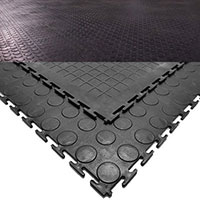
4. Interlocking (Puzzle) Installation
- Description: Interlocking carpet tiles have edges that fit together like puzzle pieces, providing a secure fit without adhesive.
- Benefits:
- Easy to Install and Remove: Ideal for DIY installations and temporary setups, as they can be installed and removed quickly without adhesive.
- Secure Fit: The interlocking edges prevent movement, even without glue, in light to moderate traffic areas.
- Best Uses: Residential settings, playrooms, basements, and temporary or modular spaces where easy removal or replacement is desired.
- Considerations: Interlocking tiles are typically available in specific shapes and may have visible seams, which might not suit all design aesthetics.
5. TacTiles or Floating Installation
- Description: This method uses small adhesive connectors, often called “TacTiles” or similar, which attach to the corners or edges of adjacent tiles. The tiles effectively “float” over the subfloor, bonded to each other rather than the floor.
- Benefits:
- No Adhesive on Subfloor: Prevents damage to the subfloor and simplifies removal.
- Easy Replacement: Individual tiles can be replaced without disturbing the surrounding floor.
- Stable and Durable: The interconnected tiles provide stability, even under moderate foot traffic.
- Best Uses: Offices, apartments, or leased spaces where flooring needs to be removable without subfloor damage.
- Considerations: Not suitable for heavy-traffic commercial areas, as it may not provide the same level of durability as a full glue-down installation.
6. Perimeter Glue or Tape Installation
- Description: In perimeter glue or tape installation, adhesive is applied only around the edges of the room, or carpet tape is used to secure the perimeter tiles. The inner tiles are laid without adhesive.
- Benefits:
- Reduced Adhesive Use: Less adhesive means easier removal and lower cost.
- Sufficient Stability: Works well for spaces where minimal movement is acceptable.
- Best Uses: Residential settings, light-traffic areas, and spaces where temporary installation is desired.
- Considerations: May not be stable enough for high-traffic or commercial spaces, as the center tiles have no direct adhesive support.
Summary of Carpet Tile Installation Methods
| Installation Method | Description | Best Uses | Considerations |
|---|---|---|---|
| Glue-Down | Full adhesive application | High-traffic areas, commercial spaces | Strong bond, challenging to remove |
| Peel-and-Stick | Self-adhesive backing | Residential, DIY, light-traffic areas | Easy to install, less durable in heavy traffic |
| Loose-Lay | No adhesive, relies on weight | Temporary setups, low-traffic areas | Flexible but may shift in high traffic |
| Interlocking (Puzzle) | Interlocking edges like puzzle pieces | Playrooms, basements, modular spaces | Quick install, visible seams in some styles |
| TacTiles/Floating | Adhesive connectors at edges | Offices, rentals, easy replacement | No damage to subfloor, moderate stability |
| Perimeter Glue or Tape | Adhesive only on edges | Residential, light-traffic, temporary setups | Cost-effective, less stability in high traffic |
Each installation method has its advantages and is best suited for specific environments. Glue-down and perimeter glue installations provide strong bonds for high-traffic areas, while loose-lay and interlocking options are ideal for temporary setups or residential DIY projects
Q - How Carpet Tile installation layouts can be done
Yes, the placement of carpet tiles during installation can impact both the aesthetic and functional aspects of the floor, similar to how staggering affects the appearance and durability of wooden floors. Here are some common carpet tile layout patterns and why they matter:
1. Monolithic (Brick Layout)
- Description: In a monolithic, or brick, layout, each row of tiles is offset by half a tile, resembling traditional brick-laying.
- Benefits:
- Seamless Appearance: Creates a cohesive, continuous look by minimizing visible seams.
- Distributes Wear: Offsetting tiles helps reduce visible joint wear, enhancing durability.
- Best Uses: High-traffic areas where durability and a clean, uniform look are important.
2. Quarter-Turn (Checkerboard)
- Description: In a quarter-turn pattern, each tile is rotated 90 degrees from the adjacent tile, creating a checkerboard effect.
- Benefits:
- Visual Interest: Adds texture and depth, especially with linear or patterned tiles.
- Conceals Dirt and Wear: The alternating pattern helps mask dirt and wear, making it ideal for high-traffic spaces.
- Best Uses: Offices, hallways, and commercial spaces for a visually engaging look.
3. Ashlar (Offset Rows)
- Description: Ashlar installation aligns tiles in straight rows, offset by a third or a quarter of a tile rather than half, as in brick layouts.
- Benefits:
- Continuous Flow: Creates a soft, flowing design that resembles brick or stonework.
- Minimizes Seams: Offset rows reduce visible seams, which is helpful in large installations.
- Best Uses: Open-plan offices and commercial areas where a soft, cohesive design is desired.
4. Random Layout
- Description: In a random layout, tiles are placed without a specific pattern. This layout is effective with multi-colored or textured tiles.
- Benefits:
- Creative Flexibility: Allows for unique designs with a natural, organic look.
- Masks Wear and Dirt: The irregular pattern hides wear and stains effectively.
- Best Uses: Creative spaces, children’s areas, and unconventional designs.
5. Herringbone
- Description: In a herringbone pattern, tiles are arranged in a zigzag design, typically using rectangular carpet tiles or planks.
- Benefits:
- Sophisticated Aesthetic: Adds visual interest and movement, similar to herringbone wood floors.
- High-End Look: Provides a luxurious feel, making the space appear polished and elegant.
- Best Uses: Reception areas, lobbies, and residential spaces where a high-end look is desired.
6. Basket Weave
- Description: Tiles are laid in clusters, typically in 2x2 or 3x3 square patterns, creating a “basket” effect.
- Benefits:
- Adds Texture: Provides texture and depth without needing multiple colors.
- Pattern Flexibility: Offers a structured yet visually interesting layout.
- Best Uses: Offices, conference rooms, and retail spaces where a subtle pattern is preferred.
Why Placement Patterns Matter
- Aesthetic Appeal: Patterns create specific visual effects, from uniform to dynamic, enhancing the room’s design.
- Wear Distribution: Certain layouts, like monolithic and ashlar, distribute wear more evenly, extending the life of the carpet tiles in high-traffic areas.
- Ease of Replacement: Patterns like quarter-turn or random layouts make individual tile replacement less noticeable, which can be beneficial for maintenance.
Summary of Carpet Tile Layout Options
| Pattern | Description | Benefits | Best Uses |
|---|---|---|---|
| Monolithic (Brick) | Rows offset by half a tile | Seamless look, even wear distribution | High-traffic areas, uniform design spaces |
| Quarter-Turn | 90-degree rotation per tile | Adds texture, conceals wear | Offices, hallways, commercial areas |
| Ashlar | Straight rows offset by a third/quarter tile | Continuous flow, minimizes seams | Open-plan offices, commercial settings |
| Random | No set pattern | Creative look, hides wear | Creative spaces, children’s areas |
| Herringbone | Zigzag pattern | Sophisticated, dynamic aesthetic | Lobbies, high-end residential areas |
| Basket Weave | Clustered square patterns (2x2, 3x3) | Textured look, subtle structure | Offices, retail areas, conference rooms |
The placement pattern you choose for carpet tiles can greatly enhance the room’s appearance and longevity, providing both aesthetic and functional benefits.
Q - Can Carpet Tiles be installed over underfloor heating
Yes, carpet tiles can be installed over underfloor heating, but there are some important considerations to ensure proper performance and comfort. Here’s what you need to know:
1. Choose Heat-Compatible Carpet Tiles
- Not all carpet tiles are compatible with underfloor heating, so it’s essential to select tiles specifically rated for this purpose. Heat-compatible carpet tiles are designed to handle temperature fluctuations without affecting their durability or stability.
2. Check the Tog Rating
- Tog Rating: The tog rating of carpet tiles measures thermal resistance. For efficient heat transfer, choose carpet tiles with a low tog rating (usually below 2.5). Carpet tiles with a higher tog rating may restrict heat flow, reducing the efficiency of your heating system.
3. Use Heat-Resistant Adhesive (If Needed)
- Adhesive Compatibility: If installing with adhesive, use one that is heat-resistant and suitable for underfloor heating. This prevents the adhesive from deteriorating or losing its bond under heat.
- Loose-Lay Options: Some carpet tiles designed for loose-lay installation may perform well over heated floors, as they allow for slight expansion without the need for adhesive. Always check the manufacturer’s instructions for compatibility with underfloor heating.
4. Gradually Increase the System Temperature
- After installation, allow the underfloor heating system to increase gradually to the desired temperature. Sudden temperature changes can cause carpet tiles to expand or contract, potentially leading to gaps or lifting.
5. Monitor the Temperature
- Carpet tiles should not be exposed to temperatures above the recommended maximum, typically around 27°C. Higher temperatures can impact both the carpet tiles and any adhesive, potentially causing degradation or reducing the life of the flooring.
Benefits of Carpet Tiles Over Underfloor Heating
- Comfort: Carpet tiles provide a warm, comfortable surface that works well with underfloor heating, especially in residential spaces.
- Efficient Heating: When chosen with the right tog rating, carpet tiles can balance comfort and heat transfer efficiently.
Summary
To install carpet tiles over underfloor heating:
- Choose heat-compatible carpet tiles with a low tog rating.
- Use a heat-resistant adhesive if gluing down tiles.
- Gradually increase floor temperature after installation.
- Keep the floor temperature within recommended limits (usually no more than 27°C).
Following these guidelines ensures that carpet tiles can be safely installed over underfloor heating, creating a comfortable and efficient heated floor
Q - Why do I need to order 10% extra Carpet Tiles for wastage
Ordering an extra 10% of carpet tiles for wastage is recommended to account for several factors during installation. Here’s why this additional amount is important:
1. Cutting and Trimming for Fit
- Room Edges and Corners: Carpet tiles often need to be cut to fit around the edges of a room, as well as around any obstacles like columns, doorways, or built-in furniture. This trimming results in some wastage, as the off-cuts may not be usable elsewhere.
- Pattern Alignment: If you’re using a patterned layout (such as herringbone or checkerboard), additional tiles may be needed to ensure proper alignment and continuity of the pattern.
2. Mistakes and Errors
- Installation Errors: During DIY or professional installation, mistakes can happen, such as incorrect cuts or tiles placed in the wrong orientation. Having extra tiles on hand helps correct these errors without interrupting the project.
- Replacement for Damaged Tiles: Some tiles may arrive with minor defects or get damaged during installation. Extra tiles ensure that you have replacements immediately available.
3. Future Repairs and Replacements
- Matching Replacement Tiles: Over time, certain tiles may need to be replaced due to wear, stains, or damage. Having spare tiles from the original batch means they’ll match perfectly in color, texture, and pattern, which may be difficult to find later if the manufacturer changes production.
4. Layout and Pattern Adjustments
- Accommodating Patterns and Layouts: Certain layouts, such as quarter-turn or herringbone patterns, can increase the number of tiles needed to maintain a consistent look. Extra tiles allow for flexibility to make layout adjustments without shortages.
5. Room Shape and Irregularities
- Irregular Room Shapes: Rooms with unusual shapes or angled walls require more cutting and trimming, increasing the amount of wastage. The extra 10% helps ensure you have enough material to cover these spaces fully.
Summary
Ordering an additional 10% of carpet tiles ensures you have enough material to accommodate trimming, installation errors, pattern alignment, future replacements, and irregular room shapes. This small surplus provides flexibility and helps avoid delays or inconsistencies in your flooring project.
Q - How to measure the room and work out how much carpet tiles are needed
Here’s a detailed breakdown of how to calculate the number of carpet tiles and boxes needed for your room, considering that carpet tiles are often sold by the box with each box covering 5 m² or 10 m².
Step 1: Measure Room Dimensions
Measure the Length and Width of the Room:
- Use a tape measure to find the length and width of the room in meters.
- Example: If the room is 4 meters long and 3 meters wide, you have:
- Length = 4 m
- Width = 3 m
Calculate the Area of the Room:
- Multiply the length by the width to get the total area in square meters.
- Formula: Room Area (m²) = Length (m) × Width (m)
- Example Calculation:
- 4 m × 3 m = 12 m²
Step 2: Add 10% for Wastage
- Calculate Additional Area for Wastage:
- To account for cutting around edges, potential errors, and future tile replacements, add 10% to the room area.
- Formula: Total Area with Wastage (m²) = Room Area × 1.10
- Example Calculation:
- 12 m² × 1.10 = 13.2 m²
Step 3: Calculate the Number of Tiles Needed
Determine the Area of Each Carpet Tile:
- Most carpet tiles are 50 cm x 50 cm, or 0.5 m x 0.5 m.
- To find the area of one tile:
- Tile Area (m²) = 0.5 m × 0.5 m = 0.25 m²
Calculate the Number of Tiles:
- Divide the total area (including wastage) by the area of one tile to get the number of tiles required.
- Formula: Number of Tiles = Total Area with Wastage (m²) ÷ Tile Area (m²)
- Example Calculation:
- 13.2 m² ÷ 0.25 m² = 52.8 tiles
- Round Up to the nearest whole number, as you can’t buy partial tiles, so you’ll need 53 tiles.
Step 4: Calculate the Number of Boxes Needed
Determine Box Coverage:
- Carpet tiles are typically sold in boxes, with each box covering either 5 m² or 10 m². Check the specific coverage per box for the tiles you are purchasing.
Calculate the Number of Boxes:
- Divide the total area (including wastage) by the coverage of each box.
- Formula: Number of Boxes = Total Area with Wastage (m²) ÷ Box Coverage (m² per box)
Example Calculations:
- If each box covers 5 m²:
- 13.2 m² ÷ 5 m² = 2.64 boxes
- Round Up to the nearest whole number, so you’ll need 3 boxes.
- If each box covers 10 m²:
- 13.2 m² ÷ 10 m² = 1.32 boxes
- Round Up to the nearest whole number, so you’ll need 2 boxes.
- If each box covers 5 m²:
Final Summary of Calculations
- Measure the Room: Length × Width = Room Area.
- Add 10% for Wastage: Room Area × 1.10 = Total Area with Wastage.
- Calculate Number of Tiles: Total Area with Wastage ÷ Tile Area (0.25 m²) = Number of Tiles (round up).
- Calculate Number of Boxes: Total Area with Wastage ÷ Box Coverage (5 m² or 10 m² per box) = Number of Boxes (round up).
By following these detailed calculations, you’ll ensure you purchase enough carpet tiles and boxes to cover your room with some flexibility for cutting, mistakes, and future replacements.
Q - Different floor profiles for Carpet Tiles - Transition, Adjustment, Edge, Stairnosing
Here’s an overview of different floor profiles used for carpet tiles, including Expansion, Adjustment, Edge, and Stair Nosing profiles. Aluminum profiles are often the most popular choice due to their durability and aesthetic appeal, commonly available in powder-coated or anodised finishes for added resilience and style.
1. Expansion Profiles
- Purpose: Expansion profiles are designed to allow movement between the carpet tiles and adjacent flooring, accommodating slight shifts caused by temperature and humidity changes. This prevents buckling or lifting, ensuring the tiles remain flat and secure over time.
- Types:
- Straight Expansion Profiles: Provide a small gap between surfaces, allowing for expansion without visible separation.
- Flexible Expansion Profiles: Slightly flexible and ideal for spaces prone to environmental changes.
- Material Options: Aluminum (most common), available in powder-coated or anodised finishes for added durability and corrosion resistance.
- Best Uses: Large, open areas where carpet tiles are installed next to other flooring types, such as open-plan offices, hallways, or spaces with temperature variations.
2. Adjustment Profiles
- Purpose: Adjustment profiles are used to bridge height differences between carpet tiles and adjacent flooring, creating a smooth, safe transition that reduces trip hazards. These profiles are essential when carpet tiles meet slightly higher or lower floors, such as tile or vinyl.
- Types:
- Ramp Adjustment Profiles: Sloped profiles that gradually bridge different floor heights.
- Straight Adjustment Profiles: For small height differences, providing a minimal ramp for a seamless look.
- Material Options: Aluminum is commonly used, with powder-coated or anodised finishes for additional strength, color matching, and durability.
- Best Uses: Doorways, transitions between carpet tiles and other floors (such as tile or laminate), and areas requiring smooth transitions between slight height variations.
3. Edge Profiles
- Purpose: Edge profiles provide a clean, finished look along exposed edges of carpet tiles, preventing fraying, lifting, or damage to the tile edges. They also add a professional finish to open-ended installations.
- Types:
- Straight Edge Trims: Standard trims that provide a neat, flush edge along open carpet edges.
- L-Shaped or Capped Edge Trims: These offer additional protection by covering the edge of the carpet tile, ideal for high-traffic or exposed areas.
- Material Options: Aluminum is widely preferred for edge profiles, with powder-coated finishes for color customization or anodised finishes for enhanced durability and resistance to wear.
- Best Uses: Open-ended carpet tile installations, such as the end of a hallway, around perimeter edges, and in areas where carpet tiles meet walls without baseboards.
4. Stair Nosing Profiles
- Purpose: Stair nosing profiles protect the edges of carpet tiles on stairs, adding slip resistance and reinforcing stair edges against wear and tear. Stair nosing also provides additional safety by adding grip and making stair edges more visible.
- Types:
- Bullnose Stair Nosing: Rounded profiles that provide a smooth edge, ideal for high-traffic stairs.
- Square Edge Stair Nosing: Offers a sharp, defined edge for a modern, clean look.
- Slip-Resistant Stair Nosing: Textured or abrasive finishes for added grip, reducing the risk of slips and falls.
- Material Options: Aluminum is the most common choice, with powder-coated finishes for color matching and anodised finishes for extra protection and longevity.
- Best Uses: Staircases with carpet tiles in both residential and commercial settings, particularly in areas with heavy foot traffic or where additional safety features are required.
Summary of Floor Profiles for Carpet Tiles
| Profile Type | Purpose | Types Available | Material Options (Aluminum) | Best Uses |
|---|---|---|---|---|
| Expansion | Allows movement for temperature/humidity changes | Straight, Flexible | Powder-coated or anodised for durability | Large open areas with adjacent flooring types |
| Adjustment | Bridges height differences between floors | Ramp, Straight | Powder-coated or anodised for a seamless look | Doorways, transitions between different floors |
| Edge | Provides a finished edge, prevents fraying | Straight Edge Trim, L-Shaped/Capped Edge | Powder-coated or anodised for enhanced strength | Exposed edges, perimeter edges, open hallways |
| Stair Nosing | Protects stair edges, adds slip resistance | Bullnose, Square Edge, Slip-Resistant | Powder-coated or anodised for safety and style | Staircases with carpet tiles, high-traffic stairs |
Aluminum profiles in powder-coated or anodised finishes offer a stylish, durable solution for carpet tile installations, enhancing both aesthetics and functionality. These profiles are ideal for transitions, adjustments, edges, and stair nosing, providing a polished and safe finish for various carpet tile applications.
Q - Can I install Carpet Tiles over existing carpets
Installing carpet tiles over existing carpet is generally not recommended, as it can create an uneven, unstable surface and lead to other issues. Here’s a breakdown of why it’s usually best to avoid this approach, along with alternative solutions if you’re unable to remove the existing carpet:
Reasons Not to Install Carpet Tiles Over Existing Carpet
Uneven Surface:
- Existing carpet, especially if it’s a high-pile or plush type, can create an uneven surface for carpet tiles, leading to movement, lifting, and gaps between tiles over time.
- An uneven base can cause the carpet tiles to wear more quickly, as they may shift or buckle with foot traffic.
Poor Adhesion and Stability:
- Carpet tiles often require a stable, hard surface for adhesion (in glue-down installations) or stability (in loose-lay installations). Carpet is typically too soft to provide a stable bond, making tiles prone to slipping and shifting.
Hygiene and Odors:
- Installing carpet tiles over old carpet can trap dirt, allergens, and odors from the existing carpet, potentially leading to hygiene issues. This is especially a concern if the old carpet has absorbed moisture or pet odors over time.
Reduced Longevity:
- Carpet tiles installed over existing carpet are more prone to wear and tear, reducing their lifespan and appearance. This can result in more frequent replacements or repairs.
Alternative Solutions
If you’re unable to remove the existing carpet, here are some alternative options to improve stability and performance:
Use a Plywood or Hardboard Underlayment:
- Placing a layer of plywood or hardboard over the existing carpet can provide a stable, smooth surface for carpet tiles. This approach may still add a slight height increase but offers much better stability for the carpet tiles.
- Installation: Cut the plywood or hardboard to fit the room, lay it over the carpet, and secure it as needed. Then, install the carpet tiles on top of the hard surface.
Use Low-Pile Carpet as a Base:
- If the existing carpet is very low pile (such as commercial-grade carpet), and you’re only installing carpet tiles temporarily, it may be possible to lay the tiles on top. Ensure the carpet is firmly fixed to the subfloor and free of excessive wear or damage.
- Additional Support: Consider using double-sided carpet tape or adhesive on the tiles’ edges to improve stability.
Remove the Existing Carpet:
- The most effective solution is to remove the existing carpet and install the carpet tiles directly onto the subfloor. This ensures a flat, stable surface, allowing for a durable and long-lasting installation.
Summary
While it’s technically possible to lay carpet tiles over existing carpet, it’s generally not advisable due to issues with stability, wear, and hygiene. For the best results, either remove the existing carpet or use a hard underlayment like plywood to create a stable surface for the carpet tiles.
Q - Can I install Carpet Tiles over ceramic or porcelain tiled floors
Yes, carpet tiles can be installed over ceramic or porcelain tiled floors, provided certain conditions are met to ensure a smooth, durable installation. Here’s a breakdown of key considerations and steps to follow for installing carpet tiles over tiled floors:
Key Considerations
Surface Evenness:
- The tiled floor should be even and free of any major irregularities. Grout lines or uneven tiles can create an uneven surface, which may show through the carpet tiles and cause discomfort or wear issues.
- If the grout lines are deep or the tiles are uneven, consider filling them with a leveling compound to create a smooth surface.
Clean and Dry Surface:
- Ensure the tiled floor is thoroughly cleaned and free from dust, grease, or debris before installing the carpet tiles. Any dirt or residue can impact adhesion if you’re using adhesive-backed carpet tiles.
Adhesive Compatibility:
- If using glue-down carpet tiles, check that the adhesive is suitable for non-porous surfaces like ceramic or porcelain. Specialized adhesives for hard surfaces will provide better bonding.
- For peel-and-stick carpet tiles, the adhesive backing should be compatible with tiled surfaces to ensure they stay securely in place.
Moisture Control:
- Although ceramic and porcelain tiles are moisture-resistant, make sure there are no moisture issues under the tiles that could affect the adhesive or the carpet tiles. A moisture barrier is usually unnecessary, but confirm that the space is dry and well-ventilated.
Installation Options
Loose-Lay Carpet Tiles:
- If the area experiences light to moderate foot traffic, loose-lay carpet tiles can be placed directly over the tiled floor without adhesive. This allows for flexibility and easy removal if you want a temporary solution.
- Additional Stability: Consider using double-sided carpet tape around the edges or corners to keep tiles from shifting.
Glue-Down Carpet Tiles:
- For a more permanent installation, use carpet tiles that can be glued down. Apply a suitable adhesive to ensure the tiles bond well to the tiled surface.
- Leveling Compound: Before applying adhesive, fill any deep grout lines or uneven spots with a leveling compound to create a smooth, stable surface.
Peel-and-Stick Carpet Tiles:
- Peel-and-stick carpet tiles are an easy, DIY-friendly option for tiled floors. Ensure that the adhesive is strong enough to adhere to the tile surface and that the floor is perfectly clean.
- Test Adhesion: It may be helpful to test one or two tiles in a discreet area to make sure they adhere well before completing the entire installation.
Benefits of Installing Carpet Tiles Over Tiled Floors
- Easy Removal: Carpet tiles are easy to remove and replace if needed, making them ideal for temporary installations or areas where flexibility is desired.
- Added Comfort: Carpet tiles add warmth and softness, which can improve the comfort level of a tiled floor in living rooms, offices, or bedrooms.
- Sound Insulation: Carpet tiles reduce noise, which can be beneficial in rooms with hard tiled floors that tend to echo.
Summary of Installation Tips
- Ensure the tiled surface is clean, dry, and level; fill deep grout lines with a leveling compound if needed.
- Use an appropriate adhesive for glue-down carpet tiles or check compatibility for peel-and-stick tiles.
- Consider adding double-sided tape if using loose-lay tiles to prevent shifting.
- Test adhesion in a small area before installing all tiles to ensure they adhere well.
By following these guidelines, you can install carpet tiles over ceramic or porcelain tiled floors effectively, creating a comfortable and versatile flooring solution.
Q - How to prepare your subfloor for Carpet Tile Installation
Preparing your subfloor for carpet tile installation is essential to ensure a smooth, stable, and long-lasting installation. Carpet tiles require a clean, flat, and secure surface to ensure they lay evenly and adhere well. Here’s a step-by-step guide to preparing your subfloor for carpet tile installation:
Step 1: Clear the Area
- Remove All Furniture and Obstructions: Clear the room entirely to ensure easy access to the entire floor area.
- Remove Baseboards (Optional): If you want a cleaner edge, consider removing the baseboards. You can reinstall them after the carpet tiles are installed.
Step 2: Remove Existing Flooring (If Necessary)
- Carpet: Remove any old carpet, padding, and tack strips. Use a utility knife to cut it into manageable sections.
- Hard Flooring: If there’s existing tile, vinyl, or laminate, check if it needs to be removed. Some carpet tiles can be installed over hard surfaces, but the floor must be level and smooth.
Step 3: Clean and Dry the Subfloor
- Sweep and Vacuum: Thoroughly sweep and vacuum the subfloor to remove dust, dirt, and debris.
- Ensure the Surface is Dry: Moisture can impact adhesive and cause tiles to lift. If there are signs of moisture, address the issue before proceeding.
Step 4: Level the Subfloor
- Check for High and Low Spots:
- Use a long level or straight edge to identify any uneven areas in the subfloor.
- Sand Down High Spots:
- For wooden subfloors, sand down any high spots to create an even surface.
- Fill Low Spots:
- For concrete or wood subfloors, use a leveling compound to fill any low areas, following the manufacturer’s instructions for drying time.
Step 5: Repair Cracks and Holes
- Wood Subfloors:
- Fill any cracks or holes with wood filler and allow it to dry, then sand smooth.
- Concrete Subfloors:
- Use a concrete patching compound to fill any cracks or holes, which will also help prevent moisture from entering.
- Remove Protruding Fasteners:
- Check for nails, staples, or screws sticking up from the subfloor and remove or hammer them down to avoid damaging the tiles.
Step 6: Install a Moisture Barrier (If Necessary)
- Concrete Subfloors: A moisture barrier is essential for concrete subfloors, especially in basements or ground-level areas where moisture may seep through.
- Additional Moisture-Prone Areas: Consider a moisture barrier in rooms with high humidity, even if they don’t have a concrete subfloor.
Step 7: Final Cleaning and Inspection
- Final Vacuum: Give the subfloor one last vacuum to remove any dust or debris before laying down the carpet tiles.
- Inspect the Subfloor: Ensure the floor is level, clean, and smooth, with no protrusions or remaining debris. Double-check that the surface is completely dry and ready for the carpet tiles.
Optional Step: Mark a Layout Grid
- Mark Reference Lines: To ensure straight, even tile placement, measure and mark reference lines across the room to align your tiles, especially if you’re creating a pattern.
- Start from the Center: Most installers start from the center of the room to ensure symmetry and work outward.
Summary of Subfloor Preparation for Carpet Tiles
- Clear the Area: Remove all furniture, old flooring, and baseboards if desired.
- Clean the Subfloor: Sweep, vacuum, and dry thoroughly.
- Level the Surface: Sand high spots and fill low spots with a leveling compound.
- Repair Cracks and Holes: Fill cracks in wood or concrete subfloors.
- Install a Moisture Barrier: Especially important for concrete subfloors and moisture-prone areas.
- Final Cleaning and Inspection: Ensure the subfloor is clean, level, and free of moisture.
- Mark Layout Lines (Optional): For precise placement, mark layout lines across the subfloor.
A well-prepared subfloor ensures your carpet tiles will lay flat, adhere securely, and provide a professional, long-lasting finish.
Q - Do Carpet Tiles require a DPM damp proof membrane
Whether carpet tiles require a Damp Proof Membrane (DPM) depends on the type of subfloor and the specific conditions of the installation environment. Here’s a guide to when a DPM is necessary for carpet tiles:
When a DPM is Recommended
Concrete Subfloors:
- Concrete subfloors are porous and can absorb moisture from the ground, which can then migrate upwards. This moisture can affect carpet tiles, causing adhesive failure, mold growth, or damage to the tiles.
- For ground-level and basement installations over concrete, a DPM is typically recommended to protect against moisture ingress.
High-Moisture or Humid Environments:
- In rooms with higher moisture levels, such as basements, laundry rooms, or areas prone to humidity, a DPM provides an extra layer of protection to ensure that moisture doesn’t seep into the carpet tiles.
- Even if the subfloor isn’t concrete, a DPM can still help protect the longevity of the installation in high-moisture areas.
Newly Laid Concrete Floors:
- New concrete can take up to several months to fully dry, and residual moisture may still be present. Installing a DPM over a new concrete subfloor helps avoid moisture-related issues while the floor continues to cure.
When a DPM May Not Be Necessary
Wooden or Raised Subfloors:
- Wood subfloors are less likely to absorb moisture from the ground compared to concrete, and typically do not require a DPM. However, it’s still important to check for existing moisture issues, especially in humid environments.
Upper-Level Floors:
- Floors above ground level, such as in upper-level apartments or multi-story buildings, are less likely to experience ground moisture issues, so a DPM is usually unnecessary.
Existing Moisture Barrier in Place:
- If the subfloor already has an effective DPM (for example, built into the concrete), an additional membrane may not be needed.
Types of DPM Options for Carpet Tiles
Liquid DPM: Liquid DPMs are applied directly to the concrete and form a seamless waterproof layer. This type is effective for irregular surfaces and is easy to apply.
How to Check if a DPM is Needed
Moisture Testing:
- Conduct a moisture test using a moisture meter or humidity kit to determine if the subfloor’s moisture level is within the acceptable range for carpet tile installation. Most carpet tiles require a moisture level of less than 75% RH (relative humidity).
Consult Manufacturer Guidelines:
- Always check the manufacturer’s recommendations for specific carpet tiles. Some may have built-in backing that provides moisture resistance, while others may still require a DPM for optimal performance.
Summary
A DPM is generally recommended for:
- Concrete subfloors on ground level or below.
- High-moisture environments like basements and laundry rooms.
- Newly poured concrete that may still retain moisture.
Using a DPM when needed protects carpet tiles from moisture-related issues, enhances longevity, and ensures a stable, durable installation
Q - What are the advantages of Carpet Tiles
Carpet tiles offer numerous advantages over traditional broadloom carpet and other flooring options. They are versatile, easy to install, and provide a flexible flooring solution for various settings. Here are the key advantages of carpet tiles:
1. Easy Installation
- DIY-Friendly: Carpet tiles are relatively easy to install, even for DIY enthusiasts, as they don’t require stretching or specialized tools.
- Modular Format: Carpet tiles come in manageable, modular squares or planks, allowing for quick and straightforward installation, particularly in smaller or irregularly shaped spaces.
2. Versatile Design Options
- Pattern Flexibility: Carpet tiles can be arranged in various patterns, such as monolithic, quarter-turn, herringbone, or brick layouts, allowing for creative and customized designs.
- Color and Texture Variety: Available in a wide range of colors, textures, and patterns, carpet tiles offer endless design possibilities to match any aesthetic or branding.
- Mix-and-Match Potential: Different colors and patterns can be combined to create unique layouts or designated zones in open spaces.
3. Ease of Maintenance and Replacement
- Replaceable Sections: Individual tiles can be easily replaced if they become stained or damaged, eliminating the need to replace the entire carpet.
- Cost-Effective Maintenance: Damaged tiles can be swapped out with spares, making it cost-effective to maintain the floor’s appearance over time.
- Easier to Clean: Carpet tiles are often low-pile, making them easier to vacuum and spot-clean than high-pile broadloom carpet.
4. Durability and Longevity
- High Durability: Carpet tiles are designed to withstand heavy foot traffic and are often made with durable materials, making them suitable for commercial and high-traffic areas.
- Moisture-Resistant Options: Many carpet tiles have moisture-resistant backings, making them ideal for areas where spills or dampness might be an issue.
- Increased Lifespan: Because individual tiles can be replaced as needed, carpet tiles can have a longer lifespan compared to traditional carpet.
5. Improved Sound Insulation
- Acoustic Benefits: Carpet tiles help reduce noise levels by absorbing sound, making them ideal for offices, classrooms, and open-plan areas where sound control is important.
- Enhanced Underfoot Comfort: Carpet tiles provide a soft, cushioned surface that can enhance comfort and reduce noise compared to hard floors.
6. Environmental Benefits
- Recyclable and Sustainable Options: Many carpet tiles are made from recycled materials and can themselves be recycled, contributing to a reduced environmental impact.
- Reduced Waste: Modular carpet tiles minimize waste, as individual tiles can be cut to fit specific spaces without large excesses of material, unlike broadloom carpet.
7. Flexibility and Adaptability
- Suitable for Various Spaces: Carpet tiles can be used in both residential and commercial spaces, from offices and retail stores to living rooms and play areas.
- Easy to Move and Reconfigure: Carpet tiles can be rearranged, replaced, or even moved to a different room or space if needed, providing flexibility for future renovations or reconfigurations.
- Adaptability for Temporary Installations: Carpet tiles can be easily installed and removed, making them a good option for temporary spaces, leased properties, or exhibition areas.
8. Cost-Effective Solution
- Affordable Installation: Carpet tiles typically have lower installation costs, especially when installed as a DIY project.
- Minimized Replacement Costs: Replacing only the damaged tiles, rather than the entire floor, makes maintenance more affordable.
- Less Wastage: Because carpet tiles can be individually cut to fit, there’s typically less material waste compared to broadloom carpet.
Summary of Carpet Tile Advantages
| Advantage | Description |
|---|---|
| Easy Installation | DIY-friendly, modular tiles make for quick and simple installation |
| Versatile Design Options | Variety of colors, patterns, and layouts for customized designs |
| Ease of Maintenance | Replaceable tiles for cost-effective maintenance, low-pile options for easy cleaning |
| Durability | Made to withstand heavy foot traffic, moisture-resistant options available |
| Sound Insulation | Reduces noise levels, provides underfoot comfort |
| Environmental Benefits | Recyclable options, less waste, and sustainable materials |
| Flexibility | Ideal for a range of spaces, temporary or permanent, with easy reconfiguration |
| Cost-Effective | Lower installation costs, affordable replacement, reduced waste |
Carpet tiles are an excellent choice for those seeking a durable, flexible, and customizable flooring solution that’s easy to maintain and offers long-term cost savings.
Q - Is Carpet Tiles safe for my Pets and will their nails cause damage
Carpet tiles can be a safe and pet-friendly flooring option, but it’s essential to choose the right type to withstand potential wear from pets’ nails and other pet-related concerns. Here’s what you need to know about using carpet tiles in pet-friendly homes:
1. Durability and Resistance to Nail Damage
- Durable Materials: Many carpet tiles are made from durable materials, like nylon or polyester, that can withstand moderate wear and tear, including occasional contact with pets’ nails.
- Low-Pile Options: Low-pile carpet tiles are less likely to snag on pets’ nails than high-pile or plush styles. They provide a smoother surface that’s easier for pets to walk on without causing pulls or damage to the fibers.
- Tight Weave: Carpet tiles with a tight weave are generally more resilient against scratching and snagging, reducing the risk of damage from pets’ nails.
2. Ease of Maintenance and Replacement
- Replaceable Tiles: One of the primary advantages of carpet tiles is that individual tiles can be replaced if they become damaged or stained. This feature makes it easy to replace a tile if a pet damages it without needing to replace the entire floor.
- Stain and Odor Resistance: Some carpet tiles are treated to resist stains and odors, which is particularly helpful in homes with pets. Look for carpet tiles with stain-resistant properties if accidents are a concern.
3. Comfort and Safety for Pets
- Soft Surface: Carpet tiles provide a softer, cushioned surface that’s comfortable for pets to lie on and safe for walking, particularly for older pets that may need extra traction and comfort.
- Non-Slip Surface: Carpet tiles provide a slip-resistant surface that gives pets better traction, which helps reduce the risk of slipping, especially for dogs and cats that like to run or play indoors.
4. Scratch and Dent Resistance
- Resilience Against Light Scratches: Carpet tiles made from nylon or similar synthetic materials are typically resilient enough to handle light scratches from pets’ nails without showing noticeable wear.
- Choose Pet-Friendly Backing: Opt for carpet tiles with durable backing that adheres well to the floor, as it prevents movement and reduces the chance of edges lifting that could be chewed or clawed by curious pets.
5. Easy Cleaning for Pet Hair and Accidents
- Low-Pile Texture: Low-pile carpet tiles are easier to vacuum, making it simpler to remove pet hair, dander, and dirt. This keeps the flooring clean and reduces allergens in the home.
- Spot-Cleanable: Carpet tiles are generally easy to spot-clean, making it simpler to address accidents or spills without having to treat the entire floor.
Tips for Choosing Pet-Friendly Carpet Tiles
- Look for Stain-Resistant Options: Choose carpet tiles with stain and odor resistance for easy maintenance.
- Opt for Darker Colors or Patterns: Darker colors or patterned designs can help camouflage pet hair and minor stains between cleanings.
- Consider Low VOC Options: For sensitive pets, consider low-VOC carpet tiles, which emit fewer volatile organic compounds, improving indoor air quality.
Summary
Carpet tiles can be a safe and durable flooring choice for homes with pets, especially when you choose options with a low pile, tight weave, and durable materials. Carpet tiles offer several pet-friendly benefits, including comfort, traction, and easy maintenance. If a tile is damaged, it can be easily replaced, making carpet tiles a practical and cost-effective flooring solution for pet owners.
Q - What is the lifespan of Carpet Tiles
The lifespan of carpet tiles varies based on factors like quality, material, usage, and maintenance. Here’s an overview of what impacts carpet tile longevity and how long you can generally expect them to last in different settings:
Average Lifespan of Carpet Tiles
- Commercial Settings: In high-traffic commercial environments like offices, hotels, or retail spaces, well-maintained carpet tiles typically last 8-15 years.
- Residential Settings: In lower-traffic residential spaces, carpet tiles can last 15-20 years or more with regular care and occasional replacement of individual tiles as needed.
Factors Affecting Carpet Tile Lifespan
Quality and Material
- High-Quality Materials: Carpet tiles made from durable materials like nylon or solution-dyed fibers tend to last longer and resist wear better than those made from less durable materials like polypropylene.
- Backing and Construction: Tiles with high-quality backing provide more dimensional stability and withstand wear better, while loop-pile or low-pile carpet tiles are typically more durable in high-traffic areas than plush or high-pile styles.
Traffic and Usage
- High-Traffic Areas: Carpet tiles in high-traffic areas will experience more wear and may need earlier replacement than those in low-traffic areas. In commercial spaces, regular foot traffic can wear down carpet tiles faster.
- Residential vs. Commercial: Residential carpet tiles, especially in low-traffic areas like bedrooms or home offices, experience less wear and tear, extending their lifespan.
Maintenance and Cleaning
- Regular Vacuuming: Routine vacuuming removes dirt, debris, and dust that can wear down fibers over time.
- Spot Cleaning: Addressing spills and stains promptly can help maintain the appearance and longevity of carpet tiles.
- Replacement of Damaged Tiles: Carpet tiles have the advantage of easy replacement for individual tiles. By replacing only the tiles that show damage or wear, you can extend the overall lifespan of your flooring.
Environmental Factors
- Exposure to Sunlight: Prolonged exposure to direct sunlight can cause fading, so placing carpet tiles in shaded areas or using window treatments can help extend their lifespan.
- Moisture and Humidity: In high-moisture environments, tiles with moisture-resistant backing are ideal to prevent mold or mildew, which can reduce the lifespan of carpet tiles.
Tips for Maximizing Carpet Tile Lifespan
- Choose High-Quality, Durable Materials: Opt for materials like nylon and solution-dyed fibers, which resist wear and stains effectively.
- Regular Cleaning and Maintenance: Consistent vacuuming, spot cleaning, and professional cleaning as needed can keep tiles looking fresh and prolong their life.
- Replace Individual Tiles as Needed: Take advantage of the modular nature of carpet tiles to replace worn or damaged tiles instead of the entire floor, especially in high-traffic areas.
- Protect from Direct Sunlight and Moisture: Use window treatments to reduce sun exposure and choose moisture-resistant options for humid or damp spaces.
Summary
With proper care, carpet tiles in commercial settings last around 8-15 years, while those in residential settings can last 15-20 years or longer. Regular maintenance, selecting high-quality materials, and replacing individual tiles when necessary can maximize their lifespan, making carpet tiles a durable and flexible flooring solution for various environments
Q - Where can and cannot Carpet Tiles be installed
Carpet tiles are versatile and can be installed in many areas, but there are specific locations where they perform best and some where they’re less suitable. Here’s a breakdown of where carpet tiles can and cannot be installed:
Where Carpet Tiles Can Be Installed
Residential Living Areas
- Living Rooms, Bedrooms, and Home Offices: Carpet tiles work well in these spaces, providing comfort underfoot, sound insulation, and a cozy atmosphere. They are also easy to replace if individual tiles get stained or damaged.
Commercial Spaces
- Offices, Retail Stores, and Hospitality Areas: Carpet tiles are highly durable and modular, making them ideal for high-traffic areas in commercial settings. They’re easy to clean, maintain, and replace, which is practical in busy environments.
Basements (with Proper Preparation)
- Carpet tiles can be installed in basements if moisture is controlled. A moisture barrier or damp-proof membrane (DPM) should be used over concrete floors to prevent moisture issues.
Hallways and Entryways
- Carpet tiles can handle moderate traffic in residential hallways and entryways and provide some slip resistance, making them safer and quieter.
Classrooms and Educational Facilities
- In schools and daycare settings, carpet tiles add comfort and sound absorption, which helps create a quieter environment for learning and play. They’re also practical to replace if needed.
Temporary or Flexible Spaces
- Carpet tiles are easy to install and remove, making them a good choice for temporary or leased spaces where flexibility is needed. They can be rearranged, replaced, or moved to another location if necessary.
Staircases (with Stair Nosing)
- While more challenging, carpet tiles can be installed on stairs with the addition of stair nosing. This helps protect edges, provides grip, and prevents slipping, though professional installation is recommended.
Where Carpet Tiles Should Not Be Installed
High-Moisture Areas (Without Proper Moisture Control)
- Bathrooms, Laundry Rooms, and Wet Areas: Carpet tiles are generally not suitable for wet areas, as excess moisture can lead to mold, mildew, and adhesive failure. In rooms where moisture exposure is minimal but possible, consider moisture-resistant or waterproof flooring options instead.
Kitchens
- In kitchens, spills, food debris, and grease are common, making carpet tiles impractical and challenging to keep clean. Kitchen floors are best suited to materials like tile, vinyl, or laminate, which are easier to clean and more resistant to spills.
Outdoors and Uncovered Spaces
- Carpet tiles are not intended for outdoor use unless specifically designed for it. Exposure to rain, direct sunlight, and outdoor temperatures can cause carpet tiles to deteriorate, fade, or grow mold.
Fireplaces or Direct Heat Sources
- Areas near fireplaces, radiators, or other direct heat sources may not be suitable for carpet tiles. Excessive heat can damage the fibers or backing, and exposure to sparks can be a fire risk.
Areas with Significant Floor Level Changes
- Carpet tiles require a flat, even surface for proper installation. In areas where there are significant level changes or steps (beyond a regular staircase), carpet tiles may not adhere or align correctly.
Summary
| Area | Suitable for Carpet Tiles? | Notes |
|---|---|---|
| Living Rooms, Bedrooms | Yes | Comfortable, easy to maintain, and replace as needed. |
| Commercial Spaces | Yes | Durable and modular for high-traffic and easy maintenance. |
| Basements | Yes, with moisture control | Use a DPM or moisture barrier over concrete subfloors to protect against dampness. |
| Hallways, Entryways | Yes | Handles moderate traffic well and provides sound insulation. |
| Classrooms and Educational | Yes | Ideal for comfort and noise reduction in educational settings. |
| Temporary or Leased Spaces | Yes | Easy to install, remove, and relocate as needed. |
| Bathrooms, Laundry Rooms | No | Susceptible to moisture damage, mold, and mildew. |
| Kitchens | No | Challenging to keep clean; not resistant to spills or stains. |
| Outdoors | No | Not designed to withstand outdoor conditions, such as rain, sunlight, and temperature. |
| Near Fireplaces | No | Heat and sparks pose a risk to carpet fibers and backing. |
| Uneven Floors | No | Carpet tiles need a level surface; significant floor changes make installation difficult. |
Carpet tiles are versatile, durable, and easy to maintain, making them a good choice for most residential and commercial spaces, provided they’re installed in dry, level areas. For wet or uneven surfaces, consider alternative flooring options better suited to those environments.
Q - How do I clean my Carpet Tiles - Best Practices
Cleaning carpet tiles effectively depends on their fiber type and following the manufacturer's specific care recommendations to avoid damaging the tiles. Here are best practices for maintaining different types of carpet tiles:
1. Regular Maintenance and Vacuuming
- Vacuuming Frequency: Vacuum carpet tiles at least once a week to remove dust, dirt, and debris. In high-traffic or commercial areas, more frequent vacuuming may be necessary.
- Vacuum Type: Use a vacuum with adjustable suction, as high suction could lift or shift loose-lay tiles. For loop-pile or low-pile tiles, a vacuum with a brush attachment is effective, while cut-pile tiles benefit from a vacuum without a rotating brush to prevent fiber wear.
2. Spot Cleaning for Stains and Spills
- Immediate Action: Quickly blot spills with a clean, dry cloth to absorb as much liquid as possible. Avoid rubbing, as it may spread the stain or damage fibers.
- Use Mild Cleaning Solutions: Use a diluted carpet cleaner or a mixture of warm water and mild detergent. Always test the solution on an inconspicuous area first to check for colorfastness.
- Blot, Don’t Scrub: Apply the cleaning solution to the stain and gently blot with a clean cloth. Rinse by blotting with a damp cloth to remove any detergent residue.
3. Deep Cleaning and Shampooing
- Frequency: Deep clean or shampoo carpet tiles every 6-12 months in low-traffic areas and every 3-6 months in high-traffic areas, such as offices or entryways.
- Low-Moisture Cleaning: Use a low-moisture cleaning method, such as dry powder cleaning, which works well for carpet tiles and minimizes the risk of moisture seeping beneath the tiles.
- Professional Cleaning: For deep cleaning, consider hiring professionals who are experienced with carpet tiles and can use the right methods based on the fiber type. Avoid steam cleaning unless recommended by the manufacturer, as excessive heat and moisture can impact the adhesive or backing.
4. Cleaning by Fiber Type
- Nylon Carpet Tiles:
- Durability: Nylon is durable and stain-resistant, making it easier to clean.
- Cleaning Tips: Use a mild carpet cleaner for stains, and a low-moisture extraction method for deep cleaning.
- Polypropylene (Olefin) Carpet Tiles:
- Stain Resistance: Polypropylene resists water-based stains but may be prone to oil-based stains.
- Cleaning Tips: Use mild soap and warm water for regular cleaning, and avoid oil-based cleaners that may leave residue.
- Polyester Carpet Tiles:
- Colorfastness: Polyester is highly resistant to fading but can be prone to oily stains.
- Cleaning Tips: Use a gentle, water-based cleaning solution. Avoid harsh chemicals as they may affect the texture of the fiber.
- Wool Carpet Tiles:
- Natural Fiber Sensitivity: Wool is durable but sensitive to harsh chemicals and moisture.
- Cleaning Tips: Spot clean with a mild detergent and use a wool-specific carpet cleaner if necessary. Avoid soaking and opt for professional low-moisture cleaning for deep cleaning.
5. Odor Control
- Baking Soda: Sprinkle baking soda on the carpet tiles and let it sit for a few hours before vacuuming. This can help neutralize odors.
- Ventilation: Increase ventilation after cleaning to help the carpet tiles dry quickly and prevent odors from moisture.
6. Follow Manufacturer Recommendations
- Read the Care Instructions: Each carpet tile manufacturer may have specific cleaning instructions based on the tile's construction, fiber, and backing.
- Avoid Harsh Chemicals: Only use cleaning products approved for the specific fiber type and backing of your carpet tiles, as some chemicals may damage adhesives or discolor the fibers.
- Check Warranty Guidelines: Improper cleaning methods may void the warranty on some carpet tiles, so always adhere to the manufacturer's cleaning guidelines.
7. Tile Replacement for Persistent Stains or Damage
- Replace Damaged Tiles: Carpet tiles are modular, allowing for easy replacement if a tile is stained, damaged, or worn.
- Keep Spare Tiles: Store a few spare tiles from the original installation to replace tiles as needed. This will ensure color and texture consistency if a tile needs replacing.
Summary of Best Practices for Cleaning Carpet Tiles
| Cleaning Task | Method | Notes |
|---|---|---|
| Vacuuming | Weekly or as needed, adjustable suction | Use brush attachment for loop-pile; avoid rotating brush on cut-pile. |
| Spot Cleaning | Blot spills immediately, use mild solution | Test solutions for colorfastness, avoid scrubbing to prevent fiber wear. |
| Deep Cleaning | Every 6-12 months, low-moisture method preferred | Professional cleaning recommended; avoid steam cleaning unless specified. |
| Nylon Fiber | Mild carpet cleaner, low-moisture cleaning | Resistant to stains, durable for regular cleaning. |
| Polypropylene Fiber | Warm water, mild soap | Avoid oil-based cleaners, prone to oily stains. |
| Polyester Fiber | Water-based cleaning solution | Avoid harsh chemicals that may affect texture. |
| Wool Fiber | Mild detergent, wool-specific cleaner | Sensitive to moisture, avoid soaking. |
| Odor Control | Baking soda, ventilation | Helps remove odors; vacuum baking soda after a few hours. |
| Manufacturer Guidelines | Follow specific instructions, avoid unapproved chemicals | Improper cleaning may void warranties. |
| Tile Replacement | Replace heavily stained or damaged tiles | Keep spare tiles on hand for replacements. |
Following these best practices for cleaning carpet tiles based on fiber type and manufacturer recommendations will help maintain their appearance, extend their lifespan, and ensure they remain a safe and durable choice for your space
Q - Do the Carpet Tile thickness matter when choosing my new carpet tiles
Yes, carpet tile thickness matters when choosing new carpet tiles, as it affects comfort, durability, installation, and functionality. Here’s a breakdown of how thickness impacts each of these factors and what to consider when selecting the right thickness for your space:
1. Comfort and Cushioning
- Thicker Tiles for Comfort: Thicker carpet tiles provide more cushioning underfoot, making them ideal for areas where comfort is a priority, such as bedrooms, living rooms, or offices where people may stand or walk frequently.
- Low-Profile Tiles for Stability: Thinner, low-profile tiles are firmer and provide a stable surface, which can be beneficial in workspaces or commercial settings where office chairs, wheeled furniture, or equipment are used.
2. Durability and Longevity
- Thicker Pile for Moderate-Traffic Areas: In moderate-traffic residential spaces, thicker carpet tiles may last longer, as the added cushion absorbs some of the wear and tear.
- Low-Pile Tiles for High-Traffic Areas: In high-traffic areas like hallways, commercial offices, or entryways, thinner, low-pile tiles are often more durable, as they resist crushing and matting. Low-pile tiles are also easier to clean, which further prolongs their lifespan in high-use areas.
3. Installation and Floor Transitions
- Smooth Transitions with Lower-Profile Tiles: Lower-profile (thinner) carpet tiles make transitions between different flooring types easier, as they’re less likely to create a noticeable height difference. This is beneficial in areas where carpet tiles meet hard flooring like tile or laminate.
- Easier Installation for Thinner Tiles: Thinner carpet tiles tend to be easier to install, especially in spaces with heavy furniture or equipment, as they’re less bulky and may require less effort to secure.
- Consider Door Clearance: Thicker tiles may interfere with door clearance. If installing carpet tiles in areas with low-clearance doors, thinner tiles are a practical choice.
4. Sound Insulation and Acoustic Benefits
- Thicker Tiles for Noise Reduction: Thicker carpet tiles provide better sound insulation, as the additional material absorbs more sound. This is ideal in areas where noise reduction is desired, such as offices, classrooms, or multi-story buildings.
- Thinner Tiles in Open Spaces: In open-plan commercial spaces where noise levels are less of a concern, thinner tiles may suffice and offer other functional benefits like easier maintenance and cleaning.
5. Insulation and Energy Efficiency
- Thermal Insulation in Cold Climates: Thicker carpet tiles provide added thermal insulation, which can help retain heat in colder climates, making them a good choice for residential settings or spaces with colder floors.
- Cost Efficiency in Climate-Controlled Environments: In areas with controlled temperatures, such as climate-controlled offices, thinner tiles may be sufficient without the need for additional insulation.
6. Cost Considerations
- Thicker Tiles are Often More Expensive: Generally, thicker carpet tiles require more material and may be more expensive per square meter. Consider the needs of the space to ensure the added expense of thicker tiles is justified.
- Balance Budget and Functionality: In high-traffic commercial settings, thinner, more durable tiles can be a cost-effective choice that meets durability needs without extra expense. In residential spaces where comfort is prioritized, thicker tiles may be worth the additional cost.
Summary of Carpet Tile Thickness Considerations
| Factor | Thicker Carpet Tiles | Thinner Carpet Tiles |
|---|---|---|
| Comfort | More cushioning for comfort underfoot | Firmer feel, better for commercial settings |
| Durability | Suitable for moderate-traffic, softer appearance | More durable in high-traffic areas, resists matting |
| Installation | May create height differences, harder with low doors | Easier transitions, ideal with low-clearance doors |
| Sound Insulation | Better noise absorption | Less noise absorption, suitable for open spaces |
| Thermal Insulation | More warmth and insulation in cold climates | Basic insulation, suited for controlled environments |
| Cost | Higher cost, suited for residential and comfort | Cost-effective in commercial and high-traffic areas |
Final Tips
- Evaluate Room Use: For residential spaces where comfort is important, thicker tiles may be worth the investment. In high-traffic or commercial settings, prioritize thinner, durable tiles.
- Consider Maintenance Needs: Low-pile (thinner) carpet tiles are easier to clean and maintain, which is helpful in busy spaces or areas with frequent foot traffic.
- Balance Functionality and Budget: Choose a thickness that aligns with both the room’s needs and budget considerations.
Overall, carpet tile thickness plays a key role in functionality, comfort, and durability. Selecting the appropriate thickness based on the specific demands of the space will help ensure a long-lasting, comfortable, and effective flooring solution.
Q - Is Carpet Tiles considered to be Hypoallergenic
Yes, carpet tiles can be considered a hypoallergenic flooring option when selected and maintained correctly. While all carpet has the potential to trap dust and allergens, carpet tiles offer unique benefits that can make them a suitable choice for people with allergies. Here’s how carpet tiles can be hypoallergenic and tips for enhancing their allergen-reducing properties:
1. Low-Pile and Tight-Weave Options
- Less Allergen Accumulation: Low-pile carpet tiles with a tight weave trap fewer allergens than high-pile carpets. Dust, pet dander, and other particles are less likely to become embedded in the fibers, making them easier to remove.
- Easier to Clean: Low-pile carpet tiles are easier to vacuum thoroughly, allowing you to remove more allergens with regular cleaning.
2. Removable and Replaceable Design
- Easy Replacement of Damaged Tiles: Unlike wall-to-wall carpet, individual carpet tiles can be replaced if they become heavily soiled or stained, which helps prevent allergen buildup.
- Spot Cleaning: Carpet tiles can be lifted and cleaned or replaced if a specific area is affected by spills or pet accidents, minimizing areas where allergens may settle.
3. Moisture-Resistant Backing
- Reduced Mold and Mildew: Many carpet tiles come with moisture-resistant backing, which helps prevent mold and mildew growth—a common allergen. This is particularly useful in areas with higher humidity or where moisture exposure may be a concern.
- Better Air Quality: Moisture-resistant backings help maintain better indoor air quality by reducing the chance of allergenic mold spores in the home.
4. Antimicrobial and Stain-Resistant Treatments
- Antimicrobial Treatments: Some carpet tiles are treated with antimicrobial agents to inhibit the growth of mold, mildew, and bacteria, which can trigger allergies.
- Stain Resistance: Stain-resistant treatments help prevent spills and stains from penetrating the fibers, making it easier to clean allergens off the surface without leaving residue behind.
5. Low VOC (Volatile Organic Compounds)
- Low-VOC Options: Many carpet tiles are manufactured to be low in VOCs, which are chemicals that can off-gas and trigger respiratory irritation or allergies. Low-VOC carpet tiles improve indoor air quality by minimizing these emissions.
- Choose Certified Options: Look for carpet tiles certified by programs like Green Label Plus or Greenguard, which ensure the product has low VOC emissions, reducing potential allergy triggers.
6. Hypoallergenic Maintenance Tips
- Frequent Vacuuming: Regular vacuuming with a vacuum cleaner that has a HEPA filter helps reduce allergens like dust, pollen, and pet dander in carpet tiles. HEPA filters capture small particles that standard vacuums may miss.
- Deep Cleaning: Periodic deep cleaning using a low-moisture method, like dry carpet cleaning, removes embedded allergens without introducing excess moisture, which can lead to mold growth.
- Air Purifiers: Using air purifiers alongside carpet tiles can help reduce airborne allergens and improve overall air quality, especially in homes with pets or in allergy seasons.
Summary of Carpet Tile Hypoallergenic Features
| Feature | Description | Benefit for Allergy Sufferers |
|---|---|---|
| Low-Pile, Tight Weave | Less allergen accumulation, easy to vacuum and clean | Minimizes dust and allergen trapping |
| Removable and Replaceable | Individual tiles can be replaced or deep-cleaned as needed | Prevents buildup of allergens and maintains cleanliness |
| Moisture-Resistant Backing | Prevents mold and mildew growth in humid or moisture-prone areas | Reduces allergen sources and improves air quality |
| Antimicrobial Treatments | Inhibits growth of bacteria, mold, and mildew | Lowers allergen levels and improves hygiene |
| Low VOC | Low emissions reduce respiratory irritants | Improves indoor air quality for sensitive individuals |
Conclusion
Carpet tiles can be a hypoallergenic flooring choice, especially when you select low-pile, moisture-resistant, and low-VOC options. With proper maintenance—such as regular vacuuming, deep cleaning, and timely replacement of damaged tiles—carpet tiles can support better air quality and reduce allergen levels, making them a practical option for allergy sufferers
Q - Is Carpet Tiles Environmentally Friendly
Yes, carpet tiles can be an environmentally friendly flooring option, especially when you choose products designed with sustainability in mind. Here are some ways that carpet tiles contribute to a lower environmental impact and factors to consider when selecting eco-friendly options:
1. Recycled and Sustainable Materials
- Recycled Content: Many carpet tiles are made from recycled materials, including recycled nylon, polyester, and polypropylene. Some tiles use recycled backing materials, reducing the demand for new raw materials.
- Natural Fiber Options: Carpet tiles made from renewable, natural fibers like wool or jute are also available, though less common. These natural materials are biodegradable and reduce reliance on synthetic fibers.
2. Modular Design Reduces Waste
- Less Installation Waste: Carpet tiles can be cut and arranged with minimal waste compared to traditional broadloom carpet, where large offcuts may go unused.
- Replaceable Sections: Individual carpet tiles can be replaced as needed, reducing the need to replace the entire floor when only a few areas are worn or damaged. This modularity extends the flooring's lifespan, reducing waste over time.
3. Recyclability at End of Life
- Recyclable Products: Some carpet tiles are designed to be recycled at the end of their life. Manufacturers may offer take-back programs that allow customers to return used tiles for recycling, ensuring they don’t end up in landfills.
- Closed-Loop Recycling: Certain manufacturers use closed-loop recycling, where old carpet tiles are collected and recycled into new carpet products, reducing waste and conserving resources.
4. Low VOC Emissions for Indoor Air Quality
- Low VOC Options: Many carpet tiles are manufactured with low VOC (Volatile Organic Compounds) emissions, which improves indoor air quality and minimizes harmful off-gassing. This reduces the environmental impact of volatile compounds that can contribute to indoor pollution.
- Certification Programs: Look for carpet tiles certified by environmental programs like Green Label Plus or Greenguard, which ensure products have low VOC emissions, benefiting both the environment and indoor health.
5. Durability and Extended Lifespan
- Long-Lasting: Carpet tiles are often highly durable and can last for many years, especially in commercial settings. Their durability reduces the need for frequent replacements, conserving resources and energy.
- Modular Replacement: The ability to replace only damaged tiles rather than the entire carpet further extends the lifespan of a carpet tile installation, reducing material waste and overall environmental impact.
6. Sustainable Manufacturing Practices
- Environmentally Friendly Processes: Many manufacturers are implementing sustainable practices, such as using renewable energy sources, reducing water usage, and minimizing waste during production.
- Third-Party Certifications: Look for carpet tiles certified by organizations like Cradle to Cradle, which ensures products meet specific environmental standards for sustainable materials, energy efficiency, water stewardship, and social fairness.
7. Eco-Friendly Adhesive Options
- Low-VOC Adhesives: Low-VOC or VOC-free adhesives are available, reducing the impact of chemicals used during installation.
- Non-Adhesive Installation Options: Some carpet tiles are designed for loose-lay or peel-and-stick installation, eliminating the need for additional adhesives and their associated environmental impact.
Summary of Environmentally Friendly Features in Carpet Tiles
| Eco-Friendly Feature | Description | Environmental Benefit |
|---|---|---|
| Recycled Materials | Use of recycled nylon, polyester, or polypropylene in tiles | Reduces demand for new raw materials, conserves resources |
| Modular Design | Minimal installation waste and replaceable sections | Reduces waste, extends product lifespan |
| Recyclable at End of Life | Some tiles can be recycled or are part of take-back programs | Prevents landfill waste, conserves resources |
| Low VOC Emissions | Low VOC materials improve indoor air quality | Reduces indoor pollution, benefits health |
| Durability and Longevity | Long-lasting and modular replacement design | Reduces frequency of replacements, lowers resource consumption |
| Sustainable Manufacturing | Renewable energy, reduced water use, and waste minimization | Lowers production impact on the environment |
| Eco-Friendly Adhesives | Low-VOC or adhesive-free options | Reduces chemical use and emissions during installation |
Choosing Environmentally Friendly Carpet Tiles
- Look for Recycled and Recyclable Options: Check if the carpet tiles are made from recycled materials and if the manufacturer offers recycling or take-back programs.
- Check Certifications: Certifications like Cradle to Cradle, Green Label Plus, and Greenguard indicate that the tiles meet environmental standards.
- Prioritize Low-VOC Products: Low-VOC carpet tiles and adhesives are healthier for indoor air quality and reduce the environmental impact of emissions.
Overall, carpet tiles can be a sustainable and environmentally friendly flooring choice, especially when chosen with eco-friendly features and certifications. Their modular design, durability, and recycling potential make them a great option for those looking to reduce their environmental impact.
Q - Do I need to replace existing skirting when installing Carpet Tiles
Replacing existing skirting (or baseboards) when installing carpet tiles is not always necessary, but it can depend on the look you’re aiming for and the current condition of your skirting. Here’s a guide to help you decide if it’s needed and some alternatives if you prefer to keep your existing skirting:
Reasons to Replace Skirting with Carpet Tile Installation
Achieve a Clean, Updated Look:
- Replacing old or damaged skirting can enhance the overall appearance, giving your room a fresh and cohesive look with the new flooring.
- If the existing skirting is outdated or doesn’t match the style of the room, replacing it can help create a more modern or complementary look.
To Ensure a Perfect Fit and Finish:
- When installing carpet tiles, some prefer to place them flush against the walls without gaps. If the existing skirting is too high or creates uneven gaps, replacing or adjusting the skirting can create a more seamless fit.
- New skirting allows you to adjust the height for a neat edge, particularly if carpet tiles are slightly thicker or thinner than the previous flooring.
Cover Expansion Gaps:
- If you need to leave an expansion gap between the carpet tiles and the wall (especially for areas with temperature or humidity fluctuations), new skirting can cover these gaps, creating a cleaner, professional finish.
When You May Not Need to Replace Skirting
Skirting is in Good Condition:
- If your skirting is in good shape and suits the style of the room, you can typically keep it in place. Carpet tiles can be cut to fit closely against existing skirting for a finished look.
Using Carpet Tile Transition Strips:
- If you’re transitioning between different flooring types or need a neat edge, transition strips or edge profiles can be used to finish the carpet tiles against the existing skirting without replacement.
Floating Installation:
- Carpet tiles installed without adhesive (loose-lay installation) may not need the skirting to be replaced, as they can be laid flush against it or with a slight gap if needed.
Alternatives to Replacing Skirting
Add Quarter Round or Shoe Molding:
- Adding a small quarter round or shoe molding between the carpet tiles and the existing skirting can cover any gaps without removing the original skirting. This creates a finished look and hides slight height differences or expansion gaps.
Paint or Touch Up Skirting:
- If you’re keeping the existing skirting, a fresh coat of paint can refresh its appearance, helping it blend better with the new carpet tiles.
Remove and Reattach Skirting:
- In some cases, you can carefully remove the skirting during installation and then reattach it afterward. This approach allows you to install the carpet tiles right up to the wall for a tight fit, then reapply the skirting for a finished look.
Summary
- Replace Skirting if it’s outdated, damaged, or if you want a flush, seamless edge with new carpet tiles.
- Keep Existing Skirting if it’s in good condition, suits the room, and allows for a close fit.
- Alternatives include adding quarter-round molding, refreshing with paint, or removing and reattaching the skirting after installation.
Overall, replacing skirting isn’t necessary for every carpet tile installation, but it can help achieve a cleaner, updated appearance and cover gaps if desired.
Q - What tools do I need to install Carpet Tiles DIY
Installing carpet tiles yourself can be straightforward with the right tools and preparation. Here’s a list of essential tools you’ll need to ensure a smooth, professional-looking carpet tile installation:
Essential Tools for Carpet Tile Installation
Measuring Tape
- Purpose: To measure the dimensions of the room accurately and determine the layout.
- Tip: Measure both the room and the tiles to create an effective layout plan, especially for centralizing patterns or designs.
Utility Knife with Extra Blades
- Purpose: A sharp utility knife is essential for cutting carpet tiles to fit along walls, around obstacles, and in corners.
- Tip: Change blades frequently to ensure clean, precise cuts without fraying the carpet fibers.
Carpet Tile Cutter or Heavy-Duty Scissors
- Purpose: For precise cuts, especially if the carpet tiles are thick or have a tough backing. Heavy-duty scissors can work for minor trimming.
- Tip: A carpet tile cutter can help make straight cuts, particularly for thick tiles.
Straightedge or Metal Ruler
- Purpose: To guide your utility knife or tile cutter when making straight cuts.
- Tip: A metal straightedge is best, as it’s more durable and helps prevent slipping while cutting.
Chalk Line or Laser Level
- Purpose: To create straight, accurate layout lines across the floor for a centered and balanced installation.
- Tip: Use the chalk line to mark a grid or cross-section starting from the center of the room to help align the tiles.
Square or T-Square
- Purpose: To ensure 90-degree angles when aligning and cutting tiles, especially in corners or along walls.
- Tip: A square is helpful for confirming that each tile is aligned correctly, creating a clean, even layout.
Adhesive or Double-Sided Carpet Tape (if required)
- Purpose: For securing carpet tiles to the floor, especially around the perimeter or in high-traffic areas.
- Tip: Check the manufacturer’s recommendations; some carpet tiles are peel-and-stick or loose-lay and don’t require additional adhesive.
Roller (Hand Roller or Floor Roller)
- Purpose: A roller is used to press down on the tiles, ensuring they adhere well to the floor or tape, especially in glue-down installations.
- Tip: A hand roller works for small spaces, but a floor roller is helpful for larger areas, providing even pressure across the tiles.
Vacuum Cleaner
- Purpose: To clean the subfloor before installation, removing dust and debris that could affect tile adhesion.
- Tip: A thorough vacuum ensures the surface is clean and smooth, which is essential for proper tile bonding.
Pencil or Marker
- Purpose: For marking tiles to cut, especially around corners, doorways, and obstacles.
- Tip: Use a pencil on the tile’s backing for easy-to-remove marks, or a marker if the tile has a tough backing.
Optional but Helpful Tools
Knee Pads
- Purpose: To protect your knees while working on the floor, particularly if installing a large area.
- Tip: Comfortable knee pads make the job easier, especially when fitting tiles in hard-to-reach areas.
Pry Bar (if removing baseboards)
- Purpose: For carefully removing baseboards if needed to fit tiles flush against the wall.
- Tip: If you plan to reinstall the baseboards after installation, pry them off gently to avoid damage.
Level
- Purpose: To ensure the subfloor is even before laying the tiles, helping prevent issues with tile alignment and stability.
- Tip: For an uneven subfloor, use a leveling compound before installation.
Carpet Tile Adhesive Spreader (if using glue)
- Purpose: For spreading adhesive evenly on the subfloor in glue-down installations.
- Tip: Choose an adhesive spreader suitable for your specific adhesive type, as recommended by the manufacturer.
Summary of Tools
| Tool | Purpose | Tips and Notes |
|---|---|---|
| Measuring Tape | Measure room and layout | Essential for centered, balanced tile placement |
| Utility Knife | Cut carpet tiles to fit edges and obstacles | Change blades often for clean cuts |
| Straightedge/Ruler | Guide cuts and ensure straight lines | Metal is ideal for durability |
| Chalk Line/Laser Level | Mark layout lines across the floor | Helps with precise alignment |
| Square/T-Square | Ensure accurate 90-degree angles | Useful for clean corner cuts |
| Adhesive/Carpet Tape | Secure tiles (if required) | Follow manufacturer’s adhesive recommendations |
| Roller | Ensure tiles adhere firmly | Floor roller for large spaces, hand roller for small areas |
| Vacuum Cleaner | Clean the subfloor before installation | Ensures strong tile bonding |
| Pencil/Marker | Mark tiles for cutting | Mark the backing side of tiles |
| Knee Pads | Comfort during installation | Essential for large spaces |
| Pry Bar | Remove baseboards if needed | Avoids damaging walls or baseboards |
| Level | Check subfloor evenness | Necessary for an even installation |
| Adhesive Spreader | Evenly apply glue (if using glue-down tiles) | Use the type recommended by the manufacturer |
Having these tools on hand will help you complete a neat, professional-looking carpet tile installation while making the process smoother and more manageable
Q - Carpet Tiles DIY installation, where to start - planning layout
When installing carpet tiles as a DIY project, careful planning and layout are essential for a professional-looking result. Here’s a step-by-step guide on where to start and how to create an effective layout for carpet tile installation:
1. Gather Room Measurements
- Measure the Room Dimensions: Use a measuring tape to record the length and width of the room in meters or centimeters. This will help you determine the number of tiles needed and plan your layout.
- Calculate Room Area: Multiply the length by the width to calculate the total area (in square meters or feet), helping you determine how many boxes of tiles are required.
2. Choose a Starting Point
- Center of the Room: It’s usually best to start laying carpet tiles from the center of the room and work outward. This approach ensures an even look, with cut tiles along the edges rather than in visible areas.
- Create Cross Reference Lines: Using a chalk line or laser level, snap two perpendicular lines across the room that intersect at the center point. This will divide the room into four equal quadrants, which you can use as a guide to lay the tiles evenly.
- Alternative Starting Points: If there’s a strong focal point in the room (such as a main entrance or large feature), you might choose to start your layout there to ensure the design looks balanced from that viewpoint.
3. Consider Tile Orientation and Pattern
- Choose a Layout Pattern: Common patterns include monolithic (all tiles facing the same direction), quarter-turn (each tile rotated 90 degrees), ashlar (rows offset like bricks), or herringbone (using rectangular carpet tiles). The pattern choice affects the room’s aesthetics and how you’ll place the tiles.
- Check Tile Arrows: Carpet tiles often have directional arrows on the backing to guide placement. Follow these arrows to keep the pattern consistent, especially if using a monolithic or quarter-turn layout.
- Dry-Lay a Few Tiles: Before applying adhesive or securing tiles, dry-lay a few tiles from the center outward to see how the pattern will look and adjust if needed.
4. Plan for Edge and Corner Tiles
- Account for Edge Cuts: Measure the distance from the center tiles to each wall. Most likely, you’ll need to cut tiles to fit around the perimeter of the room. Planning the layout this way helps ensure that tiles along the edges are even and consistent in size.
- Leave Expansion Space: In some cases, it’s recommended to leave a small gap (a few millimeters) around the edges to allow for expansion, particularly if the room may experience temperature or humidity changes. Check the manufacturer’s instructions to confirm if this is necessary.
5. Lay Out Full Tiles First
- Install Center Tiles: Begin by placing tiles along the reference lines, working outward from the center of the room. This will create a symmetrical layout and minimize the visibility of cut tiles at the room’s edges.
- Continue in Quadrants: Working one quadrant at a time, lay full tiles in rows, keeping each tile aligned with the directional arrows and following your chosen pattern.
6. Cut and Fit Edge Tiles
- Measure and Cut for a Precise Fit: Use a utility knife and straightedge to cut tiles that fit snugly against walls, corners, or any obstacles. Measure each edge carefully to avoid gaps or misalignment.
- Handle Obstacles Carefully: If you encounter obstacles like columns or built-ins, measure and cut tiles to fit around them precisely. Make a template with cardboard for complex shapes before cutting the tile to ensure accuracy.
7. Secure the Tiles
- Use Adhesive or Double-Sided Carpet Tape: Depending on the tile type, use adhesive, double-sided carpet tape, or peel-and-stick backing to secure the tiles. Follow the manufacturer’s guidelines to ensure proper adhesion.
- Press Down and Roll: After each section, press down firmly or use a hand roller to ensure each tile adheres to the floor evenly.
8. Check and Finalize the Layout
- Inspect for Alignment: As you lay each row, check that the tiles are aligned and the pattern is consistent. Adjust as necessary before the adhesive fully sets.
- Clean Up and Install Baseboards (if necessary): Once all tiles are laid, clean the floor, reinstall baseboards if they were removed, and make any final adjustments.
Summary of Carpet Tile Layout Planning Steps
- Measure and Mark Room Center: Measure the room and snap chalk lines to find the center.
- Determine Tile Orientation and Pattern: Choose a pattern and follow directional arrows.
- Dry-Lay Tiles: Dry-lay a few tiles from the center to visualize the layout.
- Plan Edge and Corner Cuts: Measure the edges and prepare to cut tiles as needed.
- Install Full Tiles from Center Outward: Begin at the center and lay full tiles in quadrants.
- Cut and Fit Edge Tiles: Measure and cut edge tiles for a precise fit.
- Secure the Tiles: Use adhesive or tape as needed, and press tiles firmly.
- Inspect and Clean Up: Check alignment, clean the area, and reinstall baseboards if removed.
Following these steps ensures a professional-looking, symmetrical carpet tile installation with a balanced layout and minimal waste
Q - Do carpet tiles provide sound insulation
Yes, carpet tiles provide sound insulation, making them an excellent choice for areas where noise reduction is important, such as offices, classrooms, apartments, and multi-story buildings. Here’s how carpet tiles contribute to sound insulation and what factors affect their acoustic performance:
1. Sound Absorption
- Fiber and Pile Construction: Carpet tiles are made of soft fibers that absorb sound waves, reducing noise from footsteps, conversations, and other activities. Low-pile carpet tiles are generally effective for sound absorption, while thicker, cushioned carpet tiles provide even more sound reduction.
- Impact Noise Reduction: Carpet tiles dampen impact noises, such as footsteps and dropped items, by absorbing vibrations. This can make rooms quieter and more comfortable, especially in high-traffic spaces.
2. Improved Acoustics in Open Spaces
- Reduces Echo and Reverberation: Carpet tiles help reduce echo and reverberation in open-plan offices, conference rooms, and other large spaces. The soft surface of carpet tiles traps sound, reducing bouncing sound waves that would otherwise create an echo effect.
- Better Sound Clarity: Carpet tiles improve overall sound clarity in rooms by minimizing background noise and reducing disruptions caused by reverberation, which is helpful in spaces where communication and focus are important.
3. Enhanced Privacy in Multi-Use Spaces
- Minimizes Sound Transmission Between Rooms: Carpet tiles reduce sound transmission between floors and adjacent rooms, making them suitable for apartment buildings, offices, and classrooms where privacy and a quiet environment are important.
- Ideal for Private Areas: Carpet tiles work well in libraries, study rooms, call centers, and other settings where noise reduction is critical for privacy and productivity.
4. Additional Cushioning for Sound Reduction
- Backing Material: Carpet tiles with cushioned or foam backing enhance sound insulation by adding a second layer of sound absorption. These types of carpet tiles are ideal for high-noise environments, such as busy office spaces or apartments with multiple tenants.
- Underlayment Options: If further soundproofing is needed, a specialized acoustic underlay can be used beneath the carpet tiles to add another layer of insulation.
5. Factors Affecting Sound Insulation in Carpet Tiles
- Tile Thickness: Thicker carpet tiles provide better sound insulation due to the increased material density, which absorbs more sound.
- Pile Type and Height: Low-pile carpet tiles are effective in absorbing sound but may not dampen impact noise as well as higher-pile tiles. If noise reduction is a high priority, consider carpet tiles with higher pile or a cushioned backing.
- Material Choice: Carpet tiles made from materials like nylon and polyester generally offer good sound absorption properties. Tiles with natural fibers like wool also provide excellent sound insulation, though they may come at a higher cost.
Summary of Sound Insulation Benefits of Carpet Tiles
| Sound Insulation Benefit | Description |
|---|---|
| Sound Absorption | Absorbs sound waves, reducing noise from footsteps and voices |
| Impact Noise Reduction | Dampens impact noise, such as footsteps and dropped items |
| Reduces Echo and Reverberation | Traps sound to minimize echo and reverberation in large or open spaces |
| Enhanced Privacy | Limits sound transmission between rooms or floors for better privacy |
| Cushioned Backing | Backing materials improve sound insulation, especially in high-noise environments |
| Suitable for Acoustically Sensitive Areas | Effective in spaces where sound clarity and privacy are needed |
Carpet tiles are a practical solution for sound insulation, providing benefits in both residential and commercial settings. By choosing thicker, cushioned tiles or adding an acoustic underlay, you can further enhance their soundproofing properties for a quieter, more comfortable environment
Q - Can I create patterns with carpet tiles
Yes, you can create various patterns with carpet tiles, offering flexibility and creativity in your design. Carpet tiles are modular, so they can be arranged in multiple layouts to achieve unique effects. Here are some popular patterns and tips for creating visually appealing carpet tile designs:
1. Monolithic (Straight Lay)
- Description: All tiles are placed in the same direction, resulting in a seamless look with minimal visible joints.
- Best For: Spaces where a clean, unified look is desired, such as offices or modern rooms.
- Tip: Check directional arrows on the tile backing to ensure alignment.
2. Quarter-Turn (Checkerboard)
- Description: Each tile is rotated 90 degrees from the adjacent tile, creating a checkerboard effect that enhances texture and depth.
- Best For: Offices, hallways, or any area where you want a visually interesting look without bold colors or patterns.
- Tip: Works best with carpet tiles that have a linear or directional texture.
3. Ashlar (Brick)
- Description: Tiles are laid in straight rows, with each row offset by half a tile, creating a staggered, brick-like appearance.
- Best For: Open-plan spaces and hallways, where a continuous flow is desired.
- Tip: This layout reduces the appearance of seams, making it suitable for areas with high traffic.
4. Random (Freestyle)
- Description: Tiles are laid without a specific pattern, mixing colors and textures for a natural, organic look.
- Best For: Creative or informal spaces where a relaxed, eclectic look is desired, such as playrooms or art studios.
- Tip: Use tiles with complementary colors or shades to create a cohesive but dynamic look.
5. Herringbone
- Description: Carpet tiles are arranged in a zigzag or “V” pattern, similar to traditional herringbone wood flooring.
- Best For: Formal or elegant spaces where a distinctive, high-end look is preferred, such as lobbies or upscale offices.
- Tip: Typically used with rectangular carpet planks, herringbone requires precision to maintain consistent angles.
6. Basket Weave
- Description: Tiles are arranged in a grid or block format, often with two tiles laid horizontally, followed by two vertically, creating a basket weave effect.
- Best For: Adding texture and interest in smaller rooms or rooms with simple decor, such as residential offices or smaller retail areas.
- Tip: Use two contrasting colors for added visual impact.
7. Half-Drop
- Description: Similar to the Ashlar pattern, but with tiles offset by a third rather than half, giving a more subtle staggered look.
- Best For: Spaces where a gentle, soft flow is preferred, like waiting rooms or living areas.
- Tip: Works best with carpet tiles that have subtle patterns or textures for added interest without distraction.
Tips for Creating Patterns with Carpet Tiles
- Consider the Space’s Purpose: Choose a pattern that complements the room’s function. High-traffic areas may benefit from subtle patterns that hide wear, while creative spaces can embrace bolder layouts.
- Use Directional Arrows: Most carpet tiles have arrows on the back to indicate the pile direction. Use these arrows to keep your pattern consistent.
- Mix Colors and Textures: For more complex designs, use multiple colors or textures. Choose complementary shades for a cohesive look or contrasting colors for a bold, eye-catching effect.
- Create a Layout Plan: Before installation, sketch your pattern on paper or use layout software to visualize the design. Dry-lay a few tiles in the room to test your layout.
Summary of Carpet Tile Patterns
| Pattern | Description | Best For |
|---|---|---|
| Monolithic | Straight layout, all tiles face the same direction | Modern, clean look for offices and formal spaces |
| Quarter-Turn | 90-degree rotation per tile for a checkerboard effect | Hallways, offices, textured looks |
| Ashlar | Offset rows for a staggered, brick-like look | Open-plan spaces, high-traffic areas |
| Random | No set pattern, mixed colors/textures for an organic feel | Playrooms, creative or informal spaces |
| Herringbone | Zigzag pattern, mimics traditional wood flooring | Lobbies, formal and upscale spaces |
| Basket Weave | Alternating grid of horizontal and vertical tiles | Residential offices, small retail spaces |
| Half-Drop | Offset by a third, soft flow | Living areas, waiting rooms |
Carpet tiles allow for a variety of designs, helping you personalize any space. With a well-planned layout, you can create unique, visually appealing patterns that enhance the room’s overall aesthetic and functionality.

Bitumen back, needlepunch and peel-and-stick options with nationwide delivery.
Browse Products →
Face weight, pile height, fiber types, backing options and installation guides.
Read Overview →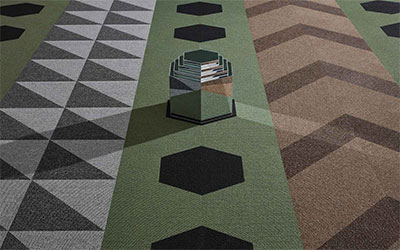
Tackifier adhesive, seam tape, trims and door profiles for a professional finish.
View Accessories →Showing all 6 results
-

Floornet Coastline Carpet Tiles – Bitumen Back
R365.00 m2 -
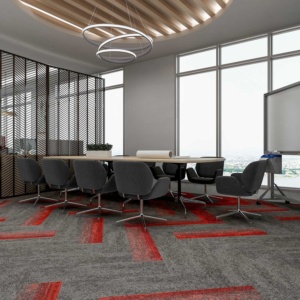
Floornet Gravity Carpet Tiles/Planks – Bitumen Back
R399.00 m2 -

Floornet Patch Campus Carpet Tiles – Bitumen Back
R581.00 m2 -

Floornet Florpoint – Needlepunch Plainback Carpet Tiles
R283.00 m2 -
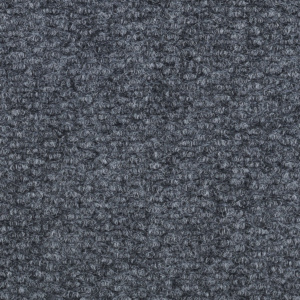
Floornet Powerpoint – Needlepunch Plainback Carpet Tiles
R261.00 m2 -
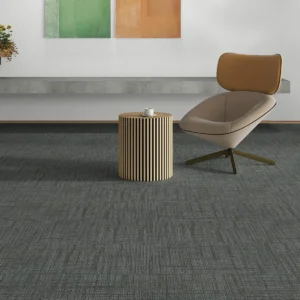
Floornet Blooms Carpet Tiles EcoAce-Bac
R480.00 per m2