



Bamboo Flooring frequently asked questions
Q - What is Bamboo flooring
Bamboo flooring is a type of flooring made from the bamboo plant, which is a fast-growing grass rather than a hardwood. Known for its durability, sustainability, and unique aesthetic, bamboo flooring has become a popular alternative to traditional hardwood floors.
Key Features of Bamboo Flooring
- Sustainable and Eco-Friendly: Bamboo grows quickly, reaching maturity in about 5-7 years, making it a renewable resource and an environmentally friendly option. Its rapid regrowth rate and minimal need for pesticides and fertilizers contribute to its sustainability.
- Durability: Certain types of bamboo flooring, especially strand-woven bamboo, are highly durable and even harder than many hardwoods like oak. Strand-woven bamboo flooring is especially resilient, making it a good choice for high-traffic areas.
- Types of Bamboo Flooring:
- Horizontal Bamboo: Made by layering bamboo strips horizontally, highlighting the natural bamboo nodes for a distinctive, knotted look.
- Vertical Bamboo: Bamboo strips are layered vertically, giving a more uniform, linear appearance.
- Strand-Woven Bamboo: This type is made by compressing shredded bamboo fibers with adhesives, creating a dense, highly durable flooring option. It’s the hardest type of bamboo flooring and provides excellent wear resistance.
- Engineered Bamboo: Composed of a bamboo veneer layer over a layered core (like plywood), engineered bamboo provides extra stability and is often suitable for more humid areas.
- Moisture Resistance: Bamboo has a natural moisture resistance that makes it more suitable for rooms like kitchens or basements than traditional hardwoods. While not fully waterproof, bamboo can withstand moderate moisture exposure better than many hardwoods.
- Range of Styles and Finishes: Available in various colors, from natural blondes to carbonized dark tones, bamboo flooring can suit both modern and traditional interiors. Carbonization (a heating process) darkens the bamboo, but it can slightly reduce hardness.
Installation Options
- Floating (Click-Lock): Many bamboo floors can be installed as floating floors, ideal for DIY projects.
- Glue-Down: Suitable for concrete subfloors or to achieve a more permanent installation.
- Nail-Down: Often used for solid bamboo flooring over wood subfloors.
Pros and Cons of Bamboo Flooring
Pros:
- Eco-friendly and renewable.
- Durable, especially strand-woven types.
- Stylish with a natural, unique look.
- Moisture-resistant.
Cons:
- Prone to warping in very humid or dry environments.
- Limited refinishing potential, especially for strand-woven or engineered bamboo.
- Not suitable for high-moisture areas like bathrooms.
Summary
Bamboo flooring is a versatile, sustainable, and durable flooring option that works well in various home settings. Its modern appearance, eco-friendly qualities, and resilience make it a great choice for those seeking an alternative to traditional hardwood.
Q - DIY Product - Is Bamboo flooring easy to install
Yes, bamboo flooring is generally easy to install, making it a suitable choice for DIY enthusiasts. Many bamboo flooring options are designed with DIY-friendly installation methods, such as click-lock floating floors or straightforward glue-down methods. Here’s a look at why bamboo flooring is easy to install and what you need to know:
1. Click-Lock Floating Installation
- Description: Many bamboo flooring products come with a click-lock mechanism that allows the planks to lock together without glue or nails. This is known as a floating floor, which means the flooring "floats" over the subfloor without being directly attached to it.
- Advantages: Click-lock installation is quick and easy, requiring minimal tools. It’s especially popular for DIY installations because it doesn’t require adhesives or special skills.
- Steps: Simply align the planks, click them into place, and lay them over an underlay. This underlay provides sound insulation and some moisture resistance, improving comfort and durability.
2. Glue-Down Installation
- Description: For a more permanent installation, bamboo flooring can be glued directly to the subfloor. This method is ideal for concrete subfloors or for areas where a stable, non-floating installation is desired.
- Advantages: Glue-down installations provide a secure fit and improve sound absorption. While it requires more preparation than floating floors, it’s still achievable for DIYers with proper guidance.
- Steps: Apply a bamboo-friendly adhesive to the subfloor, then carefully lay the planks, pressing them firmly into place.
3. Nail-Down Installation
- Description: Solid bamboo flooring can also be installed by nailing it down to a wood subfloor. This method is less common for DIY projects, as it requires more tools (like a flooring nailer) and some experience.
- Advantages: This method provides a stable, long-lasting installation, especially for high-traffic areas. However, it’s more labor-intensive and may be better suited to experienced DIYers.
4. Preparation Tips for DIY Bamboo Floor Installation
- Acclimate the Flooring: Let the bamboo flooring acclimate to the room for at least 48 hours before installation to allow it to adjust to the temperature and humidity, reducing the risk of expansion or contraction after installation.
- Prepare the Subfloor: Make sure the subfloor is clean, dry, and level. This ensures a smooth installation and prevents issues like warping or gaps.
- Use an Underlay for Floating Installations: For floating floors, use an appropriate underlay to provide moisture protection, sound insulation, and additional comfort.
Summary
Bamboo flooring is a DIY-friendly option, especially with click-lock floating installations. Glue-down and nail-down installations are also possible, though they require a bit more preparation and skill. With a few essential tools and proper subfloor preparation, bamboo flooring can be an accessible and rewarding DIY project that brings warmth and style to your home
Q - Is underlay required with Bamboo Flooring
Yes, underlay is generally recommended with bamboo flooring, depending on the installation method and subfloor type. Underlay can provide benefits such as moisture protection, sound insulation, and comfort, enhancing the performance and longevity of your bamboo floor. Here’s when and why underlay is required:
1. Floating Installation (Click-Lock)
- Underlay Required: For floating bamboo floors with a click-lock system, underlay is essential. Since the floor is not attached directly to the subfloor, underlay helps provide stability, sound insulation, and cushioning.
- Moisture Protection: If installing over concrete, a moisture-resistant underlay with a built-in vapor barrier is highly recommended to protect the bamboo from any residual moisture in the subfloor.
- Sound and Comfort: Underlay helps reduce noise from footsteps and adds a layer of comfort, making the floor feel softer underfoot.
2. Glue-Down Installation
- Underlay Typically Not Required: With glue-down installations, the flooring is bonded directly to the subfloor, so underlay is generally not needed. However, in areas with high humidity or moisture risk (like basements), a moisture barrier underlay may be advised to protect the bamboo.
- Moisture Barrier Option: For glue-down installations over concrete, a liquid moisture barrier or a roll-on membrane may be applied before the adhesive to prevent moisture from damaging the floor.
3. Nail-Down Installation
- Underlay Optional: For nail-down installations on wood subfloors, underlay is typically optional. However, a thin underlay (such as a paper or felt underlayment) can help reduce noise and provide a minor moisture barrier.
- Sound Reduction: If sound insulation is important, especially in multi-story buildings, an underlay can help minimize noise transfer.
Benefits of Underlay with Bamboo Flooring
- Moisture Protection: Prevents moisture from reaching the bamboo, which is crucial when installing over concrete.
- Sound Insulation: Reduces impact noise and sound transmission, improving acoustics in the room.
- Comfort and Cushioning: Adds a soft layer underfoot, which can make walking on the bamboo floor more comfortable.
- Thermal Insulation: Helps retain heat, making the floor feel warmer in cooler seasons.
Summary
- Floating Installation: Underlay is required, especially with a moisture barrier over concrete.
- Glue-Down Installation: Underlay is usually not needed, but a moisture barrier may be recommended over concrete.
- Nail-Down Installation: Underlay is optional but can provide sound insulation.
In most cases, underlay enhances the performance and durability of bamboo flooring, particularly for floating installations.
Q - Is Bamboo Flooring Water Proof, areas that it can be installed
Bamboo flooring is not waterproof, though it does offer better moisture resistance than many traditional hardwoods. While it can handle occasional spills and humidity, prolonged exposure to moisture can damage it, causing warping, swelling, or even mold growth over time. Therefore, bamboo flooring should be installed only in areas with moderate humidity and low exposure to water.
Areas Where Bamboo Flooring Can Be Installed
Living Rooms and Bedrooms
- Why: These rooms generally have stable humidity levels and low risk of water exposure, making them ideal for bamboo flooring.
- Benefits: Bamboo adds warmth and style and is durable enough for high-traffic areas.
Hallways and Entryways
- Why: Bamboo flooring is durable, particularly strand-woven bamboo, which is highly resistant to wear. Hallways and entryways see moderate traffic and limited water exposure, making bamboo suitable.
- Precautions: Place mats at entryways to catch dirt and moisture from shoes, as excessive water can damage the floor.
Home Offices and Studies
- Why: These spaces have low humidity and minimal moisture exposure, making bamboo a good fit for its stylish and durable nature.
Dining Rooms
- Why: Dining rooms generally do not experience direct water exposure, so bamboo flooring is suitable. However, it’s wise to clean up any spilled food or drinks immediately.
- Precautions: Use rugs under dining tables to catch accidental spills.
Kitchens (With Precautions)
- Why: Bamboo is more moisture-resistant than some hardwoods, so it can be installed in kitchens where moderate moisture exposure is expected.
- Precautions: Use rugs or mats near sinks and dishwashers, wipe up any spills immediately, and avoid excessive water exposure to prevent damage.
Areas Where Bamboo Flooring Should Not Be Installed
Bathrooms (Full Bathrooms)
- Why Not: Full bathrooms are high-moisture areas with frequent exposure to water from showers, baths, and sinks, which can cause bamboo to warp, swell, or develop mold.
- Alternative: Use waterproof materials like tile, vinyl, or stone for bathroom installations.
Laundry Rooms
- Why Not: Laundry rooms have a high risk of water leaks and humidity from washing machines and dryers. Excessive moisture can damage bamboo flooring and lead to warping or mildew.
- Alternative: Consider water-resistant or waterproof flooring options like tile, vinyl, or linoleum for laundry areas.
Basements (Below-Grade Areas Without Moisture Control)
- Why Not: Basements are more susceptible to high humidity and moisture seeping through the foundation, which can damage bamboo flooring. However, if the basement is well-sealed and has a consistent humidity level, engineered bamboo flooring with a proper moisture barrier may work.
- Alternative: Use waterproof or moisture-resistant materials like vinyl or sealed concrete for unfinished or moisture-prone basements.
Summary of Bamboo Flooring’s Water Resistance and Best Installation Areas
- Not Waterproof: Bamboo is more moisture-resistant than many hardwoods but can still be damaged by prolonged exposure to water.
- Suitable Areas: Living rooms, bedrooms, hallways, dining rooms, and kitchens (with care).
- Unsuitable Areas: Full bathrooms, laundry rooms, and below-grade basements without moisture control.
With proper care, bamboo flooring can perform well in areas with moderate moisture exposure, but it’s not recommended for wet or high-humidity areas.
Q - What is a floating floor and why expansions are needed for your Bamboo floating floor
A floating floor is a flooring installation method where the planks are not attached directly to the subfloor with nails or glue. Instead, the planks are connected to each other, usually through a click-lock mechanism or tongue-and-groove edges, allowing the entire floor to “float” above the subfloor. This installation style is popular for bamboo and other types of engineered flooring as it is relatively simple to install, cost-effective, and can be laid over various subfloors, including concrete, plywood, or existing flooring.
Why Expansion Gaps Are Necessary for Bamboo Floating Floors
Bamboo, like other natural materials, is prone to expansion and contraction in response to changes in temperature and humidity. To accommodate this natural movement and prevent potential damage, it is essential to leave an expansion gap around the perimeter of the room during installation. Expansion gaps allow the floor to expand and contract without pressing against walls or fixed objects, which could cause issues like buckling or warping.
Reasons for Expansion Gaps in Bamboo Floating Floors
Natural Expansion and Contraction: Bamboo flooring expands with increased humidity and contracts in drier conditions. An expansion gap allows this movement to occur freely without damaging the floor.
Prevention of Buckling and Warping: Without sufficient space, the planks may press against each other and the walls as they expand, which can cause the floor to lift or warp.
Seasonal Stability: Expansion gaps accommodate seasonal changes in humidity, ensuring that the bamboo floor remains stable and minimizes the risk of long-term structural issues.
Avoiding Noise: When bamboo flooring is too tightly installed, it may create pressure points that lead to creaking or squeaking sounds as the floor shifts.
How to Implement Expansion Gaps in Bamboo Floating Floors
- Standard Gap Size: Generally, it’s recommended to leave an expansion gap of 10-12 mm around the edges of the room, including at walls, doorways, and any fixed structures. Always follow the manufacturer’s specifications, as some manufacturers may have specific requirements for gap size.
- Use of Spacers: During installation, use spacers to maintain a consistent expansion gap as the floor is laid. These can be removed once installation is complete.
- Concealing the Gaps: After installation, the expansion gap is typically covered with baseboards, skirting, or quarter-round trim. This hides the gap while still allowing the floor to move freely.
Summary
A floating floor is an installation method that allows bamboo flooring to rest freely over the subfloor. Expansion gaps are essential for bamboo floating floors as they prevent buckling, warping, and other damage by allowing the bamboo to expand and contract naturally with changes in temperature and humidity. Following the manufacturer’s specifications for gap size and installation will help ensure a stable and long-lasting bamboo floor.
Q - Can Bamboo Floors be refinished
Yes, bamboo floors can be refinished, but the refinishing potential depends on the type of bamboo flooring and the thickness of its top layer. Here’s a closer look at how and when bamboo floors can be refinished:
1. Strand-Woven Bamboo
- Refinishing Potential: Strand-woven bamboo is the hardest and most durable type of bamboo flooring. It can generally be refinished at least once, provided it has a thick enough wear layer.
- Process: Refinishing strand-woven bamboo requires light sanding, as it is denser and more compact than traditional hardwood. It’s best to consult a professional because strand-woven bamboo can be challenging to sand due to its hardness.
2. Solid Bamboo (Horizontal and Vertical Grain)
- Refinishing Potential: Solid bamboo planks (typically horizontal or vertical grain) can often be refinished, depending on the thickness of the bamboo. If the top layer is thick enough, they may be able to handle light sanding and refinishing 1-2 times.
- Process: Light sanding can remove surface scratches and worn areas, followed by applying a new finish. However, avoid aggressive sanding, as bamboo does not have the same thickness as many hardwoods.
3. Engineered Bamboo Flooring
- Refinishing Potential: Engineered bamboo has a bamboo veneer on top of a layered core, and refinishing options depend on the thickness of the top bamboo layer. If the veneer is less than 2 mm, refinishing may not be possible.
- Process: If the veneer is thick enough (2 mm or more), it can be lightly sanded and refinished once. Most engineered bamboo floors, however, are best maintained through routine cleaning and touch-ups rather than full refinishing.
When to Refinish Bamboo Floors
Refinishing is ideal if your bamboo floor has light surface scratches, dullness, or wear in high-traffic areas. Major damage, deep scratches, or gouges might not be fully repairable through refinishing and may require plank replacement.
Alternatives to Full Refinishing
If your bamboo floor cannot be refinished, consider:
- Screening and Recoating: This process involves light buffing (without deep sanding) and applying a new coat of finish to refresh the floor’s appearance.
- Polishing and Touch-Ups: For minor scratches, floor polish or a touch-up kit can restore shine and conceal surface imperfections.
Summary
- Strand-Woven Bamboo: Can be refinished at least once, depending on thickness.
- Solid Bamboo: May be refinished 1-2 times with light sanding.
- Engineered Bamboo: Refinishing depends on veneer thickness; limited refinishing for thinner veneers.
Refinishing bamboo floors is possible with certain types and thicknesses, though it’s generally less flexible than solid hardwood in terms of refinishing potential
Q - How is Bamboo different from solid hardwood flooring
Bamboo and solid hardwood flooring are distinct in their composition, appearance, durability, and environmental impact. Here’s how they differ:
1. Material and Composition
- Bamboo: Bamboo is a type of fast-growing grass, not wood. It is processed into flooring by cutting it into strips, treating, and pressing the strips together to create solid planks. Alternatively, bamboo can be engineered, especially in strand-woven form, where fibers are compressed to create extremely durable planks.
- Solid Hardwood: Solid hardwood flooring is made from single pieces of hardwood, typically cut from slow-growing trees like oak, maple, or walnut. Each plank is a continuous piece of wood, giving it the traditional look and feel of wood flooring.
2. Environmental Impact and Sustainability
- Bamboo: Bamboo is highly renewable and eco-friendly, reaching maturity in just 5-7 years, compared to the decades it takes for hardwood trees. It’s often grown without pesticides or chemicals, making it an environmentally sustainable choice.
- Solid Hardwood: While hardwood flooring can be sourced sustainably, it requires much longer growth cycles and more resources. FSC (Forest Stewardship Council) certified wood indicates responsible sourcing, but hardwood still has a larger environmental footprint than bamboo.
3. Durability and Hardness
- Bamboo: Strand-woven bamboo is extremely hard and durable, often surpassing traditional hardwoods like oak in hardness, making it highly resistant to dents and wear. However, other types of bamboo, like horizontal or vertical grain, are softer and may be more prone to dents.
- Solid Hardwood: Hardness varies depending on the wood species. Woods like oak and maple are hard and durable, but softer hardwoods (like pine) may show dents and scratches more easily. Solid hardwood can withstand wear but may need refinishing over time, especially in high-traffic areas.
4. Moisture Resistance
- Bamboo: Bamboo is more moisture-resistant than many hardwoods, making it suitable for kitchens and basements if installed correctly. However, bamboo is not waterproof, and prolonged exposure to moisture can cause it to warp or swell.
- Solid Hardwood: Solid hardwood is sensitive to moisture and humidity changes, which can cause it to expand, contract, or warp over time. It’s generally not recommended for moisture-prone areas like basements, bathrooms, or kitchens.
5. Appearance and Style
- Bamboo: Bamboo flooring has a unique, modern look with a natural linear grain pattern. Different styles, such as horizontal, vertical, and strand-woven, offer a range of aesthetics. Strand-woven bamboo, in particular, resembles hardwood with a more textured, randomized grain.
- Solid Hardwood: Hardwood flooring offers a classic look with a wide variety of grains, colors, and species. Each wood species has its own distinct grain pattern and color, giving traditional hardwood a more diverse range of natural appearances.
6. Installation Methods
- Bamboo: Bamboo can be installed using floating, glue-down, or nail-down methods, depending on the type and construction. Floating bamboo flooring, especially with click-lock systems, is common in DIY projects and is versatile in its compatibility with various subfloors.
- Solid Hardwood: Typically nailed or stapled to a wood subfloor, solid hardwood requires a stable wooden subfloor and is not suitable for concrete. It often requires professional installation and is generally less DIY-friendly.
7. Refinishing Potential
- Bamboo: Strand-woven bamboo and some thicker bamboo types can be refinished, but refinishing options are limited by the type and thickness of the bamboo. Engineered bamboo cannot usually be sanded, but higher-quality solid bamboo may allow for refinishing.
- Solid Hardwood: Solid hardwood has a long lifespan with multiple refinishing opportunities, making it an ideal choice for areas with heavy wear. It can typically be sanded and refinished multiple times, extending its life significantly.
8. Cost
- Bamboo: Generally more affordable than many solid hardwoods, bamboo offers a high-end look with lower environmental impact and budget-friendly options. Strand-woven bamboo may be more expensive but is still competitive with hardwood pricing.
- Solid Hardwood: Solid hardwood is usually more expensive due to the cost of harvesting and processing. The price varies widely depending on the wood species, but it generally has a higher upfront cost than bamboo.
Summary of Differences
| Feature | Bamboo | Solid Hardwood |
|---|---|---|
| Material | Grass, processed and compressed | Single pieces of hardwood |
| Sustainability | Highly renewable, eco-friendly | Renewable but requires more resources |
| Durability | Strand-woven is very durable, harder than most hardwoods | Varies by species, durable but less resistant to dents in softer woods |
| Moisture Resistance | More moisture-resistant, but not waterproof | Sensitive to moisture, can warp/expand |
| Appearance | Unique, modern, with linear grain | Classic look, wide variety of grains |
| Installation | Floating, glue-down, or nail-down | Typically nailed or stapled to wood subfloor |
| Refinishing | Limited for most types, strand-woven can be refinished once | Multiple times over its lifespan |
| Cost | Generally more affordable | More expensive, varies by wood species |
In Summary
Bamboo is an eco-friendly, durable, and modern-looking alternative to solid hardwood that works well in many rooms. While it can handle moderate moisture and offers a unique appearance, it does have limitations in refinishing potential and durability in softer forms. Solid hardwood, on the other hand, provides a classic look with extensive refinishing potential but is more sensitive to moisture and generally more expensive.
Q - What is the difference between Bamboo Flooring and Engineered Hardwood
Bamboo flooring and engineered hardwood are both popular alternatives to traditional solid hardwood flooring, but they differ in material, construction, durability, environmental impact, and appearance. Here’s a breakdown of the main differences between the two:
1. Material and Composition
- Bamboo Flooring: Made from bamboo, a fast-growing grass rather than a tree. Bamboo is processed into flooring by cutting it into strips, treating it, and pressing it together to form planks. There are different types, including:
- Solid Bamboo: Made from bamboo strips layered horizontally or vertically.
- Strand-Woven Bamboo: Made by compressing bamboo fibers into a dense, highly durable plank.
- Engineered Hardwood: Composed of a thin layer of real hardwood (veneer) on top of a core made from multiple layers of plywood or high-density fiberboard (HDF). This layered construction makes it more stable than solid wood, helping it resist expansion and contraction.
2. Appearance and Style Options
- Bamboo Flooring: Bamboo has a distinctive, modern look with a linear grain pattern. Different construction types (horizontal, vertical, or strand-woven) create unique appearances. Strand-woven bamboo has a randomized, wood-like grain that resembles traditional hardwood.
- Engineered Hardwood: Offers the look of real hardwood because the top layer is genuine wood, allowing for a wide variety of wood species (oak, maple, walnut, etc.), grains, colors, and finishes. Engineered hardwood can mimic traditional hardwood more closely than bamboo can.
3. Durability and Hardness
- Bamboo Flooring: Strand-woven bamboo is particularly hard and durable, often harder than many hardwood species, making it suitable for high-traffic areas. However, horizontal and vertical bamboo are softer and more prone to dents and scratches.
- Engineered Hardwood: Durability varies based on the wood species of the veneer and the finish applied. While engineered hardwood is durable, it’s generally less resistant to dents and scratches than strand-woven bamboo, especially in softer wood species like pine or cherry.
4. Moisture Resistance and Stability
- Bamboo Flooring: Bamboo has natural moisture resistance, especially strand-woven bamboo, making it slightly more moisture-resistant than many hardwoods. However, it’s still not waterproof and can warp or swell with prolonged exposure to moisture.
- Engineered Hardwood: More dimensionally stable than bamboo or solid hardwood due to its layered construction, which minimizes expansion and contraction. It performs well in areas with moderate humidity and temperature changes, such as basements and rooms with radiant heating, although it’s still not suitable for areas with high moisture.
5. Environmental Impact
- Bamboo Flooring: Bamboo is highly renewable, reaching maturity in 5-7 years, compared to the decades it takes hardwood trees to mature. Bamboo production has a lower environmental impact, making it an eco-friendly choice.
- Engineered Hardwood: More eco-friendly than solid hardwood, as it uses a thin layer of hardwood, reducing the demand for full tree harvesting. Many engineered hardwood products are certified by organizations like FSC, indicating responsible forestry practices.
6. Refinishing Potential
- Bamboo Flooring: Refinishing options depend on the type. Strand-woven bamboo can usually be refinished at least once, but traditional bamboo and engineered bamboo flooring with thin wear layers may not be refinishable. Thicker bamboo planks can sometimes handle light refinishing.
- Engineered Hardwood: Can be refinished if the top veneer is thick enough (typically 2 mm or more). Higher-quality engineered hardwood with a thick veneer layer can be refinished 1-2 times, extending its life, but it has less refinishing potential than solid hardwood.
7. Cost
- Bamboo Flooring: Generally more affordable than engineered hardwood, though prices can vary based on type (strand-woven bamboo is usually more expensive than horizontal or vertical bamboo).
- Engineered Hardwood: Costs more than most bamboo options, as it uses a layer of real hardwood and involves a more complex manufacturing process. Prices vary depending on wood species, veneer thickness, and finish quality.
8. Installation Methods
- Bamboo Flooring: Available in floating (click-lock), glue-down, or nail-down installation options. Floating bamboo floors are popular for DIY installations, as they are easy to install over various subfloors.
- Engineered Hardwood: Offers similar flexibility with floating, glue-down, and nail-down options. It’s highly versatile and can be installed over different types of subfloors, including concrete and radiant heating systems, making it ideal for a wide range of installation scenarios.
Summary of Differences
| Feature | Bamboo Flooring | Engineered Hardwood |
|---|---|---|
| Material | Processed bamboo (grass) | Real hardwood veneer over plywood/HDF core |
| Appearance | Unique linear grain, modern look | Authentic wood grain, wide variety of species |
| Durability | Strand-woven is very durable, harder than most hardwoods; horizontal/vertical softer | Depends on wood species and finish |
| Moisture Resistance | Moderate moisture resistance | High stability, moisture-resistant core |
| Eco-Friendliness | Highly renewable, low environmental impact | Uses less hardwood, often sustainably sourced |
| Refinishing | Limited; strand-woven can be refinished once | Can be refinished 1-2 times if veneer is thick |
| Cost | Generally more affordable | More expensive, varies with species and quality |
| Installation | Floating, glue-down, or nail-down | Floating, glue-down, or nail-down |
In Summary
Bamboo flooring is an eco-friendly, affordable choice with a unique look and excellent durability in strand-woven form, but it has limited refinishing potential and moderate moisture resistance. Engineered hardwood, on the other hand, provides the authentic beauty of hardwood with added stability, better moisture tolerance, and the option to refinish if it has a thick veneer, making it a flexible choice for more rooms in the home. Both options are versatile, with multiple installation methods, but your choice may depend on budget, style preference, and the specific room’s needs
Q - What is the difference between Bamboo Floors and Laminated Flooring
Bamboo floors and laminate flooring are both popular alternatives to traditional hardwood, but they differ significantly in material, appearance, durability, and environmental impact. Here’s how they compare:
1. Material and Composition
- Bamboo Floors: Made from bamboo, a fast-growing grass that’s processed into flooring by cutting it into strips, treating, and pressing them together. Bamboo flooring types include:
- Strand-Woven Bamboo: Highly durable, made by compressing bamboo fibers into dense planks.
- Solid Bamboo: Created from stacked bamboo strips, either horizontally or vertically, resulting in a natural bamboo grain.
- Laminate Flooring: Composed of multiple layers, with a core made of high-density fiberboard (HDF) and a top photographic layer that mimics the look of wood, stone, or tile. The top layer is protected by a clear, wear-resistant coating, giving laminate its durability.
2. Appearance and Style Options
- Bamboo Floors: Bamboo has a unique, natural look with either a horizontal, vertical, or randomized wood-like grain in strand-woven types. It provides a warm, modern aesthetic.
- Laminate Flooring: Comes in a wide variety of designs, patterns, and colors. The photographic layer allows it to mimic the look of different wood species, stone, or tile, offering more options in appearance but lacking the true feel of natural materials.
3. Durability and Scratch Resistance
- Bamboo Floors: Strand-woven bamboo is highly durable, often harder than many hardwoods and resistant to dents and scratches. However, horizontal and vertical bamboo are softer and more prone to scratches and dents.
- Laminate Flooring: Known for its scratch and dent resistance, laminate flooring’s protective top layer makes it very durable and suitable for high-traffic areas. However, it’s generally less durable than strand-woven bamboo in terms of impact resistance.
4. Moisture Resistance
- Bamboo Floors: Bamboo has moderate moisture resistance and performs better than many hardwoods in slightly humid areas, but it is not waterproof. Prolonged exposure to moisture can cause warping or swelling.
- Laminate Flooring: Laminate can handle low to moderate moisture, but it is also not waterproof. Water can seep through the seams, damaging the core and causing swelling. Some waterproof laminate options exist but still aren’t ideal for areas with high moisture, like full bathrooms.
5. Environmental Impact
- Bamboo Floors: Considered eco-friendly due to bamboo’s rapid growth (it reaches maturity in 5-7 years), making it a sustainable, renewable resource with a lower environmental impact.
- Laminate Flooring: Laminate is made primarily from synthetic materials and compressed wood fibers, making it less eco-friendly. Some laminate products are certified low-emission, but the production process still requires more resources and creates more waste than bamboo.
6. Refinishing Potential
- Bamboo Floors: Some bamboo floors, particularly strand-woven bamboo, can be refinished once or twice, depending on their thickness. Engineered bamboo with a thin veneer cannot typically be refinished.
- Laminate Flooring: Laminate cannot be refinished due to its photographic surface layer. Once damaged or worn, it must be replaced.
7. Installation
- Bamboo Floors: Available in floating (click-lock), glue-down, or nail-down options. Floating installations are popular for DIYers, while glue-down and nail-down options provide a more permanent installation.
- Laminate Flooring: Laminate is typically installed as a floating floor with a click-lock mechanism, making it a highly DIY-friendly option that doesn’t require glue or nails. It can be installed over various subfloors with an underlay.
8. Cost
- Bamboo Floors: Generally mid-range in price, with strand-woven bamboo being more expensive than horizontal or vertical bamboo. It provides good value, especially considering its sustainability and durability.
- Laminate Flooring: Typically more affordable than bamboo, laminate offers budget-friendly options with a high-end look, though it lacks the natural qualities of bamboo.
Summary of Differences
| Feature | Bamboo Flooring | Laminate Flooring |
|---|---|---|
| Material | Natural bamboo (grass) | HDF core with synthetic, photographic top layer |
| Appearance | Unique bamboo grain, natural look | Wide variety of designs, mimics wood, stone, tile |
| Durability | Highly durable, especially strand-woven | Scratch-resistant but less impact-resistant |
| Moisture Resistance | Moderate moisture resistance | Low to moderate, some waterproof options |
| Eco-Friendliness | Sustainable, renewable | Less eco-friendly, synthetic materials |
| Refinishing | Limited; strand-woven can be refinished once | Cannot be refinished |
| Installation | Floating, glue-down, or nail-down | Floating, click-lock, DIY-friendly |
| Cost | Mid-range, sustainable choice | More affordable, budget-friendly |
In Summary
Bamboo flooring is a more natural, sustainable choice with excellent durability in strand-woven form and moderate moisture resistance. It can be refinished and has a unique aesthetic but is generally more expensive than laminate. Laminate flooring, on the other hand, is synthetic, highly scratch-resistant, and affordable, with many design options to mimic natural materials, though it cannot be refinished or repaired like bamboo. Your choice may depend on budget, environmental priorities, durability needs, and desired look.
Q - Do I need to acclimatise Bamboo Flooring before installation
Yes, it is essential to acclimatize bamboo flooring before installation. Acclimatizing allows the bamboo planks to adjust to the temperature and humidity of the room, helping to prevent expansion or contraction after installation. Bamboo, like other natural materials, can be sensitive to changes in climate, so this step is crucial for a stable installation.
How to Acclimatize Bamboo Flooring
Place the Boxes in the Room: Bring the bamboo flooring into the room where it will be installed and leave it in its unopened boxes. Lay the boxes flat, stacking them in a single layer if possible to allow air circulation around all sides.
Acclimatization Time: Leave the flooring in the room for at least 48 to 72 hours before installation. However, always follow the manufacturer’s specifications for the recommended acclimation period, as some manufacturers may advise a longer or shorter period based on the product.
Room Conditions: Maintain a stable environment in the room during acclimatization. Ideal conditions are typically a temperature between 18-24°C and a relative humidity level between 40-60%. Use a humidifier or dehumidifier if needed to stabilize humidity within this range.
Monitor Conditions: Use a hygrometer to monitor the room’s humidity and make sure it is within the recommended range. Some manufacturers may provide specific humidity levels for acclimatization, so always follow these guidelines for best results.
Why Acclimatizing Bamboo Flooring is Important
- Prevents Expansion or Contraction: Acclimatizing ensures the bamboo adjusts to the room’s humidity and temperature, minimizing the risk of gaps, buckling, or warping after installation.
- Stabilizes the Floor: By allowing the bamboo to reach equilibrium with the room’s climate, acclimatization promotes a stable, long-lasting installation.
- Adheres to Warranty Requirements: Many manufacturers require acclimatization as part of their warranty conditions. Skipping this step may void the warranty, so it’s important to follow manufacturer specifications.
Summary
Acclimatizing bamboo flooring is necessary to ensure a stable and durable installation. Leave the flooring in the room for at least 48-72 hours, or as directed by the manufacturer’s specifications, in a controlled environment with recommended temperature and humidity levels. Following these guidelines will help prevent future issues with the flooring and maintain warranty coverage.
Q - What is the different installation methods for Bamboo flooring
Bamboo flooring can be installed using several different methods, each with its own advantages depending on the type of bamboo flooring, the subfloor, and the specific room conditions. Here are the primary installation methods for bamboo flooring:
1. Floating (Click-Lock) Installation
- Description: Floating bamboo flooring uses a click-lock system that allows the planks to snap together without nails or glue, making the floor “float” above the subfloor.
- Best For: DIY projects, as it’s straightforward and doesn’t require adhesives or specialized tools.
- Compatible Subfloors: Can be installed over concrete, plywood, and even existing floors if they’re clean, dry, and level.
- Underlay Required: Use an underlay for sound insulation, moisture resistance, and added comfort, especially on concrete subfloors.
- Advantages:
- Quick and easy to install.
- Ideal for rooms where a permanent attachment to the subfloor isn’t needed.
- Allows for expansion and contraction, which is beneficial in areas with seasonal humidity changes.
2. Glue-Down Installation
- Description: In this method, bamboo planks are glued directly to the subfloor using a high-quality adhesive specifically designed for wood or bamboo floors.
- Best For: Concrete subfloors, as it creates a strong bond and provides stability.
- Compatible Subfloors: Works well on concrete and plywood, but ensure the subfloor is clean, dry, and level before applying the adhesive.
- Moisture Barrier: A moisture barrier or sealant is often recommended when installing over concrete to protect the bamboo from potential moisture.
- Advantages:
- Provides a permanent and stable installation.
- Suitable for high-traffic areas, as it prevents shifting.
- Reduces hollow sound compared to floating floors.
3. Nail-Down Installation
- Description: In nail-down installations, bamboo planks are secured to the subfloor using nails or staples. A nail gun is typically used for this method.
- Best For: Plywood subfloors or wooden subfloors, particularly in rooms where a permanent installation is desired.
- Compatible Subfloors: Plywood or wood; this method is not recommended for concrete subfloors.
- Moisture Barrier: A moisture barrier or felt paper underlayment is recommended to help reduce noise and protect against moisture.
- Advantages:
- Creates a strong, durable attachment to the subfloor.
- Provides excellent sound insulation, minimizing noise.
- Ideal for multi-story homes, as it reduces sound transmission between floors.
4. Staple-Down Installation
- Description: Similar to the nail-down method, the staple-down method uses staples instead of nails to secure the planks to the subfloor.
- Best For: Similar to nail-down, it’s best for plywood or wooden subfloors.
- Compatible Subfloors: Plywood or wood.
- Moisture Barrier: A moisture barrier is recommended to protect the bamboo from any subfloor moisture.
- Advantages:
- Easier to perform than nail-down for some DIY installers.
- Provides a strong bond to the subfloor.
- Works well in high-traffic areas or multi-story installations for noise reduction.
5. Hybrid Installation (Glue and Nail)
- Description: This method combines glue-down and nail-down techniques, applying adhesive to the subfloor and then nailing or stapling the planks for added stability.
- Best For: High-traffic or commercial spaces where extra stability and durability are needed.
- Compatible Subfloors: Works well on plywood or wood subfloors.
- Advantages:
- Extremely durable and stable, reducing movement in high-traffic areas.
- Provides a solid, permanent attachment with minimal risk of shifting.
- Ideal for large spaces where floor movement could be an issue.
Choosing the Right Installation Method
- Type of Subfloor: Concrete subfloors are best suited for glue-down or floating installations, while plywood or wood subfloors can use any of the methods, depending on the desired stability and permanence.
- Room Conditions: For rooms with moderate humidity, floating installations allow for expansion and contraction, while glue-down or nail-down installations are better for rooms where stability is key.
- Installation Experience: Floating and glue-down methods are more DIY-friendly, while nail-down and staple-down may require professional tools and experience.
Summary of Installation Methods
- Floating (Click-Lock): Quick, easy, suitable for various subfloors, and ideal for DIY.
- Glue-Down: Permanent, stable, best for concrete subfloors, and good for high-traffic areas.
- Nail-Down: Durable and permanent, best for wooden subfloors, reduces noise.
- Staple-Down: Similar to nail-down, uses staples for easier DIY installation.
- Hybrid (Glue and Nail): High-stability installation for commercial or high-traffic areas, very durable.
Each method offers unique advantages, so choose based on your specific needs, subfloor type, and installation experience. Always follow the manufacturer’s specifications for the best results and to ensure the longevity of your bamboo floor.
Q - Do Bamboo Flooring planks need to be staggered installed
Yes, bamboo flooring planks should be staggered during installation. Staggering the planks creates a more visually appealing, balanced look and enhances the stability and durability of the floor. Here’s why staggering is essential and how to do it:
Why Staggering is Important for Bamboo Flooring
- Structural Stability: Staggering the planks helps distribute weight evenly across the floor, reducing the risk of planks shifting or separating. When joints in adjacent rows are too close, it creates weak points that can lead to instability or even buckling.
- Aesthetic Appeal: A staggered pattern creates a more natural, seamless look, similar to traditional hardwood installations. It avoids creating a repetitive, “lined up” appearance, which can be visually distracting.
- Minimizes Gaps and Warping: By staggering planks, you minimize the risk of alignment issues and gaps between planks. This is particularly helpful for bamboo flooring, as it may expand or contract slightly in response to humidity changes.
- Reduces Waste: Staggering allows you to use cut-off pieces from one row to start another, which helps reduce waste and maximize the use of each plank.
How to Stagger Bamboo Flooring Planks
- Start with Different Lengths: Begin each row with a plank of a different length. Typically, a minimum stagger of 6-8 inches (150-200 mm) between end joints in adjacent rows is recommended. Always follow the manufacturer’s specifications for the required stagger distance.
- Use Cut-Offs: Use leftover pieces from one row to start the next, provided they are long enough to meet the stagger requirements. This approach reduces waste and maintains a natural look.
- Randomize the Pattern: Avoid creating any discernible pattern by randomizing the lengths of planks. This will make the floor look more organic and balanced.
- Check Alignment Regularly: Ensure that joints do not align in a straight line across three or more rows, as this can compromise stability. Adjust as needed to maintain a consistent stagger.
Summary
Bamboo flooring planks need to be staggered during installation for better structural stability, a balanced look, and reduced risk of gaps or warping. Aim for a stagger of 6-8 inches (150-200 mm) between plank ends, and follow the manufacturer's specifications for the best results. Staggering also allows for efficient use of materials, reducing waste.
Q - Can Bamboo Flooring be installed over underfloor heating
Yes, bamboo flooring can be installed over underfloor heating systems, but there are important guidelines to follow to ensure stability, longevity, and safety. Bamboo is a natural material that reacts to temperature changes, so proper preparation and installation are essential to prevent damage.
Key Considerations for Installing Bamboo Flooring Over Underfloor Heating
Type of Bamboo Flooring
- Strand-Woven and Engineered Bamboo: These types of bamboo are generally more stable and compatible with underfloor heating. Strand-woven bamboo is particularly dense and resistant to temperature fluctuations, while engineered bamboo has a layered construction that adds stability.
- Solid Bamboo: Solid bamboo can be used with underfloor heating, but it may be more prone to expansion and contraction. Consult the manufacturer to ensure the specific product is suitable for heated floors.
Heating System Compatibility
- Hydronic (Water-Based) Systems: These systems are generally preferred for bamboo flooring because they heat gradually and evenly, reducing the risk of sudden temperature changes that could cause expansion or warping.
- Electric (Cable-Based) Systems: Electric underfloor heating systems can also work with bamboo, but they typically heat up faster. It’s essential to monitor and control the temperature closely to avoid overheating the bamboo.
Temperature Control
- Maximum Surface Temperature: The surface temperature of the bamboo flooring should not exceed 27°C (80°F) to prevent damage. Higher temperatures can cause the bamboo to dry out, warp, or crack.
- Gradual Temperature Changes: Increase and decrease the temperature slowly when turning the heating system on or off. Rapid changes can stress the bamboo, leading to expansion or contraction issues.
Acclimatization
- Acclimate the Flooring: Allow the bamboo flooring to acclimate to the room’s temperature and humidity for at least 48-72 hours before installation. Follow manufacturer specifications for acclimatization, as some products may require a longer period to adjust to the heated environment.
- Room Conditions During Acclimatization: Keep the heating system set at normal operating temperature during acclimatization to help the bamboo adjust to the specific environment.
Installation Method
- Floating Installation: Floating bamboo floors are commonly used with underfloor heating, as the floating method allows the floor to expand and contract naturally with temperature changes. Ensure you use an underlay that is specifically designed for use with heated floors.
- Glue-Down Installation: If you opt for a glue-down installation, use an adhesive that is suitable for use with underfloor heating. This method provides good contact with the subfloor, which can improve heat transfer.
- Nail-Down Installation: This method is not recommended over underfloor heating, as it can restrict the natural movement of the bamboo and may reduce heating efficiency.
Moisture Barrier
- Use an Appropriate Underlay: When using a floating installation, select an underlay designed for heated floors, which allows efficient heat transfer while protecting against moisture.
- Moisture Barrier Over Concrete: If installing over a concrete subfloor, use a moisture barrier or sealant to prevent moisture from reaching the bamboo, which could lead to warping.
Summary of Best Practices
- Choose the Right Bamboo: Strand-woven or engineered bamboo is ideal for underfloor heating.
- Control Temperature Carefully: Keep the surface temperature below 27°C (80°F) and adjust gradually.
- Acclimatize Properly: Allow the bamboo to adjust to room conditions before installation.
- Use Suitable Installation Methods: Floating and glue-down methods work best for heated floors.
- Follow Manufacturer Specifications: Always follow the manufacturer’s guidelines for installation with underfloor heating to maintain warranty coverage and floor integrity.
With proper installation and temperature management, bamboo flooring can perform well over underfloor heating, providing warmth, comfort, and durability.
Q - Why do I need to order 10% extra Bamboo flooring for wastage
When ordering bamboo flooring, it’s recommended to purchase about 10% extra to account for wastage during installation. This additional material covers several factors that can arise in the installation process:
1. Cutting and Trimming
- Fitting the Floor: During installation, planks need to be cut and trimmed to fit around walls, corners, and other obstacles. This trimming leads to leftover pieces that may not be reusable, particularly in complex layouts.
- End-of-Row Cuts: At the end of each row, a plank may need to be cut to fit the remaining space, resulting in leftover material that may not fit anywhere else in the room.
2. Pattern Staggering
- Staggered Joints: To create a stable and visually balanced floor, planks are staggered, meaning their end joints do not align in adjacent rows. Staggering requires using different plank lengths, often leading to more cuts and, subsequently, more waste.
3. Color and Grain Matching
- Consistent Appearance: Bamboo is a natural material, and planks may have slight variations in color or grain. The extra flooring allows you to select and match planks for a more consistent appearance across the floor, enhancing the overall look.
4. Damaged or Defective Planks
- Handling and Installation: Some planks may arrive with minor defects, or they might be damaged during handling and installation. Having extra material on hand allows you to replace any planks that may not meet your standards or get damaged during the process.
5. Future Repairs and Replacements
- Long-Term Maintenance: Having extra flooring available is useful for future repairs. If a plank becomes damaged down the line, you’ll have matching material to replace it without needing to find the exact style, color, and finish years later (which may not be readily available).
Summary
Ordering 10% extra bamboo flooring allows for:
- Cutting and trimming needs,
- Staggering patterns for stability,
- Color and grain matching,
- Replacement of damaged planks,
- Future repairs.
This buffer ensures a smoother installation process and helps maintain a consistent look across your floor.
Q - What is the best direction to install my Bamboo Flooring in
The best direction to install bamboo flooring depends on factors like the room’s layout, natural light, structural elements, and personal preference. Here are some guidelines to help you decide:
1. Parallel to the Longest Wall
- Common Approach: Installing bamboo flooring parallel to the longest wall in the room is a common practice, as it creates a sense of length and continuity, making the space feel larger.
- Best For: Long, narrow rooms like hallways, entryways, or rectangular rooms. This direction emphasizes the room's length, giving it an open, flowing look.
2. In the Direction of Natural Light
- Following the Light Source: Installing planks in the direction of the primary natural light source (such as windows) helps minimize the appearance of seams and joints. The light enhances the smoothness of the floor, giving it a unified look.
- Best For: Rooms with large windows or significant natural light, like living rooms, to create an even and bright appearance.
3. Across Floor Joists
- Structural Stability: If you’re installing bamboo flooring over a wooden subfloor, it’s best to lay the planks perpendicular to the floor joists. This direction adds structural stability, preventing the floor from sagging or shifting over time.
- Best For: Second floors or rooms where added stability is needed due to a wooden subfloor. Always confirm the joist direction before installing.
4. Room Flow and Design Aesthetics
- Visual Flow: For open-concept spaces, installing bamboo flooring in the same direction throughout the space can create a cohesive look, allowing for a smooth visual flow from one area to the next.
- Best For: Open floor plans or connected rooms to give the home a unified feel.
5. Diagonal Installation
- Adds Visual Interest: A diagonal installation (at a 45-degree angle to the walls) creates a unique, dynamic look that makes the room appear larger and more visually interesting.
- Best For: Square rooms or rooms where you want to add a design statement. Diagonal installations can be more labor-intensive and may require extra material for cuts.
6. Personal Preference and Design Style
- Aesthetic Choice: Ultimately, the direction is a matter of personal preference and style. Choose a direction that suits your taste and complements the room’s design.
Summary of Direction Choices
- Parallel to Longest Wall: Adds length, ideal for narrow rooms.
- In the Direction of Light: Enhances smoothness and brightness, ideal for rooms with natural light.
- Across Floor Joists: Adds stability on wooden subfloors.
- Continuous Flow in Open Spaces: Creates cohesion in open-concept layouts.
- Diagonal Installation: Adds design interest, ideal for statement spaces.
Final Recommendation
In most cases, laying bamboo flooring parallel to the longest wall or in the direction of natural light creates a visually pleasing and balanced look. However, consider the specific room layout and structure, and always follow manufacturer guidelines for optimal performance and appearance.
Q - Different floor profiles for Bamboo Flooring - Expansion Transition Adjustment Reducers and End Profiles
These profiles help cover expansion gaps, manage height differences between flooring types, and provide a polished finish where flooring meets other surfaces. Options are available in both bamboo and aluminum for a tailored look.
1. Transition/Expansion Profiles (T-Molding)
- Purpose: Transition or expansion profiles, often called T-molding, are used to bridge expansion gaps where bamboo flooring meets other flooring types of similar height (e.g., bamboo to tile or laminate) or at doorways between rooms. These profiles allow for natural movement and contraction while creating a smooth connection between flooring sections.
- Material Options:
- Bamboo Transition Profiles: Matches the bamboo flooring, providing a seamless, cohesive look across different areas.
- Aluminum Transition Profiles: Aluminum profiles offer durability and a modern look, often available in powder-coated or wood-wrapped finishes to complement the bamboo flooring.
2. Adjustment (Reducer) Profiles
- Purpose: Reducer profiles are designed to transition between bamboo flooring and a lower-height flooring type, such as vinyl or carpet. They create a gentle slope, minimizing tripping hazards and providing a smooth finish where different floor heights meet.
- Material Options:
- Bamboo Reducer Profiles: Made from bamboo to match the natural look of the floor, maintaining a uniform appearance throughout the space.
- Aluminum Reducer Profiles: Durable and ideal for high-traffic areas, aluminum reducers are available in powder-coated or wood-wrapped finishes to coordinate with the bamboo flooring, adding a modern touch.
3. End Profiles (End Cap or Square Edge)
- Purpose: End profiles are used to finish the edge of bamboo flooring where it meets a wall, sliding door, or other fixed edge. These profiles provide a clean, finished look without requiring additional trim.
- Material Options:
- Bamboo End Profiles: Natural bamboo end caps provide a cohesive, seamless appearance, ideal for residential applications.
- Aluminum End Profiles: Aluminum end caps add durability for high-traffic or commercial spaces. They’re available in powder-coated or wood-wrapped finishes, allowing them to complement the bamboo flooring color and style.
4. Stair Nosing Profiles
- Purpose: Stair nosing is used to finish the edges of steps where bamboo flooring continues over stair treads. This profile adds safety and durability to the edge of each step, protecting the edges from wear.
- Material Options:
- Bamboo Stair Nosing: Matches the bamboo flooring for a consistent, natural look on staircases.
- Aluminum Stair Nosing: Aluminum nosing is a durable option, ideal for high-traffic areas. Powder-coated or wood-wrapped aluminum nosing adds longevity and style to commercial spaces or homes with frequent use.
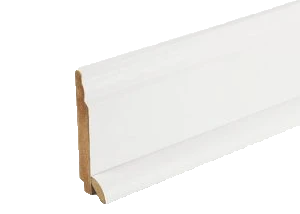
5. Baseboard and Skirting Profiles
- Purpose: Baseboards and skirting profiles cover the expansion gap around the perimeter of the room, providing a clean transition between the floor and walls.
- Material Options:
- Bamboo Skirting: Offers a natural finish that blends with the bamboo floor, creating a unified look along the room’s edges.
- Aluminum Skirting: Aluminum skirting is durable and ideal for modern aesthetics. Powder-coated finishes allow aluminum skirting to match the bamboo floor color, creating a contemporary look with added durability.
Summary of Bamboo Flooring Profiles
| Profile Type | Purpose | Bamboo Profile | Aluminum Profile |
|---|---|---|---|
| Transition/Expansion Profile (T-Molding) | Covers expansion gaps and transitions between similar-height floors | Seamless look with bamboo | Durable, powder-coated or wood-wrapped |
| Adjustment (Reducer) Profile | Transitions to lower floors | Matches bamboo flooring | Durable, ideal for high-traffic areas, various finishes |
| End Profile | Finishes edges against walls or thresholds | Cohesive finish with bamboo | Strong, powder-coated or wood-wrapped |
| Stair Nosing | Finishes stair edges | Natural, seamless look | Durable, suitable for high-traffic stairs |
| Baseboard/Skirting | Covers perimeter expansion gap | Consistent look with bamboo | Modern, powder-coated for added durability |
Final Recommendation
Both bamboo and aluminum profiles offer practical and aesthetic advantages. Bamboo profiles provide a natural, unified appearance that is ideal for home installations, while aluminum profiles (especially powder-coated or wood-wrapped options) bring added durability and a modern look, which is ideal for commercial or high-traffic areas. Choose based on your space’s design, durability needs, and personal style preferences.
Q - How do I get the shine of my Bamboo floor to increase
To increase the shine of your bamboo floor and restore its original luster, follow these maintenance and care steps. Be mindful that not all bamboo floors are compatible with polishing, particularly some prefinished varieties. Always follow the bamboo manufacturer’s guidelines for the best care approach.
1. Regular Cleaning Routine
- Dust and Sweep Daily: Use a soft-bristle broom or microfiber dust mop to remove dust and dirt particles, which can dull the floor’s shine over time.
- Vacuum Weekly: Use a vacuum with a hardwood floor attachment (without a beater bar) to reach corners and remove any hidden dirt.
2. Use a Damp Mop with a pH-Neutral Cleaner
- Choose a Bamboo-Friendly Cleaner: Select a pH-neutral, non-abrasive cleaner specifically formulated for hardwood or bamboo flooring. Avoid acidic or harsh cleaners, as they can strip the finish and dull the floor.
- Damp Mop Method: Lightly dampen a microfiber mop with the cleaner and mop along the grain of the bamboo. Avoid soaking the mop, as excess water can damage the floor. After mopping, dry any remaining moisture with a clean, dry cloth to prevent streaking.
3. Polish Periodically (If Compatible)
- Use a Bamboo Floor Polish: For added shine, use a polish specifically designed for bamboo or hardwood floors. These polishes can fill minor scratches and restore shine to dull areas.
- Check Compatibility: Certain prefinished bamboo floors may not be suitable for polishing, as the polish could affect their finish. Always refer to the manufacturer’s guidelines to ensure polish compatibility.
- Polishing Frequency: If suitable, apply polish every 2-3 months, or as recommended by the polish manufacturer. Follow application instructions carefully, as overuse can lead to product buildup.
- Buff the Floor: After applying polish, buff the floor with a soft, dry cloth or a buffer to enhance the shine.
4. Avoid Wax and Oil-Based Products
- Skip Wax and Oils: Wax and oil-based cleaners can leave a sticky residue on bamboo floors, making them appear dull or cloudy over time. Stick with bamboo-specific polishes for the best results.
5. Protect the Floor from Scratches
- Use Area Rugs and Mats: Place mats at entryways and rugs in high-traffic areas to reduce dirt and wear.
- Furniture Pads: Attach felt pads under furniture legs to prevent scratches, which can dull the floor’s surface.
- Trim Pet Nails: Keep pets' nails trimmed to avoid scratching.
6. Control Indoor Humidity Levels
- Maintain Stable Humidity: Bamboo can react to humidity changes, which may affect its surface over time. Keeping indoor humidity levels between 40-60% can help maintain the floor’s finish and prevent dulling or warping.
7. Resanding and Sealing (For Long-Term Shine and Durability)
- Resanding: Over time, bamboo floors can become dull due to surface wear, especially in high-traffic areas. Strand-woven bamboo or thick, solid bamboo floors can often be sanded and refinished once or twice, depending on their thickness and condition.
- Sealing: After sanding, apply a high-quality sealant or finish specifically designed for bamboo to restore shine and protect the floor. This process can revive the floor’s appearance, smooth out any scratches, and increase its durability.
Summary
To increase the shine of your bamboo floor:
- Clean regularly with a soft mop and pH-neutral cleaner.
- Use bamboo-compatible polish if recommended by the manufacturer, and buff for added shine.
- Avoid waxes and oil-based products, as they can dull the finish.
- Protect against scratches with furniture pads and rugs.
- Maintain indoor humidity to preserve the finish.
- For lasting shine, consider resanding and sealing if the floor is compatible, which can rejuvenate the appearance and protect it long-term.
By following these steps and the manufacturer’s guidelines, your bamboo floor can maintain its natural shine and look beautiful for years to come.
Q - Can I install Bamboo Floors over carpets
No, bamboo flooring should not be installed directly over carpet. Carpet provides an unstable and uneven surface that can lead to issues with bamboo flooring, such as shifting, warping, and damage to the locking mechanisms. Here’s why carpet is not suitable and the recommended steps if you have existing carpet:
Reasons Not to Install Bamboo Flooring Over Carpet
Instability: Carpet has a soft, cushioned surface that lacks the solid support needed for bamboo flooring. Installing bamboo over carpet could cause the planks to shift or buckle over time.
Moisture Trapping: Carpet and the padding underneath can trap moisture, which can lead to mold or mildew growth under the bamboo floor. Moisture buildup can damage bamboo flooring, causing warping or swelling.
Unlevel Surface: Carpet is often uneven, especially if it’s old or has areas with heavy wear. Bamboo flooring requires a level surface for a stable installation, and any unevenness can compromise the locking system or create gaps.
Warranty Void: Many bamboo flooring manufacturers specify that their products should not be installed over carpet. Failing to follow these guidelines can void the warranty.
Recommended Preparation Steps
If you currently have carpet and want to install bamboo flooring, here’s what to do:
Remove the Carpet and Padding: Pull up the carpet and any padding or underlay. Remove any staples, nails, or adhesive residue to ensure a smooth subfloor.
Inspect the Subfloor: Once the carpet is removed, check the condition of the subfloor. It should be clean, dry, and level. Repair any damage or uneven spots to provide a solid foundation for the bamboo flooring.
Install a Moisture Barrier (if Needed): For concrete subfloors or rooms prone to moisture, apply a moisture barrier before laying the bamboo floor. This barrier helps prevent moisture from seeping into the bamboo from the subfloor.
Choose an Appropriate Underlay: For floating bamboo installations, an underlay designed for bamboo or hardwood floors provides sound insulation, cushioning, and added stability. Make sure the underlay is compatible with bamboo flooring and appropriate for the subfloor type (e.g., concrete or plywood).
Summary
To install bamboo flooring properly, remove any existing carpet and prepare a clean, dry, and level subfloor. By installing bamboo on a stable surface, you ensure a lasting, durable, and aesthetically pleasing floor while following manufacturer guidelines to maintain warranty coverage.
Q - Can I install Bamboo Floors over tiled floors
Yes, bamboo flooring can be installed over tiled floors if the tiles are in good condition and the surface is properly prepared. However, it’s important to follow specific guidelines to ensure stability and longevity for your bamboo floor. Here’s what you need to know:
Conditions for Installing Bamboo Over Tile
Flat and Level Surface: The tiled floor should be level, with no uneven tiles or raised edges. If there are high spots or uneven tiles, they need to be leveled to create a smooth, consistent surface.
Stable and Intact Tiles: Ensure that the tiles are securely adhered to the subfloor with no loose or broken tiles. Any damaged tiles should be replaced or repaired before installing bamboo over them.
Clean and Dry Surface: The tile surface should be clean, dry, and free from dust, dirt, or grease. Sweep and mop the floor, and allow it to dry thoroughly before proceeding with the bamboo installation.
Installation Methods Over Tile
Floating Installation (Click-Lock):
- Description: A floating bamboo floor with a click-lock mechanism is often the best choice for installation over tile. This method allows the bamboo planks to float above the tile without being permanently attached.
- Underlay Requirement: Use an appropriate underlay designed for bamboo or hardwood flooring. The underlay provides cushioning, sound insulation, and a vapor barrier if needed.
- Advantages: Floating installations are easier to remove if needed, and they allow for natural expansion and contraction of the bamboo.
Glue-Down Installation:
- Description: Some bamboo floors can be glued directly to the tile, but this method requires specific preparation and the right adhesive.
- Adhesive Choice: Use a high-quality adhesive recommended by the bamboo flooring manufacturer for use over tile. Ensure the adhesive is suitable for bonding to non-porous surfaces like tile.
- Surface Prep: Roughen the tile surface slightly by sanding it, which helps the adhesive bond to the tile more effectively.
- Advantages: Provides a more secure, permanent installation and reduces movement or shifting, especially in high-traffic areas.
Additional Considerations
Moisture Barrier: If the tile is installed over concrete, check for any potential moisture issues. A moisture barrier may be necessary to protect the bamboo flooring, especially in basements or rooms where humidity levels fluctuate.
Height Adjustments: Adding bamboo flooring over tile will raise the floor level, which may affect door clearance and transitions to other rooms. Adjust doors if necessary and use appropriate transition moldings at room entrances.
Follow Manufacturer Guidelines: Each bamboo flooring product may have specific requirements or restrictions when installing over tile. Always check the manufacturer’s guidelines to ensure proper installation and maintain warranty coverage.
Summary
Bamboo flooring can be installed over tile with proper preparation and the right installation method:
- Use a Floating Installation with underlay for ease and flexibility, or a Glue-Down Installation with the appropriate adhesive if a permanent installation is preferred.
- Ensure the tile is level, stable, clean, and dry before installing.
- Check the manufacturer’s recommendations to follow the best practices for the specific bamboo flooring product.
With the right steps, you can successfully install bamboo flooring over tile and achieve a beautiful, durable floor.
Q - Do Bamboo Flooring require a DPM damp proof membrane
Yes, a Damp Proof Membrane (DPM) may be required when installing bamboo flooring, depending on the type of subfloor and the room's moisture levels. Bamboo is a natural material that can be sensitive to moisture, so it’s essential to prevent moisture from seeping into the flooring from below. Here’s when and why a DPM is recommended:
When a DPM is Required for Bamboo Flooring
Concrete Subfloors
- Moisture Risks: Concrete subfloors are porous and can allow moisture to seep up, especially if they’re in direct contact with the ground or in high-humidity areas.
- DPM Installation: Installing a DPM over a concrete subfloor provides a barrier that prevents moisture from reaching the bamboo flooring. This layer is essential in preventing warping, swelling, or other moisture-related damage.
Basements or Below-Grade Rooms
- Higher Moisture Levels: Below-grade rooms like basements tend to have higher humidity and moisture levels due to their proximity to the ground. Using a DPM is highly recommended in these areas to protect the bamboo from potential moisture issues.
- Combination with Underlay: If you’re using a floating installation in these areas, some underlays come with built-in moisture barriers, which can act as a DPM. Ensure that the underlay is rated for moisture protection.
Over Heated Floors (Underfloor Heating)
- Controlled Moisture Protection: When installing bamboo over underfloor heating, a DPM helps manage moisture and protect against the subtle shifts in humidity that may occur. It’s particularly useful if the heating system is installed over a concrete base.
When a DPM Might Not Be Required
- Wooden or Plywood Subfloors: Typically, a DPM is not necessary over wooden subfloors, as these tend to have lower moisture risks. However, make sure the wooden subfloor is dry, level, and well-ventilated before installing the bamboo.
- Rooms with Stable Humidity: In rooms with stable humidity levels and no direct ground contact, a DPM may not be required if the bamboo manufacturer doesn’t specify it.
Types of DPMs for Bamboo Flooring
- Polyethylene Sheet Membrane: A durable plastic sheet membrane that is often used for floating installations, particularly over concrete subfloors.
- Liquid or Roll-On Moisture Barrier: This can be painted or rolled onto a concrete subfloor to create a moisture barrier for glue-down installations.
- DPM-Integrated Underlay: Some underlays for floating floors include a built-in moisture barrier. These are convenient options, especially in rooms with slight moisture concerns, as they provide cushioning and sound insulation in addition to moisture protection.
Follow Manufacturer Guidelines
Always check the manufacturer’s guidelines for your specific bamboo flooring product, as they may have particular requirements for moisture protection and DPM use. Some warranties may be voided if a DPM isn’t used where recommended.
Summary
A DPM is recommended for bamboo flooring in the following cases:
- Over concrete subfloors to prevent moisture seepage.
- In basements or below-grade rooms with higher moisture levels.
- Over underfloor heating systems to manage potential humidity shifts.
Using a DPM where needed helps ensure a stable, moisture-resistant installation that preserves the quality and longevity of your bamboo flooring.
Q - How to repair minor scratches on Bamboo Flooring
Minor scratches on bamboo flooring can be repaired using a few simple methods, depending on the depth of the scratch and the type of bamboo finish. Here are effective steps to help restore your bamboo floor's appearance:
1. Clean the Area Thoroughly
- Preparation: Begin by cleaning the scratched area with a soft cloth and a bamboo floor cleaner to remove dust, dirt, or debris.
- Dry Completely: Ensure the area is completely dry before proceeding with any repairs.
2. Use a Bamboo-Friendly Floor Polish for Surface Scratches
- Polish Application: For light, surface-level scratches, a bamboo-compatible floor polish or scratch repair solution can help. Apply a small amount of polish to a soft cloth and rub it into the scratch, following the grain of the bamboo.
- Buff and Blend: After applying, buff the area gently with a dry, soft cloth to blend the polish into the surrounding floor. This can restore some shine and make minor scratches less visible.
3. Apply a Wood Touch-Up Marker or Wax Crayon for Deeper Scratches
- Color-Match Selection: Choose a wood touch-up marker or wax crayon that matches the color of your bamboo floor. These markers and crayons are available at most hardware stores and can be used to fill and conceal deeper scratches.
- Application: Lightly apply the marker or crayon to the scratch, following the direction of the grain. For wax crayons, press gently to fill the scratch and then smooth it over with a cloth.
- Buffing: After applying the color, buff the area with a dry cloth to remove any excess and blend it with the surrounding floor.
4. Use Bamboo Floor Scratch Repair Kits for Visible Damage
- Scratch Repair Kits: Many home improvement stores sell scratch repair kits specifically designed for wood and bamboo floors. These kits often include fillers, markers, and finish coatings for more noticeable scratches.
- Follow Instructions: Apply the repair compound to the scratch according to the kit's instructions. These products typically work well for moderate scratches and can help restore the floor’s appearance.
5. Apply a Urethane Finish for High-Traffic Areas
- Spot Application: For more durable protection, consider applying a small amount of urethane finish to the scratch. This type of finish helps protect the repair and is ideal for high-traffic areas.
- Dry and Buff: Allow the urethane to dry fully, then gently buff the area to blend it with the existing floor.
6. Consider Light Sanding and Refinishing for Widespread Minor Scratches
- Light Sanding: If there are numerous shallow scratches across a larger area, light sanding followed by refinishing can restore the floor’s surface. Use a fine-grit sandpaper to gently sand the affected area, and wipe away dust.
- Apply Finish: After sanding, apply a bamboo-compatible finish to seal and protect the area. Be sure to follow the manufacturer's recommendations for the finish to maintain consistency.
Preventing Future Scratches
- Furniture Pads: Place felt pads under furniture legs to reduce the risk of new scratches.
- Area Rugs: Use rugs in high-traffic areas to protect the bamboo surface.
- Regular Maintenance: Clean the floor regularly to remove dust and grit, which can scratch the surface over time.
Summary
For minor scratches on bamboo flooring:
- Clean the area, then use a floor polish for light surface scratches.
- For deeper scratches, apply a color-matched touch-up marker or wax crayon.
- Scratch repair kits and urethane finishes can restore and protect visible scratches.
- Light sanding and refinishing can address widespread surface wear.
With these methods, you can effectively minimize the appearance of scratches and keep your bamboo floor looking its best.
Q - What are the advantages of Bamboo Flooring
Bamboo flooring offers several advantages that make it a popular choice for homeowners looking for an eco-friendly, stylish, and durable alternative to traditional hardwood. Here are the main benefits:
1. Eco-Friendly and Sustainable
- Fast-Growing Resource: Bamboo is a rapidly renewable resource, reaching maturity in about 5-7 years, compared to the decades it takes for hardwood trees. This makes bamboo a sustainable choice with a smaller environmental footprint.
- Low Impact on Forests: Bamboo harvesting doesn’t require replanting since it regenerates from the same root system, preserving soil quality and reducing deforestation.
2. Durability and Hardness
- High Strength: Strand-woven bamboo is extremely hard and durable, often harder than many traditional hardwoods like oak and maple. This makes it a great option for high-traffic areas.
- Scratch and Dent Resistance: Bamboo flooring, particularly strand-woven types, is more resistant to dents and scratches than softer hardwoods, making it ideal for busy homes or areas with heavy foot traffic.
3. Moisture Resistance
- Better Moisture Tolerance: Bamboo is naturally more moisture-resistant than many hardwoods, making it suitable for areas with moderate humidity levels, such as kitchens and basements (though it’s still not recommended for high-moisture areas like bathrooms).
- Less Expansion and Contraction: While bamboo still expands and contracts with temperature and humidity changes, it is generally more dimensionally stable than many hardwoods, especially when installed with proper acclimatization.
4. Wide Range of Styles and Finishes
- Variety of Looks: Bamboo is available in various styles, such as horizontal, vertical, and strand-woven, each offering a unique appearance. Strand-woven bamboo has a wood-like grain that resembles traditional hardwood, while horizontal and vertical grains provide a more contemporary, linear look.
- Color Options: Bamboo flooring can be found in natural blond tones or dark, carbonized shades, as well as stained finishes to suit different interior designs.
5. Cost-Effective
- Affordable Alternative to Hardwood: Bamboo flooring is often less expensive than traditional hardwood, especially exotic species, while still offering a similar aesthetic and comparable durability.
- Long-Lasting: Due to its durability, bamboo can be a long-term investment that adds value to your home without the higher cost of some hardwood options.
6. Easy Installation Options
- DIY-Friendly: Many bamboo flooring types come with a click-lock installation system, making them suitable for floating installation over various subfloors. This method is ideal for DIY projects.
- Versatile Installation: Bamboo can also be installed using glue-down or nail-down methods, providing flexibility for different subfloor types, including concrete and plywood.
7. Low Maintenance
- Easy to Clean: Bamboo is low-maintenance and easy to clean with regular sweeping and occasional damp mopping.
- Resistant to Stains and Spills: With a durable finish, bamboo resists stains and spills, making it ideal for busy households.
8. Hypoallergenic and Healthy for Indoor Air Quality
- Dust and Allergen-Free Surface: Bamboo flooring has a smooth surface that doesn’t trap dust, pollen, or pet dander, making it a great option for people with allergies or asthma.
- Low VOC Options: Many bamboo flooring products are low in volatile organic compounds (VOCs) and other emissions, contributing to better indoor air quality.
Summary of Bamboo Flooring Advantages
- Eco-Friendly: Fast-growing and renewable with low environmental impact.
- Durable and Hard: Strand-woven bamboo is highly durable and resistant to scratches.
- Moisture-Resistant: Better moisture tolerance than many hardwoods.
- Stylish Variety: Available in various styles, grains, and colors to match any decor.
- Affordable: Cost-effective alternative to traditional hardwood.
- Easy to Install: DIY-friendly options with click-lock systems.
- Low Maintenance: Simple to clean and maintain.
- Hypoallergenic: Smooth surface and low VOCs support healthy indoor air quality.
Bamboo flooring combines sustainability, durability, and style, making it a versatile and attractive choice for many areas in the home.
Q - Is Bamboo Flooring safe for my Pets and will their nails scratch the floor
Yes, bamboo flooring is generally safe for pets and can be a great choice for pet-friendly homes. However, like all flooring, it may show scratches from pet nails over time, depending on the type of bamboo and the quality of the finish.
Why Bamboo Flooring is Safe for Pets
Durability: Bamboo, especially strand-woven bamboo, is very hard and durable, often harder than many traditional hardwoods. This makes it resistant to everyday wear and tear, including some impact from pet nails.
Moisture Resistance: Bamboo is more moisture-resistant than many hardwoods, which is helpful for pet owners in case of minor spills or accidents. However, it’s still not waterproof, so it’s best to clean up any accidents promptly to prevent damage.
Hypoallergenic Surface: Bamboo’s smooth, non-porous surface doesn’t trap pet hair, dander, or dust, making it a good choice for people with allergies and easier to clean up after shedding pets.
Potential for Scratches from Pet Nails
Scratch Resistance: While strand-woven bamboo is more scratch-resistant than other types of bamboo and many hardwoods, it’s still possible for pet nails to leave minor scratches, particularly in high-traffic areas.
Protective Finishes: Many bamboo floors come with a durable factory-applied finish that adds extra scratch resistance. Applying a polyurethane top coat after installation can also provide additional protection against pet scratches.
Regular Nail Trimming: Keeping your pet’s nails trimmed helps reduce the risk of scratching the floor. Using rugs or mats in high-traffic areas can also help protect the floor.
Maintenance Tips for Pet Owners
- Clean Spills Promptly: Wipe up any pet-related spills or accidents as soon as possible to prevent moisture from seeping into the bamboo.
- Use Rugs and Mats: Place rugs in areas where pets spend the most time, especially near food and water bowls.
- Add Felt Pads to Furniture: Pets can move furniture around while playing, so using felt pads under furniture legs can help protect the floor.
Summary
Bamboo flooring is safe for pets and can handle typical wear and tear from pet nails, especially strand-woven bamboo, which is highly durable and scratch-resistant. While minor scratches are possible, they can often be minimized with regular pet nail trimming, protective finishes, and area rugs in high-traffic zones.
Q - What is the lifespan of Bamboo Floors
The lifespan of bamboo flooring typically ranges from 20 to 30 years or more, depending on several factors, including the quality of the bamboo, installation, maintenance, and level of use. Here’s a closer look at what influences the longevity of bamboo floors:
1. Type and Quality of Bamboo
- Strand-Woven Bamboo: This is the most durable type of bamboo flooring, often lasting 25 to 30 years or more with proper care. Strand-woven bamboo is extremely hard and resistant to dents and wear, making it ideal for high-traffic areas.
- Solid Bamboo: Solid bamboo, which can be laid in horizontal or vertical grain patterns, is also durable but less resistant to impact than strand-woven. Its lifespan typically ranges from 20 to 25 years.
- Engineered Bamboo: Engineered bamboo has a thinner bamboo veneer over a layered core, which can last 20 to 25 years. However, its durability may be slightly lower than solid or strand-woven bamboo, especially if the top veneer is thin.
2. Installation Quality
- Proper installation is crucial for bamboo flooring longevity. Ensuring a level subfloor, leaving appropriate expansion gaps, and following manufacturer guidelines can all prevent issues like warping or buckling, which can shorten the floor’s lifespan.
3. Maintenance and Care
- Routine Cleaning: Regular sweeping or vacuuming to remove dirt and debris prevents scratches and surface wear, preserving the floor’s finish.
- Prompt Spill Cleanup: Bamboo is moisture-resistant but not waterproof. Cleaning up spills quickly helps prevent water damage that can lead to warping or staining.
- Use of Protective Measures: Placing area rugs in high-traffic areas, using furniture pads, and keeping pet nails trimmed can protect the surface from scratches and wear.
4. Level of Foot Traffic
- Bamboo flooring can last decades in low to moderate traffic areas, like bedrooms and living rooms, with minimal maintenance. However, in high-traffic areas, like entryways or kitchens, it may wear faster, especially if not adequately protected.
5. Ability to Refinish
- Strand-woven and solid bamboo floors with a thicker surface layer can be refinished once or twice during their lifespan, which can extend their longevity by restoring the surface and removing minor scratches. Engineered bamboo, especially with a thin veneer, may not have this refinishing potential, limiting its lifespan slightly.
Summary of Bamboo Flooring Lifespan
- Strand-Woven Bamboo: 25–30+ years
- Solid Bamboo: 20–25+ years
- Engineered Bamboo: 20–25 years (varies based on veneer thickness)
With proper care and maintenance, bamboo flooring can last decades, providing a durable, eco-friendly, and beautiful surface for your home.
Q - Where can and cannot Bamboo Flooring be installed
Bamboo flooring is a versatile and durable option for many areas of the home, but its natural properties make it unsuitable for some specific environments. Here’s a breakdown of where bamboo flooring can and cannot be installed:
Areas Where Bamboo Flooring Can Be Installed
Living Rooms and Bedrooms
- Why: These rooms typically have stable temperature and humidity levels with low to moderate foot traffic, making them ideal for bamboo flooring.
- Benefits: Bamboo adds a warm, natural look and is durable enough for these spaces.
Hallways and Entryways
- Why: Strand-woven bamboo, in particular, is hard and durable, making it suitable for areas with higher foot traffic.
- Precautions: Place rugs at entryways to catch dirt and moisture from shoes to help protect the floor from wear and potential scratches.
Home Offices and Studies
- Why: Bamboo is a durable, stylish option for home offices and studies, where it can withstand light rolling chairs and office furniture.
- Benefits: Bamboo’s smooth surface resists dust, making it easy to clean and maintain a professional look.
Dining Rooms
- Why: Dining rooms generally experience low to moderate foot traffic, with limited exposure to moisture. Bamboo’s durability is ideal for these spaces.
- Precautions: Place a rug under the dining table to catch spills and prevent chair legs from scratching the floor.
Kitchens (With Precautions)
- Why: Bamboo’s moisture resistance makes it a good choice for kitchens, where occasional spills may occur.
- Precautions: Use rugs or mats near the sink and cooking areas, wipe up spills immediately, and avoid standing water, as bamboo is not waterproof.
Basements (With Specific Conditions)
- Why: Bamboo can be installed in basements if the area is well-ventilated, moisture-controlled, and a proper moisture barrier is used.
- Precautions: In below-grade installations, use an engineered bamboo with a vapor barrier to help manage moisture and prevent damage.
Areas Where Bamboo Flooring Should Not Be Installed
Bathrooms (Full Bathrooms)
- Why Not: Full bathrooms have high levels of moisture from showers and baths, creating a wet environment that can cause bamboo to warp, swell, or develop mold.
- Alternative: Use waterproof flooring options like tile, vinyl, or stone for high-moisture environments.
Laundry Rooms
- Why Not: Laundry rooms are prone to moisture and potential water leaks from washing machines, which can damage bamboo floors and cause warping.
- Alternative: Choose waterproof or moisture-resistant flooring options like tile or vinyl in laundry areas.
Outdoor Areas or Patios
- Why Not: Bamboo flooring is not designed for outdoor use, as exposure to the elements (rain, sunlight, and temperature changes) will cause it to deteriorate quickly.
- Alternative: For outdoor areas, choose decking materials specifically designed for weather resistance, such as treated wood or composite decking.
Unfinished Basements or Rooms Prone to High Humidity
- Why Not: Rooms that experience high humidity without adequate climate control are not suitable for bamboo flooring. Excess moisture can cause the bamboo to swell, warp, and lose its structural integrity.
- Alternative: Use moisture-resistant materials like sealed concrete or vinyl in unfinished or high-humidity areas.
Summary
Suitable Areas: Living rooms, bedrooms, hallways, entryways, home offices, dining rooms, and kitchens (with precautions). Some basements may also be suitable with moisture barriers and controlled humidity.
Unsuitable Areas: Full bathrooms, laundry rooms, outdoor spaces, unfinished basements, or areas with high humidity and poor climate control.
Bamboo flooring works well in low- to moderate-moisture areas with stable humidity and temperature. Proper installation, moisture control, and climate conditions are key to ensuring that bamboo flooring lasts and performs well in the right spaces.
Q - How do I clean my Bamboo Floors - Best Practices
Cleaning bamboo floors properly is essential for maintaining their beauty and durability. Bamboo is a low-maintenance flooring option, but it does require specific care to prevent damage and preserve its finish. Here are the best practices for cleaning bamboo floors:
1. Regular Sweeping and Dusting
- Daily Dusting: Use a soft-bristle broom or a microfiber dust mop to remove dust, dirt, and debris. Daily dusting helps prevent small particles from scratching the floor surface.
- Vacuum Weekly: Vacuum weekly using a hardwood floor attachment without a beater bar, which can scratch the floor. This ensures a thorough clean, especially in corners and hard-to-reach areas.
2. Damp Mopping with a Bamboo-Friendly Cleaner
- Choose the Right Cleaner: Use a pH-neutral, bamboo-compatible cleaner specifically designed for hardwood or bamboo flooring. Avoid harsh chemicals, acidic cleaners, or products containing ammonia, as these can damage the finish.
- Damp Mop Method: Lightly dampen a microfiber mop with the cleaner and mop along the grain of the bamboo. Avoid using a wet mop or excessive water, as bamboo is moisture-sensitive.
- Dry After Mopping: After mopping, wipe the floor dry with a clean, dry cloth to remove any remaining moisture and prevent streaking.
3. Address Spills and Stains Promptly
- Immediate Cleanup: Wipe up any spills immediately with a soft, absorbent cloth to prevent moisture from penetrating the bamboo.
- Tackling Stains: For sticky spots or stains, use a damp cloth with a small amount of bamboo floor cleaner to gently scrub the area. Avoid abrasive scrubbing tools that could scratch the surface.
4. Polish Occasionally (If Recommended)
- Bamboo-Safe Polish: If your bamboo floor’s manufacturer recommends it, you can use a bamboo-safe floor polish to restore shine and fill in minor scratches. Apply polish sparingly and only as directed by the manufacturer, as overuse can cause buildup.
- Check Compatibility: Some prefinished bamboo floors may not be compatible with polishes, so check the manufacturer’s guidelines before applying any polishing product.
5. Preventive Care to Protect the Floor
- Use Rugs and Mats: Place rugs or mats in high-traffic areas and near entryways to catch dirt and reduce wear on the floor. Make sure mats are non-slip and free from rough backings that can scratch the floor.
- Furniture Pads: Attach felt pads under furniture legs to protect against scratches when moving or rearranging furniture.
- Trim Pet Nails: Keep pet nails trimmed to reduce the risk of scratches.
6. Control Humidity Levels
- Indoor Humidity: Maintain indoor humidity levels between 40-60%. Bamboo is sensitive to humidity changes, and maintaining stable conditions can help prevent warping, shrinkage, or cracking.
- Use a Humidifier or Dehumidifier: In dry climates, a humidifier can prevent the bamboo from drying out, while a dehumidifier can help manage high humidity in wetter climates.
7. Avoid Wax and Oil-Based Cleaners
- Skip Wax and Oils: Avoid using wax or oil-based cleaners, as these products can leave a sticky residue on bamboo floors, making them appear dull or cloudy. Stick with a cleaner specifically designed for bamboo or hardwood.
Summary of Best Practices
- Daily Dusting and Weekly Vacuuming: Prevents scratches and keeps floors clean.
- Damp Mop with a pH-Neutral Cleaner: Use a lightly dampened microfiber mop and avoid excess water.
- Immediate Cleanup of Spills: Prevents moisture from seeping into the bamboo.
- Polish Occasionally (If Allowed): Check manufacturer guidelines before polishing.
- Protective Measures: Use rugs, furniture pads, and maintain pet nail trims.
- Stable Humidity Levels: Maintain 40-60% humidity to prevent warping.
Following these best practices will help you keep your bamboo floors looking beautiful and lasting longer, while maintaining their natural shine and finish.
Q - Do the Bamboo board thickness matter when choosing my new Bamboo Floor
Yes, the thickness of bamboo flooring boards does matter when choosing a new bamboo floor. The thickness of the bamboo boards impacts durability, stability, comfort, and refinishing potential, so it’s important to consider it based on your specific needs and installation area.
How Board Thickness Affects Bamboo Flooring
Durability and Stability
- Thicker Boards: Thicker bamboo boards, typically around 12-15 mm, offer more durability and stability. They are more resistant to dents and impacts, making them ideal for high-traffic areas or households with pets.
- Thinner Boards: Thinner boards, around 8-10 mm, are often less durable and can be more prone to movement with changes in humidity and temperature. They’re best suited for low-traffic areas or rooms without heavy furniture.
Comfort and Sound Insulation
- Thicker Boards: Thicker bamboo flooring tends to feel more comfortable underfoot, providing a more solid feel. It also offers better sound insulation, reducing the hollow sound sometimes associated with thinner, floating floors.
- Thinner Boards: Thinner bamboo flooring may be noisier when walked on, especially in floating installations, as it doesn’t absorb as much sound.
Refinishing Potential
- Thicker Boards: Solid bamboo and strand-woven bamboo with thicker top layers (usually 4-6 mm or more) can be sanded and refinished once or twice over their lifespan, extending their longevity.
- Thinner Boards: Thinner bamboo boards or engineered bamboo with a thin veneer (typically less than 2 mm) may not have enough material for sanding and refinishing. Once the finish wears down, the floor may need to be replaced.
Installation Flexibility
- Thicker Boards: Thicker bamboo boards are generally more forgiving during installation and can help hide minor imperfections in the subfloor. They are also more stable for floating, glue-down, or nail-down installations.
- Thinner Boards: Thinner boards may be limited to certain installation methods (e.g., floating installations with an underlay) and require a perfectly level subfloor for stability.
Impact on Cost
- Thicker Boards: Thicker bamboo boards are typically more expensive due to the increased material and durability benefits. However, they may provide better value over time due to their longer lifespan and refinishing potential.
- Thinner Boards: Thinner bamboo options are often more budget-friendly and can be a good choice for areas with lighter use, but may need replacement sooner if subjected to heavy traffic.
Summary of Considerations for Bamboo Floor Thickness
- High-Traffic or Heavy-Use Areas: Choose thicker boards (12-15 mm) for better durability, stability, and comfort.
- Low-Traffic Areas: Thinner boards (8-10 mm) may be sufficient and more cost-effective.
- Refinishing Potential: Thicker bamboo boards with a solid or thick wear layer allow for refinishing, extending the floor’s lifespan.
- Sound and Comfort: Thicker boards reduce noise and offer a more comfortable, solid feel underfoot.
In short, board thickness is a crucial factor in determining how well bamboo flooring will perform and last in your home. If you’re investing in a long-term flooring solution for high-traffic areas, thicker bamboo boards provide greater durability and refinishing options, making them worth the investment.
Q - Do installing Bamboo Floors increase my property value
Yes, installing bamboo floors can increase your property value. Bamboo flooring is considered an attractive and durable option with several features that appeal to potential buyers. Here’s why bamboo flooring can add value to a home:
1. Eco-Friendly Appeal
- Sustainable and Renewable: Bamboo is a rapidly renewable resource, often maturing in 5-7 years compared to the decades required for hardwood trees. This makes it an eco-friendly choice, which is increasingly appealing to buyers interested in sustainability.
- Environmental Advantage: Many buyers are willing to pay a premium for homes with environmentally conscious features, and bamboo flooring’s sustainable properties can make your property more attractive.
2. Durability and Longevity
- Long-Lasting Flooring: High-quality bamboo, especially strand-woven bamboo, is exceptionally durable and can last 20-30 years with proper care. Its resistance to scratches, dents, and wear makes it appealing to buyers seeking durable, low-maintenance flooring.
- Refinishing Potential: Some bamboo flooring can be refinished, which extends its lifespan and is a value-added feature for buyers who want flooring with long-term appeal.
3. Modern and Stylish Look
- Aesthetic Versatility: Bamboo flooring offers a contemporary look that works well with many interior styles, from modern to rustic. Its unique grain and variety of finishes can enhance a home’s aesthetic, appealing to buyers seeking a stylish, natural look.
- Wide Range of Colors and Styles: Bamboo flooring is available in various shades, from natural blonde to carbonized dark tones, as well as horizontal, vertical, and strand-woven options, providing style versatility that can increase a home’s appeal.
4. Increased Marketability
- Desirable Flooring Option: Hardwood and bamboo floors are often preferred over carpet or laminate, as they are viewed as premium, durable, and easy-to-clean options. Homes with high-quality bamboo flooring may stand out in the market and attract more buyers.
- Allergy-Friendly: Bamboo’s smooth surface doesn’t trap dust, pet hair, or allergens like carpet does, making it a good choice for allergy-prone buyers. This feature can broaden the appeal of your home to a wider range of potential buyers.
5. Low Maintenance and Easy Cleaning
- Attractive to Busy Buyers: Bamboo flooring requires minimal maintenance compared to other flooring types, making it attractive to buyers who prefer low-maintenance options. Regular sweeping and occasional damp mopping are usually sufficient to keep bamboo floors looking their best.
6. Affordability with a Premium Look
- Cost-Effective for the Quality: Bamboo flooring is often less expensive than many types of hardwood but still offers a high-end look. This balance of cost and quality can improve your home’s appeal without requiring the investment of more costly flooring options.
Summary of How Bamboo Flooring Adds Value
- Eco-Friendly: Sustainability appeals to environmentally conscious buyers.
- Durable and Long-Lasting: High-quality bamboo can last for decades, appealing to buyers looking for longevity.
- Modern Aesthetics: Bamboo’s stylish look and variety of finishes enhance a home’s appearance.
- Increased Marketability: Bamboo flooring is a desirable, allergy-friendly, low-maintenance option that many buyers prefer.
- Affordable Yet Premium Look: Cost-effective choice that provides a high-end appearance without the premium price.
Installing bamboo floors can add to your home’s value by making it more attractive and marketable, appealing to buyers who value style, durability, and sustainability.
Q - Is Bamboo flooring considered to be Hypoallergenic
Yes, bamboo flooring is generally considered to be hypoallergenic, making it a good choice for people with allergies or asthma. Here are some of the reasons why bamboo flooring is hypoallergenic and suitable for those with respiratory sensitivities:
1. Non-Porous and Smooth Surface
- Reduces Allergen Accumulation: The smooth, hard surface of bamboo flooring doesn’t trap dust, pet dander, pollen, or other allergens as easily as carpet does. Regular sweeping or vacuuming can easily remove these particles, keeping the air cleaner.
- Prevents Dust Mites: Dust mites, a common allergen, thrive in soft materials like carpet but are unlikely to inhabit bamboo flooring. This makes bamboo a better choice for allergy-prone households.
2. Low VOC Emissions (With Certain Products)
- Low-Emission Options Available: Many bamboo flooring products are certified low in volatile organic compounds (VOCs) and other harmful emissions. VOCs, which can cause respiratory irritation and aggravate allergies, are often found in flooring finishes and adhesives. Look for bamboo flooring that is labeled as low-VOC or is certified by organizations such as FloorScore or Greenguard.
- Water-Based Finishes: Some bamboo floors come with water-based, non-toxic finishes, which emit fewer chemicals and are safer for indoor air quality compared to solvent-based finishes.
3. Anti-Microbial and Anti-Bacterial Properties
- Natural Resistance: Bamboo has natural anti-microbial and anti-bacterial properties, which can help reduce the growth of mold and mildew. This is beneficial for households prone to dampness or where air quality is a priority, as mold and mildew can trigger respiratory issues.
4. Easy to Clean and Maintain
- Efficient Dust Removal: The smooth surface of bamboo flooring makes it easy to clean, so allergens can be removed regularly with a broom, microfiber mop, or vacuum. This is particularly beneficial for people with allergies, as regular cleaning reduces the buildup of dust and other potential allergens.
5. Humidity Control Reduces Mold Risks
- Stable Indoor Humidity: Bamboo flooring performs best in a stable humidity range (typically 40-60%). When humidity is well-managed, bamboo is less likely to warp, swell, or develop mold, which further reduces allergy triggers. Using a dehumidifier or humidifier can help maintain stable indoor conditions, supporting a hypoallergenic environment.
Summary of Hypoallergenic Benefits of Bamboo Flooring
- Dust-Free Surface: The smooth surface doesn’t trap allergens, making it easy to keep clean.
- Low VOC Options: Many bamboo products are low in VOCs, reducing respiratory irritants.
- Anti-Microbial Properties: Naturally resistant to mold and mildew.
- Easy Maintenance: Regular sweeping and mopping keep allergens at bay.
Overall, bamboo flooring is a hypoallergenic choice that contributes to better indoor air quality, making it an excellent option for people with allergies or respiratory sensitivities.
Q - Is Bamboo Flooring Environmentally Friendly
Yes, bamboo flooring is considered environmentally friendly and sustainable. Here’s why bamboo is an eco-friendly choice for flooring:
1. Rapid Renewability
- Fast Growth Cycle: Bamboo grows significantly faster than traditional hardwoods, reaching maturity in about 5-7 years compared to the 20-60 years required for hardwood trees. This rapid growth rate makes bamboo a renewable resource that can be harvested more frequently.
- Minimal Environmental Impact from Harvesting: Bamboo can be harvested without killing the plant. It regenerates from the same root system, allowing for continuous harvests without the need for replanting, which preserves soil quality and prevents erosion.
2. High Carbon Sequestration
- Carbon Absorption: Bamboo absorbs more carbon dioxide and produces more oxygen than most tree species, helping reduce greenhouse gases in the atmosphere. This high carbon sequestration rate makes bamboo cultivation beneficial for air quality and the global carbon balance.
- Offsets Carbon Footprint: Bamboo’s high oxygen output and carbon absorption make it a carbon-negative material, which offsets some of the carbon footprint associated with its production and transportation.
3. Low Chemical Requirements
- No Pesticides or Fertilizers Needed: Bamboo is naturally resistant to pests and grows well without the need for chemical pesticides or fertilizers. This reduces chemical runoff into soil and waterways, supporting a healthier environment.
- Minimal Water Use: Compared to other crops and hardwoods, bamboo requires relatively little water, making it a more sustainable choice in regions with limited water resources.
4. Durability and Longevity
- Long-Lasting Material: High-quality bamboo flooring, especially strand-woven bamboo, is incredibly durable and can last 20-30 years or more with proper care. Its long lifespan reduces the need for frequent replacement, which minimizes waste over time.
- Refinishing Potential: Some bamboo floors can be refinished, which extends their lifespan and reduces the environmental impact of manufacturing new materials.
5. Low VOC and Formaldehyde Options
- Healthier Indoor Air Quality: Many bamboo flooring products are certified low in volatile organic compounds (VOCs) and formaldehyde emissions. Choosing low-VOC bamboo flooring products certified by organizations like FloorScore or Greenguard further supports environmentally friendly indoor air quality.
- Water-Based Finishes: Bamboo flooring often comes with water-based finishes, which produce fewer emissions and are safer for both installers and homeowners.
6. Recyclability and Biodegradability
- Recyclable: At the end of its life cycle, bamboo flooring is biodegradable and can often be recycled, reducing waste and environmental impact.
- Less Waste in Manufacturing: The production process for bamboo flooring often generates less waste than hardwood processing. Additionally, the entire bamboo stalk can be utilized, increasing efficiency and reducing byproducts.
7. Sustainable Manufacturing Practices
- Sustainable Certification: Many bamboo products are sustainably harvested and certified by organizations such as the Forest Stewardship Council (FSC). This certification ensures responsible sourcing practices that prioritize environmental and social considerations.
- Efficient Land Use: Bamboo can be grown densely, using less land compared to traditional hardwood trees, which helps conserve space and supports biodiversity.
Summary of Environmental Benefits of Bamboo Flooring
- Fast-Growing and Renewable: Matures in 5-7 years, making it highly sustainable.
- Carbon Sequestration: Absorbs more carbon dioxide than most trees, helping reduce greenhouse gases.
- Low Chemical and Water Requirements: Grows without pesticides or excess water.
- Long-Lasting and Recyclable: Durable, reducing replacement frequency and recyclable at the end of its life.
- Low VOC Options: Healthier for indoor air quality and environmentally conscious.
In summary, bamboo flooring is an environmentally friendly choice due to its renewability, low resource needs, durability, and low emissions. When sourced and manufactured responsibly, bamboo offers a sustainable flooring solution with minimal environmental impact.
Q - Do I need to replace existing skirting when installing Bamboo Flooring
Replacing existing skirting (or baseboards) when installing bamboo flooring is not always necessary, but it can be beneficial in some cases. Here are the factors to consider to determine whether you need to replace or remove skirting for your bamboo flooring installation:
1. Expansion Gaps
- Purpose: Bamboo flooring, like other wood-based floors, expands and contracts with changes in temperature and humidity. Expansion gaps of approximately 10-12 mm are needed around the perimeter to accommodate this natural movement.
- Option 1: Remove and Reinstall Skirting: If you want a seamless look, you can remove the existing skirting, install the bamboo flooring with the proper expansion gap, and then reinstall the skirting over the new floor. This hides the gap and provides a clean, finished appearance.
- Option 2: Add Quarter Round or Shoe Molding: If you prefer not to remove the skirting, you can leave it in place and install quarter-round or shoe molding along the baseboard. This covers the expansion gap without removing the existing skirting.
2. Aesthetics and Finish
- Updated Look: Replacing the skirting can give the room a fresh, updated look, especially if the current skirting is old, damaged, or doesn’t match the new bamboo floor’s style.
- Color and Height Matching: New skirting allows you to choose a style and color that complements the bamboo flooring, which can enhance the overall look of the space.
3. Floor Height Changes
- Thickness of Bamboo Flooring: Bamboo flooring can raise the floor height slightly, especially with an underlay. If this change in height creates a noticeable gap between the flooring and the bottom of the existing skirting, replacing or adjusting the skirting may be necessary to create a seamless transition.
- Door and Transition Adjustments: If the floor height change affects doors, transitions, or nearby cabinetry, adjusting or replacing the skirting may help create a consistent look across the room.
4. Time and Effort
- Ease of Installation: Removing skirting before installing the floor can make the flooring installation easier, as it allows for a precise fit around the room’s edges. However, removing and reinstalling or replacing skirting adds time and effort to the project.
- Alternative Solutions: If you’re looking for a quicker installation, leaving the skirting in place and using quarter-round or shoe molding can save time while still covering the expansion gap.
Summary of Options for Skirting with Bamboo Flooring
- Option 1: Replace Skirting: For a clean, seamless look and an updated aesthetic, remove and replace the existing skirting.
- Option 2: Leave Skirting in Place and Add Molding: If you prefer not to remove skirting, use quarter-round or shoe molding to cover the expansion gap.
Ultimately, whether you replace existing skirting depends on your aesthetic preference, the need to accommodate the expansion gap, and the time and effort you’re willing to invest. Both options can provide a professional-looking finish with proper installation.
Q - What tools do I need to install Bamboo Flooring DIY
Installing bamboo flooring as a DIY project requires a set of essential tools to ensure a professional and durable result. Here’s a list of the tools you’ll need, along with their purposes:
Essential Tools for Installing Bamboo Flooring
Measuring Tools
- Tape Measure: For measuring room dimensions, plank lengths, and ensuring precise cuts.
- Chalk Line: To mark straight reference lines on the subfloor, helping maintain a consistent layout.
- Carpenter’s Square: To ensure accurate, square cuts and help align planks correctly.
Cutting Tools
- Miter Saw: For making straight cuts, as well as angled cuts for edges and corners.
- Jigsaw: Handy for making curved cuts or cutouts around obstacles like door frames, vents, and pipes.
- Utility Knife: For scoring underlayment or adjusting smaller sections of flooring.
Installation Tools
- Flooring Mallet: A rubber mallet is useful for tapping planks into place without damaging them, especially if using a click-lock system.
- Pull Bar: This tool helps snugly fit planks against the wall, particularly in hard-to-reach areas.
- Tapping Block: Protects the edges of the bamboo planks while tapping them into place, ensuring they fit tightly without chipping.
Spacing Tools
- Spacers: Essential for maintaining an even expansion gap (usually around 10-12 mm) between the flooring and the walls, which allows for natural expansion and contraction of the bamboo.
Subfloor Preparation Tools
- Level: Use a level to check the flatness of the subfloor, as an uneven subfloor can lead to flooring issues. A long spirit level or laser level is ideal.
- Flooring Underlayment: If installing a floating floor, an underlayment is essential for added cushioning, soundproofing, and sometimes moisture protection. Specific underlayment materials vary based on subfloor type and installation method.
- Moisture Barrier: For installations over concrete or in moisture-prone areas, use a plastic or liquid moisture barrier to protect the bamboo from potential moisture.
Fastening Tools (for Nail-Down or Glue-Down Installations)
- Flooring Nailer or Stapler: If you’re doing a nail-down installation, a flooring nailer or stapler will secure planks to a wooden subfloor. Be sure to use fasteners recommended by the bamboo manufacturer.
- Adhesive and Trowel: For glue-down installations, use an adhesive specifically recommended for bamboo flooring and a notched trowel to apply it evenly.
Finishing Tools
- Caulk Gun: Useful for applying adhesive to small areas or sealing around edges.
- Quarter Round or Shoe Molding: To cover the expansion gaps along walls and around fixed objects. This is typically added at the end of installation.
- Nail Gun or Hammer: For securing quarter-round or shoe molding to the baseboards without damaging the flooring.
- Wood Filler: Use wood filler to cover any visible nail holes in the molding or to repair minor gaps.
Safety Gear
- Safety Glasses: For eye protection while cutting and installing.
- Knee Pads: To reduce knee strain during floor installation.
- Dust Mask: Especially important when cutting bamboo, as fine dust particles can be an irritant.
Summary of Tools for Bamboo Floor Installation
- Measuring Tools: Tape measure, chalk line, carpenter’s square.
- Cutting Tools: Miter saw, jigsaw, utility knife.
- Installation Tools: Flooring mallet, pull bar, tapping block.
- Spacing Tools: Spacers for expansion gaps.
- Subfloor Prep Tools: Level, underlayment, moisture barrier.
- Fastening Tools: Flooring nailer/stapler or adhesive and trowel, depending on the installation method.
- Finishing Tools: Caulk gun, quarter round, nail gun, wood filler.
- Safety Gear: Safety glasses, knee pads, dust mask.
With these tools, you’ll be well-prepared for a successful DIY bamboo flooring installation. Make sure to follow the bamboo flooring manufacturer’s instructions for the specific installation method (floating, nail-down, or glue-down) to achieve the best results
Q - Bamboo Flooring DIY installation, where to start - planning layout for floating floor
When planning the layout for a DIY bamboo flooring installation using a floating floor method, careful preparation is key to achieving a professional and attractive result. Here’s a step-by-step guide to help you start and organize your layout:
Step 1: Measure the Room
- Measure Dimensions: Measure the length and width of the room to determine its total square footage, which will help you plan the number of planks and rows needed.
- Account for Expansion Gaps: Remember to plan for an expansion gap (typically 10-12 mm) around the entire perimeter of the room to allow for natural movement of the bamboo.
Step 2: Choose Your Starting Wall
- Select a Visible, Straight Wall: Choose a prominent, straight wall to start laying your bamboo planks. Typically, the longest wall or the wall opposite the main entrance is a good starting point, as it allows for a more visually balanced installation.
- Align with the Light Source: If possible, lay the planks parallel to the main source of natural light (e.g., windows). This minimizes the visibility of seams and enhances the room’s appearance by giving it a more seamless look.
Step 3: Plan the Direction of the Planks
- Parallel to the Longest Wall: For most rooms, laying the planks parallel to the longest wall creates a more open and expansive look.
- Consider Room Shape and Flow: For narrow spaces like hallways, install the planks parallel to the length of the hall. For larger, open spaces, installing planks in a single direction throughout helps create continuity.
Step 4: Dry-Lay Rows to Plan Staggering
- Test Layout by Dry-Laying: Lay out the first few rows without attaching them to see how they fit and to visualize the stagger pattern.
- Stagger Plank Joints: Plan a staggered layout where end joints of adjacent rows are offset by at least 15-20 cm to create a more stable and natural-looking pattern. This prevents weak points from forming along straight lines.
- Avoid Short Planks at Ends: Ensure that no plank at the end of a row is shorter than 20-30 cm. If your last plank in a row is too short, cut the first plank in that row to balance the layout and avoid tiny, difficult-to-install pieces.
Step 5: Prepare for Obstacles and Special Cuts
- Identify Obstacles: Look for doorways, vents, or other fixed features that will require special cuts in the bamboo planks.
- Use Cardboard Templates: Create cardboard templates for irregular shapes, such as around pipes or corners, to ensure accurate cuts.
Step 6: Check for Level and Prep the Subfloor
- Inspect Subfloor for Levelness: Use a level to check that the subfloor is even. Any dips or high spots should be filled or sanded down, as an uneven surface can cause the floating floor to shift.
- Lay Underlayment: If you’re using a floating installation, lay a suitable underlayment over the subfloor. The underlayment provides cushioning, soundproofing, and, if needed, moisture protection.
Step 7: Plan for Expansion Gaps
- Place Spacers Around Perimeter: Use spacers along each wall to maintain a consistent expansion gap of 10-12 mm. This gap is essential to allow the bamboo to expand and contract with changes in humidity and temperature.
Step 8: Start Laying the First Row
- Install the First Row with Precision: Begin with the first row along your starting wall, placing each plank with the tongue side facing the wall. Make sure the first row is straight, as this will serve as the foundation for the entire floor.
- Secure Each Plank: Use a tapping block and mallet to lock each plank in place, ensuring they are securely connected without gaps.
Final Checks and Adjustments
- Recheck Staggering and Spacing: As you lay each row, ensure the staggered pattern is consistent and that each row remains straight.
- Double-Check Expansion Gaps: Keep spacers in place around the perimeter until the flooring installation is complete. After installation, you can cover the gaps with baseboards or quarter-round trim for a finished look.
Summary of Planning Steps
- Measure the Room for dimensions and expansion gaps.
- Choose a Starting Wall and align with the room’s main light source.
- Plan Plank Direction to maximize room appearance and flow.
- Dry-Lay Rows to visualize and adjust stagger patterns.
- Prepare for Special Cuts around obstacles using templates.
- Level the Subfloor and lay underlayment.
- Add Spacers for Expansion Gaps around the room perimeter.
- Lay the First Row Carefully and build upon it row by row.
By following these steps, you’ll ensure a well-planned, stable, and visually appealing bamboo flooring installation.
Q - Bamboo Flooring DIY sanding and resealing instructions
Sanding and resealing bamboo flooring can refresh its appearance and remove surface imperfections like scratches, but it’s a delicate process that requires careful attention. While these steps outline a DIY approach, it’s recommended to hire a professional with the proper tools and experience to achieve the best results, especially for strand-woven bamboo, which is extremely hard and challenging to sand evenly.
Step 1: Assess the Condition of Your Bamboo Flooring
- Check for Wear Layer: Not all bamboo floors can be sanded. Strand-woven bamboo and solid bamboo floors with a thicker wear layer can typically handle sanding, but engineered bamboo with a thin veneer cannot.
- Test for Damage: Minor scratches and surface wear can be fixed with sanding, but deep gouges or structural damage may require board replacement.
Step 2: Gather the Necessary Tools and Materials
- Sanding Equipment: Professional-grade floor sander (recommended), or for DIY, a drum sander and an edge sander. Note that renting these tools is an option, but they can be difficult to handle.
- Sandpaper: Use a sequence of grit levels (starting from coarse, such as 60-grit, to finer grits like 100 or 120) to remove the old finish gradually and smooth the floor.
- Vacuum and Tack Cloth: For removing dust between sanding and before applying the finish.
- Sealer or Finish: Use a bamboo-compatible polyurethane or water-based finish. Water-based finishes dry faster and emit fewer fumes.
Step 3: Prepare the Room
- Clear the Area: Remove all furniture and cover vents and doorways to contain dust.
- Ensure Ventilation: Open windows or use fans to ensure proper ventilation during sanding and application of finish.
Step 4: Sand the Floor (Recommended to Use a Professional)
- Start with Coarse Sandpaper: Attach 60-grit sandpaper to the sander for the first pass to remove the old finish. Move the sander with the grain of the bamboo, keeping it in constant motion to avoid gouging the floor.
- Use Edge Sander for Corners: Switch to an edge sander for areas the larger sander cannot reach, such as along walls and corners.
- Progress to Finer Sandpaper: Make additional passes with 80-grit and then 100- or 120-grit sandpaper to smooth the surface. Each pass should remove scratches from the previous sanding.
- Final Pass with Fine Sandpaper: Finish with the finest grit to ensure the floor is smooth and ready for sealing.
Note: Bamboo, particularly strand-woven, is denser and more challenging to sand than traditional hardwood, and improper sanding can lead to an uneven surface. A professional with experience and the right tools will produce a more consistent and polished result.
Step 5: Clean the Floor Thoroughly
- Vacuum and Wipe: Use a vacuum to remove dust from the floor, then wipe it down with a tack cloth to pick up any remaining particles. A dust-free surface is essential for a smooth finish.
Step 6: Apply the Finish
- Choose a Bamboo-Compatible Sealer: For most bamboo floors, a water-based polyurethane finish is ideal, as it provides durability, dries quickly, and has low VOC emissions.
- Apply the First Coat: Using a high-quality brush or roller, apply a thin, even coat of finish along the grain. Avoid creating puddles or overlapping strokes.
- Allow to Dry: Let the first coat dry completely, typically for several hours or overnight, depending on the product’s instructions.
- Light Sanding Between Coats: After the first coat dries, lightly sand the floor with fine (220-grit) sandpaper to ensure a smooth surface for the next coat. Clean up dust after sanding.
- Apply Additional Coats: Apply at least two to three coats of finish, sanding lightly between each coat for the best results.
Step 7: Cure the Floor
- Allow Curing Time: After the final coat, let the floor cure for the recommended time, usually at least 48-72 hours before moving furniture back in. Avoid heavy traffic on the floor for about a week to ensure the finish sets completely.
Summary of DIY Sanding and Resealing Process
- Assess the Floor: Ensure it’s suitable for sanding, and consider hiring a professional.
- Gather Tools: Sanding equipment, sandpaper, vacuum, tack cloth, and compatible sealer.
- Prepare the Room: Clear furniture, cover vents, and ensure ventilation.
- Sand Carefully: Begin with coarse sandpaper, working to finer grits.
- Clean Thoroughly: Vacuum and use a tack cloth between sanding and finishing.
- Apply Finish: Use multiple thin coats, sanding lightly between coats.
- Allow Time to Cure: Let the floor cure before heavy use.
While DIY sanding and resealing can restore bamboo flooring, using a professional ensures even sanding, a flawless finish, and prevents potential damage to the floor.

Solid, engineered and strand-woven bamboo with nationwide delivery across South Africa.
Browse Products →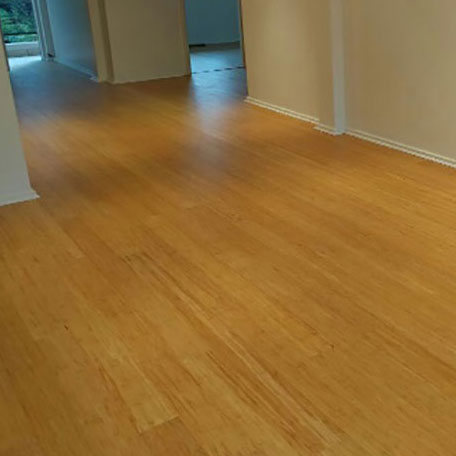
Hardness ratings, installation options, moisture resistance and maintenance.
Read Overview →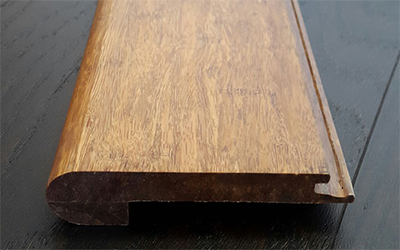
Skirting boards, door profiles, adhesives and underlays for a professional bamboo installation.
View Accessories →