
 Artificial Turf / Synthetic Grass Overview
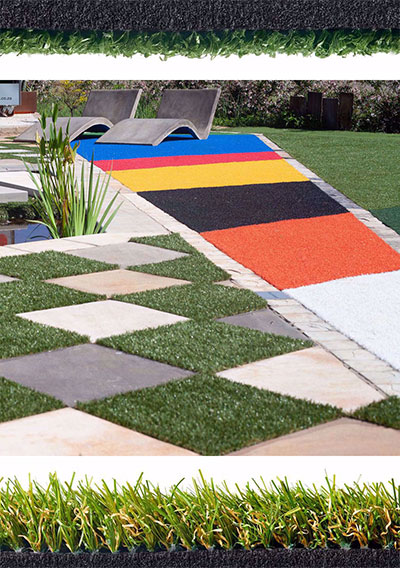
Artificial turf, also known as Synthetic Grass, Artificial Grass or Lawn is an imitation of grass made from a synthetic fibre polyethylene (PE) or polypropylene (PP), and sometimes nylon.
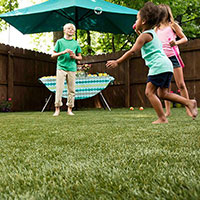
Artificial turf is a low-maintenance, durable alternative to natural grass, used in sports fields, residential yards, and commercial spaces. It provides year-round greenery and withstands heavy use.
Construction
- Grass Blades: Made from polyethylene, polypropylene, or nylon — mimic natural grass in various shapes, heights and colours.
- Backing: A two-layer system (primary and secondary) holds the fibres and provides structural support.
- Infill: Crumb rubber, silica sand or organic infill placed between blades for support, cushioning and drainage.
- Drainage: Built-in holes ensure proper water flow and prevent puddling.
Installation
- Prepare the site — Remove existing lawn and excavate.
- Install base — Add and compact a crushed stone base for stability and drainage.
- Roll out the turf — Cut, seam and secure the turf.
- Add infill — Spread infill to support the blades.
- Final touches — Brush the turf to make it stand upright.
Maintenance: Minimal upkeep required. Brush the turf, remove debris, rinse occasionally and replenish infill in high-traffic areas.
No mowing, watering, fertilizing or pesticide treatments — ever. Saves time and money year-round.
Withstands heavy foot traffic and lasts 10–20 years depending on quality and application.
Remains green and usable year-round regardless of drought, rain or extreme temperatures.

Maintains a lush green look without brown patches, weeds or bare spots.

Higher upfront cost offset by long-term savings on water, mowing and maintenance.
Residential lawns, sports fields, playgrounds, rooftop gardens and indoor installations.
Greatly reduces water usage — especially beneficial in drought-prone regions like the Western Cape.
No gas-powered mowing equipment needed. Reduces carbon emissions associated with lawn maintenance.
Produces no pollen — a good option for people with grass allergies who still want a green lawn.
Modern turf installed with padding provides a safer surface for children and sport activities.
Can become significantly hotter than natural grass in direct sunlight. Consider shade solutions.
Suitable for both residential and commercial applications, including balconies and rooftop gardens.
Quality of Artificial Grass / Lawn or Synthetic Turf
When choosing artificial grass, consider these key factors:
- Polyethylene (PE): Soft and durable — ideal for residential lawns.
- Polypropylene (PP): Cheaper but less durable — good for decorative areas.
- Nylon: Most durable but expensive — great for high-traffic areas.
- Flat Blades: Most common but can flatten over time.
- V-Shaped: Stand upright longer and look more natural.
- U-Shaped: More durable and resist flattening.
- W-Shaped: Reflect less light — reducing shine for a realistic look.
- Short (10–25mm): Best for high-traffic areas.
- Medium (25–37mm): Balanced for most lawns.
- Long (37–45mm+): Lush appearance but requires more maintenance.
- Low (6,000–12,000 stitches/m²): Sparse, less realistic.
- Medium (13,000–16,000 stitches/m²): Good balance for most uses.
- High (16,000–18,000+ stitches/m²): Dense, luxurious and durable.
- Sand: Stabilises grass blades and adds weight.
- Rubber: Provides cushioning — recommended for sports areas.
- UV Protection: Prevents colour fading in direct sunlight.
- Fire Resistance: Consider flame-retardant turf where safety is a concern.
Maintain, Care and Cleaning of Artificial Grass
Following these steps will keep your artificial turf clean, safe and looking great over the long term.
- Remove Debris: Regularly remove leaves, twigs and debris with a leaf blower, broom or rake.
- Rinse with Water: Use a garden hose to rinse off dust, dirt or pet waste.
- Sanitize: For pet areas, use a mild detergent or turf cleaner to disinfect and remove odours.
- Food & Drink: Blot immediately with a cloth, then rinse with water. Use mild soap solution for tougher stains.
- Pet Waste: Remove solid waste and rinse with water. Use a turf cleaner if necessary.
- Avoid Sharp Objects: Keep sharp objects and heavy dragging off the turf to prevent cuts or damage.
- High Heat: Do not place hot objects like BBQs or fire pits near the turf — heat can melt the fibers.
- After heavy use, brush the grass to restore upright blade position.
- Inspect for tears or loose seams and make repairs as needed.
- Check regularly for wear at seams and edges. Add infill when needed to rejuvenate appearance and function.
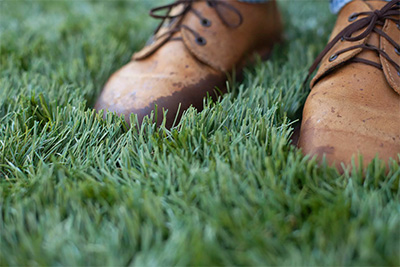
Pile heights, drainage, infill types, UV resistance and installation guides.
Read FAQ →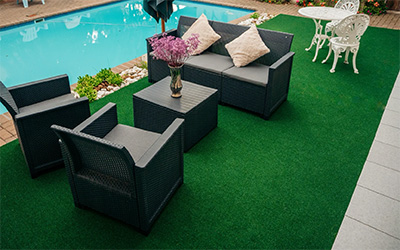
Residential lawns, sports turf and pet-friendly options with nationwide delivery.
Browse Products →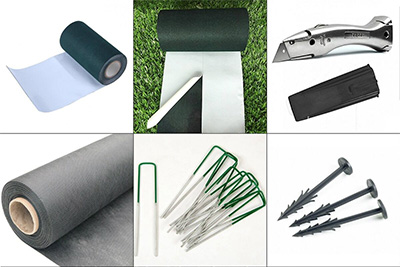
Joining tape, adhesive, infill, edging and fixing pins for a professional finish.
View Accessories →