
Artificial Grass / Lawn frequently asked questions
Q - What is the other names for Artificial Lawn/Grass or Synthetic Turf
Here are some other names for artificial grass:
1. Synthetic turf
2. Fake grass
3. Astro turf
4. Artificial turf
5. Synthetic lawn
6. Fake lawn
7. Plastic grass
8. Turf
9. Artificial lawn turf
10. Synthetic grass turf
11. Man-made grass
12. Engineered grass
13. Manufactured grass
14. Fake turf
15. Simulated grass
Note that some of these names may be specific to certain regions or countries.
Artificial grass is also sometimes referred to by its application or use, such as:
1. Sports turf (for sports fields and stadiums)
2. Landscape turf (for residential and commercial landscaping)
3. Playground turf (for playgrounds and play areas)
4. Pet turf (for pet areas and dog runs)
5. Golf turf (for golf courses and putting greens)
Q - What is artificial turf made of
Artificial turf is typically made of a combination of materials, including:
1. Synthetic fibers (grass blades): Made from polyethylene, polypropylene, or nylon, these fibers are designed to mimic the look and feel of natural grass.
2. Backing material: A layer of fabric or film that supports the synthetic fibers and provides stability.
3. Infill materials: Spread between the fibers to:
- Support the turf
- Provide cushioning
- Maintain even distribution
- Common infill materials include:
- Silica sand
- Rubber (recycled tires)
- Plastic pellets
- Coconut husk
- Ceramic beads
4. Adhesives and binders: Used to attach the fibers to the backing material and hold the infill materials in place.
5. Optional features:
- Shock-absorbing layers: Additional cushioning for comfort and safety.
- Drainage systems: Built-in drainage for efficient water management.
- Cooling technologies: Designed to reduce surface temperature.
- UV stabilizers: Protect the turf from ultraviolet degradation.
Note that specific materials and their proportions may vary depending on the manufacturer and intended use (e.g., sports fields, landscaping, or pet areas).
Q - What are the benefits of artificial turf
The benefits of artificial turf include:
1. Low Maintenance: No mowing, watering, fertilizing, or pest control needed.
2. Water Conservation: Artificial turf eliminates the need for watering, saving millions of gallons of water annually.
3. Durability: Withstands heavy use, weather conditions, and requires minimal repairs.
4. Consistent Playability: Provides a consistent, even surface for sports and activities.
5. Reduced Soil Erosion: Artificial turf prevents soil compaction and erosion.
6. No Fertilizers or Pesticides: Eliminates the need for harmful chemicals.
7. Pet-Friendly: Artificial turf is a popular choice for pet areas due to its ease of cleaning and durability.
8. Cost-Effective: Long-term cost savings compared to natural grass.
9. Increased Play Time: Can be used 24/7, regardless of weather conditions.
10. Improved Safety: Artificial turf can reduce injuries due to slips, trips, and falls.
11. Environmental Benefits: Some artificial turf products are made from recycled materials and can be recycled themselves.
12. Design Flexibility: Can be customized to meet specific needs and aesthetics.
13. Reduced Allergies: Artificial turf eliminates pollen and other allergens.
14. No Mud or Mess: Keeps areas clean and tidy.
15. Long-Lasting: Can last 15-20 years or more, depending on quality and maintenance.
Note that some benefits may vary depending on the specific artificial turf product and installation.
Q - How long does artificial turf last
The lifespan of artificial turf can vary depending on several factors, including:
1. Quality of the turf
2. Usage (e.g., sports fields, landscaping, pet areas)
3. Maintenance habits
4. Weather conditions
Typically, artificial turf can last anywhere from 8 to 15 years or more. Here's a breakdown of the average lifespan:
1. Low-quality turf: 5-8 years
2. Mid-range turf: 8-12 years
3. High-quality turf: 12-15 years
4. Premium turf: 15-20 years or more
Factors that affect lifespan:
1. UV degradation: Sunlight can cause fibers to break down.
2. Foot traffic: Heavy usage can lead to fiber wear and tear.
3. Infill maintenance: Proper infill management is crucial.
4. Cleaning and maintenance: Regular cleaning and maintenance impact lifespan.
5. Weather conditions: Extreme temperatures, rain, and snow can affect the turf.
To extend the lifespan of artificial turf:
1. Regularly maintain and clean the turf.
2. Use high-quality infill materials.
3. Avoid excessive heat exposure.
4. Use protective gear (e.g., goalmouth covers).
5. Inspect and repair damages promptly.
Keep in mind that proper installation, maintenance, and care can significantly extend the lifespan of artificial turf.
Q - Can artificial grass/turf be installed DIY
Yes, artificial turf can be installed DIY, but it's essential to consider the following factors:
1. Scope of the project: Small areas like pet zones or backyard putting greens are more DIY-friendly than large areas like sports fields.
2. Installation complexity: DIY installation may be suitable for simple installations, but more complex projects may require professional expertise.
3. Time and labor: Installing artificial turf requires significant time and physical effort.
4. Specialized tools: You may need specialized tools, like a turf cutter or seam iron, which can be expensive or hard to find.
5. Material quality: Ensure you purchase high-quality artificial turf and infill materials.
6. Subbase preparation: Properly preparing the subbase is crucial for a successful installation.
7. Adhesive and seaming: Correctly applying adhesives and seaming the turf requires skill and experience.
8. Infill installation: Properly installing infill materials is critical for turf stability and performance.
If you're still interested in installing artificial turf DIY, consider the following tips:
1. Choose a simple installation method: Opt for a "glue-down" or "loose-lay" installation.
2. Prepare the subbase: Ensure a level, compacted, and stable base.
3. Follow manufacturer instructions: Adhere to the manufacturer's installation guidelines.
4. Take your time: Don't rush the installation process.
5. Consider enlisting help: Recruit friends or family members to assist with the installation.
Keep in mind that while DIY installation can save money, it may also lead to:
1. Subpar installation: Affecting turf performance and longevity.
2. Warranty voidance: Improper installation may void the manufacturer's warranty.
3. Safety issues: Incorrect installation can lead to tripping hazards or other safety concerns.
If you're not confident in your ability to install artificial turf DIY, consider hiring a professional installer to ensure a high-quality installation.
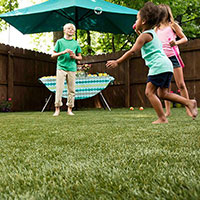
Q - Is artificial turf/grass safe for pets and children
Artificial turf/grass can be safe for pets and children, but it's important to consider the following factors:
Pets:
1. Infill materials: Some infill materials, like rubber or plastic, can be toxic if ingested. Look for pet-friendly infill options.
2. Heat: Artificial turf can get hot in direct sunlight, potentially causing burns or discomfort. Provide shade or cooling measures.
3. Cleaning: Regular cleaning is crucial to remove pet waste and prevent bacterial growth.
Children:
1. Falls: Artificial turf can be slippery, increasing the risk of falls. Install shock-absorbing underlayment to reduce impact.
2. Infill materials: Like pets, children may ingest infill materials, which can be harmful. Choose child-friendly infill options.
3. Heat: Children may be more susceptible to burns or discomfort due to prolonged exposure. Provide shade or cooling measures.
To ensure safety:
1. Choose pet- and child-friendly infill materials.
2. Install shock-absorbing underlayment to reduce fall impact.
3. Maintain proper cleaning and maintenance schedules.
4. Supervise children and pets when they're playing on artificial turf.
5. Consider using turf with built-in cooling technology to reduce heat.
6. Install artificial turf in shaded areas to reduce direct sunlight exposure.
Some benefits of artificial turf for pets and children include:
1. Durable: Withstands heavy use and play.
2. Low maintenance: Easy to clean and maintain.
3. Consistent playability: Provides a consistent, even surface.
4. Water conservation: Reduces water usage.
By taking the necessary precautions and choosing the right artificial turf product, it can be a safe and enjoyable surface for pets and children.
Q - Is artificial grass, lawn, turf eco friendly
Artificial grass, lawn, and turf can have both positive and negative impacts on the environment, making their eco-friendliness a complex issue. Here's a balanced breakdown:
Positive aspects:
1. Water conservation: Artificial turf eliminates the need for watering, saving millions of gallons of water annually.
2. Reduced chemical use: No fertilizers, pesticides, or herbicides are required, minimizing chemical runoff and soil contamination.
3. Less maintenance: Artificial turf requires less mowing, pruning, and other maintenance activities, reducing greenhouse gas emissions from equipment.
4. Recyclable materials: Some artificial turf products are made from recyclable materials and can be recycled themselves.
5. Long lifespan*: Artificial turf can last 15-20 years or more, reducing the need for frequent replacements.
Negative aspects:
1. Microplastics*: Artificial turf can shed microplastics, which can contaminate soil and waterways.
2. Heat island effect*: Artificial turf can absorb heat, contributing to urban heat islands and increasing temperatures.
3. Material extraction*: Artificial turf production requires extracting raw materials, like plastics and rubber.
4. End-of-life disposal*: Artificial turf can end up in landfills or oceans if not properly disposed of.
5. Carbon footprint*: Artificial turf production and transportation have a carbon footprint.
To make artificial grass, lawn, and turf more eco-friendly:
1. Choose sustainable materials.
2. Install cool-ing technologies to reduce heat absorption.
3. Implement responsible maintenance practices.
4. Recycle and repurpose old artificial turf.
5. Consider hybrid or natural grass alternatives.
Remember, artificial turf is not inherently eco-friendly, but with responsible production, installation, and maintenance practices, its environmental impact can be minimized.
Q - Can artificial grass, lawn, turf be recycled
Yes, artificial grass, lawn, and turf can be recycled, but the process is still developing and not yet widely available. Here's a breakdown:
1. Recyclable materials: Some artificial turf products are made from recyclable materials like polyethylene, polypropylene, and polyvinyl chloride (PVC).
2. Recycling process: Artificial turf can be recycled through various methods, including:
- Mechanical recycling: Turf is shredded and processed into raw materials for new products.
- Chemical recycling: Turf is broken down into its chemical components, which are then used to produce new products.
3. Recycled products: Recycled artificial turf can be used to produce:
- New artificial turf: Recycled materials can be used to manufacture new turf products.
- Other plastic products: Recycled plastics from turf can be used to make various plastic products, like containers, pipes, or playground equipment.
4. Challenges: Recycling artificial turf is still a developing industry, and challenges include:
- Collection and sorting: Collecting and sorting used turf is a significant challenge.
- Contamination: Turf often contains contaminants like dirt, debris, and other materials that must be removed before recycling.
- Economic viability: Recycling artificial turf is not yet widely economically viable.
5. Companies and initiatives: Some companies and organizations are actively working on artificial turf recycling, such as:
- Turf recyclers: Companies specializing in turf recycling, like Turf Recycling Inc. and Artificial Turf Recyclers.
- Industry initiatives: Organizations like the Synthetic Turf Council and the Artificial Turf Industry Association are promoting turf recycling and sustainability.
While artificial grass, lawn, and turf recycling is possible, it's essential to address the challenges and continue developing the infrastructure and technologies to make it more efficient and widespread.
Q - How do I maintain artificial turf
Maintaining artificial turf is crucial to extend its lifespan and ensure it remains safe and clean. Here's a comprehensive guide:
1. Brushing: Regular brushing (weekly or bi-weekly) helps maintain turf fibers' upright position, ensuring even distribution of infill materials.
2. Infill maintenance: Check infill levels regularly and replenish as needed. Use a broom or leaf blower to redistribute infill materials.
3. Cleaning: Remove debris (leaves, branches, etc.) regularly. Use a mild detergent and water for more thorough cleaning.
4. Sanitizing: Sanitize turf periodically (especially in pet areas) using a pet-friendly sanitizer.
5. Inspections: Regularly inspect turf for damage, wear, and tear. Address issues promptly to prevent further damage.
6. Repairs: Repair minor damages (e.g., cuts, tears) promptly to prevent further deterioration.
7. Seaming: Inspect and maintain seams regularly to prevent unraveling.
8. Weed control: Regularly remove weeds to prevent growth and maintain turf appearance.
9. Pest control: Keep an eye out for pests (e.g., rodents, insects) and address infestations promptly.
10. Maintenance records: Keep a record of maintenance activities to track progress and identify areas for improvement.
Additionally, consider the following:
- Weather: Adjust maintenance schedules according to weather conditions (e.g., more frequent cleaning during heavy rainfall).
- Usage: Increase maintenance frequency for high-traffic areas or turf subject to heavy use.
- Manufacturer guidelines: Follow manufacturer-specific maintenance recommendations for your particular turf product.
By following these steps, you'll be able to maintain your artificial turf effectively and extend its lifespan.
Q - Can artificial turf be installed over existing grass
Installing artificial turf over existing grass is possible, but it's not always the best option. Here are some factors to consider:
Pros:
1. Time-saving: Installing artificial turf over existing grass can save time and effort compared to removing the grass and preparing the subbase.
2. Cost-effective: This method can be more budget-friendly, as it eliminates the need for grass removal and subbase preparation.
Cons:
1. Drainage issues: If the existing grass has poor drainage, it can lead to water accumulation under the artificial turf, causing damage and safety issues.
2. Uneven surface: Existing grass can create an uneven surface, which may affect the artificial turf's performance and appearance.
3. Grass growth: Grass can continue to grow under the artificial turf, potentially causing lumps or unevenness.
4. Infill material mixing: Infill materials from the artificial turf can mix with the existing grass, creating a messy and difficult-to-maintain surface.
Best practices:
1. Assess the grass condition: Evaluate the existing grass's density, drainage, and overall health to determine if it's suitable for artificial turf installation.
2. Prepare the surface: Level the existing grass, remove any debris, and ensure proper drainage before installing the artificial turf.
3. Choose the right turf: Select an artificial turf product designed for installation over existing grass.
4. Follow manufacturer guidelines: Adhere to the manufacturer's instructions for installation and maintenance.
Keep in mind that installing artificial turf over existing grass may void the warranty or affect the product's performance. It's essential to consult with a professional installer or manufacturer's representative to determine the best approach for your specific situation.
Q - Does artificial turf get hot in direct sunlight
Yes, artificial turf can get hot in direct sunlight, especially during peak sun hours. The temperature of artificial turf can rise significantly, potentially causing discomfort or burns.
Factors that contribute to artificial turf heat:
1. Color: Darker-colored turf absorbs more heat than lighter colors.
2. Material: Turf made from polyethylene or polypropylene can get hotter than turf made from polyvinyl chloride (PVC).
3. Sun angle: Direct sunlight, especially during peak hours (usually between 11am and 3pm), can cause turf temperatures to soar.
4. Air temperature: High air temperatures can contribute to hotter turf surfaces.
5. Humidity: Low humidity can make the turf feel even hotter.
To mitigate artificial turf heat:
1. Choose a lighter color: Select a turf with a lighter color to reduce heat absorption.
2. Install a cooling system: Consider installing a turf cooling system, like a misting or sprinkler system.
3. Provide shade: Create shaded areas using trees, umbrellas, or canopies.
4. Schedule usage: Plan activities during cooler parts of the day.
5. Maintain proper turf care: Regularly clean and maintain the turf to ensure it remains in good condition.
Remember, artificial turf can get hot, so take steps to ensure user comfort and safety!
Q - Can artificial turf be used for sports fields
Yes, artificial turf is widely used for sports fields, offering a durable, low-maintenance, and consistent playing surface. Many sports fields, including football, soccer, rugby, baseball, and hockey, use artificial turf. Benefits include:
1. Consistent playability: Artificial turf provides a uniform surface, unaffected by weather conditions.
2. Durability: Withstands heavy use and maintains its shape.
3. Low maintenance: Requires less upkeep than natural grass.
4. Water conservation: Eliminates watering needs.
5. Cost-effective: Reduces maintenance and replacement costs.
6. Multi-purpose: Can accommodate various sports and activities.
7. Improved safety: Meets safety standards, reducing injuries.
8. Year-round use: Can be used in any weather, extending the playing season.
However, consider factors like:
1. Infill materials: Choose appropriate infill materials for the specific sport.
2. Turf density: Ensure sufficient density for the sport's requirements.
3. Pile height: Adjust pile height according to the sport's needs.
4. Shock absorption: Consider shock-absorbing materials for high-impact sports.
5. Maintenance: Regularly maintain the turf to ensure optimal performance.
Artificial turf is a popular choice for sports fields, offering a high-quality playing surface with many benefits.
Q - Can artificial turf, grass, lawn be repaired or replaced
Yes, artificial turf, grass, and lawn can be repaired or replaced. Here are some common issues and solutions:
Artificial Turf:
1. Torn or damaged turf: Repair or replace the affected area.
2. Fading or discoloration: Clean or replace the turf.
3. Infill material issues: Topdress or replace infill materials.
4. Seam failures: Repair or re-seam the turf.
Replacement:
Artificial turf: Replace the entire turf or sections as needed.
Preventative maintenance is key to extending the life of artificial turf, grass, and lawn. Regularly inspect and address issues promptly to prevent further damage.
Q - On what surfaces can artificial grass, turf be installed
Artificial grass, turf can be installed on various surfaces, including:
1. Concrete: A popular choice for artificial turf installation, concrete provides a solid base.
2. Asphalt: Asphalt surfaces can support artificial turf, but may require additional preparation.
3. Soil: Well-draining soil is essential for artificial turf installation on soil surfaces.
4. Sand: Sand bases are common for artificial turf, especially for sports fields.
5. Gravel: Gravel surfaces can support artificial turf, but may require additional stabilization.
6. Decking: Artificial turf can be installed on decking surfaces, like wood or composite decks.
7. Roofs: Flat or sloping roofs can support artificial turf, providing a unique green space.
8. Pavers: Artificial turf can be installed on paver surfaces, creating a lush look.
9. Grass: Existing grass surfaces can be converted to artificial turf by installing a turf system.
10. Composite materials: Artificial turf can be installed on composite materials, like plastic or metal grids.
Before installation, ensure the surface is:
- Level
- Clean
- Dry
- Free of debris
- Prepared according to manufacturer's guidelines
Keep in mind that some surfaces may require additional preparation or specialized installation techniques. Consult a professional installer for specific guidance.
Q - How is artificial grass, lawn rated for quality and wear
Artificial grass and lawn are rated for quality and wear based on several factors, including
Pile Height: The height of the grass blades, usually measured in millimeters, which affects the overall appearance and durability.
Yarn Shape: The shape and density of the yarn used to make the grass blades, which affects their durability and resistance to wear.
Dtex: A measure of the weight of the yarn used to make the grass blades, with higher Dtex ratings indicating more durable and dense grass.
Gauge: The distance between the stitching lines, which affects the density and durability of the grass.
Stitch Rate: The number of stitches per unit area, which affects the density and durability of the grass.
Face Weight: The weight of the yarn per unit area, which affects the overall quality and durability of the grass.
Backing: The material used for the backing of the grass, which affects its durability and resistance to wear.
Density: The number of stitches per unit area, which affects the overall quality and durability of the grass.
Material: The type of material used to make the grass blades, such as polypropylene or polyethylene, which affects their durability and resistance to wear.
UV Resistance: The ability of the grass to resist fading and degradation from exposure to sunlight.
Drainage: The ability of the grass to drain water, which affects its overall quality and durability.
By considering these factors, you can choose the best artificial grass or lawn for your needs and ensure it will withstand the wear and tear of use.
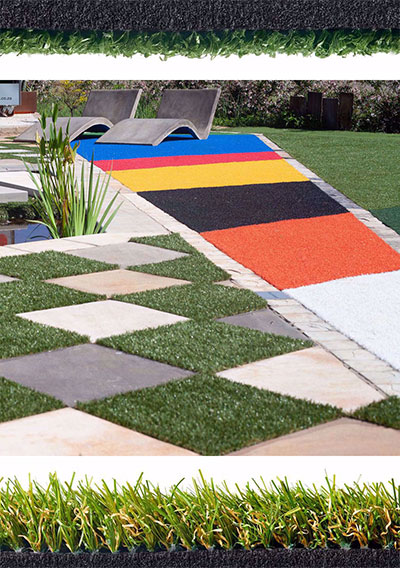
Residential lawns, sports turf and pet-friendly options with nationwide delivery.
Browse Products →
Pile heights, drainage, infill types, UV resistance and installation guides.
Read Overview →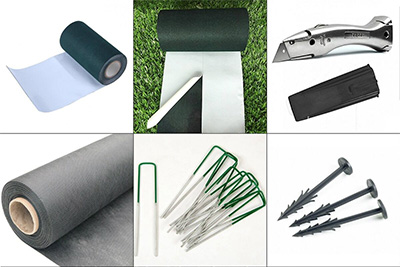
Joining tape, adhesive, infill, edging and fixing pins for a professional finish.
View Accessories →Showing 1–8 of 18 results
-
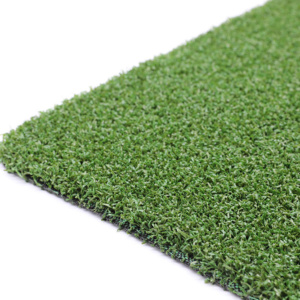
Sport 10mm LikeLawn 4m Wide – Likewise Artificial Grass
R391.00 m2 -

Pasture 37mm LikeLawn 4m Wide – Likewise Artificial Grass
R378.01 m2 -
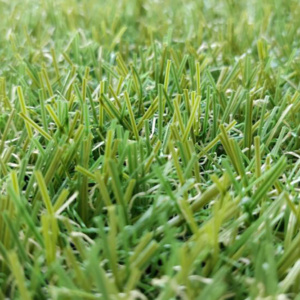
Park 18mm LikeLawn Artificial Grass – 2m Wide Likewise
R195.99 m2 -
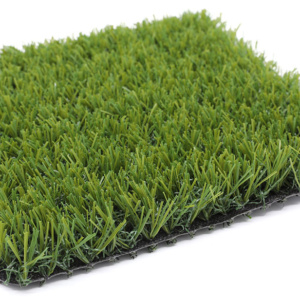
Grassland 22mm LikeLawn 4m Wide – Likewise Artificial Grass
R294.00 m2 -

Meadow 28mm LikeLawn Artificial Grass – 2m Wide Likewise
R329.00 m2 -
Meadow 28mm LikeLawn 4m Wide – Likewise Artificial Grass
R329.00 m2 -
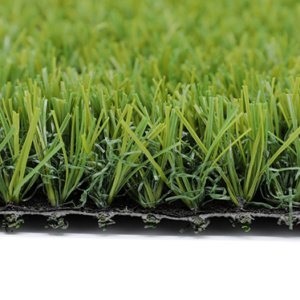
Grassland 22mm LikeLawn 2m Wide – Likewise Artificial Grass
R294.00 m2 -
Pasture 37mm LikeLawn 2m Wide – Likewise Artificial Grass
R378.01 m2