

Carpet Tiles Overview
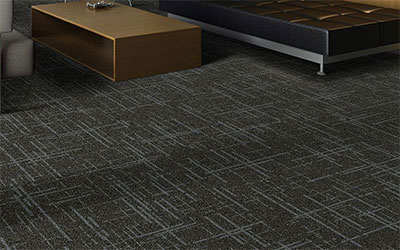
Carpet tiles are a versatile, durable, and easy-to-install flooring option for both residential and commercial spaces. They offer design flexibility, ease of maintenance, and the ability to replace individual tiles if damaged.
Product Construction
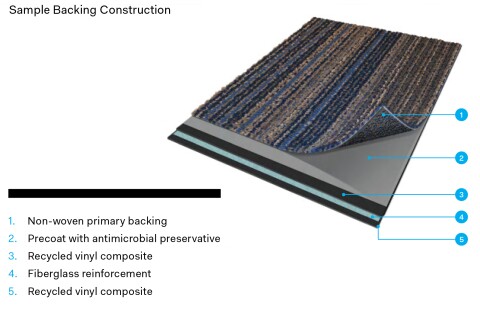
- Top Layer (Pile): Made from materials like nylon, polypropylene, or wool, providing comfort, durability, and stain resistance. The pile can be looped, cut, or a combination of both for different textures.
- Backing Options:
- Plainback (No Backing): These tiles are typically thinner and require adhesive during installation. Ideal for areas where a lower-profile installation is needed.
- With Backing: Features a sturdy backing, usually made from materials like vinyl, rubber, or foam. Backing adds stability, cushioning, and sound absorption. Some backed tiles may also come with built-in padding for extra comfort and noise reduction.
- Adhesive or Peel-and-Stick: Some carpet tiles come with adhesive backing or peel-and-stick installation options, while others require a separate adhesive or tackifier glue.
Installation
- Peel-and-Stick: Remove the backing and press the tiles onto the prepared subfloor. This method is DIY-friendly and quick to install.
- Glue-Down: Apply adhesive or tackifier glue to secure tiles. This method is more permanent and suited for high-traffic or commercial spaces.
- Loose-Lay: No adhesive is required, as the tiles are held in place by their weight and non-slip backing. Best for temporary setups or areas where easy replacement is needed.
Summary:
Carpet tiles come with options for plainback (no backing) or backed designs, offering durability and comfort. Installation can be peel-and-stick, glue-down, or loose-lay, providing versatility for various spaces and ease of maintenance.
Advantages of Carpet Tiles
- Easy Installation
- DIY-Friendly: Carpet tiles are simple to install, often using peel-and-stick or glue-down methods, making them ideal for DIY projects. They can be easily cut to fit irregular spaces without professional tools.
- Quick Setup: Compared to wall-to-wall carpet, carpet tiles are faster to install, especially in large or irregular spaces.
- Design Flexibility
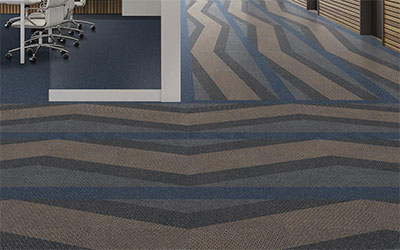
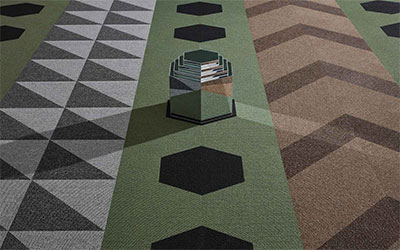
- Customizable Patterns: Carpet tiles can be laid in various patterns and configurations, allowing you to mix and match colors or designs for a unique look.
- Easy to Replace: Damaged or stained tiles can be replaced individually, without the need to replace the entire floor, saving time and cost.
- Durability
- High Traffic Areas: Carpet tiles are made with durable materials like nylon or polypropylene, making them resistant to wear and tear, especially in high-traffic areas.
- Commercial and Residential Use: Suitable for both commercial and residential environments due to their toughness and longevity.
- Low Maintenance
- Easy to Clean: Individual tiles can be removed for spot cleaning or deep cleaning. Regular vacuuming is typically sufficient for maintaining cleanliness.
- Stain Resistant: Many carpet tiles come with built-in stain resistance, making them suitable for areas prone to spills.
- Cost-Effective
- Affordable Flooring Solution: Carpet tiles are often more affordable than traditional wall-to-wall carpeting, particularly in terms of installation and replacement costs.
- Reduced Waste: Installation of carpet tiles typically results in less material waste, as individual tiles can be cut to fit specific areas with precision.
- Sound Absorption
- Noise Reduction: Carpet tiles with backing or padding provide excellent sound insulation, making them ideal for office spaces, commercial settings, or multi-level homes.
- Moisture Resistance
- Waterproof Options: Some carpet tiles are designed with moisture-resistant properties, making them suitable for areas prone to spills or humidity, such as basements or kitchens.
- Sustainability
- Eco-Friendly Choices: Many carpet tiles are made from recycled materials and are recyclable at the end of their life, reducing their environmental impact.
Summary:
Carpet tiles offer easy installation, design flexibility, durability, and cost-effectiveness, making them an ideal choice for both residential and commercial spaces. Their low maintenance, sound absorption, and moisture-resistant options further enhance their practicality and appeal.
Quality of Carpet Tiles
When choosing carpet tiles, understanding quality ratings and industry standards is key to selecting a product that fits your needs for durability, performance, and appearance. Here’s what to consider, using measurements in millimeters (mm) and grams (g).
1. Face Weight
- Definition: Face weight refers to the weight of the carpet fibers per square meter, measured in grams (g). It indicates the density and durability of the carpet tiles.
- What to Look For: Higher face weight (e.g., 610-1355 g/m²) means more durable and plush tiles, suitable for high-traffic areas. Lower face weight (e.g., 400-610 g/m²) is more appropriate for low-traffic spaces.
2. Pile Height
- Definition: Pile height measures the length of the carpet fibers, generally given in millimeters (mm). Shorter piles are more durable and easier to clean, while longer piles provide a softer feel.
- What to Look For: Shorter piles (2.5-6.5 mm) are ideal for commercial and high-traffic areas, while medium-to-high piles (7.5 mm or more) offer more comfort in residential settings.
3. Density
- Definition: Density refers to how closely the carpet fibers are packed together. Denser carpet tiles are more durable and provide better performance, particularly in high-traffic areas.
- What to Look For: A density of 5,000 g/m² or higher is considered high quality for commercial use, while 3,000-4,000 g/m² is more suitable for residential applications.
4. Backing Type and Quality
- Types:
- PVC or Vinyl Backing: Provides strong moisture resistance and durability, making it suitable for commercial and moisture-prone areas like basements.
- Fiberglass Backing: Offers flexibility and dimensional stability, ensuring the tiles lay flat and stay in place over time.
- Rubber Backing: Adds sound absorption, cushioning, and comfort, making it ideal for areas with heavy foot traffic or where noise reduction is a priority.
- Cushion Backing: Provides extra comfort and noise reduction, perfect for residential areas or commercial spaces requiring sound control.
- Needle Punch Backing: A dense, felt-like material that is highly durable and resistant to wear. Needle punch backing is typically used in commercial settings where durability and toughness are required, as well as for outdoor applications due to its ability to handle heavy traffic and moisture.
- Felt Backing: Common in residential tiles, offering softness and comfort while providing some insulation and soundproofing.
5. Fire Rating
- ASTM E648 (Flooring Radiant Panel Test): This test measures the carpet’s flame spread, important for safety in commercial areas.
- What to Look For: Carpet tiles should meet Class I fire resistance standards for commercial buildings like offices and healthcare facilities.
6. Stain and Soil Resistance
- Definition: Many carpet tiles are treated with stain and soil resistance coatings, making them easier to clean and maintain.
- What to Look For: Carpet tiles with built-in stain resistance are ideal for high-traffic or spill-prone areas.
7. Warranty
- Coverage: High-quality carpet tiles come with long-term warranties, typically ranging from 10 to 20 years, covering wear, staining, and manufacturing defects.
- What to Look For: Select carpet tiles with a warranty of at least 10 years, reflecting confidence in the product’s durability.
8. Static Control (Antistatic Properties)
- Definition: Antistatic treatments prevent the buildup of static electricity, important in office environments with electronic equipment.
- What to Look For: Carpet tiles with ESD (electrostatic discharge) protection are important in areas with sensitive electronics
Types of Carpet Tile Fibers and What to Look For
The type of fiber used in carpet tiles plays a significant role in determining the tile’s durability, softness, stain resistance, and overall performance. Here’s an overview of the most common types of fibers found in carpet tiles and what to look for when choosing the right one.
1. Nylon
- Overview: Nylon is the most popular fiber for carpet tiles, known for its strength, durability, and resistance to wear. It is ideal for high-traffic areas in both commercial and residential spaces.
- Key Properties:
- Durability: Highly resistant to crushing and matting, making it perfect for busy spaces.
- Stain Resistance: Most nylon fibers are treated with stain-resistant coatings, but they can still be susceptible to staining without protection.
- Resilience: Bounces back well from foot traffic, maintaining its appearance over time.
- What to Look For: Solution-dyed nylon offers improved colorfastness and stain resistance.
2. Polypropylene (Olefin)
- Overview: Polypropylene, also known as olefin, is a synthetic fiber known for its stain and moisture resistance. While less resilient than nylon, it is often used in areas where moisture or outdoor use is a concern.
- Key Properties:
- Stain and Moisture Resistance: Extremely resistant to stains, moisture, and mildew, making it ideal for basements, outdoor spaces, or areas prone to spills.
- Durability: Less durable than nylon and more prone to crushing under heavy foot traffic.
- Affordability: Often a more budget-friendly option than nylon.
- What to Look For: Best for low-traffic areas or spaces with high moisture, such as basements or outdoor areas.
3. Polyester
- Overview: Polyester is valued for its softness, vibrant color retention, and affordability. It is less durable than nylon but offers excellent resistance to stains and fading.
- Key Properties:
- Softness: Provides a plush, soft feel underfoot, making it comfortable for residential use.
- Stain Resistance: Naturally stain-resistant, making it a good choice for homes with pets or children.
- Color Retention: Holds vibrant colors well and resists fading, even in rooms with a lot of sunlight.
- What to Look For: Ideal for low-to-moderate traffic areas where softness and appearance are key priorities.
4. Wool
- Overview: Wool is a natural fiber that is highly durable, luxurious, and environmentally friendly. However, it is more expensive and requires more maintenance than synthetic fibers.
- Key Properties:
- Eco-Friendly: A renewable resource that is biodegradable and sustainable.
- Durability: Wool fibers are naturally resilient, making them resistant to wear and tear over time.
- Comfort and Insulation: Wool provides warmth and sound insulation, making it ideal for home environments.
- Stain Resistance: Wool is less resistant to staining and requires more maintenance than synthetic fibers.
- What to Look For: Ideal for high-end residential spaces where luxury and comfort are a priority.
5. Blends
- Overview: Some carpet tiles combine different fibers, such as nylon and polyester, to provide the benefits of both materials. Blends often offer improved durability, stain resistance, and affordability.
- What to Look For: Blended fibers can provide a good balance between cost, performance, and appearance, making them suitable for a variety of spaces.
Summary of Fiber Types and What to Look For:
- Nylon: Best for high-traffic areas due to its durability and resilience. Look for solution-dyed nylon for better stain resistance.
- Polypropylene (Olefin): Ideal for moisture-prone or outdoor areas due to its excellent moisture and stain resistance.
- Polyester: Soft and affordable, great for low-traffic residential spaces where color retention and softness are important.
- Wool: Luxurious, durable, and eco-friendly, but requires more maintenance. Best for high-end residential environments.
- Blends: Offer a mix of properties from different fibers, providing balanced performance and cost-effectiveness.
By understanding the properties of each fiber type, you can choose carpet tiles that match your specific needs, whether it’s for durability in a commercial space, moisture resistance in a basement, or comfort in a living room.
Maintain, Care and Cleaning of Carpet Tiles
Carpet tiles are a low-maintenance flooring option, but regular care can extend their lifespan and keep them looking their best. Here are simple steps to ensure your carpet tiles remain clean and well-maintained:
1. Regular Cleaning
- Vacuuming: Regular vacuuming is the most important step in maintaining carpet tiles. Vacuum high-traffic areas daily and low-traffic areas weekly. Use a vacuum cleaner with a rotating brush or beater bar to remove dirt, dust, and debris.
- Tip: Vacuum in multiple directions to ensure thorough cleaning and to lift fibers for a refreshed look.
2. Spot Cleaning
- Address Spills Immediately: When spills occur, blot (don’t rub) the area with a clean, dry cloth or paper towel to absorb as much liquid as possible. Quick action can prevent staining.
- Tip: Blot from the outer edges of the spill inward to prevent spreading the liquid.
- Use Mild Detergent: For stains, use a carpet-safe cleaning solution mixed with water or a specialized carpet tile cleaner. Apply a small amount to a cloth and gently blot the stained area.
- Tip: Always test any cleaning solution on a hidden area of the carpet tile first to ensure it doesn’t affect the color.
3. Deep Cleaning
- Shampooing or Steam Cleaning: Periodic deep cleaning helps remove dirt embedded deep in the carpet fibers. Use a carpet cleaning machine or hire professional cleaners for this task.
- Tip: Avoid over-wetting the tiles during shampooing or steam cleaning. Excess moisture can seep into the seams and damage the tiles or backing.
4. Replacing Damaged Tiles
- Individual Tile Replacement: One of the main benefits of carpet tiles is the ability to replace damaged tiles without removing the entire floor. If a tile becomes too stained or worn, remove and replace it with a spare tile.
- Tip: Keep extra tiles from the original installation for future replacement. This ensures a perfect color match.
5. Protecting Carpet Tiles
- Use Entrance Mats: Place mats at entrances to trap dirt and moisture before they reach the carpet tiles. This will help reduce the amount of debris tracked onto the tiles.
- Tip: Clean mats regularly to ensure they continue to trap dirt effectively.
- Furniture Pads: Use furniture pads under heavy furniture to avoid crushing the carpet tiles and prevent indentations.
- Tip: Rearrange furniture periodically to prevent uneven wear.
6. Preventing Stains and Damage
- No Harsh Chemicals: Avoid using bleach, ammonia, or harsh chemicals that can damage the fibers and backing of the carpet tiles.
- Avoid Excessive Moisture: Carpet tiles are moisture-resistant but not waterproof. Be cautious with water during cleaning and avoid installing carpet tiles in areas prone to water exposure, such as bathrooms.
7. Odor Control
- Deodorize Regularly: Sprinkle baking soda on the carpet tiles and let it sit for 15-20 minutes before vacuuming to neutralize odors.
- Tip: This is especially useful in high-traffic areas or homes with pets.
8. Regular Inspection
- Check Seams: Periodically inspect the seams between tiles to ensure they remain tightly in place. If tiles begin to shift, reapply adhesive (if needed) or reposition the loose tiles.
Summary of Carpet Tile Care:
- Daily/Weekly Cleaning: Vacuum regularly to prevent dirt buildup.
- Spot Cleaning: Blot spills immediately and use mild detergent for stains.
- Deep Cleaning: Steam or shampoo carpet tiles periodically to remove embedded dirt.
- Replace Damaged Tiles: Swap out individual tiles when they become too worn or stained.
- Protection: Use entrance mats and furniture pads to reduce dirt and wear.
- Avoid Harsh Cleaners: Use mild, carpet-safe cleaners and avoid excess moisture.
- Odor Control: Sprinkle baking soda periodically to eliminate odors.
Following these simple steps will help keep your carpet tiles clean, fresh, and looking new for years to come.
Research more on Carpet Tiles

Showing all 6 results
-

Floornet Coastline Carpet Tiles – Bitumen Back
R352.00 m2 -

Floornet Gravity Carpet Tiles/Planks – Bitumen Back
R379.01 m2 -

Floornet Patch Campus Carpet Tiles – Bitumen Back
R581.00 m2 -

Floornet Lineal Carpet Tiles – Bitumen Back
m2 R534.00 -

Floornet Florpoint – Needlepunch Plainback Carpet Tiles
R284.00 m2 -

Floornet Powerpoint – Needlepunch Plainback Carpet Tiles
R241.99 m2