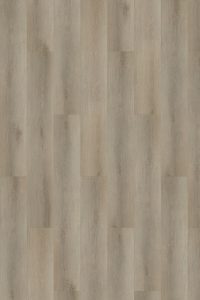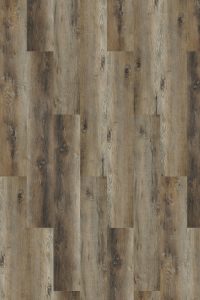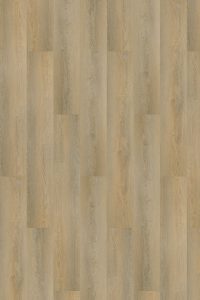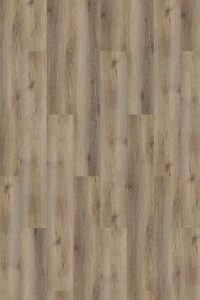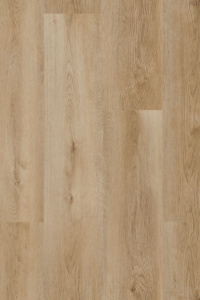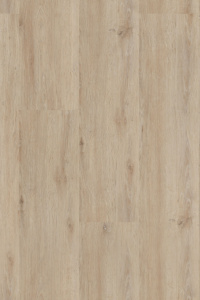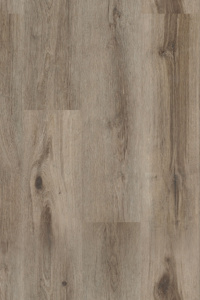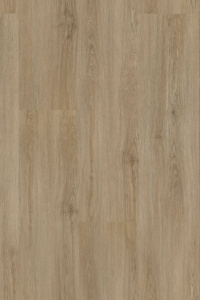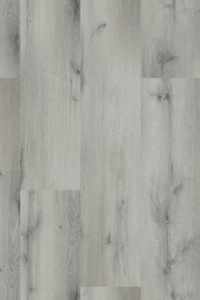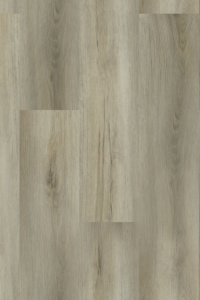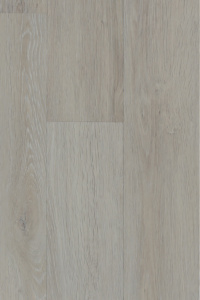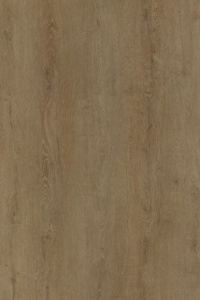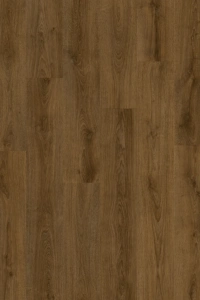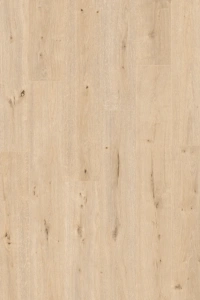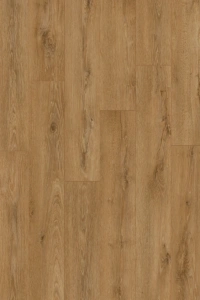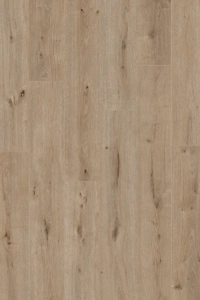


Vinyl SPC Rigid click system frequently asked questions
Q - What does SPC stand for
SPC stands for Stone Plastic Composite. It's a type of vinyl flooring that combines limestone and plastic materials to create a durable, waterproof, and low-maintenance flooring option. SPC flooring is also known for its resistance to scratches, dents, and fading, making it a popular choice for both residential and commercial spaces.
Here's a breakdown of what SPC stands for:
- S: Stone (referring to the limestone content)
- P: Plastic (referring to the plastic materials used in the composite)
- C: Composite (referring to the combination of stone and plastic materials)
So, in short, SPC flooring is a composite material made from stone and plastic, designed to offer a versatile and practical flooring solution!
Q - Is Vinyl SPC Flooring seen as a DIY flooring product
Yes, Vinyl SPC Flooring is often considered a DIY-friendly flooring product. Here's why:
1. Easy installation: Vinyl SPC Flooring is designed for easy installation, with many products featuring click-lock or glue-free installation methods.
2. Simple preparation: The subfloor preparation is relatively simple, and the flooring can be installed over existing flooring in some cases.
3. No special tools: Basic tools like a utility knife, tape measure, and square are often sufficient for installation.
4. Forgiving: Vinyl SPC Flooring is a forgiving product, allowing for minor imperfections in the subfloor or installation.
5. Manufacturer support: Many manufacturers offer extensive installation guides, tutorials, and customer support to help DIYers.
However, keep in mind:
1. Time and patience: Installation still requires time and effort.
2. Physical demands: Installation can be physically demanding, especially for larger areas.
3. Precision: While forgiving, Vinyl SPC Flooring still requires attention to detail and proper alignment.
If you're comfortable with DIY projects and have the necessary skills and tools, Vinyl SPC Flooring can be a great option. But if you're unsure or lack experience, consider consulting a professional installer for a stress-free and high-quality installation.
Q - What are the benefits of SPC vinyl flooring?
SPC (Stone Plastic Composite) vinyl flooring offers numerous benefits, making it a popular choice for various applications. Here are some of the advantages of SPC vinyl flooring:
1. Waterproof: SPC vinyl flooring is designed to be waterproof, making it perfect for kitchens, bathrooms, and other areas prone to moisture.
2. Durable: SPC vinyl flooring is highly resistant to scratches, dents, and fading, ensuring it maintains its appearance over time.
3. Low maintenance: SPC vinyl flooring is easy to clean and maintain, with simple sweeping and mopping required.
4. Realistic designs: SPC vinyl flooring offers realistic designs and patterns, mimicking natural stone and wood appearances.
5. Comfortable: SPC vinyl flooring is generally softer and warmer underfoot compared to natural stone or hardwood.
6. Cost-effective: SPC vinyl flooring is often more affordable than natural stone or hardwood flooring options.
7. Easy installation: SPC vinyl flooring is relatively easy to install, with DIY installation options available.
8. Versatile: SPC vinyl flooring suits various applications, from residential to commercial spaces.
9. Pet-friendly: SPC vinyl flooring is a great option for pet owners, as it's resistant to scratches and stains.
10. Eco-friendly: SPC vinyl flooring is made from recycled materials and is recyclable itself, making it a more sustainable choice.
11. Quiet: SPC vinyl flooring can help reduce noise levels, as it provides a soft and warm underfoot surface.
12. Hygienic: SPC vinyl flooring is resistant to bacteria, mold, and mildew growth, making it a hygienic choice for healthcare facilities and homes.
Overall, SPC vinyl flooring offers a winning combination of durability, low maintenance, and stylish designs, making it a popular choice for many!
Q - Is SPC vinyl flooring waterproof
Yes, SPC (Stone Plastic Composite) vinyl flooring is designed to be waterproof. It's made with a waterproof core and a protective wear layer that prevents water from penetrating the flooring. This makes SPC vinyl flooring an excellent choice for areas that are prone to moisture, such as:
- Kitchens
- Bathrooms
- Laundry rooms
- Basements
- Areas with high humidity
The waterproof properties of SPC vinyl flooring are due to its advanced construction, which includes:
1. A dense and impermeable core made from stone plastic composite materials.
2. A waterproof wear layer that prevents water from seeping into the flooring.
3. A specialized coating that enhances water resistance.
However, it's important to note that while SPC vinyl flooring is waterproof, it's not necessarily "waterproof" in the sense that it can withstand prolonged exposure to water. It's still important to:
- Clean up spills promptly
- Avoid flooding the floor
- Ensure proper installation and maintenance
By doing so, you can enjoy the benefits of SPC vinyl flooring, including its durability, low maintenance, and stylish designs, while also ensuring its waterproof properties remain effective.
Q - How is SPC vinyl flooring made
SPC (Stone Plastic Composite) vinyl flooring is made through a process that combines limestone, plasticizers, and other additives to create a durable and versatile flooring material. Here's an overview of the manufacturing process:
1. Material selection: Limestone (calcium carbonate) and plasticizers (such as PVC) are selected as the primary components.
2. Compounding: The limestone and plasticizers are mixed with other additives, like stabilizers, fillers, and pigments, to enhance performance and color.
3. Extrusion: The mixture is then melted and formed into a sheet using an extruder.
4. Calendaring: The sheet is then passed through a series of rollers (calendars) to achieve the desired thickness and texture.
5. Printing and decoration: The sheet is then printed with a design or pattern, and additional decorative layers can be added.
6. Lamination: Multiple layers are combined, including the core layer, decorative layer, and wear layer.
7. Cutting and shaping: The laminated sheet is then cut into planks or tiles.
8. Quality control: Finished products are inspected for quality and accuracy.
This manufacturing process allows for a wide range of design options, making SPC vinyl flooring a popular choice for various applications, from residential to commercial spaces!
Q - Can SPC vinyl flooring be installed in high-traffic areas
Yes, SPC (Stone Plastic Composite) vinyl flooring is an excellent choice for high-traffic areas due to its exceptional durability and resistance to wear and tear. Its advanced construction and features make it suitable for:
1. Commercial spaces: Offices, shopping centers, hospitals, and other high-traffic areas.
2. Public areas: Airports, train stations, and other public spaces.
3. Residential areas: Homes with large families, pets, or high foot traffic.
4. Institutional areas: Schools, universities, and other educational institutions.
SPC vinyl flooring can withstand:
1. Heavy foot traffic
2. Rolling loads (e.g., carts, chairs)
3. Scratches and scuffs
4. Spills and stains
5. Continuous use
Its benefits in high-traffic areas include:
1. Easy maintenance: Simple cleaning and maintenance routines.
2. Durability: Long-lasting performance and resistance to wear.
3. Safety: Slip-resistant surfaces and comfortable underfoot.
4. Aesthetics: Realistic designs and colors that withstand fading.
5. Cost-effectiveness: Long-term value and reduced replacement needs.
When installing SPC vinyl flooring in high-traffic areas, consider:
1. Thicker wear layers (e.g., 0.5mm or higher) for added durability.
2. Reinforced underlayment for enhanced stability.
3. Proper installation techniques to ensure a secure and even fit.
4. Regular maintenance to maintain its appearance and performance.
By choosing SPC vinyl flooring, you can create a durable, comfortable, and stylish space that withstands the demands of high-traffic areas.
Q - Is SPC vinyl flooring eco-friendly
Yes, SPC (Stone Plastic Composite) vinyl flooring is considered an eco-friendly option for several reasons:
1. Made from recycled materials: SPC vinyl flooring is made from a combination of natural limestone and recycled plastic materials.
2. Recyclable: SPC vinyl flooring is fully recyclable, reducing waste and the demand for new raw materials.
3. Low VOC emissions: SPC vinyl flooring has low Volatile Organic Compound (VOC) emissions, improving indoor air quality.
4. Water resistance: SPC vinyl flooring is waterproof, reducing the risk of water damage and associated waste.
5. Long lifespan: SPC vinyl flooring has a long lifespan, reducing the need for frequent replacements and associated waste.
6. Energy efficiency: SPC vinyl flooring can help reduce energy consumption by providing thermal insulation and reducing heat loss.
7. Sustainable sourcing: Many SPC vinyl flooring manufacturers prioritize sustainable sourcing and responsible material selection.
8. Reuses and recycles: Some manufacturers offer take-back programs or recycling initiatives for SPC vinyl flooring.
However, it's important to note that not all SPC vinyl flooring products are created equal, and some may have varying levels of eco-friendliness. When shopping for SPC vinyl flooring, look for products with:
- High recycled content
- Low VOC emissions
- Sustainable sourcing
- Durable and long-lasting construction
- Manufacturer take-back programs or recycling initiatives
By choosing an eco-friendly SPC vinyl flooring option, you can reduce your environmental footprint and create a more sustainable space
Q - How durable is SPC vinyl flooring
SPC (Stone Plastic Composite) vinyl flooring is known for its exceptional durability and resistance to various forms of wear and tear. Here are some aspects that contribute to its durability:
1. Scratch resistance: SPC vinyl flooring is highly resistant to scratches, thanks to its dense and hard surface.
2. Dent resistance: It can withstand heavy foot traffic and is resistant to dents and indentations.
3. Fade resistance: SPC vinyl flooring is designed to resist fading from exposure to sunlight, keeping its colors vibrant and intact.
4. Stain resistance: It's resistant to stains from spills, dirt, and other substances.
5. Water resistance: As mentioned earlier, SPC vinyl flooring is waterproof, making it perfect for areas with high humidity or water exposure.
6. Impact resistance: It can withstand heavy objects being dropped on it without suffering significant damage.
7. Wear layer: SPC vinyl flooring has a thick wear layer that protects the flooring from wear and tear, ensuring its durability.
In terms of specific durability metrics, SPC vinyl flooring typically has:
- A scratch resistance rating of 3-4 on the Mohs scale (out of 5)
- A dent resistance rating of 2-3 on the Gardner scale (out of 5)
- A fade resistance rating of 5-6 on the Blue Wool scale (out of 8)
- A stain resistance rating of 3-4 on the Stain Resistance Test (out of 5)
Overall, SPC vinyl flooring is an extremely durable option, making it suitable for high-traffic areas, commercial spaces, and homes with pets or children.
Q - Can I install SPC vinyl flooring over existing flooring
Yes, you can install SPC (Stone Plastic Composite) vinyl flooring over existing flooring, but it's crucial to ensure the existing flooring is suitable and properly prepared. Here are some factors to consider:
1. Check the condition: Ensure the existing flooring is stable, level, and securely attached to the subfloor.
2. Verify the type: SPC vinyl flooring can be installed over various existing flooring types, including:
- Tile (ceramic, porcelain, or natural stone) if level and smooth, if not then a self levelling screed topping is a necessity.
- Existing vinyl flooring (with a compatible underlayment)
3. Prepare the surface: Clean, dry, and level the existing flooring. Remove any old adhesives, flooring materials, or debris.
4. Check for moisture: Ensure the existing flooring and subfloor are dry and free of moisture issues.
5. Choose the right underlayment: Select a compatible underlayment material that suits the existing flooring type and SPC vinyl flooring.
6. Follow manufacturer instructions: Adhere to the SPC vinyl flooring manufacturer's guidelines for installation over existing flooring.
Some benefits of installing SPC vinyl flooring over existing flooring include:
- Time-saving
- Cost-effective
- Reduced waste
- Easy installation
However, consider the following potential drawbacks:
- Increased height: Adding new flooring may raise the floor height, affecting door clearance or baseboard alignment.
- Weight: Ensure the existing flooring and subfloor can support the additional weight of the SPC vinyl flooring.
By carefully evaluating the existing flooring and following proper preparation and installation procedures, you can achieve a successful and long-lasting SPC vinyl flooring installation.
Q - How do I clean and maintain SPC vinyl flooring
Cleaning and maintaining SPC (Stone Plastic Composite) vinyl flooring is relatively easy and straightforward. Here are some tips to keep your SPC vinyl flooring looking its best:
1. Sweep or vacuum regularly to remove dirt, dust, and debris.
2. Mop with a gentle, pH-neutral cleaner and warm water.
3. Avoid harsh chemicals, abrasive cleaners, or strong detergents.
4. Dry the floor thoroughly after cleaning to prevent water spots.
5. Use felt pads on furniture legs to prevent scratching.
6. Avoid excessive water exposure, especially in areas with poor drainage.
7. Clean spills immediately to prevent staining.
8. Use a soft, dry cloth to blot stains, if needed.
9. Avoid using abrasive scrubbers, steel wool, or scouring pads.
10. Regularly inspect the floor for signs of wear or damage.
Additionally, consider the following maintenance tips:
1. Use a mat at entrances to catch dirt and moisture.
2. Use a rug in high-traffic areas to reduce wear.
3. Rotate furniture periodically to ensure even wear.
4. Avoid exposing the floor to direct sunlight for extended periods.
5. Maintain a consistent room temperature and humidity level.
By following these cleaning and maintenance tips, you'll be able to enjoy your SPC vinyl flooring for years to come!
Remember to always refer to the manufacturer's specific cleaning and maintenance instructions for your particular SPC vinyl flooring product, as some may have special requirements.
Q - Does SPC vinyl flooring require underlayment
Many, SPC (Stone Plastic Composite) vinyl flooring is sold with a underlay backing as part of the product, the minimum requirement is to use a DPM (damp proof membrane)
1. Moisture protection: Prevents moisture from rising from the subfloor and damaging the SPC vinyl flooring.
2. Sound reduction: Helps to reduce noise levels by absorbing sound waves.
3. Comfort: Provides a softer, more comfortable surface to walk on.
4. Stability: Ensures the SPC vinyl flooring is installed on a stable, even surface.
5. Thermal insulation: Can help reduce heat loss and energy consumption.
Common underlayment materials for SPC vinyl flooring include:
1. Foam underlayment: A popular choice, available in various thicknesses and densities.
2. Cement-based underlayment: A sturdy, durable option suitable for high-traffic areas.
3. Rubber underlayment: A versatile, sound-reducing option.
4. Plywood underlayment: A cost-effective, suitable option for smaller areas.
Q - What is the warranty on SPC vinyl flooring
The warranty on SPC vinyl flooring varies depending on the manufacturer and specific product. However, here are some general warranty ranges for SPC vinyl flooring:
- Residential use: Typically, SPC vinyl flooring for residential use comes with a limited warranty ranging from 10 to 25 years.
- Commercial use: For commercial use, the limited warranty usually ranges from 5 to 10 years.
Keep in mind that these warranties often come with certain conditions, such as proper installation and maintenance. It's essential to check the specific warranty terms and conditions for your SPC vinyl flooring product.
Q - How long does SPC vinyl flooring last
SPC (Stone Plastic Composite) vinyl flooring is known for its durability and long lifespan. On average, SPC vinyl flooring can last:
- Residential use: 20 to 30 years or more, depending on foot traffic and maintenance.
- Commercial use: 10 to 20 years, depending on foot traffic and maintenance.
Factors that affect the lifespan of SPC vinyl flooring include:
- Quality of the product: High-quality SPC vinyl flooring tends to last longer.
- Installation: Proper installation is crucial for a long-lasting floor.
- Maintenance: Regular cleaning and maintenance can extend the lifespan.
- Foot traffic: High foot traffic can reduce the lifespan.
- Exposure to sunlight: Direct sunlight can cause fading and damage.
With proper installation, maintenance, and care, SPC vinyl flooring can last for decades, making it a cost-effective and sustainable flooring option.
Here are some general guidelines for the lifespan of SPC vinyl flooring:
- Light foot traffic: 25-30 years
- Moderate foot traffic: 20-25 years
- Heavy foot traffic: 15-20 years
Keep in mind that these estimates may vary depending on the specific product and installation.
Q - Do Vinyl SPC flooring planks need to be staggered installed
Yes, it is recommended to stagger the installation of Vinyl SPC flooring planks. Staggering the planks means that the joints between adjacent planks should not align, creating a random pattern. This installation method offers several benefits:
1. Aesthetics: Staggering the planks creates a more natural and visually appealing appearance, mimicking the look of natural wood flooring.
2. Structural integrity: Staggering the planks helps to distribute the weight and stress on the floor more evenly, reducing the risk of cracks and damage.
3. Reduced gapping: Staggering the planks minimizes the visibility of gaps between planks, creating a more seamless appearance.
4. Improved durability: By staggering the planks, you can reduce the risk of damage from foot traffic and heavy objects, as the weight is distributed more evenly across the floor.
To stagger the planks effectively:
1. Start by installing the first plank along the longest wall in the room.
2. Install the next plank, offset by about 15-30 cm, to create a random pattern.
3. Continue installing planks, maintaining the staggered pattern, and ensuring that the joints between adjacent planks do not align.
4. Use a chalk line or laser level to guide the installation and ensure straight lines.
Remember to follow the manufacturer's specific installation instructions for your Vinyl SPC flooring product, as some may have special requirements.
Q - Is SPC vinyl flooring resistant to fading and discoloration
Yes, SPC (Stone Plastic Composite) vinyl flooring is resistant to fading and discoloration. Its advanced construction and features make it a durable and color-stable flooring option:
Avoid rubber entrance carpets and loose rugs with a rubber backing, these react with the vinyl and changes its colour.
1. UV resistance: SPC vinyl flooring is designed to withstand exposure to ultraviolet (UV) light, reducing the risk of fading and discoloration.
2. Color stability: The flooring's color is embedded deep within the material, ensuring that it remains vibrant and consistent over time.
3. Discoloration resistance: SPC vinyl flooring is resistant to discoloration caused by foot traffic, spills, or other environmental factors.
4. Fade resistance: The flooring's advanced materials and manufacturing process make it resistant to fade, ensuring that the colors remain rich and vibrant.
However, it's important to note that while SPC vinyl flooring is resistant to fading and discoloration, it's not completely immune. Prolonged exposure to direct sunlight, extreme temperatures, or certain chemicals can still cause some color change over time.
To maintain the flooring's color and resistance to fading and discoloration:
1. Use window treatments to filter direct sunlight.
2. Maintain a consistent room temperature.
3. Clean spills immediately.
4. Avoid using harsh chemicals or abrasive cleaners.
5. Follow manufacturer instructions for cleaning and maintenance.
By following these tips and considering the specific product's features and warranty, you can enjoy a vibrant and color-stable SPC vinyl flooring for years to come!
Q - Can SPC vinyl flooring withstand scratches and dents
Yes, SPC (Stone Plastic Composite) vinyl flooring is designed to withstand scratches and dents. Its advanced construction and features make it a durable and resistant flooring option:
1. Scratch resistance: SPC vinyl flooring has a scratch-resistant wear layer that protects against scratches and scuffs.
2. Dent resistance: The flooring's dense and rigid core makes it resistant to dents and indentations.
3. Impact resistance: SPC vinyl flooring can withstand heavy objects being dropped on it without suffering significant damage.
However, it's important to note that while SPC vinyl flooring is durable, it's not indestructible. Severe impacts, sharp objects, or excessive force can still cause damage.
To maintain the flooring's scratch and dent resistance:
1. Clean regularly to prevent dirt and debris from causing scratches.
2. Use felt pads on furniture legs to prevent scratching.
3. Avoid using sharp objects or high heels that can cause damage.
4. Install SPC vinyl flooring correctly to ensure a smooth and even surface.
By following these tips and considering the specific product's features and warranty, you can enjoy a scratch- and dent-resistant SPC vinyl flooring for years to come!
Q - How does SPC vinyl flooring compare to LVT (Luxury Vinyl Tile) flooring
SPC (Stone Plastic Composite) vinyl flooring and LVT (Luxury Vinyl Tile) flooring are both high-quality flooring options, but they have some key differences:
1. Core material: SPC vinyl flooring has a stone plastic composite core, while LVT flooring has a vinyl core.
2. Thickness: SPC vinyl flooring is generally thicker (4-6 mm) than LVT flooring (2-4 mm).
3. Durability: Both options are durable, but SPC vinyl flooring is more resistant to scratches and dents.
4. Water resistance: Both options are water-resistant.
5. Installation: SPC vinyl flooring is often easier to install, with a more straightforward click-lock system.
6. Appearance: Both options offer realistic wood and stone looks, but LVT flooring often has a more realistic and detailed appearance.
7. Maintenance: Both options are easy to maintain and clean.
8. Cost: Depending on subfloor preparation LVT flooring can be more expensive than SPC vinyl flooring.
9. Lifespan: Both options have a long lifespan (20-30 years).
10. Subfloor requirements: SPC vinyl flooring can be installed over a wider range of subfloors, including those with cracks as long as the sub floor is even and level.
Ultimately, the choice between SPC vinyl flooring and LVT flooring depends on your specific needs, preferences, and budget. If you prioritize durability, ease of installation, and a more affordable option, SPC vinyl flooring may be the better choice. If you're looking for a more realistic appearance and are willing to invest in a higher-end product, LVT flooring could be the way to go.
Q - How does SPC vinyl flooring compare to laminate flooring
SPC (Stone Plastic Composite) vinyl flooring and laminate flooring are both popular flooring options, but they have some key differences:
1. Core material: SPC vinyl flooring has a stone plastic composite core, while laminate flooring has a high-density fiberboard (HDF) core.
2. Durability: SPC vinyl flooring is more durable and resistant to scratches, dents, and moisture damage than laminate flooring.
3. Water resistance: SPC vinyl flooring is highly water-resistant, while laminate flooring is more prone to water damage.
4. Installation: SPC vinyl flooring is typically easier to install than laminate flooring, with a more straightforward click-lock system.
5. Appearance: Both options offer realistic wood and stone looks, but SPC vinyl flooring often has a more realistic and detailed appearance.
6. Maintenance: SPC vinyl flooring is generally easier to maintain and clean than laminate flooring.
7. Cost: Laminate flooring is often more budget-friendly than SPC vinyl flooring.
8. Lifespan: SPC vinyl flooring typically has a longer lifespan (20-30 years) than laminate flooring (10-20 years).
Ultimately, the choice between SPC vinyl flooring and laminate flooring depends on your specific needs, preferences, and budget. If you prioritize durability, water resistance, and ease of maintenance, SPC vinyl flooring may be the better choice. If you're looking for a more affordable option with a similar appearance, laminate flooring could be the way to go.
Q - Do SPC Vinyl Flooring require a DPM damp proof membrane
Yes, SPC (Stone Plastic Composite) vinyl flooring typically requires a DPM (Damp Proof Membrane) to ensure a successful installation. A DPM is a layer of material that prevents moisture from rising up from the subfloor and damaging the flooring.
SPC vinyl flooring is a type of floating floor system, and it's generally recommended to install a DPM beneath the underlayment material (usually a foam or cement-based product) to:
1. Prevent moisture damage
2. Reduce the risk of mold and mildew growth
3. Minimize the impact of subfloor moisture on the flooring's performance and lifespan
The specific requirements for a DPM may vary depending on the manufacturer's instructions and the specific conditions of your subfloor. It's always best to consult the manufacturer's guidelines and recommendations for the specific SPC vinyl flooring product you're using.
Additionally, it's important to ensure that the subfloor is level, clean, dry, and free of any old adhesive or other substances that might affect the installation. Proper preparation and installation are key to a successful and long-lasting SPC vinyl flooring installation.
Q - How does SPC vinyl flooring compare to natural stone flooring
Here's a comparison between SPC vinyl flooring and natural stone flooring:
Durability
- SPC Vinyl Flooring: Highly durable, resistant to scratches, dents, and fading.
- Natural Stone Flooring: Durable, but can be prone to scratches, etching, and staining.
Maintenance
- SPC Vinyl Flooring: Easy to clean and maintain, with regular sweeping and mopping.
- Natural Stone Flooring: Requires periodic sealing, cleaning, and polishing to maintain appearance.
Appearance
- SPC Vinyl Flooring: Mimics natural stone appearances, but may lack the unique variations and characteristics of real stone.
- Natural Stone Flooring: Offers unique, natural beauty with variations in color, pattern, and texture.
Cost
- SPC Vinyl Flooring: Generally more affordable than natural stone flooring.
- Natural Stone Flooring: Can be expensive, especially for exotic or high-end options.
Installation
- SPC Vinyl Flooring: Easier to install, with options for DIY installation.
- Natural Stone Flooring: Requires professional installation, which can add to overall cost.
Moisture Resistance
- SPC Vinyl Flooring: Waterproof and resistant to moisture damage.
- Natural Stone Flooring: Porous and susceptible to water damage, staining, and etching.
Lifespan
- SPC Vinyl Flooring: Can last 20-30 years or more with proper maintenance.
- Natural Stone Flooring: Can last 50-100 years or more with proper maintenance.
Environmental Impact
- SPC Vinyl Flooring: Made from recycled materials and recyclable itself.
- Natural Stone Flooring: Natural, non-toxic, and biodegradable, but quarrying and transportation can have environmental impacts.
Ultimately, SPC vinyl flooring offers a durable, low-maintenance alternative to natural stone flooring, while natural stone flooring provides a unique, high-end appearance and durability. The choice depends on your priorities, budget, and lifestyle.
Q - What is the Wear or Quality rating for Vinyl Rigid SPC Boards
The wear layer thickness for Vinyl Rigid SPC Boards is typically measured in mils (0.001 inches), but it can also be expressed in millimeters (mm). Here are the equivalent wear layer thicknesses in mm:
- 12 MIL = 0.3 mm (suitable for homes and low-traffic commercial areas)
- 20 MIL = 0.5 mm (most common for commercial environments)
- 22 MIL = 0.55 mm (thickest and most resistant, for high-traffic commercial areas)
In Europe, the wear layer thickness is often classified using the "Abrasion Resistance" (AR) rating, which is measured in mm:
- AR 0.3 mm (suitable for homes and low-traffic commercial areas)
- AR 0.5 mm (most common for commercial environments)
- AR 0.7 mm (thickest and most resistant, for high-traffic commercial areas)
Keep in mind that different manufacturers may have slightly different ratings, so it's always best to check the specifications of the product you're interested in.
Q - How to repair minor scratches on Vinyl SPC Rigid Flooring
Minor scratches on Vinyl SPC (Stone Plastic Composite) Rigid Flooring can be repaired using a few simple methods. Here's a step-by-step guide:
1. Clean the scratch: Use a soft cloth and a mild detergent to remove any dirt or debris from the scratch.
2. Assess the scratch: If the scratch is shallow and only affects the vinyl surface, you can proceed with the repair. Deeper scratches may require professional attention.
3. Use a scratch remover: Apply a vinyl scratch remover or a furniture scratch remover to the affected area. Follow the product's instructions and test it on a small, inconspicuous area first.
4. Apply a vinyl touch-up compound: If the scratch is slightly deeper, use a vinyl touch-up compound (available at hardware stores or home improvement centers). Fill the scratch completely, then wipe off excess material with a clean cloth.
5. Use a hair dryer (optional): If the touch-up compound is still wet, use a hair dryer on a low setting to speed up the drying process.
6. Buff the area: Once the compound is dry, use a soft cloth and a small amount of furniture wax or polish to buff the area. This will help blend the repaired area with the surrounding flooring.
Some additional tips:
- For more noticeable scratches, consider using a vinyl repair kit specifically designed for SPC flooring.
- If the scratch exposes the SPC core, you may need to use a more robust repair compound or consult a professional.
- Regular maintenance and cleaning can help prevent scratches and extend the lifespan of your Vinyl SPC Rigid Flooring.
Remember to always follow the manufacturer's instructions and recommendations for repair and maintenance to ensure the longevity of your flooring.
Q - Is Rigid SPC Vinyl Planks safe for my Pets and will their nails scratch the floor
Rigid SPC (Stone Plastic Composite) Vinyl Planks are generally considered pet-friendly and safe for your furry friends. Here's why:
1. Non-toxic: SPC vinyl planks are made from non-toxic materials, ensuring your pets won't be exposed to harmful chemicals.
2. Water resistance: SPC vinyl planks are water-resistant, making them perfect for pet owners, as accidents can happen! Cleaning up pet messes is easy, and the flooring won't be damaged.
3. Scratch resistance: Rigid SPC vinyl planks are designed to be scratch-resistant, which means your pet's nails won't easily damage the flooring. However, it's essential to keep your pet's nails trimmed to avoid excessive scratching.
4. Comfortable: SPC vinyl planks are comfortable for pets to walk on and lie on, providing a soft and warm surface.
While Rigid SPC vinyl planks are durable and scratch-resistant, it's important to note that:
- Excessive scratching or digging can still cause damage.
- Sharp objects, like pet claws or toys, can potentially puncture the flooring.
To minimize potential damage:
- Keep your pet's nails trimmed.
- Provide scratching posts or pads for your pets.
- Clean up pet messes promptly.
- Supervise your pets to prevent excessive scratching or digging.
Overall, Rigid SPC vinyl planks are a great option for pet owners, offering a safe, comfortable, and durable flooring solution.
Q - What is a SPC Vinyl Floor Installation Kit
A SPC (Stone Plastic Composite) Vinyl Floor Installation Kit is a package that contains the necessary tools and materials to install SPC vinyl flooring. The kit may vary depending on the manufacturer and the specific flooring product, but it typically includes:
1. Underlayment material: A specialized foam or cement-based product that provides a smooth, even surface for installation.
2. Adhesive: A specialized glue or tape used to secure the SPC vinyl planks to the subfloor.
3. Transition strips: Used to cover expansion gaps between the flooring and other surfaces, such as carpet or tile.
4. End caps: Used to finish the flooring edges at walls, stairs, or other obstructions.
5. Stair nosing: Used to cover the edges of stairs.
6. Pull bar: A tool used to tap planks into place.
7. Tapping block: A tool used to tap planks into place without damaging them.
8. Utility knife: Used to cut planks to fit around obstructions.
9. Ruler: Used to measure and mark planks for cutting.
10. Instructions: A comprehensive guide to installing the flooring.
Some kits may also include additional items, such as:
- Moisture barrier
- Soundproofing underlayment
- Thermal underlayment
- Flooring cutter (a specialized tool for cutting SPC vinyl planks)
Having a complete installation kit ensures that you have everything needed to install your SPC vinyl flooring correctly and efficiently.
Q - What is the difference between Vinyl SPC and Engineered Hardwood Floors
Vinyl SPC (Stone Plastic Composite) and Engineered Hardwood Floors are two distinct types of flooring options, each with its own unique characteristics, advantages, and disadvantages. Here's a summary of the main differences:
Vinyl SPC:
- Made from synthetic materials (plastic and stone)
- Rigid core with a vinyl top layer
- Water-resistant and waterproof options available
- Easy installation (floating or glue-down)
- Low maintenance and easy cleaning
- Durable and resistant to scratches and dents
- Affordable
Engineered Hardwood:
- Made from natural wood
- Layered construction with a wood fiber core
- Top layer is a hardwood veneer (e.g., oak, maple, cherry)
- More prone to water damage than Vinyl SPC
- Installation requires professional expertise (nailing or stapling)
- Higher maintenance and cleaning requirements
- More expensive than Vinyl SPC
- Can be refinished or sanded
Key differences:
- Material composition (synthetic vs. natural)
- Water resistance (Vinyl SPC is more resistant)
- Installation complexity (Vinyl SPC is easier)
- Maintenance requirements (Vinyl SPC is lower maintenance)
- Cost (Vinyl SPC is generally more affordable)
- Aesthetics (Engineered Hardwood has a more natural look and feel)
Ultimately, the choice between Vinyl SPC and Engineered Hardwood Floors depends on your personal preferences, lifestyle, and priorities. If you want a low-maintenance, water-resistant, and affordable option, Vinyl SPC might be the better choice. If you prefer a natural, authentic wood look and are willing to invest in maintenance, Engineered Hardwood could be the better option.
Q - Where can and cannot Vinyl SPC Floor be installed
Vinyl SPC (Stone Plastic Composite) flooring is a versatile and durable option, but it's not suitable for every location. Here's a breakdown of where Vinyl SPC flooring can and cannot be installed:
Can be installed:
1. Residential spaces: Homes, apartments, condos
2. Commercial spaces: Offices, retail stores, restaurants, hospitals
3. Moisture-prone areas: Kitchens, bathrooms, laundry rooms, basements
4. High-traffic areas: Hallways, corridors, entryways
5. Rooms with direct sunlight: Vinyl SPC is resistant to fading and discoloration
6. Areas with underfloor heating: Vinyl SPC can withstand moderate temperatures
7. Basements and crawl spaces: Vinyl SPC is moisture-resistant and can withstand humidity
Cannot be installed:
1. Outdoor spaces: Vinyl SPC is not designed for outdoor use and can degrade with UV exposure
2. Areas with extreme temperatures: Vinyl SPC can become brittle in very cold temperatures or soften in very hot temperatures
3. Rooms with high humidity: Vinyl SPC can absorb moisture in extremely humid environments (e.g., saunas, steam rooms)
4. Areas with poor drainage: Vinyl SPC can be damaged by standing water or excessive moisture
5. Walls and ceilings: Vinyl SPC is designed for flooring only
6. Staircases with rounded edges: Vinyl SPC may not conform to curved surfaces
7. Areas with asbestos or old adhesive: Specialized removal and preparation are required before installing Vinyl SPC
Remember to always check the manufacturer's specific installation guidelines and recommendations for your particular Vinyl SPC flooring product.
Q - How do I clean my Vinyl SPC Flooring - Best Practices
Cleaning your Vinyl SPC flooring regularly is important to maintain its appearance, durability, and performance. Here are the best practices for cleaning Vinyl SPC flooring:
1. Sweep or vacuum regularly to remove dirt, dust, and debris.
2. Mop with a gentle cleaner: Use a pH-neutral cleaner specifically designed for Vinyl SPC flooring. Avoid harsh chemicals, abrasive cleaners, or wax-based products.
3. Use a microfiber mop: Microfiber mops are gentle and effective at cleaning Vinyl SPC flooring.
4. Avoid excessive water: Vinyl SPC flooring is water-resistant, but excessive water can damage the flooring or underlying structure.
5. Dry the floor thoroughly: After cleaning, use a clean towel or microfiber cloth to dry the floor thoroughly.
6. Avoid scrubbing or abrasive tools: Scrubbing or using abrasive tools can damage the flooring's surface.
7. Clean spills immediately: Clean spills and accidents immediately to prevent damage.
8. Use felt pads on furniture legs: Felt pads can help prevent scratching and damage from furniture legs.
9. Avoid exposure to direct sunlight: Direct sunlight can cause fading or discoloration.
10. Follow manufacturer's instructions: Check your flooring's specific cleaning instructions and recommendations.
Additional tips:
- Use a cleaning solution specifically designed for Vinyl SPC flooring.
- Avoid using too much water, as it can damage the flooring or underlying structure.
- Test a small area first to ensure the cleaning solution doesn't damage the flooring.
- Avoid using steam cleaners or wet vacuums, as they can damage the flooring.
- For stubborn stains, use a soft-bristled brush or a non-abrasive scrubber.
By following these best practices, you'll be able to keep your Vinyl SPC flooring clean, maintain its appearance, and extend its lifespan.
Q - Do the board thickness matter when choosing my new Vinyl SPC Rigid Board
Yes, the board thickness of Vinyl SPC Rigid Board flooring can matter when choosing your new flooring. The thickness can impact the flooring's durability, comfort, and installation. Here's a breakdown of the common thicknesses and their characteristics:
- 4mm: Thin, lightweight, and flexible. Suitable for residential use, but may not be as durable as thicker options.
- 5mm: Standard thickness, offering a good balance between durability and flexibility. Suitable for most residential and commercial applications.
- 6mm: Thicker and more rigid, providing added durability and stability. Suitable for high-traffic commercial areas or residential areas with heavy furniture.
- 7mm or thicker: Extra-thick and rigid, offering maximum durability and comfort. Suitable for heavy commercial use or areas with extreme wear and tear.
Consider the following factors when choosing the board thickness:
- Foot traffic: Thicker boards are more suitable for high-traffic areas.
- Furniture: Thicker boards can support heavy furniture and equipment.
- Subfloor: Thicker boards can help hide minor subfloor imperfections.
- Comfort: Thicker boards can provide a more comfortable walking surface.
- Budget: Thicker boards are generally more expensive.
Keep in mind that the thickness may also impact the installation method and the type of underlayment required. It's essential to consult with a flooring professional to determine the best thickness for your specific needs and application.
Q - Why is SPC Rigid Vinyl so popular
SPC Rigid Vinyl is popular for many reasons ¹. Here are some of the most significant advantages of SPC Rigid Vinyl flooring:
- Durability: SPC Rigid Vinyl flooring is 100% waterproof, making it perfect for high-traffic areas and commercial environments.
- Realistic looks: SPC Rigid Vinyl flooring comes in a wide range of colors and patterns that mimic natural wood and stone.
- Low maintenance: SPC Rigid Vinyl flooring is easy to clean and maintain, and it doesn't require any special cleaning products.
- Comfort: SPC Rigid Vinyl flooring is comfortable underfoot, and it's perfect for people with joint pain or other mobility issues.
- Easy installation: SPC Rigid Vinyl flooring is easy to install, and it can be installed over most existing subfloors.
Overall, SPC Rigid Vinyl flooring is a great option for anyone looking for a durable, low-maintenance, and comfortable flooring solution ¹.
Q - Is SPC Rigid Vinyl flooring considered to be Hypoallergenic?
Yes, SPC Rigid Vinyl flooring is considered hypoallergenic. Here's why:
1. Waterproof: SPC Rigid Vinyl flooring is 100% waterproof, which means it won't absorb water or moisture. This makes it difficult for mold, mildew, and bacteria to grow.
2. Non-porous: SPC Rigid Vinyl flooring is non-porous, which means it won't trap allergens like dust, pollen, or pet dander.
3. Easy to clean: SPC Rigid Vinyl flooring is easy to clean and maintain, which reduces the risk of allergens and bacteria accumulating.
4. No VOCs: SPC Rigid Vinyl flooring is made with low-VOC (Volatile Organic Compound) materials, which means it won't emit harmful chemicals into the air.
5. Antimicrobial properties: Some SPC Rigid Vinyl flooring products have antimicrobial properties, which inhibit the growth of microorganisms.
Overall, SPC Rigid Vinyl flooring is a great option for people with allergies or sensitivities, as it's easy to maintain, waterproof, and non-porous. However, it's always a good idea to consult with a healthcare professional or allergist for specific advice on hypoallergenic flooring options.
Q - What is VOC's in SPC Vinyl and is it dangerous to my health
VOCs (Volatile Organic Compounds) are chemicals that evaporate easily from materials like flooring. In SPC Vinyl flooring, VOCs can come from the materials used in its construction, such as:
1. Plasticizers (e.g., phthalates)
2. Adhesives
3. Coatings
4. Ink
Some VOCs in SPC Vinyl flooring can be harmful to your health, especially if you have sensitivities or allergies. Potential health risks include:
1. Respiratory issues (e.g., asthma, irritation)
2. Headaches
3. Dizziness
4. Nausea
5. Cancer concerns (some VOCs are suspected carcinogens)
However, it's important to note that many SPC Vinyl flooring products have:
1. Low VOC emissions
2. VOC-free certifications (e.g., Greenguard Gold, FloorScore)
3. Safe installation and maintenance practices
To minimize VOC exposure:
1. Choose low-VOC or VOC-free SPC Vinyl flooring
2. Follow installation and maintenance instructions
3. Ensure good ventilation
4. Consider consulting a healthcare professional or indoor air quality expert
Remember, it's always a good idea to prioritize your health and well-being when selecting flooring options. Look for products with low VOC emissions or VOC-free certifications to create a healthier indoor environment.
Q - Do I need to replace existing skirting when installing Vinyl SPC Flooring
Not always, but sometimes it's necessary to replace existing skirting (baseboards) when installing Vinyl SPC Flooring. Here are some scenarios to consider:
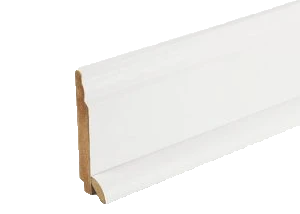
Alternative option is to keep the skirtings in place and add a quarter round on top of the skirting, usually the most cost effective option due to no damage to the skirtings or paint.
1. Height: If the new flooring is thicker than the existing flooring, you may need to replace the skirting to ensure a proper fit and avoid any gaps or unevenness.
2. Style: If you want to maintain a consistent look, you might want to replace the skirting to match the new flooring's style or color.
3. Damage: If the existing skirting is damaged, rotten, or has been removed, it's a good idea to replace it to prevent any further damage or water intrusion.
4. Moisture: If you're installing Vinyl SPC Flooring in a bathroom, kitchen, or laundry room, it's recommended to replace the skirting to ensure a watertight seal and prevent water damage.
However, if the existing skirting is:
1. In good condition
2. The correct height
3. Compatible with the new flooring
You can likely reuse it. It's always a good idea to consult with a professional installer for specific guidance on your situation. They can assess the existing skirting and advise on the best course of action.
Q - Where to use Quarter Rounds with Vinyl SPC Flooring Installation
Quarter rounds are a type of molding used to cover the expansion gap between the SPC vinyl flooring and the wall. They are typically used in conjunction with baseboards (skirting) to create a seamless look. Here are some scenarios where you might use quarter rounds with SPC vinyl flooring:
1. Along walls: Use quarter rounds to cover the expansion gap between the flooring and the wall, creating a smooth transition.
2. Around doorways: Quarter rounds can be used to cover the expansion gap around doorways, creating a clean and finished look.
3. In corners: Use quarter rounds to cover the expansion gap in corners, where the flooring meets the wall.
4. Under baseboards: Quarter rounds can be used under baseboards to cover the expansion gap and create a seamless look.
5. In areas with high traffic: Quarter rounds can be used in high-traffic areas to protect the flooring and walls from damage.
Remember to choose quarter rounds that match the color and style of your baseboards and SPC vinyl flooring to maintain a consistent look.
Q - Do Vinyl SPC flooring installation require expansion gaps
Yes, Vinyl SPC flooring installation requires expansion gaps. Expansion gaps are essential to allow the flooring to expand and contract with temperature and humidity changes. This helps to:
1. Prevent buckling or warping
2. Reduce stress on the flooring
3. Allow for proper installation
4. Ensure a long-lasting and durable installation
Typical expansion gap requirements for Vinyl SPC flooring:
1. Minimum 6 mm gap around the perimeter of the room
2. Minimum 12 mm gap around fixed objects (e.g., plumbing fixtures, heating vents)
3. Minimum 6 mm gap between the flooring and any adjacent flooring or surfaces
Remember to consult the manufacturer's specific installation instructions for the recommended expansion gap requirements, as they may vary.
Proper expansion gaps ensure a successful installation and help prevent future issues with your Vinyl SPC flooring.
Q - Where do I use Expansion/Transition; Reducers/Adjustment and End Profiles with SPC Vinyl flooring installation
1. Expansion/Transition Profiles:
- Use between two floors of same heights or types (e.g., SPC Vinyl to SPC Vinyl)
- Use where SPC Vinyl flooring meets another flooring material (e.g., tile, wood)
- Use in doorways, hallways, or rooms where flooring expands/contracts
2. Reducers/Adjustment Profiles:
- Use where SPC Vinyl flooring meets a lower flooring surface (e.g., carpet, tile)
- Use to adjust height differences between floors
- Use to create a smooth transition between floors
3. End Profiles:
- Use at the end of a row or run of SPC Vinyl flooring
- Use where flooring meets a wall or fixed object (e.g., Sliding doors, Windows, plumbing fixture, heating vent)
- Use to create a finished look and conceal expansion gaps
Additional tips:
- Use profiles to create a smooth, even transition between floors
- Choose profiles that match the color and style of your SPC Vinyl flooring
- Follow manufacturer instructions for specific profile usage and installation
By using the right profiles in the right places, you'll achieve a professional-looking installation and ensure a long-lasting, durable SPC Vinyl flooring system.
Q - Do SPC Vinyl Boards need to be acclimatised before installation
Yes, SPC Vinyl Boards typically require acclimation before installation. Acclimation is the process of allowing the flooring material to adjust to the temperature and humidity conditions of the installation environment. This helps to:
1. Reduce shrinkage and expansion
2. Prevent warping or buckling
3. Ensure proper fit and installation
4. Minimize gaps and cracks
Acclimation requirements for SPC Vinyl Boards:
1. Time: Typically 24-48 hours in the installation environment
2. Temperature: Between 15°C to 27°C
3. Humidity: Between 40% to 60% relative humidity
4. Packaging: Leave the flooring in its original packaging during acclimation, tear the plastic cover to allow air flow
Note:
- Check the manufacturer's specific acclimation requirements, as they may vary
- Acclimation is crucial for successful installation and warranty validation
- Failure to acclimate may lead to installation issues and potential warranty voidance
Remember, proper acclimation ensures a successful installation and a long-lasting, high-quality floor.

Rigid-core click vinyl ranges with nationwide delivery across South Africa.
Browse Products →
Wear layer specs, waterproof facts, subfloor requirements and installation guides.
Read Overview →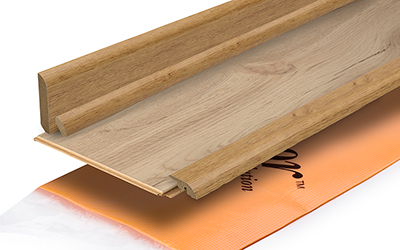
Door profiles, skirting boards and installation kits for SPC click floors.
View Accessories →Showing all 7 results
-

Finfloor Diamond Core SPC plus 6.5mm Vinyl Flooring
R460.00 m2 -

Finfloor Sapphire SPC Wide Board 5.5mm
R388.00 m2 -

Greentouch Atomic SPC Rigid Vinyl 5.2mm
R488.00 m2 -
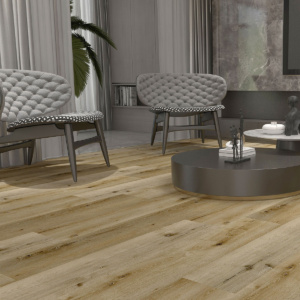
Floornet Milano SPC Rigid Vinyl 7mm
R539.01 m2 -
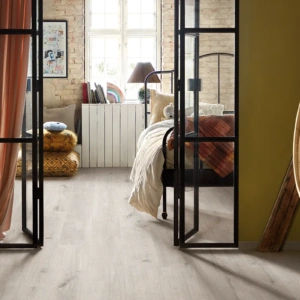
Pergo Glomma Pad Pro 6mm Class 33 Waterproof Rigid Vinyl (SPC)
R601.00 m2 -

Como Artica SPC 6.5mm Lifetime Residential Waterproof Luxury Vinyl Flooring
R791.00 m2 -
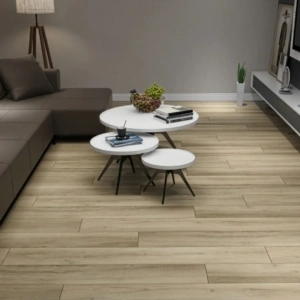
Como Numi Wide 5.0 SPC 5mm Lifetime Residential Waterproof Luxury Vinyl Flooring
R425.99 m2