

AccountWishlistCart
FlooringStore.co.za

Engineered Hardwood Flooring Overview

Engineered hardwood flooring combines the beauty of real wood with enhanced durability and stability. It's made to withstand moisture and temperature changes better than solid hardwood, making it suitable for a variety of environments, including basements and kitchens.
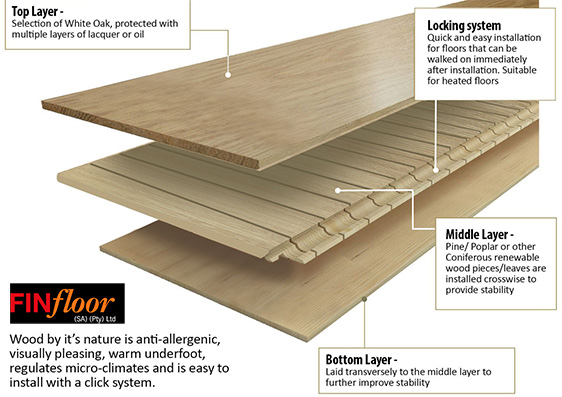
Engineered Hardwood Construction Layers

Product Construction

  1. Top Layer (Veneer): A real hardwood layer that provides the natural look and feel of traditional wood flooring.
  2. Core Layers: Multiple layers of plywood or high-density fiberboard (HDF) arranged cross-grain for strength and resistance to warping.
  3. Backing Layer: A stabilizing layer that adds moisture resistance and balance to the structure.

Installation Options

  1. Glue-Down: Adhesive bonds the planks to the subfloor. Ideal for concrete subfloors and high-traffic areas.
  2. Floating: Planks lock together without attachment to the subfloor. Quick, DIY-friendly, perfect for moisture-prone rooms.
  3. Nail-Down: Planks are nailed to a wood subfloor, providing a secure fit. Best for thicker planks in rooms like living areas.

Summary

Engineered hardwood offers the beauty of real wood with enhanced stability, making it ideal for various environments. Installation methods include glue-down, floating, and nail-down, providing flexibility for different spaces.
Moisture Resistance
Moisture Resistance

More resistant to moisture and humidity than solid hardwood, making it suitable for areas like basements, kitchens, and bathrooms where solid wood might warp or swell.

Durability and Stability

The multi-layer construction (plywood or HDF core) provides enhanced stability, reducing the risk of warping, cupping, or expanding in environments with fluctuating temperatures.

Versatility in Installation

Can be installed via glue-down, floating, or nail-down methods, making it flexible for different subfloors, including concrete, wood, or existing flooring. Ideal for DIY installations, especially with the floating click lock system.

Aesthetic Appeal
Aesthetic Appeal

Features a real wood veneer, offering the same natural beauty and texture as solid hardwood. Available in various wood species, colors, and finishes.

Sanding and Refinishing

High-quality engineered hardwood can be sanded and refinished (depending on the thickness of the veneer) several times, allowing you to restore its look or change the finish, just like solid hardwood.

Wider Plank Options
Wider Plank Options

Due to its stability, engineered hardwood is available in wider planks than solid hardwood, offering more design flexibility.

Eco-Friendly
Eco-Friendly

Uses less real hardwood than solid wood, making it a more sustainable and environmentally friendly option.

Easier Maintenance
Easier Maintenance

Requires only regular sweeping or vacuuming and is often more resistant to scratches and dents than solid wood.
Compatibility with Radiant Heating

Suitable for underfloor radiant heating systems, which solid hardwood generally cannot accommodate.

Cost-Effective
Cost-Effective

Typically more affordable than solid hardwood, providing a budget-friendly option while retaining the beauty of real wood.

Pre-Finished Planks
Pre-Finished Planks

Many engineered hardwood planks come pre-finished, meaning no additional sanding, staining, or varnishing is needed after installation. This reduces labor and time compared to unfinished floors that need to be sealed on-site.

Quality of Engineered Hardwood Flooring

When choosing engineered hardwood flooring, the quality can vary significantly depending on several factors, such as the thickness of the wear layer, core material, and overall construction. Here's what to look for when evaluating different qualities of engineered hardwood flooring:

Wear Layer Thickness
Engineered hardwood with a wear layer of 3mm to 6mm allows for sanding and refinishing multiple times, significantly extending the lifespan of the floor. A thicker wear layer also adds durability and resistance to surface damage from scratches, dents, and daily wear.
Core Material
A multi-ply plywood or high-density fiberboard (HDF) core provides excellent stability and resistance to moisture, helping prevent warping, cupping, or expanding due to changes in humidity and temperature. Multi-layer cores (5-9 layers) enhance the structural integrity of the floor.
Veneer Species and Grade
Made from premium wood species like oak, maple, hickory, or walnut, with a smooth, consistent surface. Higher grades like "select" or "premium" have minimal knots and imperfections, resulting in a cleaner, more refined appearance.
Finish
Durable finishes like aluminum oxide or UV-cured polyurethane provide excellent resistance to scratches, wear, and fading. These finishes extend the life of the floor and reduce the need for frequent maintenance.
Board Thickness
Engineered hardwood with a thickness of 5/8 inch or more provides better durability, stability, and comfort underfoot. Thicker boards also offer better sound insulation and contribute to the overall strength of the flooring.
Plank Size
Wider and longer planks (usually 5 inches or more in width and longer lengths) provide a more luxurious and modern look, creating an expansive, seamless appearance in larger rooms. These sizes are generally preferred in high-end installations.
Installation Options
Supports various installation methods, including floating, glue-down, and nail-down. High-end products offer secure, easy-to-use interlocking systems, ensuring tight seams and easier installation. This flexibility allows the flooring to be installed in various environments, including over concrete, wood, or existing floors.
Moisture and Temperature Resistance
Engineered hardwood floors with a strong multi-ply or HDF core are more resistant to moisture and fluctuations in temperature, making them suitable for areas like basements, kitchens, and bathrooms. The cross-grain construction prevents significant movement due to humidity changes, reducing the risk of warping or cupping.
Warranty
Premium engineered hardwood floors often come with warranties ranging from 20 to 30 years, or even lifetime warranties, which reflect confidence in the product's durability and performance. These warranties typically cover structural integrity and surface wear.
Summary: What to Look For
  • Wear Layer: Look for at least 3mm thickness for refinishing capabilities and long-term durability.
  • Core Material: A multi-ply plywood or HDF core provides better stability and moisture resistance.
  • Veneer Grade: Opt for high-grade species and smooth, consistent veneers for durability and aesthetics.
  • Finish: Durable coatings like aluminum oxide or UV-cured finishes protect against scratches and wear.
  • Board Thickness: Choose 5/8 inch or thicker boards for greater durability and comfort underfoot.
  • Plank Size: Wider and longer planks create a more premium, spacious look.
  • Installation: Flexibility in installation methods ensures easy and secure installation across different subfloors.
  • Moisture Resistance: Choose floors with high moisture resistance for use in areas like kitchens and basements.
  • Warranty: A warranty of 20-30 years or more indicates higher quality and durability.

Maintain, Care and Cleaning of Engineered Hardwood Floors

Proper maintenance and cleaning of engineered hardwood flooring can extend its lifespan and keep it looking beautiful for years. Here's a guide to help you care for your floors:

Daily / Regular Cleaning
Sweep or Vacuum
Regularly sweep with a soft-bristle broom or vacuum (using a hardwood floor attachment without a beater bar) to remove dust, dirt, and debris. This prevents small particles from scratching the surface.
Damp Mop
Use a damp (not wet) microfiber mop with water or a cleaner specifically designed for engineered hardwood. Ensure the mop is only lightly damp to avoid excess water, which can damage the floor over time.
  • Tip: Avoid traditional wet mops or steam mops, as too much moisture can cause the planks to warp or swell.
Dealing with Spills and Stains
Wipe Spills Immediately
Blot spills with a dry or slightly damp cloth as soon as they occur. Avoid letting liquids sit on the surface, as they can seep into the seams and cause damage.
Tough Stains
For stubborn stains like food or drink spills, use a soft cloth with a manufacturer-recommended hardwood cleaner. Avoid abrasive scrubbing that could damage the finish.
Preventing Damage
Furniture Pads
Attach felt pads to the bottom of furniture legs to prevent scratches and dents when moving furniture.
Rugs and Mats
Use area rugs in high-traffic areas (e.g., entryways, hallways) and mats at entrances to trap dirt and moisture before it reaches the floor.
  • Tip: Use rugs with non-slip backing that won't trap moisture against the floor.
Avoid High Heels
High heels can cause dents or scratches on the floor. Encourage guests to remove shoes when walking on your hardwood floors.
Long-Term Maintenance
Reapplying Finish
Over time, the finish on engineered hardwood may wear down, especially in high-traffic areas. You can reapply a protective finish or polish as needed, but ensure the product is compatible with your floor's existing finish (e.g., oil-based or water-based polyurethane).
Sanding and Refinishing
If your engineered hardwood has a thick wear layer (3mm or more), it can be sanded and refinished once or twice during its lifetime. Consult a professional for this service to restore its appearance.
What to Avoid
Excessive Moisture
Avoid excessive water, steam mops, and harsh cleaning products like ammonia or bleach, which can damage the floor's finish.
Abrasive Tools
Do not use scouring pads, steel wool, or abrasive cleaning agents that can scratch or dull the finish.
Direct Sunlight
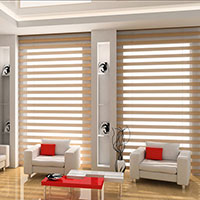
Over time, direct sunlight can cause fading or discoloration. Use blinds or curtains to protect your floors from UV rays.
Seasonal Care
Humidity Control
Maintain indoor humidity between 35–55% to prevent the planks from shrinking, swelling or gapping. Use a humidifier in winter and dehumidifier in summer if needed.
Click outside to hide the comparison bar
Compare