


Vinyl LVT Glue Down Overview:
1. Overview of Vinyl LVT (Luxury Vinyl Tile)
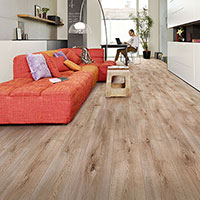
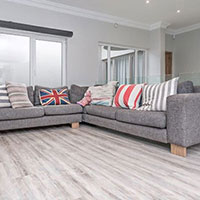
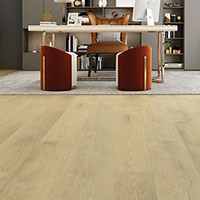
Vinyl LVT (Luxury Vinyl Tile) mimics the look of wood or stone while being durable, water-resistant, and easy to maintain. The glue-down version requires adhesive to bond tiles or planks to the subfloor, making it a stable and long-lasting choice for residential and commercial spaces.
2. Construction of Vinyl LVT Glue-Down Flooring
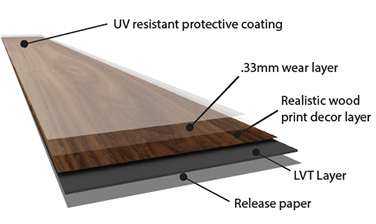
Vinyl LVT consists of several layers:
- Wear Layer: Protects against scratches and stains.
- Design Layer: Printed to replicate natural materials like wood or stone.
- Core Layer: Provides stability and support.
- Backing Layer: Helps with adhesion and structure.
- Adhesive Layer: Glue is applied during installation to bond the vinyl to the subfloor.
3. Installation Process
Materials Needed: LVT planks/tiles, adhesive, trowel, utility knife, measuring tape, roller.
- Prepare Subfloor: Ensure it's clean, smooth, and dry.
- Self Levelling Screed: To ensure the best finish it is recommended to apply a layer of selflevelling screed for the LVT planks to be installed on (typically 3mm to 6mm thick depending on the subfloor condition. Give about 48 to 72 hours to dry out, weather and manufacturer dependent.
- Acclimate the Flooring: Leave the LVT in the room for 24-48 hours before installation.
- Plan Layout: Measure and mark the center of the room, dry-fit tiles.
- Apply Adhesive: Spread adhesive on small sections of the subfloor.
- Lay the Tiles: Place tiles in adhesive, cutting tiles for edges.
- Roll the Floor: Use a roller to press tiles into the adhesive.
- Cure: Allow adhesive to cure (24-48 hours) before heavy traffic.
- Clean and Finish: Remove excess adhesive and clean the floor.

Glued directly to subfloor — no shifting, lifting or buckling under heavy traffic.

LVT is water resistant — avoid excessive water on seams as it can affect the adhesive.

Lower material cost than click SPC or floating systems. Minimal maintenance costs long-term.

Sweep, damp mop with pH-neutral cleaner. No waxing, polishing or refinishing required.

Glue-down does not expand and contract like floating floors — seamless wall-to-wall coverage.
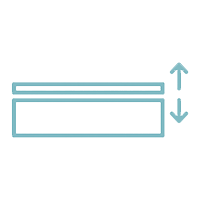
2–5mm total thickness — ideal for renovations over existing floors with minimal height change.

UV-cured wear layer protects colour and design from direct sunlight exposure.

Compatible with radiant heating systems — efficient heat transfer through the thin profile.

Ideal for large open areas — seamless installation with no transition strips required.

Individual damaged planks can be replaced without lifting the entire floor.

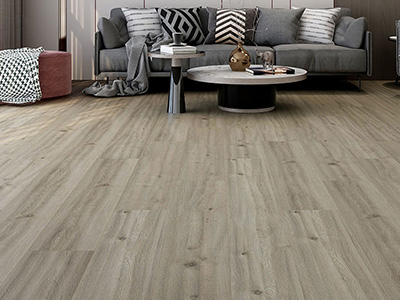
High-definition print layer mimics wood, stone and tile with embossed texture finishes.

Many products offer FloorScore-certified low-VOC options for better indoor air quality.
Quality of Vinyl LVT Flooring
When evaluating LVT glue-down flooring, these factors determine quality and suitability:
- Wear Layer — The transparent protective top layer. Thicker = more durable and longer lasting.
- Overall Thickness — 2–3mm is standard residential; 4–5mm gives better stability and sound.
- Subfloor Requirement — Glue-down LVT requires a smooth, flat, dry subfloor. Self-levelling screed (3–6mm) is recommended before installation.
- Certification — Look for FloorScore (low VOC) and ASTM/ISO compliance. Technical data sheets are available as a download on each product page.
Wear Layer Thickness Guide
LVT does not use the AC rating system. Durability is determined by wear layer thickness — the transparent layer above the décor print.
Residential Use
| Wear Layer | Suitable for | |
|---|---|---|
| 0.15–0.20mm6–8 mil | Bedrooms, guest rooms — light traffic | |
| 0.25mm10 mil | Living rooms, dining rooms, kitchens — general use | |
| 0.30–0.50mm12–20 mil | All areas incl. kitchens — heavy residential + light commercial |
Commercial Use
| Wear Layer | Suitable for | |
|---|---|---|
| 0.30–0.40mm12–16 mil | Small offices, boutiques, hotel rooms — light commercial | |
| 0.50mm20 mil | Offices, retail stores, restaurants — medium commercial | |
| 0.55mm+22 mil+ | Hospitals, airports, department stores — heavy public traffic |
Industry Equivalents
- AC3 equivalent — LVT with 0.25 – 0.40mm wear layer (moderate residential/light commercial)
- AC4 equivalent — LVT with 0.40mm - 0.50mm or thicker wear layer (general commercial use)
Caring for Your LVT Vinyl Floor
LVT glue-down floors are durable and low maintenance. Proper care protects both the wear layer and the adhesive bond underneath.
⚠ Do Not Use Rubber-Backed Mats on LVT or Any Vinyl Flooring
Antioxidants in rubber react chemically with vinyl plasticizers through a process called plasticizer migration, causing a permanent, irreversible yellow stain. The discolouration develops slowly over weeks and is only discovered when the mat is moved — by which point the damage cannot be reversed.
- Rubber furniture feet — use felt pads only
- Rubber wheels on carts, trolleys or appliances
- Any "non-slip" mat unless specifically marked vinyl-safe
✓ Safe alternatives: cotton, jute, felt or polymer mesh-backed mats
Daily Care
- Sweep daily with a soft-bristle broom or vacuum without a beater bar — removes grit before it scratches
- Damp mop with a well-wrung microfibre mop and pH-neutral cleaner — never flood the floor
- Wipe spills immediately — LVT is water resistant but excessive water on seams can affect the adhesive
- Lift heavy furniture rather than drag — use felt pads, never rubber feet
Cleaning Products
- Use: pH-neutral vinyl or LVT floor cleaner, or mild soapy water
- Use: Manufacturer-recommended products for stubborn marks
- Avoid: Bleach, ammonia-based cleaners, harsh solvents
- Never: Wax or polish — LVT needs no coating and build-up dulls the finish
- Never: Steam cleaners — heat damages the adhesive bond and wear layer seams
- Never: Steel wool, scouring pads or abrasive powders
Stains & Scuffs
- Light scuffs: Buff with a soft cloth — often removes with water alone
- Stubborn marks: Melamine foam sponge (Magic Eraser) used gently — do not scrub hard
- Ink or marker: Isopropyl alcohol on a soft cloth, rub gently then rinse with clean water
- Grease: Small amount of mineral spirits on cloth — do not over-apply
Preventative Measures
- Place vinyl-safe doormats (cotton, jute or felt) at all entrances — never rubber-backed
- Felt pads under all furniture legs — check and replace periodically as they compress
- Avoid stiletto heels — concentrated point load can gouge the wear layer
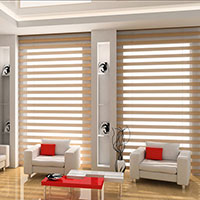
- Use blinds or curtains to reduce prolonged direct sun in full-sun rooms
- Avoid dragging appliances or heavy objects — place on a board or felt sheet to slide
Periodic Deep Clean
Every few months, sweep thoroughly then mop with a manufacturer-recommended vinyl cleaner. Allow the floor to dry completely. Never allow standing water — a well-wrung damp mop is always sufficient. Do not flood the floor at any time as this risks seeping under planks and compromising the adhesive bond.
Adhesive specs, subfloor requirements, wear layer data and installation guides.
Read FAQ →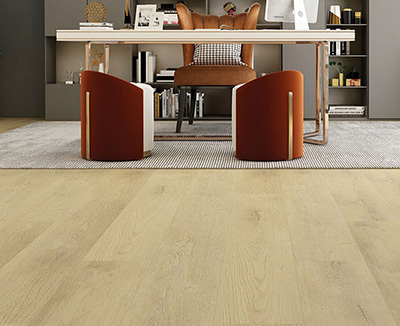
Glue-down luxury vinyl ranges with nationwide delivery across South Africa.
Browse Products →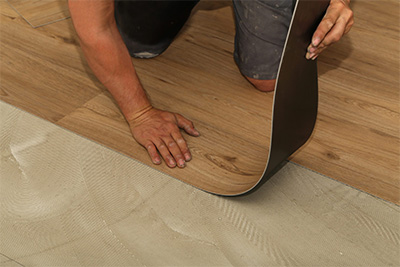
Adhesives, primers, self-levelling screed and door profiles for glue-down installations.
View Accessories →