



The Ultimate South African Flooring Guide: Part 7
Acclimatisation: Why Your Floor Needs to "Breathe"
Whether you are upgrading to warm laminate, waterproof SPC rigid core, or professional-grade LVT glue-down, there is one critical step you must never skip: acclimatisation.
Flooring materials naturally expand and contract based on their environment. Acclimatisation allows your new flooring to adjust to the unique temperature and humidity of the specific room where it will be installed.
Failing to acclimatise your floor leads to disastrous post-installation issues like severe warping, buckling, or unsightly gapping. Furthermore, skipping this step will immediately void your manufacturer's warranty.
1. Location is Everything: The "In-Room" Rule
You cannot acclimatise your flooring in a cold garage, a covered patio, or a humid storage shed. The environment in your garage is completely different from your living room.
- The Golden Rule: The boxes of flooring must be placed directly into the exact room where they will be installed.
- Climate Control: The installation environment must match normal living conditions. If the room will be air-conditioned or heated daily, run those systems during the acclimatisation period.
- New Builds & Wet Trades: Never acclimatise flooring in a room where painting, plastering, or pouring self-levelling screed is still happening. The air is too humid, and the floor will absorb that moisture.
2. The Science of Cross-Stacking (The 3-Box Rule)
Leaving 20 boxes stacked perfectly on top of one another on a pallet is not acclimatising. The boxes in the middle of that dense pile will never reach room temperature because there is no airflow. However, stacking them incorrectly can permanently damage the planks.
📦 How to Stack Safely
- Keep It Flat: Always store the unopened boxes completely flat on the floor. Never lean them upright against a wall, as this will cause the planks to bow permanently.
- The 3-Box Cross-Stack Method: To create airflow while properly supporting the planks, use the 3-box rule. Lay three boxes parallel to each other on the floor (one at each end and one perfectly in the middle to provide center support). Then, lay the next three boxes across them at a 90-degree angle.
- Tear the Plastic: While the planks should remain in their boxes, you should slice open or tear the plastic shrink-wrap covering the boxes. This allows the room's air to circulate freely around every single plank.
3. Material-Specific Acclimatisation Rules
Different core materials react differently to South African weather extremes. Here is exactly how to handle each type of floor.
🛑 LAMINATE (FLOATING)
Laminate features an HDF core. Because it is wood-based, it acts like a sponge and is highly sensitive to changes in both humidity and temperature.
- Timeframe: Minimum 48 hours (72 hours for extreme coastal humidity).
- Room Conditions: 18°C to 25°C, with RH levels of 45% to 65%.
- The Risk: Cold laminate will swell post-install, causing "peaking" at joints or total floor buckling.
🛑 SPC RIGID CORE (FLOATING)
There is a myth that SPC requires zero acclimatisation because of its limestone core. This is dangerous and false.
- Timeframe: Strictly 24 to 48 hours in the installation environment.
- Room Conditions: 15°C to 27°C, with RH levels of 40% to 60%.
- The Risk: Cold makes locking lips brittle; tapping freezing SPC planks together will shatter the joints.
✅ LVT (GLUE-DOWN)
Luxury Vinyl Tiles are made from flexible PVC. They expand and contract heavily with temperature fluctuations and require stability before the adhesive is applied.
- Timeframe: 24 to 48 hours prior to installation.
- Room Conditions: 15°C to 27°C, with RH levels of 30% to 60%.
- The Risk: Cold LVT will expand as the room warms, causing edges to curl (cupping) and lift off the adhesive.
4. The Warranty Inspector's Checklist
No matter which floor you choose, patience is key. Rushing an installation is the leading cause of failed flooring projects. If your floor fails and you submit a claim, inspectors will immediately look for acclimatisation failure.
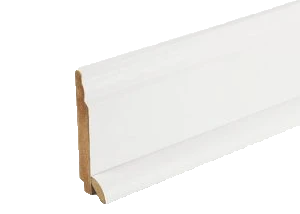
- Assessors will check the expansion gaps under your skirtings. If there is no gap left, they know the floor swelled post-installation.
- They will check the ambient humidity and subfloor moisture levels.
- The Verdict: If you cannot prove the floor was correctly cross-stacked (fully supported) and acclimatised inside the home, the warranty claim will be instantly denied.