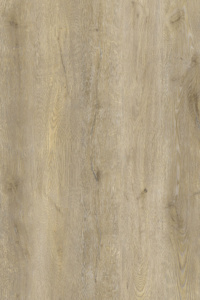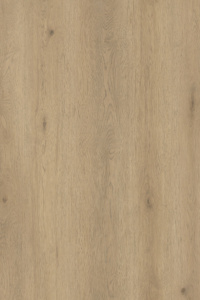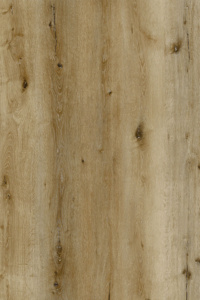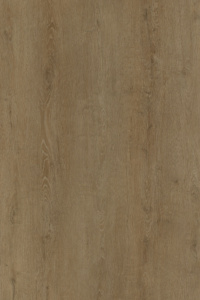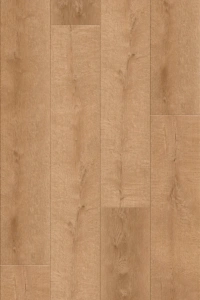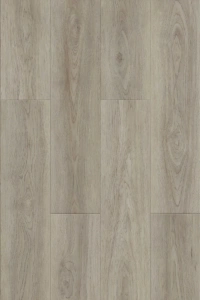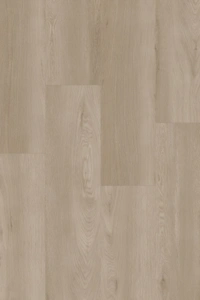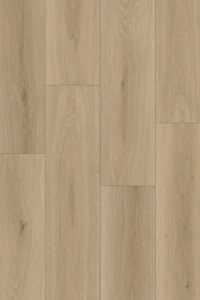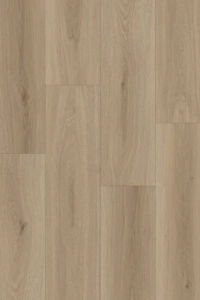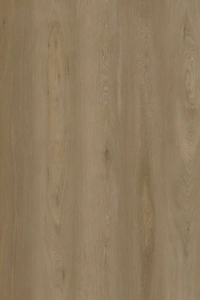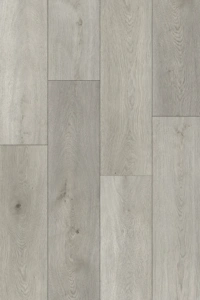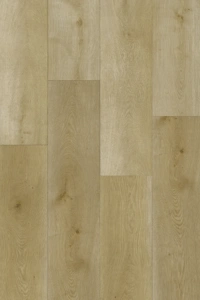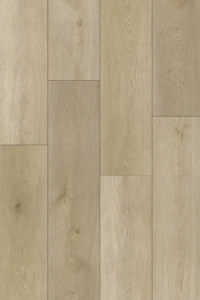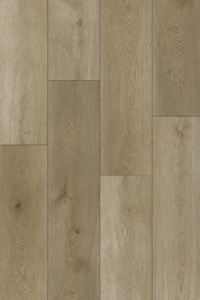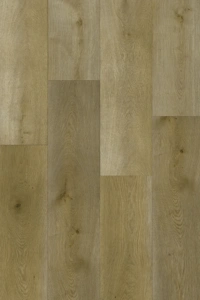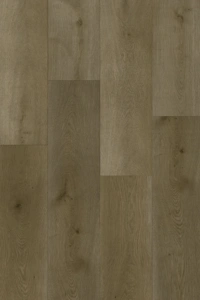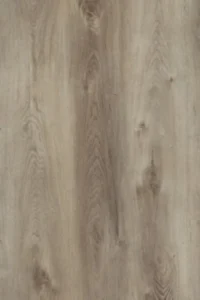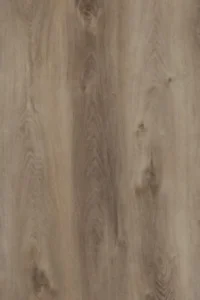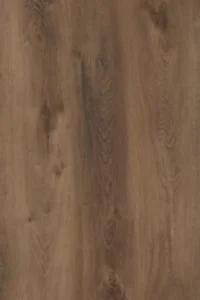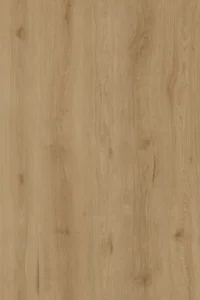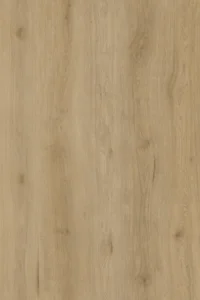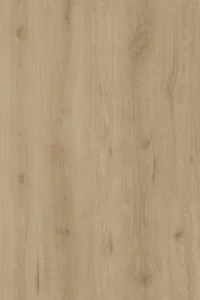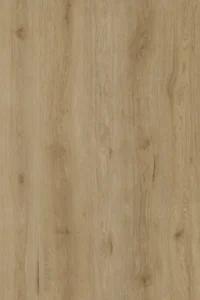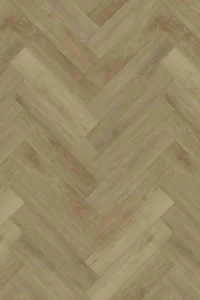



Vinyl LVT Glue Down system frequently asked questions
Q - What does LVT stand for
LVT stands for Luxury Vinyl Tile (or Luxury Vinyl Tiles). It's a type of flooring that combines the benefits of vinyl flooring with the look and feel of natural materials like wood or stone.
Q - Is Vinyl LVT glue down Flooring seen as a DIY flooring product
Vinyl LVT glue-down flooring can be a bit more challenging for DIY installation compared to other types flooring, such as click-lock or floating floors. Here's why:
1. Adhesive application: Glue-down LVT requires the application of a specialized adhesive, which can be messy and requires some skill.
2. Subfloor preparation: The subfloor needs to be perfectly level, clean, and dry, which can be time-consuming and require some expertise. If this is not the case then a self levelling screed need to be applied resulting in a smooth surface.
3. Alignment and spacing: The flooring needs to be carefully aligned and spaced to ensure a proper fit and appearance.
4. Cutting and fitting: Cutting and fitting the flooring around obstructions, such as plumbing fixtures or heating vents, can be tricky.
However, with the right tools, patience, and attention to detail, a DIY enthusiast can still successfully install glue-down LVT flooring. It's essential to:
1. Follow the manufacturer's instructions and guidelines.
2. Prepare the subfloor properly.
3. Use the right adhesive and application techniques.
4. Take your time and work methodically.
If you're unsure or lack experience, consider consulting a professional installer for a stress-free and high-quality installation.
Q - What are the benefits of Vinyl LVT glue down flooring
Vinyl LVT glue-down flooring offers several benefits, including:
1. Durability: Glue-down LVT is highly resistant to wear and tear, scratches, and dents.
2. Water resistance: Glue-down LVT is waterproof, making it ideal for areas prone to moisture, like kitchens and bathrooms.
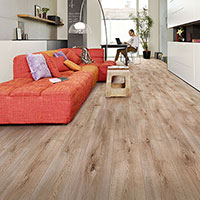
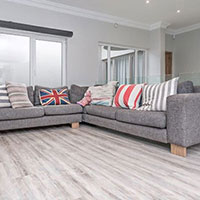
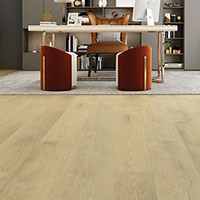
3. Realistic designs: Glue-down LVT offers realistic wood and stone looks, adding aesthetic value to your space.
4. Low maintenance: Glue-down LVT is easy to clean and maintain, with no need for refinishing or polishing.
5. Cost-effective: Glue-down LVT is often more affordable than natural stone or wood flooring.
6. Versatility: Glue-down LVT can be installed in various settings, from residential to commercial, and in different rooms, like basements and bathrooms.
7. Noise reduction: Glue-down LVT can help reduce noise levels, making it a great choice for multi-story buildings.
8. No expansion gap required: Glue-down LVT does not require expansion gaps, creating a seamless look.
9. High traffic resistance: Glue-down LVT can withstand heavy foot traffic, making it suitable for commercial spaces.
10. Long lifespan: Glue-down LVT can last up to 20 years or more with proper installation and maintenance.
Overall, vinyl LVT glue-down flooring offers a durable, low-maintenance, and visually appealing solution for various flooring needs.
Q - Is LVT vinyl flooring waterproof
es, LVT (Luxury Vinyl Tile) flooring is generally considered waterproof. In fact, one of the key benefits of LVT flooring is its high level of water resistance. Here's why:
1. Waterproof core: LVT flooring has a waterproof core made from materials like PVC or stone plastic composite.
2. Water-resistant wear layer: The wear layer on top of the core is also water-resistant, making it difficult for water to penetrate.
3. Tight-fitting seams: LVT flooring is designed with tight-fitting seams that prevent water from seeping through.
4. Glue-down installation: Glue-down LVT flooring is installed using a waterproof adhesive, ensuring a watertight seal.
However, it's important to note that while LVT flooring is waterproof, it's not necessarily "waterproof" in all situations. For example:
- Flooding: If the flooring is submerged in water for an extended period, water may seep through the seams or edges.
- Poor installation: If the flooring is not installed correctly, water may find its way through gaps or seams.
To maintain the waterproof integrity of LVT flooring:
- Ensure proper installation
- Regularly inspect and maintain the flooring
- Clean up spills promptly
- Avoid using excessive water when cleaning
By following these guidelines, you can enjoy the benefits of waterproof LVT flooring in your home or commercial space.
Q - How is LVT vinyl flooring made
LVT (Luxury Vinyl Tile) flooring is made through a multi-step process:
1. Raw Materials: PVC (Polyvinyl Chloride) resin, plasticizers, fillers, and additives are combined to create the vinyl material.
2. Compounding: The vinyl material is mixed with pigments, UV stabilizers, and other additives to enhance performance and appearance.
3. Sheet Production: The compounded vinyl is then formed into a sheet using various manufacturing processes, such as extrusion or calendering.
4. Printing: The sheet is then printed with a design, pattern, or texture using advanced printing technologies.
5. Wear Layer: A clear wear layer is applied on top of the printed sheet to provide durability and scratch resistance.
6. Core Layer: A stabilizing core layer is added to provide dimensional stability and support.
7. Backing Layer: A backing layer is applied to the bottom of the core layer for added stability and moisture protection.
8. Cutting: The LVT sheet is then cut into individual tiles or planks.
9. Finishing: The edges are finished, and any additional coatings or treatments are applied.
10. Quality Control: The final product undergoes rigorous testing for quality, performance, and appearance.
Manufacturers may vary in their specific processes, but this gives you a general idea of how LVT vinyl flooring is made!
Q - Can LVT vinyl flooring be installed in high-traffic areas
LVT (Luxury Vinyl Tile) flooring is a popular choice for high-traffic areas due to its durability and resistance to wear and tear. Here's why:
1. High durability: LVT flooring is designed to withstand heavy foot traffic, making it ideal for commercial spaces, public areas, and busy households.
2. Scratch resistance: The wear layer on LVT flooring provides excellent scratch resistance, reducing the appearance of scratches and scuffs.
3. Stain resistance: LVT flooring is resistant to stains, making it easy to clean and maintain in high-traffic areas.
4. Water resistance: LVT flooring is water-resistant, making it perfect for areas prone to moisture, such as kitchens, bathrooms, and entryways.
5. Easy maintenance: LVT flooring is simple to clean and maintain, even in high-traffic areas.
6. Long lifespan: LVT flooring can last up to 20 years or more, even in high-traffic areas, with proper installation and maintenance.
Some popular high-traffic areas where LVT flooring is often installed include:
1. Commercial spaces (offices, retail stores, restaurants)
2. Public areas (airports, hospitals, schools)
3. Busy households (large families, pets)
4. Kitchens
5. Bathrooms
6. Entryways
7. Hallways
8. Stair landings
When installing LVT flooring in high-traffic areas, consider:
1. Choosing a thicker wear layer (0.5mm or higher) for added durability.
2. Selecting a product with a high AC (Abrasion Class) rating for superior scratch resistance.
3. Properly installing the flooring to ensure a secure and even fit.
4. Regularly cleaning and maintaining the flooring to prevent dirt buildup and damage.
By following these guidelines, LVT vinyl flooring can withstand the demands of high-traffic areas and maintain its appearance and performance over time.
Q - Is LVT glue down vinyl flooring eco-friendly
LVT (Luxury Vinyl Tile) glue-down vinyl flooring can have both positive and negative impacts on the environment, depending on various factors. Here's a balanced view:
Positive aspects:
1. Durability: LVT flooring is long-lasting, reducing the need for frequent replacements and waste generation.
2. Low maintenance: LVT flooring requires minimal cleaning and maintenance, reducing the use of cleaning products and water.
3. Recyclable: Some LVT products are recyclable, reducing waste and promoting sustainability.
4. Indoor air quality: LVT flooring can contribute to better indoor air quality by reducing moisture and mold growth.
Negative aspects:
1. PVC content: LVT flooring is made from PVC (Polyvinyl Chloride), a material that has environmental and health concerns.
2. VOC emissions: LVT flooring can emit Volatile Organic Compounds (VOCs), contributing to indoor air pollution.
3. Adhesive chemicals: The glue-down installation process involves adhesives that can contain harmful chemicals.
4. Manufacturing process: The production of LVT flooring requires energy and resources, generating greenhouse gas emissions.
To make LVT glue-down vinyl flooring more eco-friendly:
1. Choose products with high recycled content.
2. Opt for phthalate-free and VOC-free products.
3. Select manufacturers with sustainable practices.
4. Consider reuse and recycling options.
5. Install flooring correctly to reduce waste.
While LVT glue-down vinyl flooring is not entirely eco-friendly, it can be a more sustainable option than other flooring types if chosen and installed responsibly.
Q - How durable is LVT vinyl flooring
LVT (Luxury Vinyl Tile) vinyl flooring is known for its exceptional durability and resistance to wear and tear. Here are some aspects that contribute to its durability:
1. Wear Layer: LVT flooring has a thick wear layer (typically 0.5mm to 1.5mm) that protects it from scratches, scuffs, and fading.
2. Vinyl material: LVT flooring is made from high-quality vinyl that is resistant to cracks, dents, and chips.
3. Water resistance: LVT flooring is highly resistant to water damage, making it perfect for areas prone to moisture.
4. Scratch resistance: LVT flooring is designed to withstand heavy foot traffic and resist scratches from furniture, pets, and daily wear.
5. Stain resistance: LVT flooring is easy to clean and resistant to stains from spills, dirt, and grime.
6. Fading resistance: LVT flooring is designed to resist fading from sunlight exposure, maintaining its color and appearance.
7. Impact resistance: LVT flooring can withstand heavy impacts, such as dropped objects, without sustaining significant damage.
With proper installation and maintenance, LVT vinyl flooring can last:
- 10 to 20 years in high-traffic commercial areas
- 15 to 30 years in medium-traffic residential areas
- 20 to 40 years in low-traffic residential areas
Keep in mind that the lifespan of LVT flooring depends on various factors, including quality, maintenance, and usage.
Q - Can I install LVT vinyl flooring over existing flooring
Yes, you can install LVT (Luxury Vinyl Tile) vinyl flooring over existing flooring, but it's crucial to ensure the subfloor is level, clean, and dry. Here are some guidelines:
1. Check the existing flooring: Ensure the existing flooring is securely attached to the subfloor and in good condition.
2. Leveling: Verify the subfloor is level and even. If the sub floor is not even then a self levelling screed need to be applied, as a rule of thumb for a good installation self levelling screed is a requirements and best always applied with glue down LVT's
3. Cleanliness: Thoroughly clean the existing flooring to remove dirt, adhesive, or other substances that might interfere with the new installation.
4. Dryness: Ensure the subfloor is dry, as moisture can affect the adhesive and installation.
5. Underlayment: Consider installing an underlayment material (e.g., plywood, cement-based underlayment, or a specialized LVT underlayment) to provide a smooth surface and additional support.
6. Check manufacturer's requirements: Verify the LVT manufacturer's recommendations for installation over existing flooring.
Some common existing flooring types that can be overlaid with LVT vinyl flooring include:
- Concrete / Cement sub floors
- Tile (ceramic, porcelain, or natural stone)
- Epoxy Flooring
- Painted floors, but make sure to remove paint or chip the floor
Remember to consult the manufacturer's instructions and consider professional installation if you're unsure about any aspect of the process.
Q - How do I clean and maintain LVT vinyl flooring
Cleaning and maintaining LVT (Luxury Vinyl Tile) vinyl flooring is relatively easy and straightforward. Here are some tips to keep your LVT flooring looking its best:
1. Sweep or vacuum regularly to remove dirt and debris.
2. Mop with a gentle cleaner specifically designed for LVT flooring.
3. Avoid harsh chemicals like bleach or ammonia, as they can damage the flooring.
4. Avoid abrasive scrubbers or excessive water, which can damage the flooring or loosen the adhesive.
5. Dry mop or towel dry the floor after cleaning to prevent water spots.
6. Clean spills immediately to prevent damage.
7. Use felt pads on furniture legs to prevent scratching.
8. Avoid high heels or sharp objects that can damage the flooring.
9. Use a humidifier in dry environments to maintain a stable humidity level.
10. Follow manufacturer's instructions for specific cleaning and maintenance recommendations.
Additional tips:
- Use a cleaning product specifically designed for LVT flooring.
- Test a small, inconspicuous area first to ensure the cleaner doesn't damage the flooring.
- Avoid using too much water, as it can damage the flooring or loosen the adhesive.
- Consider using a microfiber mop or soft cloth for cleaning.
- For more thorough cleaning, use a steam cleaner with a cleaning solution specifically designed for LVT flooring.
By following these tips, you'll be able to keep your LVT vinyl flooring looking great and extend its lifespan.
Q - Does LVT glue down vinyl flooring require underlayment
LVT (Luxury Vinyl Tile) glue-down vinyl flooring may or may not require underlayment, depending on the specific product and installation requirements. Here are some factors to consider:
1. Manufacturer's recommendations: Check the manufacturer's instructions for specific underlayment requirements.
2. Subfloor condition: If the subfloor is uneven, cracked, or has moisture issues, an underlayment may be necessary to ensure a smooth and stable installation.
3. Flooring thickness: Thicker LVT flooring (typically 4mm or more) may not require underlayment, while thinner flooring (less than 4mm) may benefit from an underlayment for added stability.
4. Installation method: Glue-down LVT flooring typically requires a specialized adhesive, and an underlayment may not be necessary. However, a thin underlayment of self levelling screed is advisable to provide a smooth surface.
As a rule of thumb it is advisable to always apply a Cement-based self levelling screed designed for LVT flooring for good installation finish
It's essential to consult the manufacturer's instructions and consider factors like subfloor condition, flooring thickness, and installation method to determine if an underlayment is necessary for your specific LVT glue-down vinyl flooring installation.
Q - what is self levelling screed for LVT Vinyl floors
Self-levelling screed for LVT (Luxury Vinyl Tile) vinyl floors is a type of underlayment material that:
1. Levels the subfloor: Creates a smooth, even surface, eliminating any unevenness or imperfections in the subfloor.
2. Provides a stable base: Offers a solid, stable foundation for the LVT flooring, ensuring it lies flat and even.
3. Fills gaps and cracks: Seals any gaps or cracks in the subfloor, preventing any damage to the LVT flooring.
4. Creates a smooth finish: Produces a smooth, flat finish, ideal for LVT flooring installation.
Self-levelling screed is typically a cement-based or gypsum-based product, applied as a thin layer (usually 1/8 inch or 3mm) to the subfloor. It's often used to:
1. Correct uneven subfloors
2. Fill cracks and gaps
3. Provide a smooth surface for LVT flooring installation
Benefits of self-levelling screed for LVT vinyl floors:
1. Ensures a smooth installation
2. Prevents uneven wear
3. Reduces risk of damage
4. Simplifies maintenance
When choosing a self-levelling screed for LVT vinyl floors, consider factors like:
1. Compatibility: Ensure the screed is compatible with the LVT flooring and subfloor material.
2. Drying time: Choose a screed with a suitable drying time for your project schedule.
3. Thickness: Select a screed that can achieve the desired thickness for your LVT flooring.
4. Moisture resistance: Consider a screed with moisture-resistant properties to protect the LVT flooring.
Remember to follow the manufacturer's instructions and recommendations for the specific self-levelling screed product you choose.
Q - What is the primer (slush) required for adhering self levelling screed to the sub floor
The primer (slush) required for adhering self-levelling screed to the subfloor is typically a specialized primer or bonding agent specifically designed for this purpose. This primer is usually a liquid or paste-like substance that is applied to the subfloor before the self-levelling screed.
The primer serves several purposes:
1. Bonding: Creates a strong bond between the subfloor and the self-levelling screed.
2. Surface preparation: Helps to create a clean, dry, and stable surface for the self-levelling screed to adhere to.
3. Moisture protection: May offer some protection against moisture rising from the subfloor, which can affect the self-levelling screed.
Common types of primers (slush) used for self-levelling screed include:
1. Acrylic primer: A water-based primer commonly used for self-levelling screed applications.
2. Epoxy primer: A two-component primer that offers high strength and durability.
3. Polyurethane primer: A flexible primer suitable for applications where movement or vibration is expected.
When selecting a primer (slush), ensure it is compatible with the self-levelling screed and subfloor material. Always follow the manufacturer's instructions for application and drying times.
Remember to consult the manufacturer's instructions and recommendations for the specific primer (slush) product you choose.
Q - What is the Guarantee / Warranty on LVT vinyl flooring
The guarantee or warranty on LVT vinyl flooring varies depending on the manufacturer and specific product. Some manufacturers offer warranties ranging from 5 to 25 years, with some products having separate warranties for residential and commercial use.
It's essential to check the manufacturer's warranty policy and conditions for the specific product you're interested in to understand what is covered and for how long.
Q - How long does LVT Glue Down vinyl flooring last
LVT (Luxury Vinyl Tile) glue-down vinyl flooring can last for many years, depending on various factors such as:
1. Quality of the product
2. Installation method
3. Maintenance and cleaning
4. Foot traffic and usage
On average, LVT glue-down vinyl flooring can last for:
- 10 to 20 years in high-traffic commercial areas
- 15 to 30 years in medium-traffic residential areas
- 20 to 40 years in low-traffic residential areas
Some manufacturers also offer warranties ranging from 5 to 25 years, which can give you an idea of the product's expected lifespan.
Factors that affect the lifespan of LVT glue-down vinyl flooring include:
- Wear and tear
- Fading due to sunlight exposure
- Staining or damage from spills
- Scratches or dents
- Poor maintenance or cleaning
Regular maintenance and cleaning can help extend the lifespan of LVT glue-down vinyl flooring.
Q - Do Vinyl LVT glue down flooring planks need to be staggered installed
Yes, it is recommended to stagger the installation of Vinyl LVT (Luxury Vinyl Tile) glue-down flooring planks. Staggering the planks means installing them in a way that the seams between adjacent planks are not aligned, creating a brick-like pattern.
Staggering the planks offers several benefits:
1. Improved appearance: Staggering creates a more natural, random look, which can enhance the overall aesthetic of the flooring.
2. Reduced visibility of seams: By offsetting the seams, staggering makes them less noticeable, creating a more cohesive appearance.
3. Increased stability: Staggering helps to distribute the weight and stress on the flooring more evenly, reducing the risk of planks shifting or cracking.
4. Better durability: Staggering can help to reduce the impact of foot traffic and heavy use on individual planks, promoting longer lifespan.
Typically, installers use a staggered pattern of 1/2 or 1/3 the length of the plank to achieve a balanced and visually appealing installation. However, the specific staggering pattern may vary depending on the manufacturer's recommendations and the specific product being installed.
Remember to always follow the manufacturer's instructions and recommendations for the specific Vinyl LVT glue-down flooring product you're using.
Q - Is LVT vinyl flooring resistant to fading and discoloration
LVT (Luxury Vinyl Tile) vinyl flooring is generally resistant to fading and discoloration, but it's not completely immune to these effects. The extent of its resistance depends on various factors, including:
1. Quality of the product: High-quality LVT flooring with advanced manufacturing processes and UV protection will be more resistant to fading and discoloration.
2. Exposure to sunlight: Direct sunlight can cause fading and discoloration over time. Using window treatments or shades can help minimize this effect.
3. Color and pattern: Lighter colors and patterns may be more prone to fading and discoloration than darker ones.
4. Maintenance and cleaning: Regular cleaning and maintenance can help prevent discoloration caused by dirt and stains.
5. Environmental factors: Extreme temperatures, humidity, and exposure to chemicals can affect the flooring's color and appearance.
To minimize fading and discoloration:
1. Use window treatments: Filter direct sunlight to reduce UV exposure.
2. Rotate furniture: Regularly move furniture to ensure even exposure to sunlight.
3. Clean regularly: Maintain a consistent cleaning schedule to prevent dirt buildup.
4. Avoid harsh chemicals: Use cleaning products specifically designed for LVT flooring.
5. Follow manufacturer's guidelines: Adhere to the manufacturer's recommendations for installation, maintenance, and care.
Keep in mind that while LVT vinyl flooring is resistant to fading and discoloration, it's not completely impervious to these effects. However, with proper care and maintenance, it can maintain its appearance and performance for many years.
Q - Can LVT vinyl flooring withstand scratches and dents
LVT (Luxury Vinyl Tile) vinyl flooring is designed to be durable and resistant to scratches and dents, but it's not completely impervious to them. The extent of its resistance depends on various factors, including:
1. Quality of the product: High-quality LVT flooring with advanced manufacturing processes and thick wear layers will be more resistant to scratches and dents.
2. Thickness of the wear layer: A thicker wear layer (typically 0.5mm or more) provides better protection against scratches and dents.
3. Type of core material: LVT flooring with a rigid core material, such as stone plastic composite (SPC) or wood plastic composite (WPC), is more resistant to dents than those with a flexible core.
4. Maintenance and cleaning: Regular cleaning and maintenance can help prevent scratches and dents caused by dirt and debris.
LVT vinyl flooring can withstand:
1. Light scratches: Minor scratches can be easily cleaned or buffed out.
2. Furniture movement: LVT flooring can handle the movement of furniture and foot traffic.
3. Pet scratches: LVT flooring can resist scratches from pets, but may not be completely scratch-proof.
However, LVT vinyl flooring may be susceptible to:
1. Deep scratches: Sharp objects or heavy furniture can cause deep scratches.
2. Severe impact: Dropping heavy objects can cause dents or cracks.
3. Excessive wear: High-traffic areas or excessive use can lead to wear and tear.
To minimize scratches and dents:
1. Use furniture leg protectors
2. Place mats or rugs in high-traffic areas
3. Clean regularly
4. Avoid using sharp objects or high heels
5. Follow manufacturer's guidelines
Q - How does LVT vinyl flooring compare to SPC vinyl flooring
LVT (Luxury Vinyl Tile) and SPC (Stone Plastic Composite) vinyl flooring are both popular options, but they have some key differences:
1. Core Material:
- LVT: Typically made with a flexible PVC core.
- SPC: Made with a rigid stone plastic composite core.
2. Durability:
- LVT: More prone to scratches and dents.
- SPC: More resistant to scratches and dents.
3. Water Resistance:
- LVT: Water-resistant, but may absorb water if submerged.
- SPC: Highly water-resistant and less likely to absorb water.
4. Installation:
- LVT: Can be installed using various methods (glue-down, loose-lay, click-lock).
- SPC: Typically installed using a click-lock method.
5. Appearance:
- LVT: Offers a more realistic wood or stone look.
- SPC: Has a more uniform, stone-like appearance.
6. Price:
- LVT: Generally less expensive than SPC.
- SPC: More expensive than LVT.
7. Underfoot Feel:
- LVT: Softer and warmer underfoot.
- SPC: Harder and cooler underfoot.
8. Sound:
- LVT: Tends to be quieter.
- SPC: Can be noisier due to its rigid core.
9. Maintenance:
- LVT: Easier to maintain and clean.
- SPC: More resistant to stains and easier to clean.
Ultimately, the choice between LVT and SPC vinyl flooring depends on your specific needs, preferences, and budget. Consider factors like durability, water resistance, appearance, and maintenance when deciding which option is best for you.
Q - How does LVT glue down vinyl flooring compare to laminate flooring
LVT (Luxury Vinyl Tile) glue-down vinyl flooring and laminate flooring are both popular options, but they have some key differences:
1. Appearance:
- LVT: Offers a more realistic wood or stone look, with deeper embossing and texture.
- Laminate: Has a more uniform, printed appearance.
2. Durability:
- LVT: More resistant to scratches, dents, and wear.
- Laminate: Less resistant to scratches and dents.
3. Water Resistance:
- LVT: Highly water-resistant, can withstand excessive water exposure.
- Laminate: Less water-resistant, may absorb water if submerged.
4. Installation:
- LVT: Glue-down installation requires more labor and preparation.
- Laminate: Floating installation is faster and easier.
5. Cost:
- LVT: Generally more expensive than laminate.
- Laminate: Less expensive than LVT.
6. Underfoot Feel:
- LVT: Softer and warmer underfoot.
- Laminate: Harder and cooler underfoot.
7. Sound:
- LVT: Tends to be quieter.
- Laminate: Can be noisier due to its hollow core.
8. Maintenance:
- LVT: Easier to maintain and clean.
- Laminate: More prone to scratches and fading.
9. Lifespan:
- LVT: Can last 20-30 years or more.
- Laminate: Typically lasts 10-20 years.
Ultimately, the choice between LVT glue-down vinyl flooring and laminate flooring depends on your specific needs, preferences, and budget. Consider factors like durability, water resistance, appearance, and maintenance when deciding which option is best for you.
Q - Do LVT glue down Vinyl Flooring require a DPM damp proof membrane
In some cases yes, LVT (Luxury Vinyl Tile) glue-down vinyl flooring typically requires a DPM (Damp Proof Membrane) to ensure a successful installation in areas with previous damp issues. A DPM is a layer of material that prevents moisture from rising from the subfloor and damaging the flooring.
The need for a DPM depends on the following factors:
1. Subfloor type: Concrete, screed, or cement-based subfloors are more prone to moisture issues than wood or plywood subfloors.
2. Subfloor condition: If the subfloor has a high moisture content, is damp, or has a history of water damage, a DPM is essential.
3. Flooring manufacturer's requirements: Check the LVT flooring manufacturer's instructions for specific requirements regarding DPM.
4. Environmental conditions: Areas with high humidity, water exposure, or extreme temperature fluctuations may require a DPM.
Common types of DPMs used with LVT glue-down vinyl flooring include:
1. Bitumen-based products (e.g., bitumen sheeting or bitumen-coated foam)
3. Epoxy-based coatings
4. Acrylic-based coatings
When installing a DPM, ensure it is:
1. Compatible with the LVT flooring and subfloor
2. Properly installed (follow manufacturer's instructions)
3. Lapped correctly (overlap sheets to prevent water ingress)
4. Tested for moisture vapor transmission (MVTR) and moisture content
Remember to consult the flooring manufacturer's instructions and recommendations for specific DPM requirements and installation guidelines.
Q - How does LVT vinyl flooring compare to natural stone flooring
LVT (Luxury Vinyl Tile) vinyl flooring and natural stone flooring have some key differences:
1. Appearance:
- LVT: Offers a realistic stone look, but may lack the unique characteristics of natural stone.
- Natural Stone: Unique, natural patterns and variations.
2. Durability:
- LVT: Highly resistant to scratches, dents, and wear.
- Natural Stone: Can be prone to scratches, etching, and wear.
3. Maintenance:
- LVT: Easy to clean and maintain.
- Natural Stone: Requires periodic sealing and more extensive cleaning.
4. Water Resistance:
- LVT: Highly water-resistant.
- Natural Stone: Can be porous and absorb water.
5. Installation:
- LVT: Glue-down or loose-lay installation.
- Natural Stone: Typically requires professional installation.
6. Cost:
- LVT: Generally more affordable.
- Natural Stone: Can be expensive.
7. Weight:
- LVT: Lightweight.
- Natural Stone: Heavy.
8. Underfoot Feel:
- LVT: Softer and warmer.
- Natural Stone: Harder and cooler.
9. Lifespan:
- LVT: Can last 20-30 years or more.
- Natural Stone: Can last 50 years or more with proper maintenance.
10. Resale Value:
- LVT: Can mimic natural stone, but may not increase resale value.
- Natural Stone: Can increase resale value.
Ultimately, the choice between LVT vinyl flooring and natural stone flooring depends on your priorities, budget, and lifestyle. Consider factors like durability, maintenance, and appearance when deciding which option is best for you.
Q - What is the Wear or Quality rating for glue down Vinyl LVT Boards
The wear or quality rating for glue-down Vinyl LVT boards is typically measured in mm (millimeters) and refers to the thickness of the wear layer. Here are some common wear layer thicknesses for glue-down LVT boards:
- Low traffic-commercial or residential: 0.2mm to 0.3mm
- Medium traffic-commercial: 0.3mm to 0.4mm
- High traffic-commercial: 0.4mm to 0.5mm
- Heavy traffic-commercial or industrial: 0.5mm and higher
Some common quality ratings for glue-down LVT boards include:
- Budget-friendly: 0.2mm to 0.3mm
- Mid-range: 0.3mm to 0.4mm
- High-end: 0.4mm to 0.5mm
- Premium: 0.5mm and above
Keep in mind that these are general guidelines, and the specific wear layer thickness and quality rating may vary depending on the manufacturer and product. It's always best to check the manufacturer's specifications and recommendations for the specific product you're considering.
Q - How to repair minor scratches on Vinyl LVT glue down Flooring
To repair minor scratches on Vinyl LVT glue-down flooring:
1. Clean the area: Thoroughly clean the scratched area with a soft cloth and a mild detergent.
2. Assess the scratch: Evaluate the scratch's depth and length to determine if it's minor.
3. Use a scratch remover: Apply a Vinyl LVT scratch remover or a scratch repair compound specifically designed for LVT flooring.
4. Follow manufacturer's instructions: Apply the product according to the manufacturer's instructions.
5. Buff the area: Use a soft cloth or a buffing pad to blend the repaired area with the surrounding flooring.
6. Inspect and repeat: If necessary, repeat the process until the scratch is no longer visible.
Some additional tips:
- For deeper scratches, consider consulting a professional.
- Avoid using harsh chemicals or abrasive materials that can damage the flooring.
- Regular maintenance and cleaning can help prevent scratches.
- Consider applying a scratch-resistant coating to protect the flooring.
Remember to always follow the manufacturer's instructions and recommendations for repair and maintenance to ensure the longevity of your Vinyl LVT glue-down flooring.
Q - Is LVT Vinyl Planks safe for my Pets and will their nails scratch the floor
LVT (Luxury Vinyl Tile) vinyl planks are generally considered pet-friendly, but it's essential to consider a few factors to ensure your pets' safety and prevent damage to the flooring:
1. Scratches: Pet nails can potentially scratch LVT flooring, especially if they are sharp or long. However, most LVT products have a scratch-resistant wear layer that can withstand minor scratches.
2. Pet accidents: LVT flooring is water-resistant, making it easier to clean up pet accidents. However, it's crucial to clean up quickly to prevent damage.
3. Slip resistance: LVT flooring can be slippery, especially when wet. Consider adding area rugs or mats to provide traction for your pets.
4. Chemical sensitivity: Some pets may be sensitive to chemicals used in LVT manufacturing. Look for pet-friendly, low-VOC (Volatile Organic Compound) LVT products.
5. Temperature: LVT flooring can become hot in direct sunlight, potentially discomforting for pets.
To minimize potential issues:
1. Trim pet nails regularly to prevent scratching.
2. Clean up accidents immediately to prevent damage.
3. Provide traction with area rugs or mats.
4. Choose pet-friendly LVT products with low VOCs.
5. Keep the flooring clean to prevent dirt buildup.
By taking these precautions, LVT vinyl planks can be a safe and durable flooring option for your home, even with pets.
Q - What is the difference between Vinyl LVT and Engineered Hardwood Floors
Vinyl LVT (Luxury Vinyl Tile) and Engineered Hardwood Floors are two distinct flooring options with different characteristics. Here's a summary of the main differences:
1. Material:
- Vinyl LVT: Made from synthetic materials (PVC, vinyl, and additives) with a printed design layer.
- Engineered Hardwood: Made from real wood, with a top layer of hardwood and a base layer of plywood or medium-density fiberboard (MDF).
2. Appearance:
- Vinyl LVT: Mimics natural wood or stone looks, but may lack the authentic appearance and texture.
- Engineered Hardwood: Offers a genuine wood look and feel.
3. Durability:
- Vinyl LVT: Highly resistant to scratches, dents, and moisture.
- Engineered Hardwood: Less resistant to scratches and dents, but can withstand moderate foot traffic.
4. Maintenance:
- Vinyl LVT: Easy to clean and maintain, with minimal upkeep.
- Engineered Hardwood: Requires periodic refinishing and maintenance to maintain its appearance.
5. Installation:
- Vinyl LVT: Glue-down or loose-lay installation.
- Engineered Hardwood: Typically installed using a nail-down or staple-down method.
6. Cost:
- Vinyl LVT: Generally more affordable.
- Engineered Hardwood: Can be more expensive.
7. Lifespan:
- Vinyl LVT: Can last 20-30 years or more.
- Engineered Hardwood: Can last 50 years or more with proper maintenance.
8. Underfoot Feel:
- Vinyl LVT: Softer and warmer.
- Engineered Hardwood: Harder and cooler.
9. Environmental Impact:
- Vinyl LVT: Made from synthetic materials, which may not be eco-friendly.
- Engineered Hardwood: Made from natural resources, but can be sustainably sourced.
Ultimately, the choice between Vinyl LVT and Engineered Hardwood Floors depends on your priorities, lifestyle, and personal preferences.
Q - Where can and cannot Vinyl LVT Floor be installed
Vinyl LVT (Luxury Vinyl Tile) flooring can be installed in various locations, but there are some areas where it's not recommended or requires special consideration:
Can be installed:
1. Living rooms
2. Bedrooms
3. Kitchens (except in front of sinks or stoves)
4. Bathrooms (except in shower areas or bathtubs)
5. Hallways
6. Offices
7. Commercial spaces (retail, hospitality, healthcare)
8. Basements (with proper moisture control)
9. Upper floors (with proper subfloor preparation)
Cannot be installed:
1. Outdoors (direct sunlight, weather exposure)
2. Areas with high moisture:
- Shower floors
- Bathtubs
- Sinks
- Laundry rooms (around washing machines)
3. Areas with extreme temperatures:
- Near heating vents
- In front of fireplaces
- In areas with direct sunlight (may cause fading)
4. Areas with heavy traffic or wear:
- Industrial spaces
- High-traffic commercial areas
5. Areas with potential water damage:
- Below-grade areas (without proper waterproofing)
- Areas with poor drainage
6. Areas with radiant floor heating (without proper subfloor preparation)
Special consideration:
1. Subfloor preparation: Ensure the subfloor is level, clean, dry, and free of old adhesives.
2. Moisture control: Use a vapor barrier in areas with high moisture.
3. Underlayment: Use a compatible underlayment material for improved performance, like a self levelling screed recommended.
Remember to consult the manufacturer's instructions and recommendations for specific installation requirements and restrictions.
Q - How do I clean my Vinyl LVT Flooring - Best Practices
Cleaning your Vinyl LVT flooring regularly will maintain its appearance and longevity. Here are the best practices:
1. Sweep or vacuum regularly to remove dirt and debris.
2. Mop with a gentle cleaner:
- Use a pH-neutral cleaner specifically designed for LVT flooring.
- Avoid harsh chemicals, abrasive materials, or excessive water.
3. Dry the floor thoroughly after cleaning to prevent water spots.
4. Avoid:
- Using too much water, which can damage the flooring or underlying structure.
- Using abrasive materials, such as scrubbers or steel wool, which can scratch the flooring.
- Using high-alkaline or high-acid cleaners, which can damage the flooring.
5. For tough stains:
- Use a stain-specific cleaner or a solution of equal parts white vinegar and water.
- Apply the solution to the stain, let it sit for a few minutes, and then rinse and dry.
6. Maintain the floor's finish:
- Apply a LVT-specific floor polish or sealant according to the manufacturer's instructions.
- Regularly cleaning and maintaining the finish will help protect the flooring and make future cleaning easier.
7. Clean spills immediately to prevent damage:
- Blot the spill with a clean cloth or paper towel.
- Clean the area with a gentle cleaner and dry thoroughly.
By following these best practices, you'll keep your Vinyl LVT flooring looking its best and extend its lifespan.
Q - Do the board thickness matter when choosing my new Vinyl LVT glue down plank
Yes, the board thickness of Vinyl LVT glue-down planks can matter when choosing your new flooring. Here's why:
1. Durability: Thicker boards are generally more durable and less prone to scratches, dents, and wear.
2. Comfort: Thicker boards can provide a more comfortable walking surface, especially in areas with high foot traffic.
3. Moisture resistance: Thicker boards may offer better moisture resistance, which is important in areas with high humidity or water exposure.
4. Installation: Thicker boards may be easier to install, as they are less flexible and less likely to bend or warp during the installation process.
5. Cost: Thicker boards are generally more expensive than thinner boards (e.g., 2mm-3mm).
6. Subfloor: Thicker boards can help hide minor subfloor imperfections, but may require additional preparation for uneven subfloors.
7. Sound: Thicker boards can provide better sound insulation and reduction.
Common Vinyl LVT board thicknesses include:
- 2mm-2.5mm ( thinner, more budget-friendly options)
- 2.5mm-3.0mm (mid-range, balanced durability and cost)
- 3.0mm- and more(thicker, more premium options for high-traffic areas or commercial spaces)
When choosing your Vinyl LVT glue-down plank, consider factors like durability, comfort, moisture resistance, installation, cost, subfloor, and sound insulation to determine the appropriate board thickness for your needs.
Q - Why is LVT Vinyl so popular
LVT (Luxury Vinyl Tile) vinyl flooring has gained immense popularity in recent years due to its numerous benefits, including:
1. Durability: LVT is highly resistant to scratches, dents, and wear, making it an excellent choice for high-traffic areas.
2. Realistic designs: LVT offers realistic wood and stone looks, making it a popular choice for those seeking an authentic aesthetic without the high maintenance.
3. Water resistance: LVT is highly resistant to water damage, making it perfect for kitchens, bathrooms, and other areas prone to moisture.
4. Moderate Skilled installation: LVT can be installed by the more competent DIY enthusiast.
5. Low maintenance: LVT requires minimal upkeep, with simple cleaning and occasional polishing.
6. Cost-effective: LVT is generally more affordable than natural stone or hardwood flooring.
7. Versatility: LVT comes in a wide range of styles, patterns, and colors, making it easy to find a design that suits your taste.
8. Comfort: LVT is generally softer and warmer underfoot than natural stone or hardwood.
9. Pet-friendly: LVT is a great option for pet owners, as it's resistant to scratches and stains.
10. Environmental benefits: LVT is made from synthetic materials and can be recycled, making it a more sustainable choice.
Overall, LVT's popularity stems from its exceptional performance, stylish designs, and practical benefits, making it an attractive choice for homeowners, businesses, and designers alike.
Q - Is LVT Vinyl flooring considered to be Hypoallergenic
Yes, LVT (Luxury Vinyl Tile) vinyl flooring is considered hypoallergenic. Here's why:
1. Resistance to moisture: LVT is highly resistant to water damage and moisture, which makes it difficult for mold, mildew, and bacteria to grow.
2. Non-porous surface: LVT has a non-porous surface that prevents allergens like dust, pollen, and pet dander from penetrating the flooring.
3. Easy to clean: LVT is simple to clean and maintain, which helps remove allergens and prevent their buildup.
4. No VOCs: Many LVT products are VOC-free (Volatile Organic Compound), which means they won't release harmful chemicals into the air.
5. Antimicrobial properties: Some LVT products have antimicrobial treatments that inhibit the growth of microorganisms, further reducing allergens.
Overall, LVT vinyl flooring is a great option for people with allergies or sensitivities, as it's resistant to moisture, easy to clean, and non-porous. However, it's essential to note that while LVT is hypoallergenic, it's not a guarantee that allergens won't be present. Regular cleaning and maintenance are still necessary to keep your flooring clean and allergen-free.
Q - What is VOC's in LVT Vinyl and is it dangerous to my health
VOCs (Volatile Organic Compounds) in LVT (Luxury Vinyl Tile) vinyl flooring refer to the chemicals released into the air as gases from the flooring material. Some LVT products may contain VOCs, which can potentially impact indoor air quality and human health.
Common VOCs in LVT vinyl flooring:
1. Formaldehyde: A known carcinogen
2. Benzene: A known carcinogen
3. Acetaldehyde: A potential carcinogen
4. Toluene: A neurotoxin
5. VOCs from plasticizers: Used to make LVT flexible
Health risks from VOCs in LVT vinyl flooring:
1. Respiratory issues: Irritation, allergies, asthma
2. Headaches and dizziness
3. Cancer concerns: Long-term exposure to VOCs like formaldehyde and benzene
4. Neurological problems: Exposure to toluene and other neurotoxins
To minimize VOC exposure:
1. Choose VOC-free or low-VOC LVT products
2. Ensure good ventilation during and after installation
3. Follow manufacturer instructions for installation and maintenance
4. Use a VOC-testing kit to monitor indoor air quality
When selecting LVT vinyl flooring, look for products labeled as:
1. VOC-free
2. Low-VOC
3. Greenguard Gold certified
4. FloorScore certified
Remember, even if LVT flooring contains VOCs, the risks can be mitigated by choosing safer products and following proper installation and maintenance procedures.
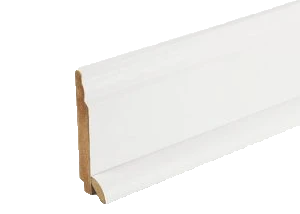
Q - Do I need to replace existing skirting when installing Vinyl LVT glue down Flooring
Not always, but sometimes replacing existing skirting (baseboards) is necessary when installing Vinyl LVT glue-down flooring. Here are some scenarios to consider:
1. Height: If the new flooring is thicker than the existing flooring, you may need to replace the skirting to ensure a proper fit and avoid any tripping hazards.
2. Damage: If the existing skirting is damaged, rotten, or severely worn out, it's best to replace it to maintain a clean and safe installation.
3. Design: If you're changing the style or color of your flooring, you might want to replace the skirting to match the new design.
4. Moisture: If the existing skirting has been damaged by water or has signs of moisture damage, it's recommended to replace it to prevent further issues.
5. Glue-down installation: If you're using a glue-down method for your LVT installation, you may need to remove the existing skirting to ensure a secure bond between the flooring and the subfloor.
However, if the existing skirting is:
1. Securely attached
2. Undamaged
3. Compatible with the new flooring
You can likely reuse it. It's essential to consult with a professional installer or the manufacturer's instructions for specific guidance on your particular situation.
Q - Why is there no expansion gap necessary with LVT Vinyl glue down flooring
There are some instances where an expansion gap may not be necessary with LVT (Luxury Vinyl Tile) glue-down vinyl flooring:
1. Fully bonded installation: If the LVT flooring is fully bonded to the subfloor using a suitable adhesive, the expansion gap may not be necessary.
2. Specific product requirements: Some LVT products may not require an expansion gap, as specified by the manufacturer.
Always consult the manufacturer's instructions and recommendations for specific guidance on expansion gaps for your LVT glue-down vinyl flooring. They may have specific requirements or exceptions based on their product's characteristics and testing.
Q - Where do I use Expansion/Transition; Reducers/Adjustment and End Profiles with LVT Vinyl flooring installation
Here's a breakdown of where to use each type of profile:
1. Expansion/Transition Profiles:
- Use between two floors of the same heights or types.
2. Reducers/Adjustment Profiles:
- Use to transition from LVT to a lower or higher floor surface (e.g., vinyl to concrete).
- Use to adjust for height differences between subfloors (e.g., uneven concrete slabs).
3. End Profiles:
- Use at the end of a row or run of LVT flooring (e.g., where it ends at the back door).
- Use to finish off the edge of the flooring and create a clean, polished look.
Additional tips:
- Always follow the manufacturer's instructions for specific profile usage.
- Ensure profiles are level and securely fastened to the subfloor or adjacent flooring.
- Use appropriate transition profiles to accommodate different flooring types, heights, or temperature/humidity conditions.
Remember to consult the manufacturer's instructions and take necessary precautions to ensure a successful installation.
Q - Do LVT Vinyl glue down Boards need to be acclimatised before installation
Yes, LVT (Luxury Vinyl Tile) glue-down boards typically require acclimation before installation. Acclimation is the process of allowing the flooring material to adjust to the temperature and humidity conditions of the installation environment.
Why acclimation is important:
1. Temperature: LVT flooring expands and contracts with temperature changes. Acclimation ensures the flooring is at the same temperature as the installation environment.
2. Humidity: LVT flooring can absorb or release moisture, affecting its dimensions. Acclimation helps the flooring adjust to the installation environment's humidity level.
3. Dimensional stability: Acclimation ensures the flooring is stable and less likely to shrink or expand excessively after installation.
Acclimation guidelines:
1. Duration: Typically 24-48 hours, but check the manufacturer's instructions.
2. Temperature: Match the installation environment's temperature (usually between 60°F-80°F or 15°C-27°C).
3. Humidity: Match the installation environment's humidity level (usually between 30%-60% RH).
4. Packaging: Leave the flooring in its original packaging to maintain stability.
5. Storage: Store the flooring in a dry, climate-controlled area, away from direct sunlight.
Remember to follow the manufacturer's specific acclimation instructions for your LVT glue-down flooring product. Proper acclimation ensures a successful installation and minimizes potential issues like buckling, warping, or gapping.
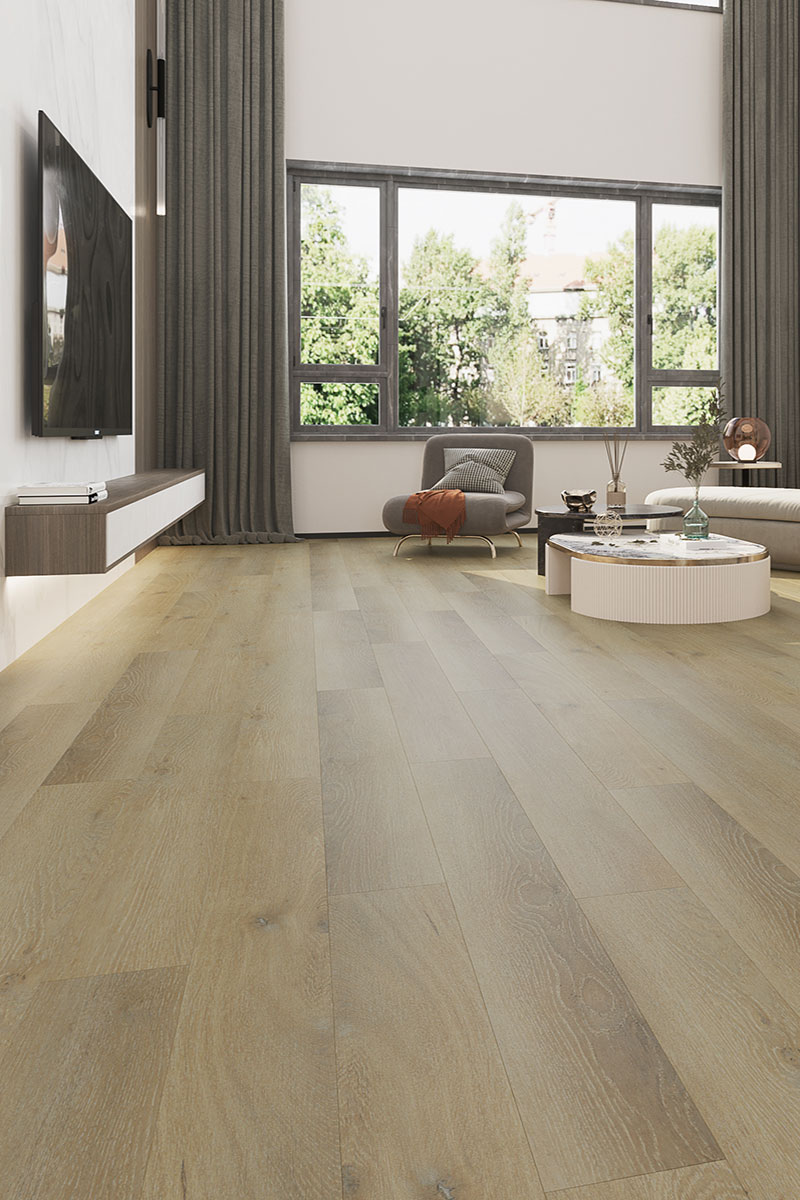
Glue-down luxury vinyl ranges with nationwide delivery across South Africa.
Browse Products →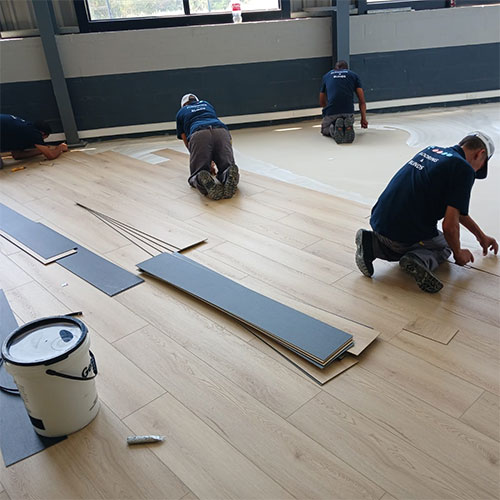
Adhesive specs, subfloor requirements, wear layer data and installation guides.
Read Overview →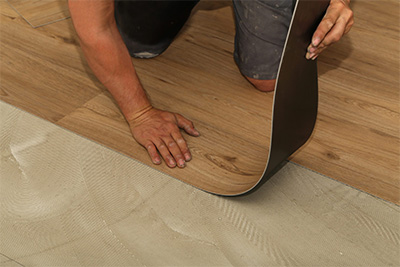
Adhesives, primers, self-levelling screed and door profiles for glue-down installations.
View Accessories →Showing 9–16 of 20 results
-
Floornet Rococo Medium Vinyl Planks 2.0mm Glue Down
R269.00 m2 -

Azura deZIGN Series 250 2.5mm Class 33 Heavy Commercial LVT Glue Down
R291.00 m2 -
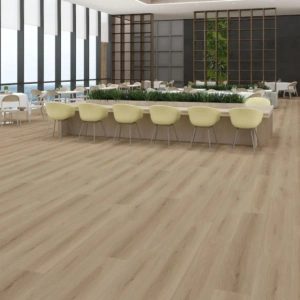
Como Lake LVT 2mm Luxury Vinyl Flooring
R264.01 m2 -
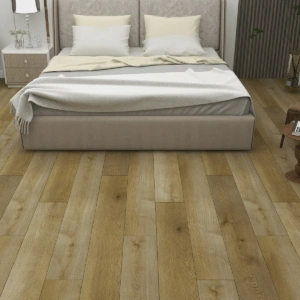
Como Numi LVT 2mm Luxury Vinyl Flooring
R217.01 m2 -
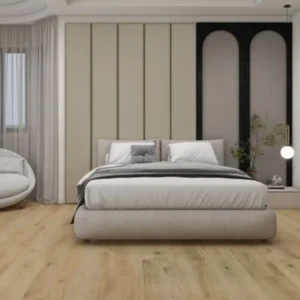
Como Fire LVT 3mm Luxury Vinyl Flooring
R453.00 m2 -
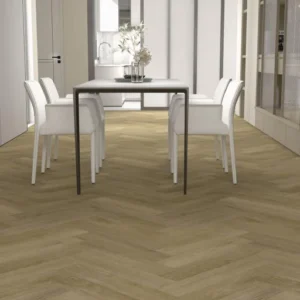
Como Bonsai 3.0 Herringbone LVT 3mm
R392.00 m2 -
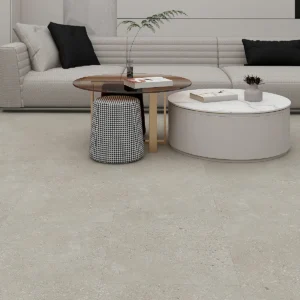
Como Mineral 2.5 Concrete Tile LVT
R359.00 m2 -
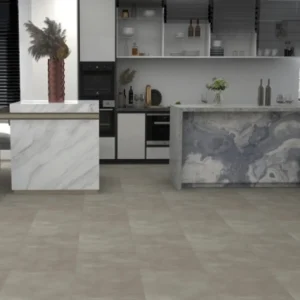
Como Desert LVT 2mm Concrete Tile
R283.99 m2