


Carpets Broadloom or Wall to Wall frequently asked questions
Q - What is Broadloom Carpets or Wall to Wall Carpets
Broadloom carpet, also known as wall-to-wall carpet, is a continuous roll of carpet designed to cover large areas seamlessly. Typically sold in widths of 3.66 or 4.00 meters, broadloom carpet is cut to fit the specific dimensions of a room and installed directly onto the floor using adhesives, tacks, or padding. Broadloom also includes needlepunch varieties, which are highly durable and often installed directly onto the floor without underlay.
Key Characteristics of Broadloom Carpet
- Large, Seamless Installation:
- Broadloom carpet comes in large rolls, allowing for expansive, continuous coverage without visible seams in standard-sized rooms. For larger areas, multiple pieces may need to be joined, but professional installers can blend seams to make them less noticeable.
- Variety of Styles, Colors, and Textures:
- Available in an extensive range of styles, colors, and textures, broadloom carpet can be customized to suit different decor preferences. Options include plush, cut-pile, loop-pile, patterned designs, and needlepunch, each offering a distinct look and feel.
- Installed with Underlay or Padding:
- Broadloom carpet is often installed over a layer of padding, providing extra comfort, sound insulation, and thermal insulation. Padding also extends the carpet's lifespan by reducing wear on the carpet backing. Broadloom needlepunch, however, is designed for high-traffic areas and is typically glued directly to the floor without underlay, making it ideal for commercial spaces.
- Customizable for Unique Spaces:
- Since broadloom carpet is cut from a large roll, it can be tailored to fit any room layout, making it suitable for irregular spaces or rooms with unique dimensions.
Common Fiber Types in Broadloom Carpet
- Nylon: Known for its durability and resilience, nylon is one of the most popular fiber types for broadloom carpet. It’s highly resistant to wear, making it ideal for high-traffic areas. Nylon is also stain-resistant, especially when treated, and offers a soft feel underfoot.
- Polyester: Polyester fibers are naturally stain-resistant and offer vibrant color options. While slightly less durable than nylon, polyester broadloom carpets are softer, making them suitable for residential spaces, particularly in bedrooms and living rooms.
- Polypropylene (Olefin): Polypropylene is a cost-effective, moisture-resistant fiber, often used in loop-pile designs. It’s suitable for low- to medium-traffic areas but may be prone to matting in high-traffic zones.
- Wool: Wool is a natural, luxurious fiber known for its softness, insulation properties, and durability. Although more expensive, wool is sustainable, resilient, and resistant to soiling, making it an excellent choice for high-end residential and hospitality spaces.
Advantages of Broadloom Carpet
- Comfort and Warmth:
- Broadloom carpet provides a soft, warm feel underfoot, especially when paired with a quality underlay. It’s ideal for rooms where comfort is a priority, such as bedrooms and living areas.
- Sound Absorption:
- Broadloom carpet offers excellent sound insulation, making it suitable for apartments, offices, and multi-level homes where noise reduction is essential.
- Wide Range of Design Options:
- With numerous colors, textures, and patterns, broadloom carpet offers great design versatility to match various aesthetics.
- Seamless Look:
- Broadloom carpet provides a smooth, continuous surface without visible seams in standard rooms, creating a cohesive look.
Disadvantages of Broadloom Carpet
- Challenging Installation:
- Broadloom carpet often requires professional installation, as it involves cutting, stretching, and securing, especially in large or complex spaces.
- Difficult to Replace Small Sections:
- If a section of broadloom carpet is damaged or stained, replacing it is more challenging than with modular carpet tiles.
- Less Suitable for High-Moisture Areas:
- Broadloom carpet is generally not ideal for high-moisture areas, such as bathrooms or basements, unless specially treated for moisture resistance.
Common Uses of Broadloom Carpet
- Residential Spaces: Broadloom carpet is popular in bedrooms, living rooms, and family rooms, providing comfort and warmth.
- Hospitality and Hotels: It’s widely used in hotels and resorts for its plush feel, sound insulation, and seamless appearance.
- Offices: Broadloom carpet is commonly used in office spaces, providing a uniform look and reducing noise levels.
- Retail Spaces: Some retail stores use broadloom carpet to create a cozy atmosphere and minimize noise, particularly in high-end shops.
- Commercial Spaces (Needlepunch): Needlepunch broadloom is frequently used in commercial settings such as airports, schools, and other high-traffic areas where durability is a priority.
Summary
Broadloom carpet is a wall-to-wall carpet option that provides a continuous, comfortable surface suitable for large rooms or spaces where seamless coverage is desired. Available in widths of 3.66 or 4.00 meters and in various fibers, broadloom carpet can be tailored to fit any room, offering design versatility, comfort, and sound-insulating properties. While traditional broadloom often requires professional installation and underlay, needlepunch broadloom is installed directly on the floor, making it ideal for high-traffic commercial spaces. Broadloom carpet remains a popular choice for both residential and commercial settings due to its aesthetic appeal and functional benefits.
Q - DIY Product - Is Broadloom carpets easy to install
Installing broadloom carpet as a DIY project can be challenging, particularly in large or irregularly shaped rooms, as it often requires specialized tools and techniques for proper fitting. However, it is possible for experienced DIYers to tackle broadloom carpet installation in smaller spaces or with certain types, like needlepunch broadloom. Here’s what to consider if you’re planning to install broadloom carpet yourself:
Key Challenges of DIY Broadloom Carpet Installation
- Handling Large Rolls:
- Broadloom carpet is sold in large, heavy rolls (typically 3.66 or 4.00 meters wide), which can be difficult to maneuver and align properly without assistance. Positioning and unrolling the carpet across the room requires precision, especially in larger spaces.
- Cutting and Sizing:
- Precise cutting is essential for fitting broadloom carpet neatly along walls, around obstacles, and in corners. This involves measuring accurately and using a sharp utility knife, which may require experience to achieve a clean, professional look without gaps or frayed edges.
- Stretching for a Smooth Finish:
- Broadloom carpet needs to be stretched during installation to prevent ripples and buckling over time. This typically requires a carpet stretcher or knee kicker, which can be challenging to use if you’re unfamiliar with them.
- Securing with Tack Strips and Adhesive:
- In most cases, broadloom carpet is secured with tack strips along the edges of the room or glued down, depending on the installation type. Positioning tack strips correctly around the room’s perimeter and ensuring the carpet stays tight on the strips can be tricky without professional experience.
- Seaming for Larger Rooms:
- For rooms wider than the roll (over 3.66 or 4.00 meters), you’ll need to join two pieces of carpet, which requires seaming tape, a seam roller, and a heat iron to create an invisible join. This process is especially difficult for beginners and is often best left to a professional.
When DIY Installation is Feasible
- Small or Simple Rooms:
- DIY installation is more manageable in small, rectangular rooms with few obstacles, as there’s less need for stretching, seaming, and cutting around complex shapes.
- Needlepunch Broadloom Carpet:
- Needlepunch broadloom is more DIY-friendly, as it is often glued directly to the floor without underlay. It’s dense and durable, making it easier to handle and install in high-traffic or commercial areas without complex stretching.
- Peel-and-Stick or Pre-Applied Adhesive:
- Some broadloom carpets come with peel-and-stick or pre-applied adhesive backing, which can simplify installation for DIYers. These carpets don’t require tack strips, making the process easier.
Tools Needed for DIY Broadloom Carpet Installation
- Measuring Tape: For accurate measurements of the room and carpet.
- Utility Knife: For cutting the carpet to fit.
- Carpet Stretcher or Knee Kicker: Essential for stretching and smoothing the carpet.
- Tack Strips: Used to secure carpet edges in non-glue installations.
- Hammer and Nails: For securing tack strips.
- Seam Roller and Heat Tape (for Seaming): Required to join carpet seams in larger rooms.
- Adhesive or Carpet Glue (if using glue-down method): For securing needlepunch carpet or if adhesive installation is required.
Tips for DIY Broadloom Carpet Installation
- Start with a Small Room: Choose a smaller, straightforward space to gain experience before attempting larger areas.
- Use Proper Tools: Renting tools like a carpet stretcher and knee kicker can help achieve a smooth, professional finish.
- Measure Twice, Cut Once: Accurate measurements and precise cuts are essential for a clean fit.
- Follow Manufacturer’s Instructions: Always refer to the manufacturer’s guidelines on handling, cutting, and securing the carpet.
- Seek Help for Larger Areas: An extra set of hands can make positioning, stretching, and securing the carpet easier.
Final Consideration: DIY or Professional Installation?
While it’s possible to install broadloom carpet yourself, especially in smaller rooms or with needlepunch carpet, professional installation is usually recommended. Professionals have the skills, tools, and experience needed to handle stretching, seaming, and securing the carpet properly, resulting in a smoother, longer-lasting finish.
If you’re confident in your DIY abilities and equipped with the necessary tools, you may find success with smaller, low-traffic areas or simpler installations. However, for high-traffic spaces, large rooms, or complex layouts, professional installation is generally the best choice for a quality, durable finish.
Q - Custom Rugs can it be created from Broadloom Carpets
Yes, custom rugs can be created from broadloom carpets by cutting the carpet to your desired dimensions and finishing the edges to prevent fraying. This option allows you to enjoy the style, texture, and comfort of broadloom carpet in a custom-sized rug that fits your space perfectly. Here’s how it works and what options are available:
Creating Custom Rugs from Broadloom Carpet
- Choose Your Carpet Style and Size:
- Select a broadloom carpet style that suits your decor, including color, texture, and fiber type. Broadloom carpets are typically available in widths of 3.66 or 4.00 meters, so you can specify the length needed for a custom rug.
- If the full width of the carpet roll is not used for the first rug, multiple rugs can be made from the remaining material, maximizing the use of each roll.
- Order by the Meter:
- When ordering a custom rug from broadloom carpet, purchase the carpet by the meter to create the exact length needed. This flexibility allows you to order any length for one large rug or multiple smaller rugs.
- Edge Finishing with Overlocking:
- To create a finished look and prevent fraying, the edges of the rug are overlocked. Overlocking is a stitching technique that reinforces the carpet edges, providing durability and a polished appearance.
- We offer edge overlocking in a complimentary color that coordinates with your chosen carpet style, enhancing the rug’s look while ensuring long-lasting quality.
- Custom Ordering Process on Our Website:
- Step 1: Select your broadloom carpet style from our website.
- Step 2: Enter the length in meters to specify your rug’s exact dimensions.
- Step 3: Add to your cart and complete the order, and we will overlock the edges in a complimentary color to give your rug a professional finish.
Benefits of Custom Rugs from Broadloom Carpet
- Perfect Fit: Custom sizing ensures that your rug fits perfectly in your space, whether it’s a small accent rug or a large area rug.
- Flexible Design: Choose from various styles and fibers, including plush, low-pile, and loop-pile broadloom carpets to match your decor.
- Multiple Rugs from One Roll: If you don’t use the entire width of the carpet, you can create additional rugs from the remaining material, making it a cost-effective option.
Summary
Custom rugs made from broadloom carpet offer a tailored solution that combines style and functionality. By choosing your preferred broadloom style, ordering by the meter, and having the edges overlocked, you can create a high-quality, durable rug that perfectly complements your space. This process allows you to enjoy the look and feel of broadloom carpet in a size and shape that’s ideal for your unique needs.
Q - Is underlay required with Broadloom Carpets
Underlay is typically recommended with broadloom carpet installations to add comfort, insulation, and durability. However, the need for underlay depends on the specific application, including whether the broadloom carpet is being installed wall-to-wall or used as a loose rug. Here’s a breakdown of when underlay is required and why it’s beneficial:
Wall-to-Wall Broadloom Carpet Installation
- Underlay Recommended:
- For most wall-to-wall broadloom carpet installations, underlay is recommended to enhance comfort, provide sound insulation, and extend the carpet’s lifespan. Underlay adds cushioning, making the carpet feel softer underfoot and reducing wear on the carpet backing.
- In addition to comfort, underlay helps with thermal insulation, making rooms warmer and more energy-efficient.
- Exception - Needlepunch Broadloom Carpet:
- Needlepunch broadloom carpet is dense and highly durable, designed for high-traffic areas like commercial spaces, schools, and entryways. It is usually installed directly onto the floor without underlay. Needlepunch broadloom is often glued down, which provides stability and ensures it withstands heavy use without shifting.
Loose Rugs Made from Broadloom Carpet
- Underlay Optional for Loose Rugs:
- When broadloom carpet is used as a loose rug, underlay is optional but often beneficial. A rug underlay can prevent the rug from sliding, protect floors from scratches, and add extra cushioning.
- If additional comfort and stability are desired, particularly on hard floors like tile or wood, a rug underlay can help the loose rug stay in place and provide a soft, cushioned feel.
- Benefits of Using Underlay with Loose Rugs:
- Non-Slip Safety: Underlay prevents loose rugs from shifting, especially on smooth surfaces, which enhances safety.
- Protects Floors: Underlay can prevent scratching or staining on delicate floors by adding a protective layer between the rug and the floor.
- Adds Comfort: Underlay can increase cushioning and comfort, especially if the broadloom carpet is thinner or low-pile.
Summary
- Wall-to-Wall Installation: Underlay is generally recommended for comfort, insulation, and durability, except for needlepunch broadloom carpet, which is dense and often glued directly to the floor without underlay.
- Loose Rugs: Underlay is optional but beneficial for loose rugs made from broadloom carpet, adding non-slip protection, floor protection, and extra comfort.
Choosing underlay for broadloom carpet, whether installed wall-to-wall or as a loose rug, can improve comfort, protect flooring, and enhance the longevity and performance of the carpet.
Q - How is Broadloom carpets different from Carpet Tiles
Broadloom carpets and carpet tiles are both popular flooring options, but they differ in installation, design flexibility, maintenance, and application. Here’s a comparison of how broadloom carpets and carpet tiles are distinct from one another:
1. Installation
- Broadloom Carpet:
- Broadloom carpet is typically installed as a continuous roll, covering the entire floor in a single, seamless piece (or multiple pieces if the room is larger than the roll width).
- It usually requires professional installation, as it involves stretching, cutting, and securing with adhesives or tack strips.
- Underlay is often added for comfort and insulation, except for certain types like needlepunch broadloom carpet, which is glued directly to the floor and does not need underlay.
- Carpet Tiles:
- Carpet tiles are modular squares, usually 50 cm x 50 cm, that can be installed individually. Some tiles come in rectangular shapes, allowing more pattern options.
- Carpet tiles are easier to install and often DIY-friendly. They can be laid directly on the subfloor and secured with adhesive, double-sided tape, or, in some cases, without any adhesive for loose-lay installations.
- Underlay is optional with carpet tiles and generally not required, as tiles often have built-in backing for stability.
2. Design Flexibility
- Broadloom Carpet:
- Broadloom carpet provides a seamless look, with an extensive range of colors, patterns, and textures.
- Pattern matching can be challenging, especially in large spaces that require seaming. Professional installers work to align patterns, but some seaming may still be visible.
- Best for creating a uniform look, broadloom carpet is ideal for spaces where a single, continuous aesthetic is preferred.
- Carpet Tiles:
- Carpet tiles offer significant design flexibility, as they can be arranged in various layouts and patterns, such as checkerboard, herringbone, ashlar, or brick.
- Tiles in different colors, patterns, and textures can be mixed to create unique designs and designate specific areas in open-plan spaces, making them ideal for creative and dynamic layouts in offices or commercial spaces.
3. Maintenance and Replacement
- Broadloom Carpet:
- Cleaning broadloom carpet can be more challenging, as spills or stains often require spot cleaning or professional steam cleaning.
- If a section of broadloom carpet becomes damaged, replacing it is difficult, as the entire carpet or a large patch must be removed, which may result in visible seams or color mismatches.
- Requires regular vacuuming and occasional deep cleaning to maintain appearance and longevity.
- Carpet Tiles:
- Carpet tiles are easy to maintain and practical for high-traffic or commercial areas where spills and stains are common.
- Individual tiles can be replaced if damaged, stained, or worn out, saving time and cost on repairs. This modularity allows for long-term maintenance and easy replacement without disturbing the entire floor.
- Cleaning is often easier with carpet tiles, as soiled tiles can be removed for washing or replacement, making them suitable for spaces where maintenance is a priority.
4. Application and Use Cases
- Broadloom Carpet:
- Broadloom is ideal for creating a seamless, luxurious look in spaces where comfort is prioritized, such as living rooms, bedrooms, or hotel rooms.
- Commonly used in residential settings and hospitality environments where a cohesive, plush aesthetic is desired.
- Not ideal for areas with high moisture or where heavy staining is likely, such as bathrooms, kitchens, or basements, unless specially treated.
- Carpet Tiles:
- Carpet tiles are highly versatile and well-suited for commercial spaces, offices, schools, and high-traffic areas where easy maintenance and flexibility are needed.
- They’re also popular in modular or rented spaces, as they can be easily removed and replaced.
- Less common in residential areas but are practical for basements, playrooms, and areas where ease of maintenance is beneficial.
5. Cost Considerations
- Broadloom Carpet:
- Broadloom carpet often requires professional installation, which increases the initial cost.
- While the carpet itself may be affordable, additional expenses for underlay, adhesives, and installation make it more costly overall.
- Carpet Tiles:
- Carpet tiles can vary in price depending on quality, but they are often more cost-effective for DIY installation, as professional installation isn’t necessary.
- They also reduce long-term maintenance costs, as individual tiles can be replaced without replacing the entire floor.
Summary Comparison of Broadloom Carpet vs. Carpet Tiles
| Feature | Broadloom Carpet | Carpet Tiles |
|---|---|---|
| Installation | Requires professional installation and underlay | DIY-friendly, modular installation |
| Design Flexibility | Seamless look, best for uniform patterns | Customizable patterns, mix-and-match options |
| Maintenance | Difficult to replace sections, professional cleaning needed | Easy to replace individual tiles, spot cleaning |
| Applications | Residential, hospitality, plush aesthetic | Commercial, high-traffic, flexible spaces |
| Cost | Higher due to installation and underlay | Cost-effective, especially for DIY installation |
Conclusion
Broadloom carpet is ideal for achieving a seamless, luxurious appearance in spaces where comfort and aesthetics are a priority, especially in residential and hospitality environments. Carpet tiles, however, offer flexibility, easy maintenance, and customizable design, making them an excellent choice for commercial spaces, offices, and areas where durability and ease of maintenance are key. When choosing between the two, consider the installation requirements, design goals, maintenance needs, and budget to determine the best flooring solution for your space
Q - What is the main different types of Broadloom Carpets
Broadloom carpets come in various types based on construction, fiber materials, and pile styles. Here are the main types of broadloom carpets, each offering unique qualities and suited to different applications:
1. Cut-Pile Broadloom Carpet
- Description: Cut-pile carpet has fibers that are cut at the top, resulting in an upright, plush surface. This style provides a soft, luxurious feel underfoot and is one of the most popular options for residential spaces.
- Types of Cut Pile:
- Saxony: Dense, smooth, and soft, Saxony is a common residential choice for a formal look. However, it may show footprints and vacuum marks.
- Plush: Also known as velvet pile, plush has a dense, level surface that is very soft but can show marks easily.
- Frieze: Made from twisted fibers, frieze has a textured surface that is durable and hides footprints and stains well.
- Best For: Bedrooms, living rooms, and spaces where comfort and a luxurious appearance are desired.
2. Loop-Pile Broadloom Carpet
- Description: Loop-pile carpet is created by leaving the yarn loops intact, creating a durable, textured surface. The loops can be level or multi-level, adding dimension and visual interest to the carpet.
- Types of Loop Pile:
- Level Loop: All loops are the same height, providing a uniform look that is highly durable and great for high-traffic areas.
- Multi-Level Loop: Loops of varying heights create patterns, adding texture and design to the carpet.
- Best For: High-traffic areas like hallways, offices, and commercial spaces, as loop-pile carpets are very resilient and hide wear well.
3. Cut-and-Loop Broadloom Carpet
- Description: This style combines cut and loop fibers to create patterns and texture on the carpet surface. It offers a unique design element that can add depth and visual interest to a room.
- Best For: Areas where both style and durability are important, such as living rooms and offices, as the cut-and-loop design can hide stains and footprints.
4. Textured Broadloom Carpet
- Description: Textured broadloom carpet has a slightly twisted, cut-pile surface that creates a soft, patterned look. This design minimizes the appearance of footprints and vacuum marks, making it practical for family spaces.
- Best For: Active areas like family rooms, playrooms, and home offices, as the texture hides wear and is easy to maintain.
5. Patterned Broadloom Carpet
- Description: Patterned broadloom carpet is created by using a combination of different pile heights, colors, or textures to create designs, from subtle to bold patterns. This style can be achieved with both cut-and-loop and multi-level loop constructions.
- Best For: Formal spaces or commercial areas where aesthetic appeal is important, like hotel lobbies, offices, and upscale residential spaces.
6. Needlepunch Broadloom Carpet
- Description: Needlepunch carpet is a non-woven type of carpet created by entangling fibers through a felting process. It’s very dense and durable, making it ideal for heavy-use areas. Needlepunch carpets are usually glued directly to the floor and do not require underlay.
- Best For: High-traffic commercial spaces, outdoor areas, schools, and entryways where durability and ease of maintenance are priorities.
Fiber Types in Broadloom Carpets
- Nylon: Durable and resilient, nylon is one of the most popular fibers for broadloom carpets, especially for high-traffic areas. It’s also stain-resistant when treated.
- Polyester: Naturally stain-resistant and available in vibrant colors, polyester is softer than nylon, making it ideal for residential use.
- Polypropylene (Olefin): A cost-effective, moisture-resistant fiber that is often used in loop-pile designs. It’s suitable for low- to medium-traffic areas but can mat in high-traffic zones.
- Wool: A natural, luxurious fiber known for its softness, insulation, and durability. Wool is more expensive but sustainable and excellent for high-end spaces.
Summary of Broadloom Carpet Types
| Carpet Type | Description | Best For |
|---|---|---|
| Cut Pile | Soft, luxurious feel; includes Saxony, plush, frieze | Bedrooms, living rooms |
| Loop Pile | Durable, textured; level or multi-level loops | High-traffic areas, hallways, offices |
| Cut-and-Loop | Combines cut and loop fibers for patterns | Living rooms, stylish and durable spaces |
| Textured | Twisted pile minimizes marks | Family rooms, playrooms, home offices |
| Patterned | Patterns created through pile heights and colors | Formal spaces, hotel lobbies, offices |
| Needlepunch | Dense, felted fibers; very durable | High-traffic commercial and outdoor spaces |
Each type of broadloom carpet offers unique benefits suited to different styles, levels of comfort, and durability needs. Choosing the right type depends on the room’s use, foot traffic, and aesthetic preferences.
Q - What is the different type of fibres used for Broadloom Carpets and their characteristics
Broadloom carpets are made from a variety of fibers, each with unique characteristics that influence the carpet’s appearance, durability, stain resistance, and feel underfoot. Here’s a detailed look at the main types of fibers used in broadloom carpets and their key characteristics:
1. Nylon
- Characteristics: Nylon is one of the most popular and versatile synthetic fibers used in broadloom carpets. It is known for its strength, resilience, and ability to withstand heavy foot traffic.
- Durability: Highly durable and long-lasting, making it ideal for high-traffic areas.
- Stain Resistance: Often treated with stain-resistant finishes, nylon resists spills and stains well, although untreated nylon can be prone to staining.
- Feel: Soft and comfortable underfoot, with a slight sheen that can enhance the carpet's appearance.
- Best For: High-traffic residential spaces (like living rooms and hallways) and commercial settings.
2. Polyester
- Characteristics: Polyester fibers are soft and offer vibrant color options. It is naturally stain-resistant, although it can be less resilient than nylon in high-traffic areas.
- Durability: Fairly durable, but may show wear in very high-traffic areas, as it tends to flatten or mat more easily.
- Stain Resistance: Naturally stain-resistant against water-based stains, but can be prone to oil-based stains.
- Feel: Luxuriously soft, making it ideal for areas where comfort is prioritized.
- Best For: Bedrooms, living rooms, and low- to moderate-traffic areas in residential spaces.
3. Polypropylene (Olefin)
- Characteristics: Polypropylene, also known as olefin, is a synthetic fiber that is highly resistant to moisture, mold, and mildew, making it a good choice for outdoor or damp environments.
- Durability: Durable in low- to medium-traffic areas but prone to matting and crushing in high-traffic areas.
- Stain Resistance: Highly stain-resistant to most substances; however, it is sensitive to oil-based stains.
- Feel: Polypropylene fibers are less soft than nylon or polyester, but they are often used in loop-pile constructions, which add durability.
- Best For: Basements, outdoor spaces, and low-traffic areas, as well as spaces where moisture resistance is needed.
4. Wool
- Characteristics: Wool is a natural fiber that is sustainable, biodegradable, and renewable. Known for its luxurious feel and excellent insulation properties, wool carpets are generally more expensive than synthetic options.
- Durability: Naturally durable and resilient, wool fibers bounce back well, which helps to minimize matting over time.
- Stain Resistance: Naturally resistant to soiling due to its natural oils, though wool is susceptible to stains and requires prompt cleaning when spills occur.
- Feel: Extremely soft and warm underfoot, providing a cozy and high-end feel.
- Best For: High-end residential and hospitality spaces where luxury, insulation, and comfort are valued.
5. Triexta (PTT)
- Characteristics: Triexta is a relatively new synthetic fiber known for combining the durability of nylon with the softness of polyester. It’s known for its resilience and stain resistance.
- Durability: Very durable, with excellent resistance to matting and crushing, making it suitable for high-traffic areas.
- Stain Resistance: Highly stain-resistant due to its hydrophobic properties, which repel moisture and stains.
- Feel: Soft underfoot, often compared to polyester, making it comfortable for both residential and commercial applications.
- Best For: Homes with children and pets, or high-traffic residential spaces like family rooms and hallways.
6. Acrylic
- Characteristics: Acrylic fiber is often used as a synthetic substitute for wool, as it mimics wool’s appearance and feel at a lower cost. It is not as common in broadloom carpets but is still used in some areas.
- Durability: Fairly durable but not as resilient as nylon or wool; may wear down faster in high-traffic areas.
- Stain Resistance: Moderately stain-resistant but can be prone to oil stains and matting over time.
- Feel: Soft and wool-like, providing a cozy feel that resembles natural wool.
- Best For: Low-traffic residential areas or spaces where wool-like appearance and feel are desired without the cost of wool.
Summary of Fiber Types in Broadloom Carpets
| Fiber Type | Characteristics | Durability | Stain Resistance | Feel | Best For |
|---|---|---|---|---|---|
| Nylon | Strong, resilient, versatile | Very high, ideal for heavy use | High (when treated) | Soft, with slight sheen | High-traffic areas, residential & commercial |
| Polyester | Soft, vibrant color, affordable | Moderate, less resilient | Naturally stain-resistant | Luxuriously soft | Bedrooms, low-traffic residential spaces |
| Polypropylene | Moisture-resistant, affordable | Good for low-medium traffic | High for most stains; oil-sensitive | Less soft | Basements, outdoors, moisture-prone areas |
| Wool | Natural, luxurious, insulating | High, resilient | Naturally soil-resistant, but stain-prone | Extremely soft & warm | High-end residential & hospitality spaces |
| Triexta (PTT) | Soft, durable, new synthetic | High, good for high traffic | Excellent, highly stain-resistant | Soft underfoot | Family rooms, homes with pets & children |
| Acrylic | Wool-like appearance, affordable | Fair, not ideal for heavy traffic | Moderate, prone to oil stains | Soft, wool-like | Low-traffic areas, wool-like appeal |
Choosing the Right Fiber for Broadloom Carpet
The ideal carpet fiber depends on the intended use, traffic levels, and maintenance needs:
- High-traffic areas: Nylon, Triexta, or loop-pile polypropylene are suitable for durability and resistance to wear.
- Comfort-focused spaces: Wool, polyester, or Triexta are great for their softness and warmth.
- Moisture-prone areas: Polypropylene and some nylon carpets (when treated) work well due to their moisture resistance.
- Sustainable choice: Wool is the most sustainable option, offering natural durability and a luxurious feel.
Each fiber type offers unique benefits, so selecting the right fiber for broadloom carpet will ensure optimal comfort, performance, and longevity in your space.
Q - What is cut pile and the different pile height / total thickness of the carpet
Cut pile carpet is a popular style where the carpet fibers are cut at the top, creating an upright, plush surface. This style provides a soft, luxurious feel and is one of the most common choices for residential spaces. Cut pile carpets come in various textures, densities, and pile heights, each suited to different preferences and uses. Here’s a detailed look at cut pile carpet and the different pile height options:
What is Cut Pile Carpet?
Cut pile carpet is made by cutting the loops of fiber, leaving the ends exposed and resulting in a soft, even texture. The cut ends create a smooth surface with a velvety appearance, which can vary from dense and formal (like Saxony) to relaxed and textured (like frieze). Cut pile carpets offer comfort, warmth, and versatility in design.
Different Types of Cut Pile Carpet
- Saxony:
- Has a dense, plush, and uniform appearance with fibers that stand upright, giving it a formal, elegant look.
- Often shows footprints and vacuum marks.
- Plush (Velvet):
- Smooth and soft with a velvety surface, plush carpets offer a luxurious feel.
- They can show marks and are best in low-traffic areas due to their dense, soft surface.
- Frieze:
- Features tightly twisted fibers that create a more textured, durable surface.
- Frieze carpets are more casual and hide footprints and dirt well, making them ideal for high-traffic areas.
- Textured:
- Slightly twisted fibers create a casual, textured look that helps to minimize the appearance of marks.
- Ideal for family rooms and active areas where a more forgiving texture is beneficial.
Pile Height and Total Thickness of Cut Pile Carpet
Pile height refers to the height of the carpet fibers from the carpet backing to the tip of the fibers, while total thickness includes both the pile height and the backing layer. Pile height can affect the carpet's appearance, comfort, and durability.
Here’s a breakdown of different pile heights for cut pile carpet:
- Low Pile (Up to 5 mm):
- Characteristics: Less than 5 mm in height; low-pile carpets have shorter fibers, providing a denser, firmer feel underfoot.
- Best For: High-traffic areas like hallways, offices, and commercial spaces, as low-pile carpets are durable and easier to clean.
- Total Thickness: Generally between 6 mm to 8 mm.
- Medium Pile (6 mm to 12 mm):
- Characteristics: Between 6 mm and 12 mm in height; medium-pile carpets offer a balance of softness and durability, providing comfort while being resilient.
- Best For: Living rooms, bedrooms, and family rooms where comfort is important, but moderate durability is still needed.
- Total Thickness: Typically ranges from 10 mm to 15 mm, depending on the backing and fiber density.
- High Pile (13 mm and Above):
- Characteristics: 13 mm or higher; high-pile carpets have longer fibers, offering a plush, luxurious feel underfoot.
- Best For: Low-traffic areas like bedrooms, as high-pile carpets tend to flatten more quickly in heavy-use areas.
- Total Thickness: Can be 15 mm or more, providing a soft, cushioned feel.
Choosing the Right Pile Height for Cut Pile Carpet
- Traffic and Use:
- Low-pile carpet is more durable and easier to clean, ideal for high-traffic or commercial areas.
- Medium-pile carpet is versatile, offering both comfort and resilience for most home settings.
- High-pile carpet provides luxurious softness and is best for low-traffic areas.
- Comfort and Aesthetics:
- High and medium piles offer a softer, more comfortable feel, suited for bedrooms or lounges where a plush look is desired.
- Low-pile options provide a sleek, contemporary look and are easier to maintain.
- Maintenance:
- Low-pile carpets are easier to vacuum and keep clean.
- High-pile carpets trap more dirt and require more frequent vacuuming.
Summary of Pile Heights and Total Thickness
| Pile Height | Description | Best For | Total Thickness |
|---|---|---|---|
| Low Pile | Up to 5 mm | High-traffic areas, commercial spaces | 6 mm to 8 mm |
| Medium Pile | 6 mm to 12 mm | Living rooms, bedrooms, family rooms | 10 mm to 15 mm |
| High Pile | 13 mm and above | Low-traffic areas, bedrooms | 15 mm or more |
Cut pile carpets offer versatility in comfort, appearance, and durability through varying pile heights. Selecting the right pile height based on the room's use and your comfort preferences will help ensure the carpet performs well and meets your aesthetic needs.
Q - What is loop pile and the different pile height / total thickness of the carpet
The pile height of loop pile carpet is generally lower than cut pile, as looped fibers are designed for durability rather than plushness. This lower pile height contributes to its resilience and ease of maintenance, especially in high-traffic areas. Here’s a breakdown of typical pile heights and total thickness for loop pile carpets:
Typical Pile Heights and Total Thickness of Loop Pile Carpet
- Low Pile (1 mm to 3 mm):
- Characteristics: Low pile loop carpets have very short loops, creating a firm and dense surface. These carpets are extremely durable, resisting crushing and matting.
- Best For: High-traffic areas such as hallways, offices, and commercial spaces where durability and easy cleaning are essential.
- Total Thickness: Usually between 4 mm to 6 mm.
- Medium Pile (3 mm to 5 mm):
- Characteristics: Medium pile loop carpets provide a balance of comfort and durability, with loops that are slightly longer, giving a softer feel while maintaining resilience.
- Best For: Residential areas like living rooms and family rooms where moderate comfort and durability are needed.
- Total Thickness: Typically ranges from 6 mm to 8 mm.
- High Pile (5 mm to 7 mm):
- Characteristics: High pile loop carpets have longer loops, adding a bit more comfort and texture. Although not as common, these carpets offer a softer feel while maintaining the structure of looped fibers.
- Best For: Low-traffic residential spaces such as bedrooms, where a softer surface is desired over extreme durability.
- Total Thickness: Usually 8 mm to 10 mm.
Summary of Pile Heights and Total Thickness
| Pile Height | Description | Best For | Total Thickness |
|---|---|---|---|
| Low Pile | 1 mm to 3 mm | High-traffic areas, commercial spaces | 4 mm to 6 mm |
| Medium Pile | 3 mm to 5 mm | Living rooms, family rooms, moderate traffic | 6 mm to 8 mm |
| High Pile | 5 mm to 7 mm | Low-traffic areas, bedrooms | 8 mm to 10 mm |
Key Takeaways
- Low Pile Loop Carpets are ideal for areas that need maximum durability and are easiest to maintain.
- Medium Pile Loop Carpets offer a compromise between durability and comfort, making them versatile for residential spaces.
- High Pile Loop Carpets provide a bit more softness but are best for low-traffic areas, as they are less resilient than shorter loops.
Loop pile carpets with lower pile heights and total thickness are excellent for durability and high-traffic environments, offering resilience and easy maintenance.
Q - Do I need to acclimatise Broadloom Carpet before installation
Yes, it is generally recommended to acclimatize broadloom carpet before installation. This allows the carpet to adjust to the temperature and humidity of the room, which helps prevent issues like expansion, contraction, or wrinkling after installation. Here’s how and why acclimatizing broadloom carpet is important:
Why Acclimatize Broadloom Carpet?
- Stabilizes Carpet Dimensions:
- Broadloom carpet is made of fibers that can expand or contract based on humidity and temperature. Allowing it to acclimatize helps stabilize these dimensions, ensuring a better fit.
- Reduces the Risk of Wrinkling or Buckling:
- Installing a carpet that hasn’t adjusted to the room conditions can lead to wrinkling, buckling, or shifting once it starts adjusting post-installation. Acclimatizing helps prevent this and provides a smooth, secure finish.
- Improves Adhesion and Fit:
- If the carpet is being glued down, acclimatization ensures it adheres better to the subfloor. This also applies when stretching the carpet, as acclimatized carpet is easier to work with and yields a tighter, more even installation.
How to Acclimatize Broadloom Carpet
- Timing: Bring the carpet into the installation area at least 24-48 hours before installation. This timeframe allows it to reach the ambient conditions of the room.
- Room Conditions: Maintain the room temperature between 18-24°C and humidity levels between 40-65% for optimal acclimatization. Avoid extreme temperature fluctuations.
- Unroll the Carpet (if possible): If space allows, unroll the carpet in the room. This speeds up the acclimatization process by exposing more surface area to the room’s conditions. If not, keep the carpet rolled but make sure it’s placed flat and kept off any damp surfaces.
Special Considerations
- Needlepunch Broadloom: Needlepunch carpet is denser and more resilient, often used in high-traffic or commercial spaces. While it’s still beneficial to acclimatize needlepunch carpet, it may not be as sensitive to environmental changes as other types of broadloom carpet.
Summary
To ensure a smooth and long-lasting installation, acclimatize broadloom carpet by bringing it into the installation area for 24-48 hours. This step helps stabilize the carpet’s dimensions, reduces the risk of wrinkling or buckling, and improves overall fit and adhesion.
Q - What is the different installation methods for Broadloom Carpets
Broadloom carpets can be installed using several methods, each suited to different spaces, subfloor types, and durability requirements. The most common installation methods for broadloom carpet include stretch-in, glue-down, double-stick, and cut-to-fit (loose lay). Here’s an overview of each method and when to use them:
1. Stretch-In Installation
- Description: Stretch-in installation is a traditional method where the carpet is stretched over an underlay and secured with tack strips along the room’s perimeter. This method gives a cushioned, luxurious feel and allows the carpet to be replaced without affecting the underlay.
- Steps:
- Install tack strips along the room’s edges.
- Place the underlay over the subfloor and trim it to fit within the tack strip perimeter.
- Use a knee kicker or carpet stretcher to stretch the carpet over the tack strips for a tight, secure fit.
- Best For: Residential spaces, bedrooms, and living rooms where comfort and cushioning are desired.
- Pros:
- Creates a soft, cushioned feel underfoot.
- Allows for easier carpet replacement.
- Cons:
- Requires specialized tools like a carpet stretcher and professional skills for a proper fit.
2. Glue-Down Installation
- Description: Glue-down installation involves adhering the carpet directly to the subfloor using a strong adhesive. This method is stable and secure, making it suitable for high-traffic areas. Glue-down can be done with or without underlay, depending on the comfort level required.
- Steps:
- Clean and prepare the subfloor, ensuring it’s level and free of dust.
- Apply adhesive to the subfloor in sections.
- Roll the carpet onto the adhesive, pressing it down firmly for even adhesion.
- Best For: Commercial spaces, high-traffic areas, and rooms where durability is a priority, such as offices, hallways, and retail spaces.
- Pros:
- Very stable and durable, ideal for heavy traffic.
- Prevents carpet movement and wrinkling.
- Cons:
- Difficult to remove, as the adhesive bonds the carpet to the subfloor.
- Not as soft underfoot unless paired with an underlay.
3. Double-Stick Installation
- Description: In double-stick installation, both the underlay and carpet are glued to the subfloor, combining the stability of a glue-down installation with the comfort of an underlay. This method offers durability, cushioning, and comfort.
- Steps:
- Glue the underlay to the subfloor and let it set.
- Apply adhesive to the underlay, then lay the carpet on top, pressing it down evenly.
- Best For: High-traffic commercial areas where both comfort and durability are needed, such as hotel lobbies and corporate offices.
- Pros:
- Provides stability and cushioning.
- Reduces wear on the carpet, extending its lifespan.
- Cons:
- More complex and time-consuming to install.
- Difficult to remove due to the double adhesive bond.
4. Cut-to-Fit (Loose Lay) Installation
- Description: Cut-to-fit installation, also known as loose lay, is a method where the carpet is cut to fit the room’s dimensions but isn’t attached to the subfloor with adhesive or tack strips. Instead, the carpet is laid in place and held down by its weight or perimeter trims.
- Steps:
- Measure and cut the carpet to the exact room dimensions.
- Position the carpet in place and trim any excess for a precise fit.
- Use perimeter trim or baseboards to keep the edges secure if needed.
- Best For: Temporary installations, rented spaces, and areas where the carpet may need to be removed or replaced easily.
- Pros:
- Easy to install and remove.
- Ideal for temporary or rental applications.
- Cons:
- May shift or wrinkle over time, especially in high-traffic areas.
- Not as stable or secure as other methods.
5. Needlepunch (Direct Glue)
- Description: Needlepunch broadloom carpet is dense and highly durable, often installed directly on the subfloor without underlay using a glue-down method. This installation method is commonly used for heavy-use commercial spaces.
- Steps:
- Clean and prepare the subfloor.
- Apply adhesive and lay the needlepunch carpet directly onto the subfloor.
- Best For: High-traffic, heavy-duty areas such as schools, airports, and commercial spaces.
- Pros:
- Extremely durable, suitable for very high-traffic areas.
- Easy to maintain and resists wear.
- Cons:
- Not cushioned; offers a firm feel.
- Difficult to remove due to direct adhesive.
Comparison of Broadloom Carpet Installation Methods
| Installation Method | Description | Best For | Pros | Cons |
|---|---|---|---|---|
| Stretch-In | Stretched over tack strips with underlay | Residential spaces, bedrooms | Cushioned feel, easier replacement | Requires tools, professional skills needed |
| Glue-Down | Carpet glued directly to the subfloor | Commercial spaces, high traffic | Stable and durable | Hard to remove, less cushioning |
| Double-Stick | Both carpet and underlay glued | High-traffic commercial areas | Stability and cushioning combined | Complex installation, hard to remove |
| Cut-to-Fit (Loose Lay) | Carpet cut to room size, no attachment | Temporary or rental spaces | Easy to install and remove | May shift or wrinkle over time |
| Needlepunch (Direct Glue) | Direct glue for needlepunch carpet | Very high-traffic commercial | Extremely durable, easy maintenance | No cushioning, firm feel, hard to remove |
Choosing the Right Installation Method
- For Comfort and a Cushioned Feel: Use the stretch-in or double-stick method with underlay in residential and hospitality spaces.
- For High-Traffic Stability: The glue-down and double-stick methods provide the durability needed in commercial spaces.
- For Temporary or Easy Removal: The cut-to-fit (loose lay) method is ideal for temporary or rental spaces where the carpet might need to be removed or replaced.
- For Heavy-Duty Applications: Needlepunch (direct glue) installation is best for high-traffic, heavy-use areas where resilience is essential.
Selecting the right installation method depends on the specific needs of the space, the level of comfort required, and the carpet type. Each method offers unique advantages to help ensure the carpet performs well and suits the environment.
Q - Can Broadloom Carpet be installed over underfloor heating
Yes, broadloom carpet can be installed over underfloor heating
Q - Is there wastage with Broadloom Carpets
Yes, there is typically some wastage with broadloom carpets, especially during installation. This occurs due to the need to cut the carpet to fit the room’s exact dimensions, around obstacles, and to create seams in larger rooms. Here’s an overview of why wastage happens with broadloom carpets and how much to expect:
Reasons for Wastage with Broadloom Carpets
- Room Shape and Layout:
- Irregularly shaped rooms or spaces with alcoves, closets, or angled walls will often require more cutting and trimming, leading to extra wastage.
- In rooms that aren’t a perfect match for the carpet roll width (typically 3.66 or 4.00 meters), additional cutting is needed to fit the carpet, resulting in offcuts.
- Seaming in Large Spaces:
- For rooms wider than the roll width, you’ll need to seam multiple carpet pieces together. This process requires overlap and precise cutting, which produces waste.
- Matching patterns at seams can also lead to wastage, as extra material is needed to align the design for a seamless appearance.
- Pattern Matching:
- Carpets with distinct patterns or textures require careful alignment, which can result in extra offcuts as patterns are matched across seams.
- This can increase wastage, particularly for patterned carpets in large or open spaces.
- Allowing for Cutting and Fitting:
- When installing broadloom carpet, installers often leave a small allowance around the room’s edges to ensure the carpet fits correctly. This extra material is trimmed after stretching and securing, resulting in minor wastage.
How Much Wastage to Expect
- Standard Allowance: As a general rule, it’s recommended to add an extra 5-15% to the carpet order to account for wastage, depending on the room layout and pattern requirements.
- Complex Layouts: In rooms with many cut-outs or irregular shapes, a higher allowance may be necessary.
Minimizing Wastage
- Professional Planning and Installation: Experienced installers can often minimize wastage by planning seam placement, aligning patterns, and accurately measuring the space.
- Reusing Offcuts: Any larger offcuts can sometimes be used in smaller areas, such as closets or under furniture, to reduce waste.
Summary
Wastage is common with broadloom carpets due to room layouts, seaming, and pattern matching. Expect to order an extra 5-15% of material for standard spaces and more than 15% for complex layouts to ensure full coverage without shortages. Proper planning and professional installation can help minimize waste, making the most of your carpet investment.
Q - Different floor profiles for Broadloom Carpets - Transition, Adjustment, Naplock, Vari Trim, Stairnosing
Q - Can I install Broadloom Carpets over existing carpets
Installing broadloom carpet over existing carpet is generally not recommended. While it may seem like a convenient solution, several issues can arise that may affect the durability, appearance, and safety of the new installation. Here’s why it’s typically discouraged and what alternatives might work better:
Reasons to Avoid Installing Broadloom Carpet Over Existing Carpet
- Stability and Movement:
- Carpeting over another carpet can create an unstable surface, leading to shifting, buckling, or wrinkling in the new layer. This can increase tripping hazards and cause the carpet to wear unevenly.
- Reduced Lifespan of the New Carpet:
- Installing broadloom carpet over an existing carpet reduces its durability. The new carpet may not lay flat or stretch properly, leading to quicker wear and tear, especially in high-traffic areas.
- Poor Appearance:
- The texture of the existing carpet can show through the new layer, especially if the old carpet has a thick pile or is heavily worn. This can create an uneven, lumpy appearance on the new carpet.
- Impact on Carpet Height:
- Adding a second layer increases the floor height, potentially creating issues with door clearance, transitions between rooms, and thresholds. This can also create tripping hazards, particularly at doorways.
- Difficulty in Proper Installation:
- Installation methods like stretching or gluing are difficult to achieve accurately when there’s an existing carpet underneath, which can compromise the overall quality of the installation.
- Moisture and Odor Retention:
- Carpeting over an existing carpet can trap moisture, dust, and odors between the layers, leading to potential mold growth and unpleasant smells over time.
Recommended Alternatives
- Remove the Existing Carpet:
- The best practice is to remove the old carpet and prepare the subfloor properly for the new broadloom carpet. This provides a stable, clean surface for installation and ensures the new carpet lays flat, wears evenly, and lasts longer.
- Install an Appropriate Underlay:
- If added cushioning is desired, use a suitable underlay instead of layering carpets. An underlay provides additional comfort, insulation, and sound absorption while supporting the new carpet without compromising stability.
Conclusion
Installing broadloom carpet over existing carpet is generally not advisable due to stability issues, reduced durability, and potential for uneven appearance. Removing the old carpet and preparing the subfloor properly before installing new broadloom carpet is the recommended approach for the best results.
Q - Can I install Broadloom Carpet over ceramic or porcelain tiled floors
Yes, broadloom carpet can be installed over ceramic or porcelain tiled floors, but there are important considerations to ensure a successful and durable installation. Here’s what to keep in mind:
Key Considerations for Installing Broadloom Carpet Over Tiled Floors
- Surface Preparation:
- Even Surface: Tiled floors often have grout lines that create an uneven surface. Before installing the carpet, ensure the floor is as smooth as possible to prevent the grout lines from showing through. You can apply a thin leveling compound to fill in grout lines and create a flat surface.
- Clean the Floor: Make sure the tiled floor is clean, free of dust, and fully dry before installation. Any debris or dust can interfere with adhesive or other installation methods.
- Underlay Use:
- Adding an underlay is recommended when installing broadloom carpet over tiles, as it provides cushioning, smooths out minor imperfections, and helps with sound and thermal insulation.
- Choose an underlay suitable for use over hard surfaces, as it will help create a softer, more comfortable feel and prevent the carpet from wearing unevenly over time.
- Installation Method:
- Glue-Down Installation: Gluing the carpet directly over the underlay on a tiled surface is one of the most effective methods. Ensure that the adhesive used is suitable for both tiled surfaces and carpet to provide a secure bond.
- Double-Stick Installation: In this method, both the underlay and carpet are glued down, which improves stability and prevents shifting. This method is especially useful in high-traffic areas.
- Stretch-In Installation: While this method is possible, it’s generally less ideal on tiled floors since tack strips can be challenging to install over ceramic or porcelain. However, if possible, tack strips can be secured around the room's perimeter, and an underlay can help smooth the surface.
- Moisture Considerations:
- Tiled floors, especially in areas like kitchens or bathrooms, can sometimes retain moisture. Make sure the tiles are completely dry before installation, and consider using a moisture barrier if the area is prone to dampness. This can help prevent mold or mildew from forming under the carpet.
- Height Adjustments:
- Installing carpet over tiles will increase the floor height, especially if you use an underlay. Check door clearance and transition areas, and consider using a transition profile to create a seamless shift between carpeted and non-carpeted areas.
Advantages of Installing Over Tiled Floors
- Removal: If you decide to remove the carpet in the future, the tiled floor underneath can often be left intact but will probably not be useable again due to damage from nails and glue.
- Added Insulation: Carpet over tiles adds warmth and sound insulation, making tiled rooms feel more comfortable.
Summary
Installing broadloom carpet over ceramic or porcelain tile is possible with the right preparation:
- Smooth the tiled surface, add an appropriate underlay, and use a suitable installation method (glue-down or double-stick recommended).
- Be mindful of moisture, especially in high-humidity areas.
- Adjust for any increase in floor height at doorways and transitions.
With proper preparation, broadloom carpet can be installed over tiled floors for a comfortable and durable result.
Q - How to prepare your subfloor for Broadloom Carpet Installation
Preparing your subfloor properly is essential for a successful broadloom carpet installation. A well-prepared subfloor ensures a smooth, durable, and comfortable carpet finish. Here’s a step-by-step guide to preparing your subfloor for broadloom carpet:
Step 1: Clear the Area
- Remove Furniture and Obstacles:
- Clear the room of any furniture, fixtures, and obstacles to ensure an open workspace.
- Take Off Old Flooring (if necessary):
- Remove any existing carpet, underlay, or other flooring materials. Use pliers and a scraper for carpet tacks or adhesive residue.
Step 2: Clean the Subfloor
- Vacuum Thoroughly:
- Vacuum the entire subfloor to remove dust, dirt, and debris that can interfere with the carpet adhesive or underlay.
- Mop for Extra Cleanliness (if installing over concrete or tile):
- For concrete or tile subfloors, mop to remove any remaining dust or dirt. Allow it to dry completely before continuing.
Step 3: Check for Levelness and Smoothness
- Inspect for Uneven Areas:
- Look for dips, cracks, high spots, or rough surfaces. Use a level to check for evenness, especially if installing on concrete or wooden subfloors.
- Level the Surface:
- Concrete Subfloor: Apply a self-leveling compound to fill in any dips or uneven areas. Let it cure fully before proceeding.
- Wood Subfloor: Sand down high spots and use wood filler to fill any gaps or holes. Secure any loose floorboards to eliminate squeaks.
Step 4: Address Moisture Issues
- Test for Moisture:
- If installing on a concrete subfloor, check for moisture content. Lay a plastic sheet over the floor and tape down the edges. Leave it for 24 hours and check for condensation. If moisture is present, consider applying a moisture barrier.
- Apply a Moisture Barrier (if needed):
- Use a specialized moisture barrier to prevent mold and mildew, especially in basements or areas prone to dampness.
Step 5: Patch and Repair
- Fill Cracks and Holes:
- Fill any cracks, holes, or other imperfections with a suitable filler. For concrete, use a concrete patch compound. For wood, use wood filler.
- Sand Down Patches:
- After the filler dries, sand down the repaired areas to ensure a smooth surface.
Step 6: Install Underlay (if applicable)
- Choose the Right Underlay:
- Select an underlay compatible with broadloom carpet, suited to your space's needs (e.g., thermal insulation, sound reduction, or additional cushioning).
- Secure the Underlay:
- Lay the underlay across the subfloor, ensuring each section fits snugly without overlaps. Trim edges to fit neatly against walls.
- Secure the underlay with adhesive or staples, depending on the subfloor type.
Step 7: Install Grippers (for Stretch-In Method)
- Position Grippers:
- If you’re using the stretch-in installation method, nail or glue grippers around the room's perimeter, leaving about a 1 cm gap from the wall.
- Secure Grippers:
- Ensure grippers are firmly attached and that the tacks face toward the wall. This setup holds the carpet securely in place during stretching.
Step 8: Final Clean and Inspect
- Clean the Prepared Subfloor:
- Vacuum the area one last time to remove any dust or debris from leveling, patching, or installing grippers.
- Inspect for Smoothness and Evenness:
- Double-check that the surface is smooth, level, and clean. A well-prepared subfloor ensures the carpet will lay flat and stay secure.
Summary of Subfloor Preparation
- Clear and Clean: Remove old flooring and debris, then vacuum and mop the area.
- Level and Smooth: Fix any dips, high spots, or cracks to ensure a level surface.
- Moisture Control: Apply a moisture barrier if needed, especially on concrete.
- Repair: Patch holes and sand any repairs.
- Install Underlay and Grippers: Secure underlay and grippers for stability and comfort.
Following these steps will provide a smooth, stable foundation for broadloom carpet installation, ensuring a durable and comfortable finish
Q - Do Broadloom Carpets require a DPM damp proof membrane
Broadloom carpets may require a damp proof membrane (DPM) depending on the subfloor and the environmental conditions. A DPM is especially important if the carpet is being installed over concrete or in areas with high humidity, as it helps prevent moisture from seeping up into the carpet and underlay, which can lead to mold, mildew, and damage. Here’s when a DPM is recommended for broadloom carpet installations:
When to Use a DPM for Broadloom Carpets
- Concrete Subfloors:
- Concrete subfloors are porous and can absorb moisture from the ground. Without a DPM, moisture can migrate from the concrete into the carpet, causing dampness and potentially leading to mold growth.
- Installing a DPM under the carpet or underlay acts as a moisture barrier, protecting the carpet and underlay from potential moisture damage.
- Basements and Ground Floors:
- In areas such as basements or ground floors, where moisture levels are typically higher, a DPM is recommended. These spaces are more susceptible to ground moisture, which can rise up through the floor.
- Newly Laid Concrete:
- For new concrete floors, allow them to dry completely before installing any flooring. Concrete can take up to 90 days to fully cure, and a DPM helps protect the carpet if there’s any residual moisture in the concrete.
- High Humidity Environments:
- Rooms with high humidity or those prone to spills, such as kitchens or bathrooms, benefit from an additional moisture barrier to keep the carpet and underlay dry.
Types of DPM for Broadloom Carpet Installation
- Sheet Membrane:
- A plastic or rubber sheet membrane is laid directly on the subfloor before the underlay. It’s a common choice for concrete floors and areas with noticeable moisture concerns.
- Liquid DPM:
- Liquid damp-proof membranes are applied directly to the concrete or other subflooring. Once dried, they form a protective barrier against moisture.
How a DPM Protects Broadloom Carpets
- Prevents Mold and Mildew: By blocking moisture from reaching the carpet, a DPM helps prevent mold and mildew from forming.
- Protects Carpet and Underlay: Excess moisture can break down carpet fibers and degrade the underlay over time, especially if made of materials sensitive to dampness.
- Improves Indoor Air Quality: A DPM reduces the risk of odors, allergens, and airborne mold spores, promoting a healthier indoor environment.
When a DPM May Not Be Necessary
- Wood Subfloors: Typically, wood subfloors do not require a DPM, as long as they are dry and well-ventilated. However, any moisture issues in the room should still be addressed.
- Upper Floors: In upper-level installations where moisture is less likely to come up from the subfloor, a DPM may not be needed.
Summary
A DPM is recommended for broadloom carpet installations over concrete subfloors, in ground-level rooms, basements, high-humidity areas, or new concrete. It protects the carpet and underlay from moisture-related issues, ensuring the carpet’s durability and promoting a healthier environment.
Q - What are the advantages of Broadloom Carpets
Broadloom carpets offer a variety of advantages that make them popular for both residential and commercial spaces. Here are some key benefits:
1. Seamless, Luxurious Appearance
- Broadloom carpet is installed in large, continuous rolls, creating a seamless look that adds a luxurious feel to any space. This smooth, uniform appearance enhances aesthetics and provides a sense of comfort and warmth, especially in large rooms or open-plan areas.
2. Comfort and Cushioning
- Broadloom carpet provides a soft, cushioned feel underfoot, especially when installed over an underlay. This makes it ideal for rooms where comfort is a priority, such as bedrooms, living rooms, and lounges.
- The underlay also adds thermal insulation, making rooms warmer and more energy-efficient, which is especially beneficial in colder climates.
3. Sound Insulation
- Broadloom carpet is highly effective at absorbing sound, which is valuable in multi-level homes, apartments, and offices where noise reduction is important.
- It dampens impact noises like footsteps and dropped objects, creating a quieter, more comfortable environment. This makes it ideal for spaces like bedrooms, offices, and areas where noise control is essential.
4. Versatility in Design
- Available in a wide range of colors, patterns, textures, and fibers, broadloom carpet can suit almost any style or design preference.
- The options include plush, cut-pile, loop-pile, textured, and patterned designs, making it possible to create both understated and bold looks tailored to a room’s decor.
5. Enhanced Safety
- The soft surface of broadloom carpet provides a non-slip surface, which helps reduce the risk of slips and falls, particularly beneficial in households with children or elderly family members.
- It also offers some protection in case of a fall, making it a safer flooring option for areas where safety is a priority.
6. Improved Indoor Air Quality
- Broadloom carpet fibers can trap dust, pollen, and allergens, preventing them from circulating in the air. Regular vacuuming and cleaning remove these particles, helping to improve indoor air quality.
- Wool and some synthetic fiber carpets also have natural hypoallergenic properties, making them suitable for allergy-sensitive environments.
7. Thermal Insulation
- Carpet provides natural insulation, helping to keep rooms warmer and reduce energy costs. This is particularly valuable in colder regions or rooms where you want to retain heat.
- Adding an underlay further enhances insulation, making broadloom carpet an energy-efficient flooring choice.
8. Customization for Unique Spaces
- Broadloom carpet can be custom-cut to fit unique room dimensions, irregular layouts, and spaces with architectural features, making it adaptable to a wide variety of spaces.
- This versatility is especially helpful in rooms with alcoves, stairs, or unusual dimensions that may not suit modular flooring options.
9. Durability in High-Traffic Areas
- Broadloom carpet can be selected in a variety of durable materials, including nylon, wool, and polypropylene, which are well-suited to high-traffic areas.
- Certain pile types, like loop pile or cut-and-loop, offer added resilience, making them ideal for busy areas like hallways, offices, and retail spaces.
10. Cost-Effectiveness for Large Spaces
- Broadloom carpet is often more cost-effective for covering large, open spaces compared to modular tiles or other premium flooring options.
- Its durability and longevity also contribute to long-term value, especially in commercial settings or high-traffic areas.
Summary of Advantages
| Advantage | Description |
|---|---|
| Seamless Appearance | Creates a smooth, luxurious look with continuous coverage. |
| Comfort and Cushioning | Provides a soft, cushioned feel underfoot, ideal for comfort-focused areas. |
| Sound Insulation | Absorbs sound, ideal for multi-level buildings and noise-sensitive spaces. |
| Design Versatility | Wide variety of styles, colors, and patterns to suit any decor. |
| Enhanced Safety | Non-slip surface that reduces fall risk, suitable for families and seniors. |
| Improved Air Quality | Traps dust and allergens, helping to improve indoor air quality when maintained. |
| Thermal Insulation | Helps retain warmth, making rooms more energy-efficient. |
| Custom Fit | Can be tailored to fit unique room dimensions and layouts. |
| Durability | Available in durable materials, suitable for high-traffic areas. |
| Cost-Effectiveness | More affordable for large spaces, with long-lasting value. |
Broadloom carpet’s combination of comfort, aesthetic versatility, durability, and insulation make it a popular and practical choice for a wide range of spaces, from cozy homes to bustling commercial areas.
Q - Is Broadloom Carpets safe for my Pets and will their nails cause damage
Broadloom carpet can be a pet-friendly flooring choice, offering a soft, comfortable surface for pets to walk or lie on. However, some factors, like carpet type and material, will affect its durability against potential damage from pet nails. Here’s what to consider when choosing broadloom carpet with pets in mind:
Safety and Comfort for Pets
- Comfortable and Non-Slip Surface:
- Broadloom carpet provides a non-slip, cushioned surface that is comfortable for pets to walk on and lie down. This is especially beneficial for pets with joint issues or older pets who need extra support and stability.
- Thermal Insulation:
- Carpet retains warmth, making it a cozy choice for pets. It also offers a quieter environment by reducing noise from pet movements.
- Hypoallergenic Options:
- Some broadloom carpets, especially those made of wool or certain synthetic materials, have hypoallergenic properties, which can improve air quality by trapping pet dander until it’s vacuumed up.
Potential for Damage from Pet Nails
- Carpet Fiber Choice:
- Nylon and polyester are durable synthetic fibers that tend to resist wear and tear better than other materials, making them more suitable for homes with pets. They’re also easier to clean and maintain.
- Wool is soft and naturally resistant to soiling, but it can be more prone to damage from scratching and may show wear faster than synthetics in high-traffic pet areas.
- Polypropylene (Olefin) is moisture-resistant and affordable but may not hold up as well to heavy pet traffic as nylon or polyester.
- Pile Type:
- Low-Pile or Loop Pile: Low-pile and loop-pile carpets are generally more resistant to pet nails than high-pile carpets. Loop pile, however, can sometimes catch on claws, so if your pet has a habit of digging or scratching, opt for a short, dense cut pile instead.
- Cut Pile: Cut-pile carpets with a dense, low profile are often best for pets, as they resist snagging and don’t show scratches as easily. Frieze and textured cut pile are especially good choices for hiding pet tracks and preventing snags.
- Stain and Odor Resistance:
- Look for carpets with stain-resistant treatments, which can help protect against pet accidents. Nylon carpets, in particular, are often treated to resist stains, making them easier to clean.
- Carpets with moisture-resistant backings are also helpful, as they prevent liquids from soaking into the subfloor, reducing odors and extending the carpet’s life.
Tips to Minimize Pet Damage on Broadloom Carpet
- Regular Nail Trimming:
- Keeping your pet’s nails trimmed helps prevent them from catching on carpet fibers and reduces the risk of damage.
- Place Mats in High-Traffic Areas:
- Use mats or area rugs in high-traffic zones or favorite pet spots to provide extra protection for the carpet.
- Clean Up Accidents Promptly:
- Promptly clean up any accidents with pet-safe carpet cleaners to prevent staining or lingering odors.
- Vacuum Regularly:
- Regular vacuuming helps maintain the carpet’s appearance, reduces pet hair buildup, and minimizes allergens.
Summary
- Pet Safety: Broadloom carpet is comfortable and provides a non-slip surface, ideal for pets.
- Carpet Fiber and Pile Type: Choose durable fibers like nylon or polyester and opt for low-pile or dense cut-pile carpets to resist scratching.
- Damage Prevention: Regular nail trims, area rugs, and quick cleaning can help maintain the carpet's quality with pets.
With the right choice of materials and regular maintenance, broadloom carpet can be a durable, pet-friendly flooring option that’s both comfortable and easy to maintain in a pet-friendly home.
Q - What is the lifespan of Broadloom Carpets
The lifespan of broadloom carpet varies widely depending on factors such as the carpet's quality, fiber type, pile style, installation method, and how well it is maintained. On average, broadloom carpet can last anywhere from 5 to 15 years or more. Here’s a breakdown of the key factors that influence its longevity:
1. Carpet Quality and Fiber Type
- High-Quality Carpets: Premium-quality carpets, especially those made from durable fibers like nylon or wool, tend to last longer, often 10-15 years or more with proper care.
- Synthetic Fibers: Nylon is one of the most durable synthetic fibers and can last up to 15 years. Polyester and polypropylene are generally less durable, with a lifespan closer to 5-10 years.
- Natural Fibers: Wool is a high-quality, natural fiber known for its resilience and can last 10-20 years. However, it requires regular maintenance to avoid issues with staining and wear.
2. Pile Style and Density
- Loop Pile: Loop pile carpets (like Berber) are tightly woven, making them more resilient and longer-lasting, often lasting 10-15 years, especially in high-traffic areas.
- Cut Pile: Low, dense cut-pile carpets like Saxony and textured cut piles can also be durable, typically lasting 7-12 years. Frieze carpets, with their highly twisted fibers, can hold up well in high-traffic areas and may last over a decade.
- High-Pile Carpets: High-pile or plush carpets tend to wear out faster, especially in high-traffic areas, and typically last around 5-10 years.
3. Usage and Traffic Levels
- High-Traffic Areas: Carpets in busy areas, such as hallways, living rooms, and entryways, will experience more wear and may last closer to the lower end of the lifespan range.
- Low-Traffic Areas: Carpets in bedrooms, guest rooms, or areas with minimal foot traffic can last longer, as they experience less wear.
4. Installation Quality
- Proper Installation: A professionally installed carpet that has been properly stretched and secured is less likely to wrinkle, buckle, or show wear prematurely. Quality installation can add years to the carpet's lifespan.
- Underlay: Using a high-quality underlay not only enhances comfort but also helps absorb foot traffic impact, reducing wear on the carpet and extending its life.
5. Maintenance and Cleaning
- Regular Vacuuming: Vacuuming the carpet regularly removes dirt and debris that can wear down carpet fibers over time.
- Professional Cleaning: Having the carpet professionally cleaned every 12-18 months helps remove embedded dirt and stains, which can extend the carpet’s life.
- Prompt Stain Removal: Quickly treating spills and stains prevents permanent discoloration and fiber damage.
Estimated Lifespans Based on Factors
| Factor | Typical Lifespan Range |
|---|---|
| High-Quality Nylon Carpet | 10-15 years or more |
| Wool Carpet | 10-20 years |
| Polyester/Polypropylene | 5-10 years |
| Loop Pile Carpet | 10-15 years |
| Low-Pile Cut Carpet | 7-12 years |
| High-Traffic Installation | 5-10 years |
| Low-Traffic Installation | 10-15 years |
Summary
With good quality material, proper installation, and regular maintenance, broadloom carpet can have a long lifespan, ranging from 5 to 15 years or more. Investing in durable fibers, maintaining a cleaning routine, and using an underlay will significantly extend the carpet’s longevity and appearance.
Q - Where can and cannot Broadloom Carpets be installed
Broadloom carpet can be installed in many areas of a home or commercial space, but it has limitations in certain environments due to factors like moisture, high foot traffic, and maintenance requirements. Here’s a guide on where broadloom carpet is well-suited and where it may not be ideal:
Suitable Areas for Broadloom Carpet Installation
- Living Rooms and Bedrooms:
- Reason: Broadloom carpet is soft, comfortable, and provides warmth and sound insulation, making it an excellent choice for living rooms, bedrooms, and other spaces focused on relaxation and comfort.
- Benefits: Adds warmth, improves sound insulation, and provides a plush feel underfoot.
- Home Offices:
- Reason: Carpet can reduce noise and add a cozy, professional feel to a home office. Low-pile or loop-pile styles are ideal, as they are more resistant to chair marks and heavy furniture.
- Benefits: Reduces noise and echoes, creating a quiet workspace.
- Hotel Rooms and Suites:
- Reason: In hospitality settings, broadloom carpet adds a luxurious look and soundproofing to rooms, creating a comfortable environment for guests.
- Benefits: Enhances sound insulation, adds a sense of luxury, and is easy to maintain in controlled indoor environments.
- Hallways and Stairs (with Durable Carpet):
- Reason: Hallways and stairs are high-traffic areas, so a durable, low-pile, or loop-pile carpet is best. Broadloom carpet installed with stair nosing on stairs offers a non-slip surface and additional safety.
- Benefits: Adds warmth, absorbs noise, and provides a slip-resistant surface with the right installation.
- Corporate Offices and Boardrooms:
- Reason: Broadloom carpet offers a professional look, reduces noise, and adds comfort in corporate settings. Low-pile, durable carpets are recommended for ease of movement with rolling office chairs.
- Benefits: Provides sound insulation, comfort, and a polished, professional aesthetic.
Areas Where Broadloom Carpet is Not Ideal
- Kitchens:
- Reason: Kitchens are prone to spills, stains, and high humidity, which can damage carpet fibers and create an environment for bacteria growth.
- Issues: Carpet in kitchens can quickly accumulate stains and odors and is difficult to clean effectively in such a high-spill zone.
- Bathrooms:
- Reason: Bathrooms have high humidity and moisture, which can lead to mold, mildew, and damage to carpet fibers.
- Issues: Moisture from showers, sinks, and bathtubs can soak into the carpet and underlay, creating hygiene issues and significantly shortening the carpet’s lifespan.
- Basements (unless moisture-controlled):
- Reason: Basements are often prone to moisture or dampness, especially if not properly waterproofed. This can cause mold and mildew to develop under the carpet.
- Issues: Without a moisture barrier or proper waterproofing, carpets in basements can become damaged or contribute to poor air quality.
- Entryways and Mudrooms:
- Reason: Entryways and mudrooms are exposed to outdoor elements like dirt, moisture, and heavy foot traffic, making broadloom carpet less suitable.
- Issues: Carpets in these areas can quickly become soiled and worn down, as they’re exposed to dirt and water from shoes, which can be hard to clean.
- High-Humidity Areas (e.g., laundry rooms):
- Reason: Laundry rooms and other high-humidity spaces can cause carpets to absorb moisture, leading to mold, mildew, and fiber breakdown.
- Issues: Carpets in high-humidity environments are difficult to keep dry and are prone to damage, making them less durable in these spaces.
Summary of Suitable and Unsuitable Areas for Broadloom Carpet
| Area | Suitability | Reasons/Issues |
|---|---|---|
| Living Rooms/Bedrooms | Ideal | Comfortable, warm, noise insulation |
| Home Offices | Ideal | Reduces noise, cozy, professional look |
| Hotel Rooms/Suites | Ideal | Luxurious feel, soundproofing, easy maintenance |
| Hallways/Stairs | Suitable (durable carpet) | Adds warmth, noise reduction, non-slip surface |
| Corporate Offices | Suitable | Professional look, reduces noise |
| Kitchens | Not Recommended | Prone to stains, spills, difficult to clean |
| Bathrooms | Not Recommended | High humidity, risk of mold/mildew |
| Basements | Not Ideal (unless moisture-controlled) | Risk of moisture damage, mold growth |
| Entryways/Mudrooms | Not Recommended | Exposed to dirt and moisture, challenging to maintain |
| Laundry Rooms | Not Recommended | High humidity, moisture retention |
In summary, broadloom carpet is best suited for areas where comfort, noise reduction, and warmth are priorities, and where there’s minimal exposure to moisture and heavy soiling. For areas prone to humidity, spills, or high dirt exposure, consider other flooring options, such as tile, vinyl, or laminate, which are better suited to handle those conditions.
Q - How do I clean my Broadloom Carpet - Best Practices
Regular cleaning is essential to keep your broadloom carpet looking fresh, maintaining its appearance, and prolonging its lifespan. Here are best practices for cleaning and maintaining broadloom carpet:
1. Regular Vacuuming
- Frequency: Vacuum high-traffic areas at least twice a week and other areas once a week.
- Method: Use a vacuum cleaner with a rotating brush or beater bar for deep cleaning. For loop pile carpets, use a suction-only vacuum to avoid damaging the loops.
- Benefits: Regular vacuuming removes dirt, dust, and allergens before they become embedded in the fibers, helping to maintain the carpet’s appearance and improve indoor air quality.
2. Spot Cleaning for Stains and Spills
- Act Quickly: Address spills immediately to prevent them from setting. Blot (don’t rub) the spill with a clean, white cloth or paper towel to absorb as much liquid as possible.
- Use a Carpet Cleaner: Apply a mild, carpet-safe cleaner or a homemade solution of water and a small amount of dish soap. Avoid harsh chemicals or bleach, which can damage the fibers and color.
- Blot and Rinse: Blot the area gently with a damp cloth to remove the cleaning solution, then blot with a dry towel to absorb moisture. Allow the area to dry completely.
- Specialty Cleaners: For tough stains (e.g., wine, coffee, ink), use a stain remover specifically designed for carpets, following the manufacturer’s instructions.
3. Deep Cleaning
- Frequency: Perform a deep clean every 12-18 months, or more frequently in high-traffic or pet-friendly households.
- Professional Cleaning: Hiring a professional carpet cleaner ensures a thorough clean, as they use equipment and methods that penetrate deep into the carpet fibers.
- DIY Option: If doing it yourself, use a carpet shampooer or a steam cleaner designed for carpets. Be sure to follow the manufacturer’s instructions and allow ample time for drying to avoid mold and mildew.
- Hot Water Extraction: This method is effective for deep cleaning and removes built-up dirt and grime. Many professional services use this technique to extend the carpet’s life.
4. Preventive Measures
- Use Entry Mats: Place doormats at entrances to reduce the amount of dirt and debris tracked onto the carpet.
- Remove Shoes: Encourage a no-shoes policy to reduce wear and prevent dirt from being ground into the carpet.
- Use Area Rugs: Place area rugs in high-traffic areas, such as hallways or under dining tables, to protect the carpet and reduce wear.
5. Protect Against Furniture Marks
- Move Furniture Regularly: Shift heavy furniture slightly every few months to prevent compression marks from forming on the carpet.
- Use Furniture Pads: Place furniture pads or coasters under heavy furniture legs to distribute weight more evenly and prevent dents.
6. Maintain Fiber Types with Specific Care
- Synthetic Fibers (Nylon, Polyester): These fibers are generally stain-resistant and durable, so regular vacuuming and occasional deep cleaning will help them last. Spot-clean any spills promptly.
- Wool: Wool is naturally resistant to soiling, but avoid using harsh chemicals, which can damage the fiber. Wool carpets benefit from professional cleaning every 12 months to keep them looking their best.
- Polypropylene (Olefin): Polypropylene is resistant to moisture and stains but may flatten in high-traffic areas. Regular vacuuming and rotating furniture can help maintain its appearance.
7. Ensure Proper Drying After Cleaning
- Ventilation: After deep cleaning, ensure good air circulation by opening windows and using fans to speed up drying. Excess moisture can lead to mold or mildew, which damages both the carpet and indoor air quality.
- Avoid Walking on Wet Carpet: Allow ample time for the carpet to dry before walking on it or replacing furniture. Walking on wet carpet can damage the fibers and cause it to re-soil faster.
Summary of Best Practices
| Cleaning Task | Frequency | Description & Tips |
|---|---|---|
| Vacuuming | Weekly (high-traffic twice) | Use the right vacuum for your carpet type to remove dirt and dust. |
| Spot Cleaning | Immediately after spills | Blot, don’t rub; use a mild carpet cleaner or water/soap solution. |
| Deep Cleaning | Every 12-18 months | Hire a professional or use a carpet cleaner; ensure thorough drying to prevent mold. |
| Preventive Measures | Ongoing | Use mats, remove shoes, and use area rugs in high-traffic areas. |
| Furniture Marks | Every few months | Shift heavy furniture and use pads to prevent dents. |
| Fiber-Specific Care | As needed | Follow specific care for synthetic, wool, or polypropylene fibers for best results. |
| Proper Drying | After cleaning | Ventilate the room well after cleaning to prevent mold. |
Following these best practices will help keep your broadloom carpet looking fresh and extend its life, ensuring it stays comfortable, clean, and appealing for years to come.
Q - Do the Carpet thickness matter when choosing my new Broadloom Carpet
Yes, the thickness of broadloom carpet does matter when choosing a new carpet, as it impacts comfort, durability, appearance, insulation, and suitability for different spaces. Here’s a breakdown of how carpet thickness affects various aspects and what to consider when selecting the best carpet for your needs:
1. Comfort and Cushioning
- Thicker Carpets: Generally provide more cushioning and a plush feel underfoot, making them ideal for areas where comfort is a priority, such as bedrooms and living rooms.
- Thinner Carpets: Offer a firmer surface, which may be preferable in areas where a more structured feel is needed, such as hallways or offices.
2. Durability and Traffic Suitability
- High-Traffic Areas: Thinner, dense carpets (such as low-pile or loop pile) tend to be more durable in high-traffic areas. Thick, plush carpets can flatten and show wear faster, especially in busy spaces.
- Low-Traffic Areas: Thicker carpets are well-suited to low-traffic areas, where they can retain their plush appearance and comfort over time without as much wear.
3. Appearance and Style
- Thicker Carpets: Have a luxurious, cozy look that can enhance the aesthetics of a space. They create a more inviting environment, especially in residential settings.
- Thinner Carpets: Provide a sleek and modern appearance, suitable for contemporary interiors or commercial spaces where a clean, uniform look is desired.
4. Insulation and Sound Absorption
- Thermal Insulation: Thicker carpets provide better insulation, helping to retain warmth in a room. This is especially useful in cooler climates or rooms where warmth is a priority.
- Sound Absorption: Thicker carpets, combined with an appropriate underlay, offer superior sound insulation, making them ideal for multi-level buildings, bedrooms, or spaces where noise reduction is essential.
5. Suitability with Furniture and Foot Traffic
- Furniture Weight: Thick carpets may compress under heavy furniture, leading to indentations. Thin, dense carpets with higher pile density are more resistant to indentation and better suited for areas with heavy furniture.
- Foot Traffic and Movement: For spaces like home offices, where chairs roll frequently, a thinner carpet is generally more practical, as thick carpets can hinder movement.
6. Cleaning and Maintenance
- Thicker Carpets: Tend to trap more dirt and dust in their fibers, which may require more frequent and thorough vacuuming. Stain removal can also be more challenging in plush, thick carpets.
- Thinner Carpets: Are generally easier to maintain, as they trap less dirt and debris, and vacuuming is more effective on a dense, low-pile surface.
7. Impact on Carpet Installation
- Installation in Tight Spaces: Thicker carpets increase floor height, which may affect door clearance and transitions between rooms. This can also impact stair installation, where a thinner carpet may be easier to secure.
- Underlay Compatibility: While both thick and thin carpets benefit from an underlay, thicker carpets may require a thinner underlay to avoid excessive floor height.
Ideal Thickness Recommendations by Room
- Living Rooms & Bedrooms: Medium to thick carpets (12-18 mm) for added comfort and insulation.
- Hallways & Entryways: Thinner, dense carpets (8-10 mm) that can handle heavy traffic.
- Home Offices: Thinner, low-pile carpets (6-10 mm) for easy movement with rolling chairs.
- Stairs: Low to medium pile (8-12 mm) for ease of installation and improved safety.
Summary
| Factor | Thicker Carpet | Thinner Carpet |
|---|---|---|
| Comfort | Plush, soft underfoot | Firmer feel |
| Durability | Suited for low-traffic areas | Better for high-traffic areas |
| Appearance | Luxurious and cozy | Sleek, modern |
| Insulation | Superior thermal and sound insulation | Moderate insulation |
| Furniture Marks | More prone to indentation | More resistant to heavy furniture |
| Ease of Cleaning | Traps more dirt, harder to clean | Easier to maintain |
| Installation | Can impact door clearance | Easier for tight spaces |
Final Consideration
Choose a carpet thickness that aligns with your comfort needs, the intended room’s traffic level, and maintenance preferences. While thicker carpets offer more comfort and insulation, thinner carpets are often more practical in high-traffic and versatile spaces. Balancing thickness with density and pile type will help you find the best broadloom carpet for your specific needs.
Q - Is Broadloom carpets considered to be Hypoallergenic
Broadloom carpets can be considered hypoallergenic if specific materials and maintenance practices are chosen to help reduce allergens in the home. While carpets can trap dust, pet dander, and pollen, they can also prevent these allergens from circulating in the air, particularly if they are regularly cleaned. Here’s a breakdown of what makes broadloom carpet potentially hypoallergenic and how to choose one that supports better indoor air quality:
Hypoallergenic Benefits of Broadloom Carpet
- Traps Allergens:
- Broadloom carpet fibers can trap allergens like dust, pollen, and pet dander, preventing them from becoming airborne. This is beneficial as it keeps allergens confined until they can be removed through vacuuming or cleaning.
- Reduces Airborne Particles:
- Carpets can act as a filter, helping to reduce the number of airborne particles that circulate in hard-floored rooms. Regular vacuuming keeps these particles confined to the carpet and out of the air.
- Hypoallergenic Fiber Choices:
- Synthetic Fibers: Nylon and polyester are naturally resistant to mold, mildew, and moisture, making them good hypoallergenic choices. They also tend to resist dust mites and allergens better than natural fibers.
- Low-VOC Options: Many broadloom carpets are now available in low-VOC (volatile organic compound) options, which emit fewer chemicals and are gentler on indoor air quality.
- Anti-Microbial Treatments:
- Some broadloom carpets come with anti-microbial treatments that help prevent the growth of bacteria, mold, and mildew. These treatments can help reduce allergens and odors in the carpet.
Choosing a Hypoallergenic Broadloom Carpet
- Opt for Low-Pile Carpet:
- Low-pile carpets have shorter fibers, which trap fewer allergens and are easier to clean thoroughly. They’re recommended for people with allergies as they’re less likely to hold onto dust and dander.
- Select Synthetic Materials:
- Nylon and polyester are good hypoallergenic choices as they are less likely to harbor dust mites and mold. Wool, while naturally hypoallergenic in some respects, can hold onto allergens if not maintained properly.
- Avoid Heavy Padding:
- Opt for an underlay that is resistant to mold and mildew, as some thicker paddings can harbor moisture, encouraging allergen growth. Hypoallergenic padding is available and provides additional protection against allergens.
- Choose a Low-VOC Option:
- Many carpets now come with low-VOC certification, which ensures that fewer volatile organic compounds are released into the air, reducing chemical exposure.
Maintenance for Hypoallergenic Benefits
- Frequent Vacuuming:
- Use a vacuum with a HEPA filter to trap and remove dust, dander, and other allergens from the carpet fibers. Regular vacuuming (at least twice a week) helps keep allergens under control.
- Regular Deep Cleaning:
- Have the carpet professionally cleaned every 12-18 months to remove embedded allergens. Hot water extraction is effective for deep cleaning and allergen removal.
- Control Humidity Levels:
- Keep indoor humidity below 50% to prevent the growth of mold and dust mites, which thrive in moist environments. A dehumidifier can be helpful in more humid climates.
Summary
Broadloom carpet can be considered hypoallergenic when:
- It’s made from low-pile, synthetic materials like nylon or polyester.
- It has anti-microbial or low-VOC properties.
- Regular cleaning and maintenance practices are followed to reduce allergen buildup.
With the right choices and proper care, broadloom carpet can contribute to a comfortable and allergy-friendly environment by trapping allergens and preventing them from circulating in the air
Q - Is Broadloom Carpet Environmentally Friendly
Broadloom carpet can be environmentally friendly, depending on the materials used, manufacturing processes, and how the carpet is disposed of or recycled at the end of its life. Here’s a breakdown of what to consider if you're looking for environmentally friendly broadloom carpet options:
1. Eco-Friendly Materials
- Natural Fibers: Wool is a popular natural fiber option for broadloom carpet and is renewable, biodegradable, and naturally resilient. It has a lower environmental impact compared to synthetic fibers and offers natural stain and fire resistance, reducing the need for chemical treatments.
- Recycled Materials: Many broadloom carpets, especially those made from nylon or polyester, incorporate recycled content, like recycled plastic bottles (PET) or recycled nylon fibers. Choosing carpets with high recycled content reduces waste and minimizes the need for new raw materials.
- Sustainable Backing Options: Some carpets are available with eco-friendly backings made from jute, recycled rubber, or other sustainable materials. These backings reduce reliance on virgin synthetic materials.
2. Low VOC Emissions
- Low-VOC or No-VOC Options: Many broadloom carpets now come with low or no VOC (volatile organic compounds) certifications, such as Green Label Plus by the Carpet and Rug Institute (CRI). Low-VOC carpets reduce indoor air pollution and are healthier for both the environment and indoor air quality.
3. Manufacturing Process
- Energy-Efficient Production: Some carpet manufacturers are committed to sustainable practices, including energy-efficient production, reduced water usage, and waste minimization in manufacturing. Supporting companies with environmentally responsible practices reduces the overall environmental footprint of the carpet.
- Use of Renewable Energy: Certain manufacturers utilize renewable energy sources, such as wind or solar power, for their production processes, which reduces carbon emissions associated with carpet manufacturing.
4. Recyclability and Disposal
- Recyclable Carpets: Some broadloom carpets, especially those made from recyclable nylon fibers (such as Nylon 6), can be recycled at the end of their life. Check if the carpet manufacturer offers a take-back program or works with carpet recycling facilities.
- Biodegradable Options: Natural fiber carpets, like wool, jute, or sisal, are biodegradable and break down more readily in landfills compared to synthetic materials, reducing long-term waste.
- Closed-Loop Recycling Programs: Some manufacturers have closed-loop recycling programs, where old carpet is collected, broken down, and repurposed into new carpet or other products. This reduces landfill waste and the need for new raw materials.
5. Durability and Longevity
- Longer Lifespan: High-quality, durable carpets reduce the frequency of replacement, which conserves resources and reduces waste. Investing in durable broadloom carpet that fits the space’s needs can have a positive environmental impact by minimizing replacements.
- Maintenance-Friendly: Carpets with stain-resistant properties or those that don’t require harsh chemicals for cleaning reduce environmental impact during their use. Wool, for example, is naturally resistant to stains and does not require as many chemical treatments.
6. Certifications to Look For
- Green Label Plus (CRI): Indicates low VOC emissions, ensuring better indoor air quality.
- Cradle to Cradle: A certification that assesses the carpet’s environmental impact, including its materials, recyclability, and use of renewable energy in production.
- LEED Compliance: Carpets that contribute to LEED (Leadership in Energy and Environmental Design) credits help support green building practices and sustainable design.
Summary of Environmental Benefits
| Environmental Aspect | Description |
|---|---|
| Eco-Friendly Materials | Options like wool, recycled nylon, and PET reduce resource consumption. |
| Low VOC Emissions | Low-VOC carpets improve indoor air quality and reduce pollution. |
| Sustainable Manufacturing | Energy-efficient, renewable energy-powered production minimizes impact. |
| Recyclability | Recyclable and biodegradable carpets reduce landfill waste. |
| Durability and Longevity | Longer-lasting carpets conserve resources by reducing replacements. |
Conclusion
Broadloom carpet can be an environmentally friendly choice when it is made from sustainable or recycled materials, produced with eco-friendly practices, and designed for recyclability or biodegradability. Choosing a carpet that aligns with these factors and supporting manufacturers with green certifications helps reduce the environmental impact of broadloom carpet over its lifespan.
Q - Do I need to replace existing skirting when installing Broadloom Carpets
You generally do not need to replace existing skirting when installing broadloom carpet, but there are a few considerations to ensure a clean, professional look. In most cases, the carpet can be installed with the existing skirting boards, and the installer will tuck the carpet neatly against the skirting to create a seamless edge. Here’s what to consider:
1. Carpet Tucking
- Standard Installation: Most installers will stretch and tuck the carpet right up to the skirting board. This method hides any gaps and gives the carpet a polished edge without needing to remove or replace the skirting.
- Using Grippers: Grippers (carpet tack strips) are typically installed close to the skirting. The carpet is stretched over the grippers and tucked into the gap between the skirting and the floor, creating a neat, finished look.
2. Skirting Height and Clearance
- Small Gap: If there’s a small gap between the skirting and the floor, the carpet can easily be tucked under it, creating a smooth transition.
- No Gap: If the skirting is flush with the floor, the installer will typically tuck the carpet tightly against it, which may take extra care but does not require removing the skirting.
3. Optional Considerations
- Replacing or Painting Skirting: Some people choose to repaint or replace skirting if it looks worn or if they want to change the color to match the new carpet. This is a matter of personal preference and not a requirement for carpet installation.
- Adding Quarter Rounds or Base Shoe Molding: If there is a gap between the skirting and the carpet, some people add quarter-round molding along the bottom of the skirting for a finished look. This can be especially useful if you’re concerned about dust or dirt collecting in any visible gaps.
4. When to Replace Skirting
- Damaged or Worn Skirting: If the skirting is damaged or deteriorating, it’s a good opportunity to replace it before installing the new carpet. New skirting can freshen up the room and match the updated look of the carpet.
- Height Adjustment: If you’re installing a much thicker carpet, there may be a slight height adjustment, but generally, this will not require replacing skirting. Any difference is usually managed by proper tucking.
Summary
In most cases, you do not need to replace skirting when installing broadloom carpet. The installer will tuck the carpet against the skirting for a clean finish. Replacing skirting is only necessary if it’s damaged or if you want a fresh look to complement the new carpet.
Q - What tools do I need to install Broadloom Carpet DIY
Installing broadloom carpet as a DIY project requires specific tools to ensure a smooth, secure, and professional-looking finish. Here’s a list of essential tools for installing broadloom carpet:
1. Carpet Installation Tools
- Carpet Knife: A utility or carpet knife with sharp blades is essential for cutting the carpet to size and trimming it neatly along walls and edges.
- Knee Kicker: This tool helps stretch the carpet into place, especially along edges and corners, and is a must for achieving a tight, wrinkle-free installation.
- Power Stretcher: A power stretcher is used for larger rooms to stretch the carpet evenly across the entire room. It helps prevent buckling and ensures a firm fit.
- Seam Roller: If seaming two pieces of carpet, a seam roller helps press down the carpet fibers and smooth the seams for a seamless appearance.
- Seam Iron: A seam iron is used to heat the adhesive tape when joining two pieces of carpet, creating a secure bond along the seam.
2. Floor Preparation Tools
- Carpet Grippers (Tack Strips): Tack strips are installed around the room's perimeter and help hold the carpet in place. You’ll need enough to line the edges of the room.
- Hammer or Mallet: A hammer or rubber mallet is needed to secure the tack strips to the subfloor.
- Staple Gun (for Underlay): If using an underlay, a staple gun will help attach it securely to the subfloor, ensuring a smooth surface.
- Measuring Tape: Accurate measurements are essential for cutting the carpet to the right size and fitting it precisely in the room.
- Chalk Line: A chalk line helps mark straight lines for cutting and aligning the carpet, especially useful for patterned carpets or seaming sections.
3. Cutting and Trimming Tools
- Straight Edge or Carpet Ruler: A straight edge or carpet ruler helps guide your cuts, ensuring straight and precise edges.
- Carpet Tucking Tool (Stair Tool): This tool is used to tuck the carpet tightly between the grippers and the skirting board, creating a smooth, finished edge.
4. Adhesive and Seaming Tools
- Double-Sided Carpet Tape: Useful for securing the carpet in smaller spaces or for DIY projects where you may not use tack strips.
- Seam Tape: For joining two pieces of carpet, seam tape is placed between the carpet sections and bonded with a seam iron.
- Carpet Adhesive (optional): Some installations, such as glue-down methods, may require carpet adhesive, which is applied directly to the subfloor for a permanent installation.
5. Personal Protective Equipment (PPE)
- Knee Pads: Carpet installation involves a lot of kneeling, so knee pads are essential for comfort and preventing strain or injury.
- Gloves: Gloves protect your hands when handling tack strips, cutting carpet, or using adhesive.
Optional Tools for Enhanced Finish
- Hot Glue Gun: Can be used for securing edges or repairing minor issues in the carpet.
- Carpet Edge Trimmer: A carpet edge trimmer provides an even cut along the edges, giving a polished finish.
Summary of Tools
| Tool | Purpose |
|---|---|
| Carpet Knife | Cutting carpet to size and trimming edges |
| Knee Kicker | Stretching carpet along edges and corners |
| Power Stretcher | Stretching carpet across larger areas |
| Seam Roller | Smoothing carpet seams for a seamless look |
| Seam Iron | Heating seam tape for bonding sections |
| Carpet Grippers | Securing carpet edges around the room’s perimeter |
| Hammer/Mallet | Securing tack strips |
| Staple Gun | Attaching underlay to subfloor |
| Measuring Tape | Measuring carpet and room dimensions |
| Chalk Line | Marking straight lines for cutting |
| Straight Edge | Guiding cuts for straight, even edges |
| Carpet Tucking Tool | Tucking carpet between grippers and skirting |
| Double-Sided Tape | Securing carpet without tack strips (optional) |
| Seam Tape | Bonding carpet sections together |
| Carpet Adhesive | Securing carpet to subfloor in glue-down installations (optional) |
| Knee Pads & Gloves | Protecting knees and hands during installation |
Having the right tools will make your DIY broadloom carpet installation smoother, safer, and more professional. These tools allow you to secure the carpet, ensure a tight fit, and achieve a clean, polished finish.
Q - Do Broadloom Carpet provide sound insulation
Yes, broadloom carpet provides excellent sound insulation, making it an ideal choice for areas where noise reduction is important, such as homes, offices, apartments, and multi-level buildings. Here’s how broadloom carpet contributes to sound insulation and what factors affect its acoustic performance:
1. Sound Absorption
- Fiber and Pile Construction: Broadloom carpet is made from soft fibers that absorb sound waves, reducing noise from footsteps, voices, and other activities. Low-pile carpets are effective for sound absorption, while thicker, cushioned carpets provide even more sound insulation.
- Impact Noise Reduction: Carpet absorbs the impact of footsteps and other noises, helping to dampen sounds and vibrations. This is especially helpful in high-traffic spaces or areas with hard flooring underneath.
2. Improved Acoustics in Large or Open Spaces
- Echo and Reverberation Reduction: Broadloom carpet helps minimize echo and reverberation by trapping sound waves. This is particularly useful in large, open rooms, like offices or conference spaces, where sound can bounce off hard surfaces.
- Enhanced Sound Clarity: By reducing background noise and echo, broadloom carpet improves overall sound clarity, which is beneficial in spaces where communication is essential, such as offices, classrooms, and theaters.
3. Enhanced Privacy in Multi-Use Spaces
- Minimized Sound Transmission Between Rooms: Carpet reduces sound transmission between floors and adjacent rooms, making it a great option for multi-level homes, apartments, or office spaces where privacy is important.
- Ideal for Quiet Spaces: Broadloom carpet is well-suited to libraries, study rooms, and call centers where a quieter, less disruptive environment is desired.
4. Additional Cushioning with Underlay
- Underlay Choice: Using an underlay beneath the carpet enhances sound insulation. A thicker, dense underlay absorbs more sound, making it ideal for high-noise environments like offices or apartments.
- Enhanced Comfort and Acoustics: Underlay not only improves comfort but also boosts the carpet’s ability to insulate sound by providing an additional layer of absorption.
5. Factors Affecting Sound Insulation in Broadloom Carpet
- Carpet Thickness: Thicker carpets generally offer better sound insulation due to their higher density, which absorbs more sound.
- Pile Type and Height: Low-pile carpets work well for sound absorption, but high-pile or cushioned carpets may provide greater impact noise reduction.
- Material Choice: Nylon and polyester carpets tend to have good sound-absorbing properties, while natural fibers like wool are also effective but come at a higher cost.
Summary of Sound Insulation Benefits of Broadloom Carpet
| Sound Insulation Benefit | Description |
|---|---|
| Sound Absorption | Reduces noise from footsteps and voices by absorbing sound waves |
| Impact Noise Reduction | Dampens impact noise, such as footsteps and dropped objects |
| Echo and Reverberation | Minimizes echo and reverberation in large or open spaces |
| Enhanced Privacy | Limits sound transmission between floors or rooms, ideal for apartments/offices |
| Cushioned Underlay | Increases sound insulation, especially in high-noise environments |
| Suitable for Quiet Areas | Effective in settings where sound clarity and privacy are important |
Conclusion
Broadloom carpet is a practical solution for sound insulation, offering acoustic benefits in both residential and commercial spaces. Pairing it with a high-quality underlay and choosing a thicker or cushioned style can further enhance its soundproofing properties, creating a quieter, more comfortable environment.
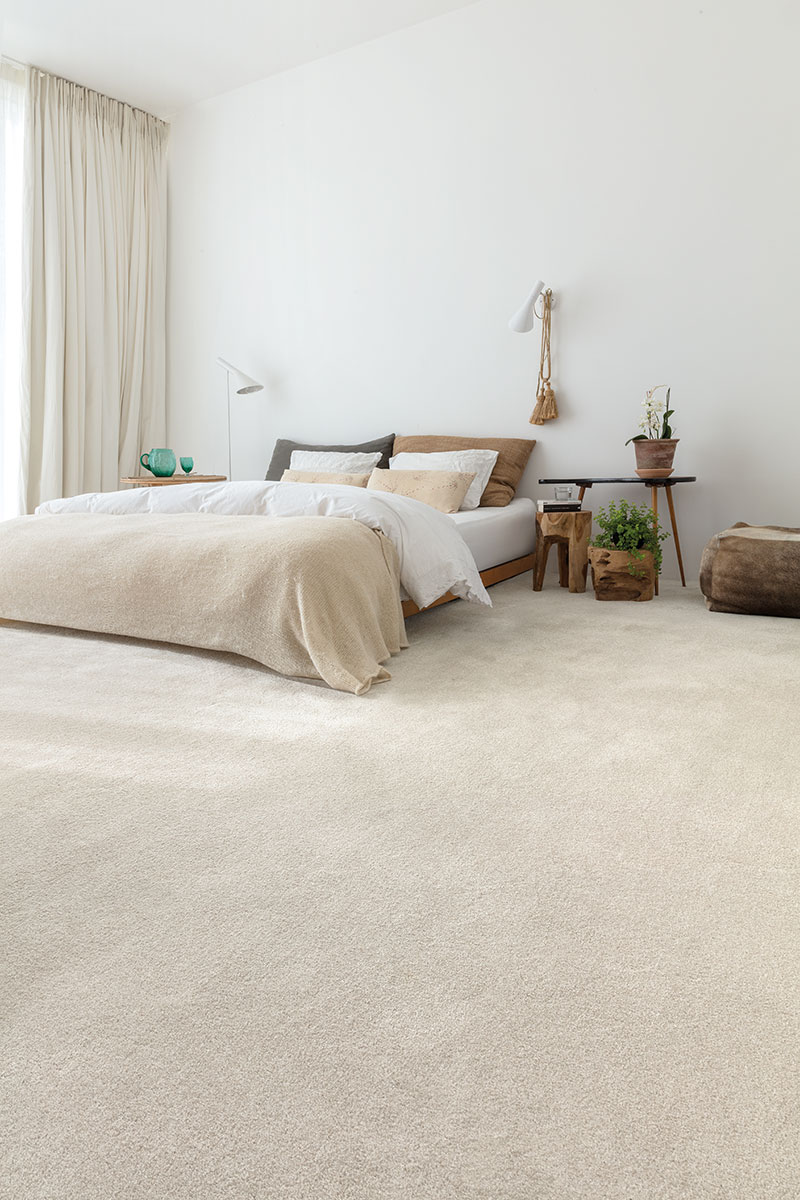
Cut pile, loop pile and custom rug options — nationwide delivery across South Africa.
Browse Products →
Pile types, installation methods, underlay and maintenance guides.
Read Overview →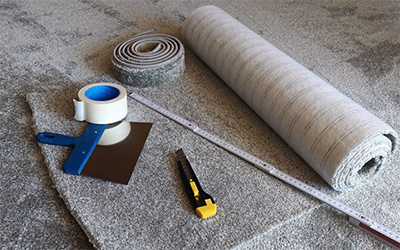
Underlay, gripper rods, adhesive, trims and door profiles for a professional finish.
View Accessories →Showing 9–16 of 25 results
-
Floornet Sorrento Cut Pile Broadloom Carpet
R377.00 m2 -

Floornet Romeo Cut Pile Broadloom Carpet
R1,270.00 m2 -

Floornet Taurus Cut Pile Broadloom Carpet
R669.00 m2 -

Floornet Florpoint – Needlepunch Broadloom Carpet 4.10m Wide
R249.00 m2 -

Floornet Dirt Off Ultra – Needlepunch Broadloom Carpet 2.0m Wide
R445.00 m2 -

Floornet Chambord Broadloom Carpet
R669.00 m2 -

Floornet Powerpoint – Needlepunch Broadloom Carpet 4.10m Wide
R221.00 m2 -

Floornet Passion – Tufted broadloom carpet
R757.00 m2