


PVC or Rubber Interlocking Floor Tile System frequently asked questions
Q - Other Names for PVC or Rubber interlocking floor tiles
PVC interlocking floor tiles are known by several other names, depending on the manufacturer, application, or regional preferences. Here are some common alternative names for PVC interlocking floor tiles:
- Vinyl Interlocking Tiles
- Modular Floor Tiles
- Click-Lock Vinyl Tiles
- Snap-Together Floor Tiles
- Plastic Interlocking Tiles
- Garage Floor Tiles (commonly used when marketed for garage applications)
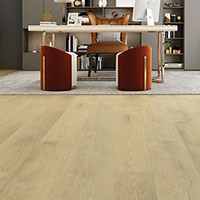
- Interlocking Vinyl Planks (sometimes used when the tiles have a wood-look design)
- Flexible Interlocking Tiles
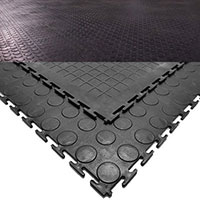
- PVC Puzzle Tiles (due to the puzzle-like interlocking design)
- Rubber-Plastic Composite Tiles (if mixed materials are used, though still primarily PVC)
These terms often emphasize the installation method (interlocking, click-lock, snap-together) or the material (vinyl, plastic, PVC), making them versatile for various applications, including garages, workshops, gyms, and commercial spaces.
Q - Is PVC Interlocking Tiles seen as a DIY flooring product
Yes, PVC interlocking tiles are commonly seen as a DIY-friendly product. These tiles are designed with interlocking edges that snap together easily, making them straightforward to install without the need for special tools, adhesives, or professional help. Here are some reasons why they are considered suitable for DIY projects:
Reasons PVC Interlocking Tiles Are DIY-Friendly
- Easy Installation:
- The interlocking edges snap together, allowing for quick and simple installation. The tiles can be laid directly over most existing floors, such as concrete or wood, with minimal preparation.
- No Adhesives Required:
- PVC interlocking tiles do not need glue or adhesives, making the installation less messy and easier for DIYers to handle. The tiles stay in place due to the interlocking mechanism.
- Customizable Layouts:
- They can be easily cut to fit around corners or irregular spaces using a utility knife, making them adaptable to various room shapes and sizes.
- Removability and Reusability:
- Since the tiles are not permanently adhered, they can be removed and repositioned if needed. This also makes them suitable for renters who may want a temporary flooring solution.
- Minimal Tools Required:
- Basic tools like a utility knife, measuring tape, and a rubber mallet are usually all that's needed for installation, making it accessible for most DIYers.
- Suitable for Different Areas:
- They are versatile and can be used in various spaces, such as garages, basements, workshops, gyms, or playrooms, adding to their appeal for DIY home improvement projects.
Ideal for DIY Projects
PVC interlocking tiles are widely regarded as a convenient and user-friendly flooring solution for homeowners who want to tackle a DIY project. They provide a quick and affordable way to improve floors with minimal effort.
Q - What are the benefits of PVC interlocking tiles
- Easy DIY Installation
- The interlocking design allows for quick and simple installation without the need for adhesives, special tools, or professional help. The tiles snap together easily, making them ideal for DIY projects.
- Durability
- PVC interlocking tiles are made from strong, flexible plastic, which makes them resistant to impacts, abrasions, and heavy loads. They are suitable for high-traffic areas and can withstand the weight of vehicles in garages.
- Water Resistance
- PVC tiles are water-resistant, making them suitable for areas prone to moisture, such as basements, laundry rooms, and garages. They do not absorb water and are resistant to mold and mildew.
- Comfort Underfoot
- The tiles offer a slight cushioning effect due to the flexible nature of PVC, providing more comfort underfoot compared to harder surfaces like concrete. This makes them suitable for areas where people stand for extended periods.
- Low Maintenance
- Easy to clean and maintain, PVC interlocking tiles typically require only regular sweeping or mopping. They are resistant to stains and can be cleaned with water and a mild detergent.
- Versatility
- Suitable for a variety of spaces, including garages, workshops, gyms, playrooms, basements, and even outdoor areas. They can be used in both residential and commercial settings.
- Removability and Reusability
- Since they are not glued down, the tiles can be easily removed and repositioned if needed. This also makes them a good temporary flooring option for renters.
- Chemical and Stain Resistance
- PVC interlocking tiles are resistant to chemicals, oils, and stains, which makes them ideal for use in garages, workshops, or industrial environments.
- Variety of Designs and Colors
- Available in different colors, patterns, and textures, allowing for customization and creative layouts. This versatility makes it easy to match the tiles to the aesthetics of a room.
- Thermal and Sound Insulation
- PVC tiles provide a degree of insulation against cold floors and can help reduce noise, which is beneficial in garages or workshops.
Summary
PVC interlocking tiles offer a combination of durability, water resistance, and ease of installation, making them a versatile and practical flooring option for many different environments. Their low maintenance and adaptability make them especially appealing for DIY projects and various indoor and outdoor applications.
Q - Is PVC interlocking tiles waterproof
Yes, PVC interlocking tiles are waterproof. They are made from polyvinyl chloride (PVC), a material that is inherently resistant to water, making the tiles suitable for use in areas prone to moisture. Here are some key points about their waterproof properties:
- Waterproof Material:
- The PVC material itself does not absorb water, so the tiles can withstand exposure to moisture without being damaged, making them ideal for spaces like bathrooms, laundry rooms, basements, and garages.
- Mold and Mildew Resistance:
- Because they do not absorb water, PVC interlocking tiles help prevent the growth of mold and mildew, which is a common issue in damp environments.
- Seam Gaps:
- While the material is waterproof, it's important to note that water can seep through the seams between tiles if not tightly interlocked. For areas with a high risk of water pooling, it may be necessary to use an underlayment or seal the seams for extra protection.
- Suitable for Indoor and Outdoor Use:
- Their waterproof nature allows them to be used in both indoor and outdoor settings, such as patios, pool areas, and workshops, where moisture is a concern.
Overall, PVC interlocking tiles provide a waterproof flooring solution suitable for various environments, but care should be taken to ensure the seams are properly connected to prevent water from reaching the subfloor.
Q - How is PVC interlocking tiles made
The manufacturing process for PVC interlocking tiles involves several steps, starting with raw material preparation and ending with the cutting of the tiles into their interlocking shape. Here’s an overview of the process:
- Raw Material Preparation
- Polyvinyl Chloride (PVC) Resins: The main ingredient is PVC resin, which is combined with various additives to enhance properties like flexibility, color, durability, and UV resistance.
- Additives: These may include plasticizers (to make the tiles flexible), stabilizers (to improve heat and light resistance), pigments (for color), and fillers (to add strength).
- Mixing and Compounding
- The PVC resin and additives are thoroughly mixed in a compounding process to form a uniform material. This mixture is then heated to create a consistent and pliable compound.
- Extrusion or Calendaring
- The heated PVC compound is fed into an extruder or a calendaring machine:
- Extrusion: The material is forced through a die to create sheets of a specific thickness.
- Calendaring: The compound is passed through a series of heated rollers to form thin, uniform sheets.
- The heated PVC compound is fed into an extruder or a calendaring machine:
- Cooling
- The sheets are cooled gradually to maintain their structural integrity and ensure a smooth finish. This helps solidify the material.
- Embossing and Texturing (Optional)
- If the tiles require a textured surface for aesthetic or anti-slip purposes, they may go through an embossing process. This step involves pressing a patterned roller onto the surface to create a specific texture.
- Cutting into Tile Shape
- The cooled PVC sheets are then cut into tile shapes using a die-cutting or precision cutting machine. The tiles are designed with interlocking edges (such as puzzle-shaped edges) that allow them to snap together easily.
- Quality Control
- Each tile undergoes a quality inspection to ensure proper thickness, dimensions, color consistency, and structural integrity. Any defective tiles are discarded or recycled.
- Packaging
- The finished tiles are packed and prepared for distribution. They are typically packaged in boxes or sets to facilitate DIY installation.
Summary
The process of making PVC interlocking tiles involves mixing PVC resins with additives, forming the material into sheets through extrusion or calendaring, cooling, and then cutting it into interlocking shapes. Optional texturing and quality control ensure the tiles meet standards for durability and appearance. The result is a versatile, waterproof, and easy-to-install flooring solution
Q - Can PVC interlocking floor tiles be installed in high-traffic areas
Yes, PVC interlocking tiles can be installed in high-traffic areas, and they are actually well-suited for such environments due to their durability and resilience. Here’s why they are a good choice for high-traffic areas:
Reasons PVC Interlocking Tiles Are Suitable for High-Traffic Areas
- Durability
- PVC interlocking tiles are made from strong, flexible polyvinyl chloride (PVC), which is resistant to impacts, abrasions, and heavy loads. This makes them ideal for high-traffic environments like garages, workshops, gyms, and commercial spaces.
- Resistance to Wear and Tear
- The tiles are designed to withstand frequent foot traffic, rolling loads, and equipment use without significant wear. They maintain their appearance and structural integrity even in busy areas.
- Water and Chemical Resistance
- PVC is naturally resistant to water, oils, chemicals, and stains, which is beneficial in high-traffic areas where spills may occur, such as workshops, industrial spaces, or kitchens.
- Easy Maintenance
- PVC interlocking tiles are easy to clean and maintain. Regular sweeping and occasional mopping are typically enough to keep them in good condition, which is important for high-traffic areas that require frequent cleaning.
- Impact Absorption
- The flexibility of PVC tiles provides some cushioning, which helps absorb impacts from dropped objects or heavy equipment, reducing the risk of damage.
- Modularity and Repairability
- If a tile becomes damaged in a high-traffic area, it can be easily replaced without disturbing the surrounding tiles, making maintenance more manageable.
Considerations for High-Traffic Installations
- Tile Thickness: For high-traffic areas, choose thicker tiles (typically 5 mm or more) to ensure better durability and resistance to heavy loads.
- Subfloor Preparation: Ensure the subfloor is even and clean to avoid any issues during installation, as uneven surfaces can affect the interlocking mechanism.
- Proper Installation: Make sure the tiles are tightly interlocked to prevent movement or separation under heavy use.
Suitable High-Traffic Areas for PVC Interlocking Tiles
- Garages and Workshops
- Commercial and Retail Spaces
- Gyms and Fitness Centers
- Basements and Utility Rooms
- Industrial Areas
Overall, PVC interlocking tiles are a robust and practical flooring option for high-traffic areas, offering durability, easy maintenance, and resistance to wear and tear
Q - Is PVC interlocking tiles eco-friendly
PVC interlocking tiles are not typically considered eco-friendly, as they are made from polyvinyl chloride (PVC), a synthetic plastic with environmental concerns associated with its production, use, and disposal. However, some factors can contribute to making PVC interlocking tiles more sustainable than traditional flooring options:
Environmental Concerns with PVC Interlocking Tiles
- Production Impact
- Manufacturing PVC involves the use of chemicals and energy-intensive processes, which can release harmful substances such as chlorine and dioxins. These chemicals can pose risks to both human health and the environment.
- Non-Biodegradable
- PVC is not biodegradable, meaning it can persist in the environment for hundreds of years. If PVC tiles end up in landfills, they can contribute to long-term plastic pollution.
- Recycling Challenges
- PVC is more difficult to recycle than some other plastics because of the additives used to give it specific properties. While some facilities can recycle PVC, the availability of such programs is limited.
Eco-Friendly Aspects of PVC Interlocking Tiles
- Recyclable Content
- Some PVC interlocking tiles are made from recycled materials, such as post-industrial or post-consumer PVC. Using recycled content can help reduce the environmental impact associated with virgin material production.
- Long Lifespan
- Durability and longevity make PVC interlocking tiles a potentially more sustainable choice if they are used for a long time. The need for replacement is less frequent compared to other less durable flooring options, reducing the overall resource consumption.
- Reusability
- PVC interlocking tiles can be easily removed, reinstalled, or relocated, making them a reusable option for temporary or changing spaces. This flexibility helps reduce waste when compared to more permanent flooring solutions.
- Low Maintenance
- The easy maintenance of PVC tiles (no need for harsh chemicals or extensive cleaning) can reduce the environmental impact of cleaning products and water usage over time.
- Recycling Programs
- Some manufacturers offer take-back programs to recycle old PVC tiles, reducing the amount of waste that goes to landfills. Checking if a brand provides such a program can make a difference in the tiles' environmental impact.
Tips for Choosing Eco-Friendlier PVC Interlocking Tiles
- Look for Recycled Content: Choose tiles made from recycled PVC materials to reduce the demand for virgin plastic.
- Check for Low-VOC Certification: Select tiles that are certified as low-VOC (Volatile Organic Compounds) to ensure better indoor air quality.
- Opt for Manufacturers with Recycling Programs: Choose brands that offer take-back or recycling programs for used tiles.
Summary
While PVC interlocking tiles are not inherently eco-friendly due to the nature of PVC, some factors such as using recycled materials, ensuring a long lifespan, and choosing brands with recycling initiatives can help make them a more sustainable option compared to other flooring materials
Q - How durable is PVC interlocking floor tiles
PVC interlocking tiles are highly durable and are designed to withstand a variety of conditions, making them suitable for both residential and commercial applications. Here are some factors that contribute to their durability:
1. Impact Resistance
- PVC interlocking tiles are made from tough, flexible polyvinyl chloride, which makes them resistant to impacts, drops, and abrasions. This makes them ideal for areas where heavy objects might be dropped, such as garages, workshops, or gyms.
2. Heavy Load Bearing
- The tiles can withstand significant weight and are capable of supporting the weight of vehicles, heavy equipment, and machinery without cracking or deforming. This makes them a good choice for garages, warehouses, and industrial settings.
3. Wear and Tear Resistance
- PVC interlocking tiles are resistant to scratches, scuffs, and general wear, even in high-traffic areas. The surface can handle frequent foot traffic, rolling loads, and rough use without showing signs of damage.
4. Moisture and Chemical Resistance
- The tiles are water-resistant and can tolerate exposure to water, oils, chemicals, and cleaning agents. This makes them suitable for wet environments like bathrooms, basements, and workshops, as well as industrial spaces where chemical spills may occur.
5. Temperature Tolerance
- PVC tiles can handle a wide range of temperatures, from hot to cold, without becoming brittle or losing their shape. This makes them suitable for use in spaces with varying temperatures, such as garages or outdoor areas.
6. Long Lifespan
- With proper care and maintenance, PVC interlocking tiles can last 10-20 years or more. Their durability and resilience against different types of damage make them a long-lasting flooring solution.
7. Easy Maintenance and Repair
- The tiles are easy to clean and maintain, requiring only regular sweeping and occasional mopping. If a tile does become damaged, it can be replaced individually, making it easy to keep the flooring in good condition.
Ideal Use Cases for Durable PVC Interlocking Tiles
- Garages: Can handle the weight of cars and resist oil spills.
- Workshops: Resistant to impacts from dropped tools and chemicals.
- Gyms: Cushions the floor and resists wear from equipment and foot traffic.
- Industrial Areas: Suitable for heavy machinery and forklift use.
Summary
PVC interlocking tiles are very durable, capable of handling heavy loads, resisting impacts and abrasions, and withstanding moisture and chemicals. Their long lifespan and ability to perform well in high-traffic and industrial environments make them a reliable and versatile flooring choice
Q - Can I install PVC interlocking tiles over existing flooring
Yes, PVC interlocking tiles can be installed over existing flooring, and they are actually designed to be versatile in this regard. Here are some key considerations for installing them over different types of existing flooring:
1. Concrete Flooring
- Ideal Surface: PVC interlocking tiles can be easily installed over concrete, making them perfect for garages, basements, and workshops.
- Surface Preparation: Ensure the concrete is clean, dry, and free of dust, grease, or debris. If there are cracks or significant uneven areas, consider filling or leveling them for better results.
2. Ceramic or Porcelain Tile Flooring
- Possible with Preparation: PVC interlocking tiles can be installed over existing ceramic or porcelain tile, but it's important to ensure the surface is even.
- Grout Lines Consideration: If the grout lines are deep, you may need to fill them or use an underlayment to avoid the tile pattern showing through the PVC tiles.
3. Vinyl, Linoleum, or Laminate Flooring
- Suitable for Installation: These surfaces are generally smooth and work well for installing PVC interlocking tiles.
- Condition Check: Make sure the existing floor is in good condition without loose sections. If the vinyl or laminate is peeling, consider removing it first.
4. Hardwood Flooring
- Possible but Not Ideal: While PVC tiles can be installed over hardwood, it is not recommended if the hardwood is in good condition, as it could trap moisture and potentially damage the wood over time.
- Use a Moisture Barrier: If installing over hardwood, consider using a moisture barrier to protect the wood underneath.
5. Carpet Flooring
- Not Recommended: PVC interlocking tiles should not be installed over carpet, especially if the carpet is thick or plush. The soft surface will not provide a stable base, and the tiles may separate or shift.
- Thin Commercial Carpet: If the carpet is low-pile and tightly glued down (e.g., commercial carpet), it may be possible to install the tiles over it, but a firmer underlayment is recommended.
General Considerations for Installing Over Existing Flooring
- Surface Preparation
- Ensure the existing floor is clean, dry, and free of debris. Any dirt or debris can interfere with the tiles' interlocking mechanism.
- Levelness
- The existing flooring should be as level as possible. Large bumps or dips may cause the interlocking tiles to separate or become uneven. If needed, use a self-leveling compound or underlayment to address any uneven areas.
- Moisture Consideration
- For areas prone to moisture, like basements or garages, consider using a moisture barrier under the tiles to protect the subfloor.
- Adhesive-Free Installation
- Since PVC interlocking tiles do not require adhesives, they can be easily removed later if needed, making them a temporary or permanent flooring solution.
Summary
PVC interlocking tiles can be installed over most existing flooring types as long as the surface is clean, level, and stable. They are a versatile and convenient option for updating floors without the need for extensive preparation or demolition.
Q - How do I clean and maintain PVC interlocking tiles
PVC interlocking tiles are known for their durability and low maintenance. Regular cleaning and proper care will help keep them in good condition and extend their lifespan. Here’s how to clean and maintain PVC interlocking tiles effectively:
1. Regular Cleaning
- Sweeping or Vacuuming:
- Sweep or vacuum the tiles regularly to remove dirt, dust, and debris. Use a soft-bristle broom or a vacuum with a hard floor attachment to avoid scratching the surface.
- Damp Mopping:
- Mop the tiles with a damp mop and a mild cleaning solution. Use a pH-neutral cleaner that is safe for PVC. Avoid using too much water, as excessive moisture can seep into the seams if not properly interlocked.
2. Deep Cleaning
- Use a Mild Detergent:
- For a deeper clean, mix a mild detergent with warm water and mop the tiles thoroughly. You can use a scrub brush for stubborn dirt, especially in textured tiles, but avoid abrasive pads that could scratch the surface.
- Rinse the Floor:
- After scrubbing, rinse the floor with clean water to remove any soap residue, and mop up the excess water.
3. Stain and Spill Management
- Wipe Up Spills Immediately:
- Clean up any spills as soon as possible to avoid staining, especially for substances like oil, grease, or chemicals.
- Stubborn Stains:
- For tough stains (e.g., oil, paint, or tire marks), use a degreaser or a specialized PVC floor cleaner. Apply the cleaner to the stain and scrub gently with a soft brush. Rinse with water afterward.
4. Protecting the Surface
- Use Floor Mats:
- Place mats at entryways to trap dirt and debris before it reaches the tiles, especially in high-traffic areas like garages or workshops.
- Avoid Dragging Heavy Objects:
- Lift heavy objects when moving them across the floor to prevent scratches or damage to the tiles.
- Furniture Pads:
- Use protective pads under furniture legs to prevent indentations or scratches.
5. Periodic Maintenance
- Inspect and Tighten Interlocks:
- Periodically check the interlocking edges to ensure they remain tightly connected. If you notice any separation, simply tap the tiles back into place.
- Replacing Damaged Tiles:
- If a tile becomes damaged, it can be easily replaced without disturbing the rest of the floor. Simply lift out the damaged tile and snap a new one into place.
6. Avoid Harsh Chemicals
- No Harsh Cleaners:
- Avoid using strong chemicals, solvents, bleach, or ammonia-based cleaners, as these can damage the surface or cause discoloration.
- Use pH-Neutral Cleaners:
- Stick to pH-neutral, non-abrasive cleaners that are designed for PVC flooring.
7. Handling Outdoor Use
- Regular Cleaning:
- If PVC interlocking tiles are used outdoors, clean them more frequently to remove dirt, leaves, and debris.
- UV Exposure:
- While some PVC tiles are UV-resistant, prolonged exposure to direct sunlight may cause fading over time. If possible, provide shade or move the tiles to a covered area.
Summary
Cleaning and maintaining PVC interlocking tiles is straightforward: regular sweeping, occasional mopping with mild detergent, immediate spill cleanup, and protecting the surface from heavy impacts will keep them in great shape. These steps help ensure the tiles remain durable and attractive for years to come.
Q - Does PVC interlocking tiles require underlayment
PVC interlocking tiles do not necessarily require underlayment, as they are designed to be installed directly over most existing floors. However, in some cases, using an underlayment can provide additional benefits. Here’s when you might consider using underlayment and the benefits it can offer:
Situations Where Underlayment Might Be Needed
- Uneven or Damaged Subfloor
- Smoothing Out Imperfections: If the existing subfloor is uneven, has cracks, or noticeable imperfections, an underlayment can help level the surface. This provides a more stable base for the tiles and helps prevent them from separating or shifting.
- Filling Gaps: Underlayment can fill small gaps or low spots in the subfloor to create a smoother installation surface.
- Noise Reduction
- Sound Insulation: In environments where noise is a concern, such as upstairs rooms or apartments, using an underlayment can help reduce sound transmission. It provides a layer of cushioning that absorbs impact sounds, making the floor quieter.
- Moisture Barrier for Concrete Floors
- Preventing Moisture Issues: If installing PVC interlocking tiles over a concrete subfloor, especially in basements or garages, a moisture barrier underlayment can help prevent moisture from seeping up from the concrete and affecting the tiles.
- Protecting Against Humidity: This is particularly important in high-humidity areas where moisture could collect on the subfloor.
- Thermal Insulation
- Added Warmth: In colder climates, using an underlayment can provide extra thermal insulation. It helps reduce the coldness coming from the subfloor, making the surface feel warmer underfoot.
Situations Where Underlayment Is Not Necessary
- Flat and Smooth Subfloor
- Good Condition Subfloor: If the existing subfloor is already smooth, flat, and in good condition, you can install the PVC interlocking tiles directly on it without an underlayment.
- Low-Pile Carpet or Vinyl: In some cases, PVC tiles can be installed over low-pile carpet or vinyl without an additional underlayment.
- High Traffic or Heavy Load Areas
- Direct Installation for Stability: In areas subject to heavy traffic or heavy loads (e.g., garages, industrial spaces), installing the tiles directly on the subfloor may be preferable for maximum stability.
Benefits of Using Underlayment
- Levels Uneven Floors: Helps to create a smooth installation surface.
- Improves Sound Insulation: Reduces noise, especially in residential or multi-level buildings.
- Acts as a Moisture Barrier: Protects against moisture and humidity when installed over concrete.
- Provides Thermal Insulation: Adds a layer of warmth in cold environments.
Summary
While PVC interlocking tiles do not inherently require underlayment, using one can offer benefits in certain situations, such as uneven subfloors, noise reduction, moisture protection, or added thermal insulation. Assessing the condition of the subfloor and the specific requirements of your space will help determine whether underlayment is necessary.
Q - What is the Guarantee / Warranty on PVC interlocking tiles
The guarantee or warranty on PVC interlocking tiles can vary depending on the manufacturer, the quality of the tiles, and the intended use (residential vs. commercial). Here’s a general overview of what you can typically expect:
1. Residential Warranty
- Duration: For residential use, PVC interlocking tiles usually come with warranties ranging from 5 to 20 years, depending on the brand and product quality.
- Coverage: Residential warranties often cover defects in material and workmanship, such as cracking, splitting, or breaking under normal use conditions. Some warranties may also cover color fading or staining for a specified period.
- Limitations: The warranty may not cover damage caused by improper installation, excessive wear from heavy or improper use, or exposure to harsh chemicals.
2. Commercial Warranty
- Duration: Commercial warranties are generally shorter, typically ranging from 1 to 10 years, due to the higher levels of wear and traffic in commercial settings.
- Coverage: These warranties often cover manufacturing defects and reasonable wear and tear under normal commercial use. Coverage for fading, cracking, or breaking may also be included but for a shorter time period than residential warranties.
- Limitations: In commercial settings, the warranty might exclude damage from heavy machinery, improper installation, or use in extreme environments.
3. Industrial Warranty
- Duration: For heavy-duty industrial use, the warranties may be 1 to 5 years, as the tiles are exposed to very harsh conditions.
- Coverage: Typically covers manufacturing defects, excessive wear, and structural integrity. However, specific exclusions for chemical exposure, extremely heavy loads, or temperature extremes may apply.
4. Specific Warranty Inclusions
- Color Fade Resistance: Some warranties include protection against significant color fading over a specific period, particularly for UV-resistant tiles.
- Moisture Resistance: Coverage for moisture-related issues, such as mold and mildew resistance, may be included if the tiles are designed for wet areas.
5. Common Warranty Limitations
- Improper Installation: Damage caused by incorrect installation (e.g., uneven subfloor or failure to properly interlock the tiles) is generally not covered.
- Heavy or Improper Use: Warranties may not cover damage from dragging heavy equipment, using the tiles in extreme temperatures, or exposure to harsh chemicals not recommended by the manufacturer.
- Surface Scratches or Cosmetic Damage: Light surface scratches or cosmetic issues may not be covered under warranty.
6. Pro-Rated Warranties
- Some warranties are pro-rated, meaning the coverage decreases over time. For example, a 10-year warranty might cover the full cost of replacement in the first five years, but only a percentage of the cost during the last five years.
Tips for Ensuring Warranty Coverage
- Follow Installation Guidelines: Adhere to the manufacturer’s installation instructions to avoid voiding the warranty.
- Use Recommended Cleaning Products: Only use cleaning products approved by the manufacturer to prevent damage that could void the warranty.
- Keep Proof of Purchase and Warranty Documentation: This is important for claiming any warranty benefits.
Summary
The warranty on PVC interlocking tiles varies based on usage and quality, typically ranging from 5 to 20 years for residential, 1 to 10 years for commercial, and 1 to 5 years for industrial applications. Warranties often cover material defects and reasonable wear, with some limitations based on usage and installation conditions.
Q - Is PVC interlocking tiles resistant to fading and discoloration
PVC interlocking tiles are generally resistant to fading and discoloration, but the degree of resistance can vary based on factors such as the quality of the tiles, the presence of UV-resistant additives, and exposure conditions. Here are some key points to consider:
1. UV Resistance
- High-quality PVC interlocking tiles often contain UV-resistant additives that help protect against fading caused by sunlight. This makes them suitable for areas with indirect sunlight or occasional sun exposure.
- However, if the tiles are exposed to prolonged direct sunlight, especially outdoors, some fading or discoloration can still occur over time, even with UV-resistant properties.
2. Indoor Use
- When used indoors, PVC tiles are less prone to fading and discoloration, as they are not exposed to intense UV rays. They maintain their color and appearance well in environments like garages, basements, workshops, or gyms.
3. Quality Variations
- Premium brands may offer better resistance to fading due to higher-quality materials and UV inhibitors in the manufacturing process.
- Lower-quality tiles may be more susceptible to discoloration, especially in areas with significant light exposure.
4. Chemical Resistance
- PVC interlocking tiles are generally resistant to many chemicals, oils, and cleaning agents, reducing the risk of discoloration from spills or chemical exposure.
5. Outdoor Use Considerations
- If used outdoors, it's advisable to choose tiles that are specifically designed for outdoor use with enhanced UV protection. This will provide better resistance against fading.
- Using protective coverings or shade can help minimize direct sunlight exposure and prevent discoloration.
Summary
PVC interlocking tiles are reasonably resistant to fading and discoloration, especially when used indoors or in areas with minimal UV exposure. For outdoor use, choosing tiles with UV protection and taking preventive measures can help maintain their color longer
Q - Can PVC interlocking tile flooring withstand scratches and dents
PVC interlocking tile flooring is resistant to scratches and dents, making it suitable for a variety of settings, including high-traffic areas. However, the level of resistance depends on factors like tile quality, thickness, and the type of use. Here’s a breakdown:
1. Scratch Resistance
- High Durability: PVC interlocking tiles are made from tough, flexible polyvinyl chloride, which is resistant to scratches from everyday use, foot traffic, and rolling loads (e.g., office chairs).
- Protective Coating: Some high-quality tiles come with an extra protective coating that enhances scratch resistance, making them suitable for environments like garages, workshops, or gyms.
- Surface Textures: Tiles with textured or embossed surfaces are less likely to show scratches compared to smooth tiles.
2. Dent Resistance
- Good Flexibility: The flexible nature of PVC helps absorb impacts, reducing the risk of dents from dropped objects. This makes them ideal for spaces where heavy tools or equipment may be used.
- Load-Bearing Capacity: PVC interlocking tiles can support heavy loads without denting, such as the weight of vehicles in a garage or heavy gym equipment.
- Tile Thickness: Thicker tiles (typically 5 mm or more) provide better dent resistance. For areas with high impacts, thicker or reinforced tiles are recommended.
3. Limitations
- Heavy Point Loads: While PVC tiles are durable, very heavy point loads (e.g., sharp or narrow furniture legs) can leave indentations if pressure is concentrated in a small area.
- Sharp Objects: Direct impact from sharp objects may cause visible scratches or cuts, although the damage is usually minimal.
4. Suitable Applications
- Garages: Resistant to scratches from tools and dents from cars.
- Gyms: Withstands heavy weights and equipment without damage.
- Workshops: Durable enough for tools and rolling equipment.
- Commercial Spaces: Handles high foot traffic and rolling loads like carts or office chairs.
Summary
PVC interlocking tiles are resistant to scratches and dents, thanks to their durable and flexible nature. They are suitable for high-traffic areas and spaces where heavy objects are used. However, extremely heavy point loads or sharp objects may cause minor damage
Q - How does PVC interlocking tiles compare to SPC vinyl flooring
PVC interlocking tiles and SPC (Stone Plastic Composite) vinyl flooring are both popular resilient flooring options, but they have different properties, applications, and installation methods. Here's a comparison of the two:
1. Material Composition
- PVC Interlocking Tiles:
- Made entirely from polyvinyl chloride (PVC), giving them flexibility and resilience. Some may include recycled content.
- Typically feature an interlocking design that snaps together, allowing for easy installation without adhesives.
- SPC Vinyl Flooring:
- Composed of a rigid core made from limestone powder, PVC, and stabilizers, making it more rigid and stable than standard vinyl flooring.
- Often comes with a built-in underlayment (e.g., foam or cork) for added sound insulation and comfort.
2. Durability
- PVC Interlocking Tiles:
- Highly durable and can withstand heavy loads, impacts, and frequent foot traffic. The flexible nature helps absorb shocks, making them resistant to dents.
- More resistant to moisture and chemicals, making them suitable for garages, workshops, and industrial areas.
- SPC Vinyl Flooring:
- Offers excellent durability due to the rigid core, which provides more dimensional stability and resistance to dents from heavy objects.
- Scratch-resistant wear layer protects the surface, but it may not absorb impacts as well as flexible PVC tiles.
3. Water and Moisture Resistance
- PVC Interlocking Tiles:
- Waterproof and resistant to moisture, making them suitable for areas prone to water exposure, such as bathrooms, basements, and kitchens.
- Seam gaps can allow water to seep through if not installed tightly, so proper installation is key.
- SPC Vinyl Flooring:
- 100% waterproof due to its rigid core, making it ideal for wet areas. The tight click-lock system helps prevent water from reaching the subfloor.
- Can be used in bathrooms, laundry rooms, and kitchens without any issues.
4. Installation
- PVC Interlocking Tiles:
- DIY-friendly with a snap-together design. No adhesive is required, and they can be installed over most existing floors.
- Can be easily removed and reinstalled, making them suitable for temporary or modular flooring solutions.
- SPC Vinyl Flooring:
- Click-lock installation system is also DIY-friendly but requires a smooth, level subfloor for proper fitting.
- Typically installed as a floating floor with no adhesive needed, but may require trimming around doorways or edges.
5. Comfort and Underfoot Feel
- PVC Interlocking Tiles:
- More cushioned and flexible, providing better comfort underfoot. Suitable for areas where people stand for long periods.
- Helps reduce noise and vibrations, making it ideal for workshops or gyms.
- SPC Vinyl Flooring:
- Has a rigid feel due to its stone composite core, but some versions come with a built-in underlayment for added comfort and sound absorption.
- May feel colder underfoot compared to PVC tiles.
6. Aesthetic Options
- PVC Interlocking Tiles:
- Available in various colors, patterns, and textures, but they are often designed for industrial, garage, or gym settings, where aesthetics may be secondary to functionality.
- SPC Vinyl Flooring:
- Offers more realistic wood, stone, or tile designs, making it a better choice for residential and commercial interior spaces where appearance is important.
7. Cost
- PVC Interlocking Tiles:
- Generally more affordable, especially for modular or industrial-grade options.
- Suitable for budget-conscious projects and areas where durability and ease of installation are priorities.
- SPC Vinyl Flooring:
- Typically more expensive than standard PVC tiles, especially high-quality designs that mimic wood or stone.
- Costs can vary depending on the quality, thickness, and brand.
8. Use Cases
- PVC Interlocking Tiles:
- Ideal for garages, workshops, gyms, basements, and industrial settings due to their durability and flexibility.
- Suitable for temporary flooring solutions or areas requiring frequent changes.
- SPC Vinyl Flooring:
- Best suited for residential and commercial interiors such as living rooms, bedrooms, bathrooms, and offices, where aesthetics and a more traditional look are important.
Summary
PVC interlocking tiles are flexible, durable, and ideal for high-traffic, industrial, or utility areas. They are budget-friendly and easy to install but may lack the high-end aesthetics of SPC flooring. SPC vinyl flooring, on the other hand, offers a more rigid and realistic appearance with excellent water resistance, making it suitable for residential spaces where looks matter. Both options are waterproof and DIY-friendly, but their best applications differ based on the specific needs of the space.
Q - How does PVC interlocking tiles compare to Ceramic and Porcelain Tiles
PVC interlocking tiles and ceramic or porcelain tiles are very different types of flooring, each with its own strengths and weaknesses. Here’s a comparison between the two:
1. Material Composition
- PVC Interlocking Tiles:
- Made from polyvinyl chloride (PVC), a type of flexible plastic. These tiles snap together, making installation easy.
- Ceramic and Porcelain Tiles:
- Made from natural clay and fired at high temperatures. Porcelain is fired at higher temperatures, making it denser and more durable than ceramic.
2. Durability
- PVC Interlocking Tiles:
- Durable and flexible, resistant to impact, scratches, and dents. They can withstand heavy loads and foot traffic but may be prone to damage from sharp objects.
- Suitable for garages, workshops, gyms, and industrial settings.
- Ceramic and Porcelain Tiles:
- Extremely durable and hard, resistant to scratches, heat, and stains. Porcelain is especially dense and less porous, making it more resistant to chipping and cracking.
- Ideal for kitchens, bathrooms, and outdoor areas.
3. Water Resistance
- PVC Interlocking Tiles:
- Waterproof, suitable for wet areas like bathrooms, basements, and laundry rooms. However, water can seep through the seams if not installed tightly.
- Ceramic and Porcelain Tiles:
- Highly water-resistant, with porcelain being almost waterproof due to its low porosity. Ceramic may absorb some moisture but is still suitable for wet environments.
4. Installation
- PVC Interlocking Tiles:
- DIY-friendly and do not require adhesives or grout. They can be installed over most existing floors, including concrete, tile, and vinyl.
- Installation is quick and easy, with tiles snapping together without the need for special tools.
- Ceramic and Porcelain Tiles:
- Requires professional installation or advanced DIY skills. The process involves using mortar, grout, and sometimes a tile saw for cutting.
- Longer installation time due to the need for accurate layout, adhesive setting, and grouting.
5. Comfort and Underfoot Feel
- PVC Interlocking Tiles:
- Soft and flexible, providing some cushioning underfoot, which is more comfortable for standing or walking over long periods.
- Warmer to the touch, especially in colder climates.
- Ceramic and Porcelain Tiles:
- Hard and rigid, offering no cushioning. This makes them less comfortable for standing over long periods.
- Cold underfoot, especially in winter, unless radiant floor heating is installed.
6. Aesthetics
- PVC Interlocking Tiles:
- Available in various colors and patterns, but typically used for industrial, garage, or utility areas where aesthetics are less critical.
- Ceramic and Porcelain Tiles:
- Offer a wide range of styles, colors, textures, and patterns, including realistic stone and wood looks. Ideal for creating a high-end or decorative appearance in residential and commercial interiors.
7. Maintenance
- PVC Interlocking Tiles:
- Low maintenance; requires regular sweeping and occasional mopping with a mild detergent. Resistant to most chemicals and stains.
- Easy to replace individual tiles if damaged.
- Ceramic and Porcelain Tiles:
- Also low maintenance, but grout lines may require periodic cleaning and sealing to prevent staining.
- Chipped or cracked tiles can be difficult to repair and may require professional replacement.
8. Cost
- PVC Interlocking Tiles:
- Generally more affordable than ceramic or porcelain tiles, especially in terms of material and installation costs.
- Suitable for budget-friendly projects.
- Ceramic and Porcelain Tiles:
- Typically more expensive, especially for high-quality porcelain or designer styles. Installation costs are also higher due to the need for professional labor.
9. Use Cases
- PVC Interlocking Tiles:
- Ideal for garages, workshops, gyms, basements, and industrial settings where flexibility, durability, and easy installation are priorities.
- Suitable for temporary or modular flooring solutions.
- Ceramic and Porcelain Tiles:
- Best suited for kitchens, bathrooms, living areas, entryways, and outdoor patios, where aesthetics and durability are essential.
- Often used in residential and commercial spaces that require a more decorative and high-end look.
Summary
PVC interlocking tiles offer a flexible, comfortable, and easy-to-install option, ideal for utility areas, garages, and DIY projects. Ceramic and porcelain tiles provide a more durable, elegant, and water-resistant solution, suitable for kitchens, bathrooms, and decorative spaces, though they require more complex installation and higher upfront costs. The choice between them depends on the intended use, desired aesthetics, and budget.
Q - Do PVC interlocking tiles require a DPM damp proof membrane
PVC interlocking tiles do not always require a DPM (damp proof membrane), but it depends on the conditions of the subfloor and the environment where they are being installed. Here are the key considerations for whether you need a DPM:
When a DPM Is Recommended
- Installing Over Concrete Subfloors
- New or Recently Laid Concrete: If the concrete is less than 6 months old, it may still be releasing moisture as it cures. In this case, a DPM is recommended to prevent moisture from seeping up and affecting the tiles.
- Damp or Moisture-Prone Areas: If the installation area is known to be prone to dampness or high humidity, such as basements or ground floors, a DPM can help protect against rising moisture.
- Basements and Ground-Level Installations
- High Risk of Moisture Ingress: For areas where moisture from the ground is more likely to penetrate (e.g., basements), a DPM provides an extra layer of protection. This prevents potential mold, mildew, or damage to the tiles.
- Older Buildings Without Proper Damp Proofing
- In older buildings where the existing damp-proofing might be compromised or non-existent, using a DPM is a preventative measure to ensure no moisture reaches the flooring.
When a DPM May Not Be Necessary
- Dry, Indoor Environments
- If the subfloor is completely dry (e.g., wood, vinyl, or tile flooring) and in a controlled indoor environment with no history of dampness, a DPM may not be needed.
- Properly Cured Concrete Subfloors
- If the concrete subfloor has been in place for more than 6 months and has been properly tested for moisture levels (below 3-4% moisture content), a DPM may not be required.
- Installing Over an Existing Waterproof Floor
- If you're installing the tiles over an existing waterproof floor (e.g., vinyl sheet flooring or ceramic tiles), an additional DPM may not be necessary.
Benefits of Using a DPM
- Prevents Moisture Damage: Protects against moisture rising from the subfloor, which could cause the tiles to warp, lift, or develop mold.
- Extends the Lifespan of the Flooring: By preventing moisture issues, a DPM helps maintain the integrity and appearance of the flooring.
- Improves Indoor Air Quality: Helps reduce the risk of mold and mildew growth, which can affect air quality.
How to Install a DPM
- Lay the DPM Sheet: Roll out the DPM sheet over the subfloor, ensuring it covers the entire area. Overlap the sheets by at least 100 mm (4 inches) and tape the seams to ensure a continuous moisture barrier.
- Extend the DPM Up the Walls: Extend the DPM slightly up the walls (about 50-100 mm) to create a moisture barrier at the perimeter.
- Install the PVC Interlocking Tiles: Once the DPM is in place, install the PVC interlocking tiles directly over it.
Summary
A DPM is recommended for PVC interlocking tile installations over new concrete, moisture-prone areas, basements, and older buildings without proper damp-proofing. For dry, indoor areas with low moisture risk, it may not be necessary. Using a DPM can help protect against moisture-related issues and extend the lifespan of the flooring.
Q - Do I need to close/even grout lines if fitting PVC interlocking tiles over ceramic tiles
Yes, it is recommended to close or even out grout lines when fitting PVC interlocking tiles over ceramic tiles, especially if the grout lines are deep or wide. Here's why and how you can do it:
Why It's Important to Close or Even Out Grout Lines
- Prevents Uneven Surface
- If the grout lines are not evened out, they can create an uneven surface under the PVC interlocking tiles, causing the tiles to shift, wobble, or separate. This can affect the stability and appearance of the floor.
- Improves Interlocking Mechanism
- PVC interlocking tiles rely on a smooth and level surface for the interlocking mechanism to work properly. If the subfloor has deep grout lines, the tiles may not lock together tightly, leading to gaps or movement.
- Enhances Comfort and Durability
- Filling in the grout lines helps create a flat and stable base, which improves the underfoot comfort and increases the lifespan of the PVC tiles by reducing stress on the interlocking joints.
How to Close or Even Out Grout Lines
- Use a Self-Leveling Compound
- Apply a self-leveling compound to the ceramic tile floor. This will fill in the grout lines and create a smooth, even surface. Follow the manufacturer's instructions for mixing and applying the compound.
- Allow the compound to dry completely before installing the PVC interlocking tiles.
- Use a Floor Filler or Patch
- If the grout lines are not very deep, you can use a floor filler or patching compound to fill the gaps. Apply the filler over the grout lines using a trowel, smoothing it out to create a level surface.
- Once it is dry and sanded smooth, the floor will be ready for the PVC tile installation.
- Install an Underlayment (Optional)
- In some cases, installing a thin underlayment (such as foam or rubber) over the ceramic tiles can help even out minor grout lines and provide additional cushioning. This may be an option if the grout lines are shallow.
Summary
Evening out grout lines is recommended before installing PVC interlocking tiles over ceramic tiles to ensure a flat, stable surface. Using a self-leveling compound or floor filler helps achieve a smooth base, improving the installation quality and durability of the PVC flooring
Q - How to repair minor scratches on PVC interlocking tiles
Repairing minor scratches on PVC interlocking tiles is relatively easy and can help restore the appearance of the flooring. Here are some methods you can use to fix minor scratches:
1. Cleaning the Affected Area
- Step 1: Start by cleaning the scratched area thoroughly with a mild detergent and water to remove any dirt, dust, or debris. This will ensure that the repair materials adhere properly.
- Step 2: Dry the area completely using a soft cloth.
2. Buffing with a Soft Cloth
- For very minor surface scratches, you can try buffing the area with a soft cloth. Gently rub the scratch in a circular motion to see if it diminishes. Sometimes, the friction from buffing can help blend the scratch into the surrounding area.
3. Using a Vinyl or Plastic Floor Polish
- Step 1: Apply a vinyl or plastic floor polish to the scratched area. These products are designed to fill in minor scratches and restore the shine to PVC flooring.
- Step 2: Use a soft cloth or sponge to apply the polish in a circular motion, following the product instructions.
- Step 3: Allow it to dry completely, and then buff the area with a clean cloth to restore the shine.
4. Heat Treatment (For Light Scratches)
- Step 1: Use a hair dryer or heat gun on a low setting to gently warm the scratched area. Be careful not to overheat the tile, as this can cause damage.
- Step 2: While the tile is warm, use a soft cloth to buff the scratch. The heat can help soften the PVC slightly, allowing the scratch to blend in more with the surrounding surface.
- Step 3: Let the area cool down and check if the scratch is less visible.
5. Using a PVC Floor Repair Kit
- Step 1: Purchase a PVC floor repair kit that includes color-matched filler or wax. These kits are designed to fill deeper scratches or small gouges and come in various colors to match different flooring shades.
- Step 2: Follow the instructions in the kit to apply the filler to the scratch. Use a plastic putty knife to smooth the filler into the scratch.
- Step 3: Allow it to dry, then gently buff the area with a soft cloth.
6. Applying a Clear Coat or Floor Sealer (Optional)
- After repairing the scratches, you can apply a clear coat or floor sealer over the repaired area to provide extra protection and restore the original finish. This step is optional but can help prevent future scratches.
Summary
To repair minor scratches on PVC interlocking tiles, start with cleaning and buffing the area, then use a vinyl floor polish, heat treatment, or a PVC floor repair kit if needed. These methods can help restore the appearance and keep the tiles looking good. For deeper scratches, consider using a repair kit with color-matched filler
Q - Is PVC interlocking tiles safe for my Pets and will their nails scratch the floor
PVC interlocking tiles are generally safe for pets and can be a good flooring choice for households with animals. However, there are a few considerations regarding safety and scratch resistance:
1. Safety for Pets
- Non-Toxic Material: High-quality PVC interlocking tiles are made from non-toxic materials and are free of harmful chemicals, such as phthalates and heavy metals, making them safe for pets.
- Slip Resistance: PVC tiles often have a textured or embossed surface, providing better traction for pets compared to smoother surfaces like hardwood or laminate. This reduces the risk of slipping, especially for older pets.
- Water Resistance: The tiles are waterproof, so accidents or spills can be easily cleaned up without damaging the floor. This is beneficial for homes with pets that may have accidents indoors.
2. Scratch Resistance
- Scratch-Resistant but Not Scratch-Proof: While PVC interlocking tiles are scratch-resistant, they are not completely scratch-proof. Pet nails, especially if they are long or sharp, can potentially scratch or scuff the surface, although this is usually minimal.
- Durability Against Pet Use: The flexible nature of PVC helps absorb impact, reducing the likelihood of deep scratches from pet claws. However, the visibility of scratches can vary depending on the tile's color and finish.
3. Minimizing Scratches
- Keep Pet Nails Trimmed: Regularly trimming your pet's nails will help reduce the chances of scratching the tiles.
- Use Floor Mats or Rugs: Placing rugs or mats in high-traffic areas where pets frequently run or play can help protect the floor.
- Choose Textured Tiles: Textured or matte-finish PVC tiles are less likely to show scratches than glossy or smooth tiles.
4. Other Considerations
- Comfort for Pets: PVC interlocking tiles provide some cushioning, making them more comfortable for pets to walk or lie on compared to harder surfaces like ceramic tiles.
- Easy to Clean: The tiles are easy to maintain and clean, which is helpful for dealing with pet hair, dander, and any messes.
Summary
PVC interlocking tiles are safe for pets, offering good traction, water resistance, and a pet-friendly surface. While they are scratch-resistant, pet nails can still cause minor scuffs, so regular nail trimming and using rugs in high-traffic areas can help minimize this.
Q - Where can and cannot PVC interlocking floor tiles be installed
PVC interlocking floor tiles are versatile and can be installed in various environments, but there are some areas where they may not be suitable. Here’s an overview of where they can and cannot be installed:
Suitable Areas for PVC Interlocking Floor Tiles
- Garages
- Durability: PVC tiles can withstand the weight of vehicles and resist oil, grease, and other chemicals typically found in garages.
- Waterproof: They are resistant to moisture, making them suitable for garages where water may be present.
- Basements
- Moisture Resistance: Ideal for basements prone to dampness or occasional flooding, as the tiles are waterproof and mold-resistant.
- Easy Installation: Can be installed directly over concrete, even if the surface is uneven.
- Workshops and Utility Rooms
- Impact Resistance: Can handle heavy tools, equipment, and frequent use without damage.
- Comfort: Provides a cushioned surface that is more comfortable to stand on for long periods.
- Gyms and Fitness Rooms
- Shock Absorption: The flexible nature of PVC tiles helps absorb impact, making them suitable for gym floors.
- Easy Maintenance: Sweat and spills can be easily wiped up.
- Laundry Rooms
- Water Resistance: Handles moisture and accidental water leaks well.
- Durability: Can withstand the heavy appliances typically found in laundry rooms.
- Commercial Spaces
- High-Traffic Areas: Suitable for areas with heavy foot traffic, such as retail spaces, showrooms, and offices.
- Versatility: Available in various colors and patterns to suit different aesthetics.
- Kitchens
- Waterproof and Stain-Resistant: Can handle spills and frequent cleaning.
- Comfortable Underfoot: More comfortable to stand on compared to ceramic tiles or concrete.
- Outdoor Areas (with Caution)
- Patios and Decks: Can be used in outdoor covered areas, but ensure the tiles are UV-stabilized for better resistance to fading.
Areas Where PVC Interlocking Tiles Are Not Ideal
- High-Temperature Areas
- Extreme Heat Exposure: PVC tiles may warp or deform under extreme temperatures (e.g., near fireplaces, outdoor areas with direct sun exposure, or industrial settings with high heat).
- Direct Sunlight Outdoors: Prolonged exposure to UV rays can cause fading or discoloration unless the tiles are specifically designed for outdoor use.
- Uneven or Heavily Damaged Subfloors
- Very Uneven Surfaces: While PVC tiles can accommodate minor unevenness, heavily damaged or very uneven subfloors should be leveled first for proper installation.
- Cracked or Crumbling Concrete: A damaged subfloor can compromise the stability of the tiles.
- Carpeted Floors
- Soft or Plush Carpet: Installing PVC interlocking tiles over thick carpet is not recommended, as the tiles may shift, separate, or feel unstable. The carpet should be removed first.
- Thin Commercial Carpet: May work with a firm underlayment, but removing the carpet is usually preferable.
- Directly on Heated Floors
- Radiant Heating: Not all PVC tiles are suitable for use over radiant heating systems. Check the manufacturer's recommendations for compatibility.
- Wet Outdoor Areas (Uncovered)
- Open Patios or Pool Decks: While the tiles are waterproof, they may not provide sufficient drainage in very wet outdoor areas without proper preparation. Water pooling can cause slipping hazards.
Summary
PVC interlocking tiles can be installed in a variety of locations, such as garages, basements, workshops, gyms, and commercial spaces. However, they are not suitable for high-temperature areas, very uneven subfloors, thick carpeted floors, or uncovered wet outdoor spaces. Proper preparation and choosing the right type of tile for the environment will help ensure a successful installation
Q - How do I clean my PVC interlocking floor tiles - Best Practices
Cleaning PVC interlocking floor tiles is straightforward and requires minimal effort to keep them looking their best. Here are some best practices for cleaning and maintaining your PVC interlocking tiles:
1. Regular Cleaning
- Sweeping or Vacuuming:
- Sweep or vacuum the floor regularly to remove dust, dirt, and debris. Use a soft-bristle broom or a vacuum with a hard floor attachment to avoid scratching the surface.
- This is especially important in high-traffic areas, garages, or workshops where dirt and small particles can accumulate quickly.
- Damp Mopping:
- Mop the floor with a damp mop and a mild cleaning solution. Use a pH-neutral cleaner that is safe for vinyl or PVC flooring to avoid damage.
- Avoid soaking the floor with excessive water. Wring out the mop well before cleaning to ensure that the surface is only damp.
2. Deep Cleaning
- Occasional Deep Cleaning:
- For a deeper clean, especially in high-traffic areas, mix a mild detergent with warm water and mop the tiles thoroughly.
- Scrub Stubborn Dirt: Use a soft brush or scrub pad to clean stubborn spots, especially if the tiles have a textured surface. Avoid using abrasive scrubbers that could scratch the tiles.
- Rinse with Clean Water:
- After deep cleaning, rinse the floor with clean water to remove any soap residue. Mop up excess water with a dry mop to prevent moisture from seeping into the seams.
3. Stain and Spill Management
- Wipe Up Spills Immediately:
- Quickly clean up any spills, especially oil, grease, or chemicals, to prevent staining. PVC tiles are resistant to most substances, but prompt cleanup helps maintain the appearance.
- Remove Stubborn Stains:
- For tough stains, use a degreaser or specialized PVC floor cleaner. Apply the cleaner to the stained area and gently scrub with a soft brush or cloth.
- Avoid harsh chemicals like bleach or strong solvents, as they can damage the tile surface.
4. Preventive Maintenance
- Use Entry Mats:
- Place mats at entryways to trap dirt and moisture before it reaches the tiles, especially in garages or workshops. This helps minimize the amount of dirt on the floor.
- Protect the Surface from Heavy Loads:
- Use protective mats or padding under heavy equipment or furniture to prevent dents or scratches.
- Avoid dragging heavy items across the floor; lift them instead to prevent scuffs.
- Keep Floor Dry:
- While PVC tiles are waterproof, keeping the floor dry helps prevent slip hazards and ensures long-term durability.
5. Avoiding Common Mistakes
- Do Not Use Abrasive Cleaners:
- Avoid using scouring powders, steel wool, or abrasive pads, as they can scratch the tiles.
- Avoid Steam Cleaning:
- Steam cleaning is not recommended for PVC interlocking tiles, as the high heat can damage the material or cause warping.
- Do Not Use Excessive Water:
- While the tiles are waterproof, excessive water can seep into the seams and cause problems if not cleaned up promptly.
6. Optional Polishing for Extra Shine
- Apply a Floor Polish (Optional):
- If you want to restore the shine of the tiles, you can use a vinyl floor polish or floor finish. Apply it according to the manufacturer's instructions for a fresh look.
Summary
To keep your PVC interlocking floor tiles clean and well-maintained, sweep or vacuum regularly, mop with a mild cleaner, and wipe up spills quickly. Avoid abrasive cleaning tools, steam cleaning, and excessive water. By following these best practices, you can keep your tiles looking great for years to come
Q - Do the tile thickness matter when choosing my new PVC interlocking floor tiles
Yes, tile thickness does matter when choosing PVC interlocking floor tiles, as it impacts the durability, comfort, and suitability of the tiles for different applications. Here’s how tile thickness can affect your choice:
1. Durability and Load-Bearing Capacity
- Thicker Tiles (5 mm or more):
- More suitable for high-traffic areas and spaces that need to support heavy loads, such as garages, workshops, gyms, or industrial settings.
- Thicker tiles provide better resistance to impacts, dents, and heavy objects, making them ideal for areas where vehicles or heavy equipment will be present.
- Thinner Tiles (3-4 mm):
- May be adequate for residential settings with light foot traffic, such as home offices, bedrooms, or laundry rooms.
- Not recommended for areas with heavy loads or equipment, as they may not withstand high levels of stress or impact as well as thicker tiles.
2. Comfort Underfoot
- Thicker Tiles:
- Provide more cushioning and comfort, making them better for areas where people will be standing or walking for extended periods, such as gyms, workshops, or kitchens.
- The added thickness helps to absorb impact and reduce fatigue, which is beneficial for spaces where comfort is a priority.
- Thinner Tiles:
- May feel less cushioned and provide less impact absorption, which could be less comfortable for long-term standing.
- Suitable for areas where comfort is not a primary concern, such as storage rooms.
3. Subfloor Condition
- Thicker Tiles:
- Can better accommodate minor imperfections or unevenness in the subfloor, providing a more stable and even surface.
- Ideal if you are installing over a slightly rough or uneven surface, as they help mask subfloor imperfections.
- Thinner Tiles:
- Require a smooth, even subfloor for proper installation. Any bumps, cracks, or imperfections in the subfloor may be more noticeable with thinner tiles.
- If installing thinner tiles, ensure the subfloor is well-prepared and level.
4. Installation Flexibility
- Thicker Tiles:
- Typically more rigid and stable, making them easier to install and providing a more secure interlock, especially in larger spaces.
- Thinner Tiles:
- May be more flexible, which can make installation over uneven surfaces more challenging. They may shift or separate if not installed on a stable and even base.
5. Cost Considerations
- Thicker Tiles:
- Generally more expensive due to the increased material, but they offer better durability and performance in demanding environments.
- Thinner Tiles:
- More affordable, making them a good option for budget-conscious projects in low-traffic areas.
6. Noise and Sound Insulation
- Thicker Tiles:
- Provide better sound insulation and reduce noise transmission, making them ideal for use in gyms, workshops, or multi-level buildings where noise reduction is a factor.
- Thinner Tiles:
- Offer less sound insulation, which may not be suitable for spaces where noise reduction is important.
Summary
The thickness of PVC interlocking tiles matters depending on the intended use, subfloor condition, comfort requirements, and budget. Thicker tiles (5 mm or more) are better for high-traffic, heavy-duty areas, providing more durability and comfort, while thinner tiles (3-4 mm) are suitable for light traffic and residential spaces. Proper consideration of tile thickness helps ensure the flooring meets your needs effectively.
Q - Why is PVC interlocking floor tiles so popular
PVC interlocking floor tiles are popular because they offer a combination of durability, ease of installation, versatility, and affordability. Here are the key reasons why they are a popular flooring choice:
1. Easy DIY Installation
- Interlocking Design: The tiles snap together with a simple interlocking mechanism, making them easy to install without the need for glue, adhesives, or special tools.
- No Professional Help Required: Suitable for DIY projects, which saves time and money on installation costs.
- Quick and Temporary Installation: Can be installed directly over most existing floors, including concrete, wood, or tile, allowing for a quick transformation.
2. Durability and Longevity
- Highly Durable: Made from tough polyvinyl chloride (PVC), these tiles are resistant to wear, impact, and heavy loads, making them ideal for high-traffic areas.
- Scratch and Dent Resistance: They can withstand daily use, including foot traffic, rolling loads, and even vehicles in garages.
- Water and Chemical Resistance: PVC tiles are resistant to moisture, oils, and chemicals, making them suitable for garages, workshops, basements, and kitchens.
3. Versatility
- Suitable for Various Settings: Can be used in a wide range of environments, including garages, gyms, workshops, basements, commercial spaces, and even outdoor areas.
- Multiple Design Options: Available in different colors, patterns, and textures, allowing for customization and creative layouts. Some tiles mimic the look of wood, stone, or other flooring types.
- Adaptable for Temporary or Permanent Use: Can be used for temporary flooring solutions, as they can be easily removed and reinstalled in a different location.
4. Comfort and Safety
- Cushioned Feel: PVC interlocking tiles provide a softer, more cushioned surface compared to harder flooring materials like concrete or ceramic tiles, making them comfortable to walk or stand on for long periods.
- Slip Resistance: Many PVC tiles feature a textured surface that enhances grip and reduces the risk of slipping, which is especially useful in wet or high-traffic areas.
5. Low Maintenance
- Easy to Clean: PVC tiles require minimal cleaning effort, usually just regular sweeping and occasional mopping with a mild detergent.
- Stain and Moisture Resistant: Their resistance to spills and stains makes them easy to maintain, even in areas where liquids are frequently present.
6. Cost-Effectiveness
- Affordable Flooring Solution: PVC interlocking tiles are generally less expensive than other flooring options, such as hardwood, ceramic tiles, or epoxy flooring.
- Reduces Installation Costs: The ease of DIY installation eliminates the need for professional labor, saving on installation expenses.
7. Noise Reduction
- Sound Absorption: The flexible nature of PVC tiles helps to absorb noise, making them quieter underfoot compared to harder flooring surfaces. This is beneficial in gyms, workshops, or multi-level buildings.
8. Environmentally Friendly Options
- Recyclable and Reusable: Some PVC interlocking tiles are made from recycled materials, and they can often be recycled at the end of their life.
- Removable and Reusable: The tiles can be taken up and reinstalled in another location, reducing waste and making them a more sustainable choice for temporary applications.
9. Repair and Replacement
- Easy to Replace Individual Tiles: If a tile becomes damaged, it can be easily removed and replaced without disturbing the rest of the floor. This makes maintenance and repairs simple and cost-effective.
Summary
PVC interlocking floor tiles are popular due to their easy DIY installation, durability, versatility, and affordability. They offer a comfortable, slip-resistant, and low-maintenance solution that works well in various settings, from residential to commercial and industrial environments. Their ability to be easily installed, removed, and reused adds to their appeal as a practical and flexible flooring option
Q - Is interlocking PVC floor tiles considered to be Hypoallergenic
Yes, interlocking PVC floor tiles can be considered hypoallergenic, as they have properties that make them a suitable choice for reducing allergens in indoor environments. Here’s why they are often seen as hypoallergenic:
1. Non-Porous Surface
- PVC interlocking tiles have a smooth, non-porous surface, which means they do not trap dust, dirt, pet dander, or other allergens. This helps maintain a cleaner and more hygienic indoor environment.
- Unlike carpets, which can harbor allergens and dust mites, PVC tiles are less likely to contribute to indoor air quality issues.
2. Resistance to Mold and Mildew
- Waterproof and Moisture-Resistant: PVC tiles are resistant to moisture, which helps prevent the growth of mold and mildew—common sources of allergens.
- Ideal for Damp Areas: Their moisture resistance makes them suitable for basements, bathrooms, and kitchens, where humidity levels are higher and mold can be a problem.
3. Easy to Clean
- Low Maintenance: PVC tiles are easy to clean, requiring only regular sweeping and occasional mopping. This helps reduce the buildup of dust and allergens.
- Stain-Resistant: They resist spills and stains, which can be cleaned up quickly, preventing the growth of bacteria and allergens.
4. Does Not Emit VOCs (Low or No VOC Options Available)
- Low-VOC Flooring: Many high-quality PVC interlocking tiles are made to be low in volatile organic compounds (VOCs), which are chemicals that can be released into the air and may trigger allergic reactions.
- Check for Certifications: Look for PVC tiles that are FloorScore or GREENGUARD certified, indicating that they meet indoor air quality standards for low emissions.
5. Dust and Allergen Reduction
- Anti-Static Properties: Some PVC tiles are treated to be anti-static, which can help reduce the attraction of dust and fine particles to the surface.
- Minimal Dust Accumulation: The smooth surface does not easily trap dust, making it easier to maintain a dust-free environment compared to other flooring options like carpets.
6. Hypoallergenic Benefits Compared to Other Flooring Types
- Better than Carpets: Carpets can trap allergens like dust mites, pollen, and pet dander. PVC tiles, with their non-porous surface, minimize the presence of these allergens.
- More Suitable than Some Wood or Laminate Floors: Some wood or laminate floors may require sealants or finishes that contain VOCs, which can affect indoor air quality. PVC tiles are often available in low-VOC options.
Summary
Interlocking PVC floor tiles can be considered hypoallergenic due to their non-porous surface, resistance to mold and mildew, easy cleaning, and low VOC emissions. These properties make them a suitable choice for people with allergies or asthma, as they help reduce the presence of allergens in indoor environments. To ensure the best hypoallergenic benefits, choose low-VOC or certified PVC tiles
Q - What is VOC's in interlocking PVC floor tiles and is it dangerous to my health
VOCs (Volatile Organic Compounds) in interlocking PVC floor tiles refer to a group of chemicals that can be emitted as gases from certain materials, including some types of flooring. VOCs are found in various products, including paints, adhesives, plastics, and flooring materials like PVC. Here’s what you need to know about VOCs in interlocking PVC tiles and their potential health effects:
1. What Are VOCs?
- Volatile Organic Compounds (VOCs) are organic chemicals that can easily evaporate into the air at room temperature. They are found in many building materials and household products, including flooring.
- In the case of PVC interlocking tiles, VOCs may come from the manufacturing process, adhesives, plasticizers, or other chemicals used to enhance the flexibility and durability of the material.
2. VOCs in Interlocking PVC Floor Tiles
- PVC tiles can emit low levels of VOCs, especially when they are new. The amount of VOCs emitted depends on the quality of the tiles and the specific manufacturing process.
- High-quality PVC tiles are often made to have low or no VOC emissions, making them safer for indoor use. Look for FloorScore or GREENGUARD certifications, which indicate that the tiles meet indoor air quality standards for low VOC emissions.
3. Health Effects of VOCs
- Short-Term Exposure:
- Exposure to high levels of VOCs can cause short-term health effects such as headaches, dizziness, eye irritation, throat irritation, nausea, and fatigue.
- Individuals with asthma or allergies may be more sensitive to VOCs and experience aggravated symptoms.
- Long-Term Exposure:
- Long-term exposure to high levels of certain VOCs has been linked to serious health problems, including damage to the liver, kidneys, or central nervous system. Some VOCs are also classified as carcinogens (cancer-causing agents).
- However, most PVC interlocking tiles emit VOCs at very low levels, which are generally considered safe for normal use in indoor environments.
4. How to Minimize VOC Exposure from PVC Interlocking Tiles
- Choose Low-VOC or VOC-Free Products: When purchasing PVC interlocking tiles, look for options that are certified for low VOC emissions (such as FloorScore or GREENGUARD certified). These products are tested to meet indoor air quality standards.
- Proper Ventilation: After installing new PVC tiles, ensure the area is well-ventilated for a few days to help any residual VOCs dissipate. Open windows and use fans to circulate fresh air.
- Acclimate the Tiles Before Installation: Allow the tiles to air out in a well-ventilated space for a few days before installation. This can help reduce any initial VOC emissions.
5. Regulations and Safety Standards
- Certifications: Some PVC tiles are tested and certified to meet indoor air quality standards for low VOC emissions. Look for certifications such as FloorScore, GREENGUARD, or Blue Angel.
- Compliance with Regulations: In many countries, there are regulations that limit the amount of VOCs that can be emitted by flooring products, ensuring that most products on the market are safe for indoor use.
Summary
VOCs in interlocking PVC floor tiles can be a concern, but most high-quality tiles emit VOCs at very low levels that are considered safe for indoor environments. To minimize health risks, choose low-VOC certified products, ensure proper ventilation, and allow the tiles to air out before installation. While short-term exposure to high levels of VOCs can cause irritation, the low emissions from quality PVC tiles are generally not considered dangerous.
Q - Do I need to replace existing skirting when installing interlocking PVC flooring tiles
You don't necessarily need to replace existing skirting when installing interlocking PVC flooring tiles, but there are some factors to consider to achieve a clean and professional finish. Here are your options:
1. Keep the Existing Skirting
- Gap Consideration: If you choose to keep the existing skirting, a small expansion gap (typically 5-10 mm) will need to be left around the perimeter of the room to allow for slight movement of the PVC tiles. This gap can then be covered using quarter-round molding (scotia) or beading.
- Use Quarter-Round or Beading: Install a quarter-round molding or beading along the base of the existing skirting board to cover the expansion gap. This is a common solution that provides a neat finish without the need to remove the skirting.
2. Remove and Reinstall the Skirting
- For a Seamless Look: If you prefer a seamless look without additional moldings, you can remove the skirting before installing the PVC interlocking tiles. After laying the tiles, reinstall the skirting over the top of the flooring, covering the expansion gap.
- Allows for Expansion Gap Coverage: This approach provides a cleaner look since the skirting covers the gap and eliminates the need for additional molding.
3. Replace the Skirting
- Update the Room’s Look: If the existing skirting is damaged, outdated, or doesn’t match the new flooring, you may choose to replace it entirely. This gives you the opportunity to refresh the look of the room and install skirting that complements the new tiles.
- Install New Skirting After Flooring: Lay the interlocking PVC tiles first, leave the expansion gap, and then install the new skirting over the top to cover the gap.
4. Install Skirting Over the New Flooring (Shadow Gap)
- Some homeowners prefer to install the skirting boards with a small shadow gap above the floor, creating a modern look. This can be done without removing the existing skirting if you install additional molding or a trim piece below the existing skirting.
Summary
You do not need to replace existing skirting when installing interlocking PVC tiles, but it may be beneficial for aesthetic reasons or to achieve a more seamless look. You can:
- Keep the existing skirting and use quarter-round molding or beading to cover the expansion gap.
- Remove and reinstall the skirting to cover the gap without additional moldings.
- Replace the skirting for a refreshed look that complements the new flooring.
The choice depends on your preference for aesthetics and whether you want a more seamless finish or a simpler installation
Q - Is it necessary to leave an expansion gap with PVC interlocking floor tiles
Yes, it is necessary to leave an expansion gap when installing PVC interlocking floor tiles. Although PVC is less prone to expansion and contraction compared to some other flooring materials (like wood or laminate), it can still experience slight movement due to changes in temperature and humidity. Here’s why an expansion gap is important and how to do it correctly:
1. Why an Expansion Gap Is Necessary
- Allows for Movement: PVC tiles can expand and contract slightly with temperature fluctuations. An expansion gap accommodates this movement, preventing the tiles from buckling, lifting, or popping out.
- Avoids Damage to the Flooring: Without an expansion gap, the tiles may press against the walls or other fixed objects, causing stress on the interlocking joints and potentially damaging the flooring.
2. How Much Expansion Gap to Leave
- Recommended Gap Size: Typically, a 5-10 mm (1/4 inch) expansion gap is recommended around the perimeter of the room and any fixed objects, such as columns or floor-mounted cabinets.
- Larger Areas May Need a Bigger Gap: For very large installations, or areas with significant temperature changes, you may consider leaving a slightly larger gap (up to 12 mm) to accommodate additional movement.
3. Where to Leave the Expansion Gap
- Around the Perimeter: Leave the gap along the walls of the room. This can be covered later with skirting boards, baseboards, or quarter-round molding.
- Around Fixed Objects: If there are any fixed objects (e.g., door frames, kitchen islands, columns), leave an expansion gap around them as well.
- At Doorways: If the tiles extend into another room, leave an expansion gap at the doorway. You can cover this with a transition strip or threshold.
4. Covering the Expansion Gap
- Skirting Boards or Baseboards: If you are keeping existing skirting boards, you can use quarter-round molding or beading to cover the gap. Alternatively, you can remove and reinstall the skirting boards after laying the tiles to cover the gap seamlessly.
- Transition Strips: Use transition strips or thresholds at doorways to cover the expansion gap between different flooring types or rooms.
5. Situations Where an Expansion Gap May Not Be Needed
- In very small spaces (e.g., small closets), an expansion gap might not be as critical. However, it is still good practice to leave a small gap to avoid any potential issues.
Summary
Leaving an expansion gap of 5-10 mm around the perimeter of the room and fixed objects is important when installing PVC interlocking floor tiles. It allows for slight movement due to temperature changes, preventing potential damage to the floor. The gap can be easily covered with skirting, molding, or transition strips for a clean finish
Q - Where do I use Expansion/Transition; Reducers/Adjustment and End Profiles with PVC interlocking tiles installation
When installing PVC interlocking tiles, various profiles—such as expansion/transition strips, reducers/adjustment strips, and end profiles—can be used to create a clean and professional finish, as well as accommodate changes in flooring height or material. Here’s where and how to use these different profiles:
1. Expansion/Transition Profiles
- Purpose: Used to cover expansion gaps between different areas of flooring, accommodate movement, and provide a seamless transition between two flooring surfaces of the same height.
- Where to Use:
- Doorways or Room Transitions: When PVC interlocking tiles transition to another type of flooring, such as carpet, laminate, or tile, use a transition profile to cover the gap.
- Large Rooms: In large installations, use expansion/transition profiles to separate sections of the flooring. This helps accommodate potential expansion and contraction in large areas.
- Different Flooring Types at the Same Height: If you're transitioning between PVC tiles and another flooring material of the same height, use a transition profile for a smooth transition.
2. Reducers/Adjustment Profiles
- Purpose: Used when transitioning between two flooring surfaces of different heights. Reducers create a sloped edge that accommodates the height difference, preventing tripping hazards.
- Where to Use:
- Transitioning to Thicker Flooring: When PVC interlocking tiles meet a thicker flooring material (e.g., hardwood, thick carpet, or ceramic tiles), use a reducer to create a gradual slope.
- Transitioning to Thinner Flooring: If the PVC tiles are thicker than the adjacent flooring, a reducer can be used to step down to the lower surface.
- Garage Thresholds: In garages, use a reducer at the threshold to create a smoother transition from the PVC tiles to the outside surface (concrete, asphalt, etc.).
3. End Profiles (Edge Profiles)
- Purpose: Used to finish exposed edges of the flooring, providing a clean and safe edge that prevents tripping. These profiles cap off the end of the flooring.
- Where to Use:
- Exposed Edges: Use end profiles along exposed edges where the PVC tiles do not meet a wall, such as the edges of a flooring area in an open space.
- Edge of Steps or Raised Platforms: When PVC tiles are installed on a step, platform, or raised area, end profiles can be used to finish the edge and prevent tripping.
- Around Floor Openings or Obstructions: If the flooring ends around an opening (e.g., a floor vent or pole), end profiles can be used to provide a finished look.
4. How to Choose the Right Profile
- Match the Flooring Height: Select profiles that match the height of your PVC tiles and the adjacent flooring. This ensures a seamless transition.
- Consider the Location: For areas with heavy foot traffic, choose durable profiles made from metal or rigid PVC for better wear resistance.
- Aesthetic Preference: Choose profiles that complement the color and style of your flooring for a cohesive look.
Summary
Use expansion/transition profiles to cover gaps between different flooring types or large areas, reducers to transition between different flooring heights, and end profiles to finish exposed edges. These profiles help create a professional finish, ensure safety, and accommodate the natural movement of the flooring
Q - Do PVC interlocking floor tiles need to be acclimatised before installation
Yes, PVC interlocking floor tiles should be acclimatized before installation to ensure optimal performance and proper fit. Acclimatizing the tiles helps them adjust to the temperature and humidity conditions of the installation environment, reducing the risk of expansion, contraction, or warping after installation. Here’s how and why you should acclimatize PVC interlocking tiles:
1. Why Acclimatizing Is Important
- Temperature and Humidity Adaptation: PVC is sensitive to changes in temperature and humidity. Allowing the tiles to acclimatize helps them adjust to the conditions of the room, minimizing the chance of dimensional changes (expansion or contraction) after they are installed.
- Prevents Gaps or Buckling: If the tiles are not acclimatized, they may expand or contract once exposed to the room's conditions, potentially causing gaps between tiles or buckling.
- Ensures a Proper Fit: Acclimatizing the tiles helps ensure they interlock tightly during installation, resulting in a more stable and secure floor.
2. How to Acclimatize PVC Interlocking Floor Tiles
- Step 1: Bring the Tiles to the Installation Area
- Move the tiles to the room where they will be installed and lay the boxes flat. Ensure they are not stacked too high to allow proper air circulation.
- Step 2: Acclimatize for 24-48 Hours
- Allow the tiles to acclimatize in the room for at least 24-48 hours before installation. This gives them time to adjust to the room's temperature and humidity.
- Step 3: Maintain the Room Conditions
- Keep the room at a consistent temperature and humidity level during the acclimatization period. Ideally, the temperature should be between 18-24°C (65-75°F), and the humidity level should be 30-60%.
3. Special Considerations
- Extreme Temperature Changes: If the tiles have been stored in very cold or hot conditions, it may take longer for them to acclimatize. In such cases, give them more time to adjust before installation.
- High-Humidity Environments: In areas with high humidity (e.g., basements), it's important to ensure the room is well-ventilated to help the tiles acclimatize properly.
4. Additional Tips for Acclimatization
- Open the Boxes: Opening the boxes can help the tiles acclimate more quickly, as it allows air to circulate around the tiles more effectively.
- Check the Subfloor Conditions: Make sure the subfloor is also at a stable temperature and moisture level before installing the tiles. This helps ensure consistent conditions during installation.
Summary
Acclimatizing PVC interlocking floor tiles for 24-48 hours before installation is essential to allow the tiles to adjust to the room’s temperature and humidity. This step helps prevent potential issues like expansion, contraction, gaps, or buckling, ensuring a secure and stable installation.
Q - What type of accessories/endings is available for PVC interlocking floor tiles
When installing PVC interlocking floor tiles, various accessories and endings are available to create a professional and finished look. These accessories also help accommodate transitions between different flooring types or areas. Here are the most common types of accessories and endings used with PVC interlocking floor tiles:
1. Edge Ramps (Ramp Trim)
- Purpose: Edge ramps provide a smooth, sloped transition from the PVC interlocking tiles to the subfloor. They reduce the risk of tripping and make it easier to roll items (e.g., carts, wheelchairs) onto the tiles.
- Where to Use:
- Doorways: Use edge ramps at entryways to create a smooth transition.
- Exposed Edges: Along the perimeter of the floor where the tiles end, such as near a wall or at the edge of a garage.
- Features:
- Typically have a sloped design that matches the thickness of the tiles.
- Available in colors that complement the tiles for a seamless look.
2. Corner Pieces
- Purpose: Corner pieces are used to create a neat finish where edge ramps meet at corners. They help complete the flooring installation by covering the exposed edges at the corners.
- Where to Use:
- Outer Corners: Where two edge ramps meet at a 90-degree angle.
- Around Obstacles: If there are corners created by floor-level obstacles or structures.
- Features:
- Designed to fit seamlessly with edge ramps for a consistent look.
3. Transition Strips
- Purpose: Transition strips provide a smooth and safe transition between PVC interlocking tiles and another type of flooring, such as carpet, laminate, or ceramic tile. They accommodate different flooring heights and ensure a consistent look.
- Where to Use:
- Between Different Flooring Types: Use transition strips where PVC tiles meet other flooring materials.
- Doorways and Room Transitions: Ideal for creating a seamless transition between rooms with different types of flooring.
- Features:
- Available in various heights and widths to match the different flooring levels.
- Made from durable materials like PVC, aluminum, or rubber to complement the tiles.
4. Reducers (Adjustment Profiles)
- Purpose: Reducers provide a sloped edge to transition between PVC tiles and a lower or higher surface. They help accommodate height differences between the tiles and adjacent flooring.
- Where to Use:
- Connecting to Lower/Thicker Flooring: Use reducers where the height difference between the PVC tiles and the adjacent floor is significant.
- Garage Thresholds: To transition from PVC tiles to the outside surface, such as concrete or asphalt.
- Features:
- Available in different thicknesses to match the height of the tiles.
- Can be used to create a smooth transition for safety.
5. End Profiles (Edge Profiles)
- Purpose: End profiles are used to finish exposed edges of the PVC interlocking tiles, providing a neat and safe edge. They are ideal for locations where the flooring does not meet a wall or another surface.
- Where to Use:
- Perimeter Edges: Along edges that are not covered by baseboards or walls.
- Edges of Raised Platforms or Steps: To finish the edge of a raised area or step.
- Features:
- Helps to protect the edges of the tiles from damage.
- Available in various styles and colors to match the flooring.
6. Skirting Boards or Baseboards
- Purpose: Skirting boards or baseboards are used to cover the expansion gap around the perimeter of the room and provide a polished look.
- Where to Use:
- Around the Room Perimeter: At the base of the walls to cover the expansion gap.
- Features:
- Available in different materials, such as PVC, wood, or MDF, and in various heights.
- Can be matched to the color of the floor or painted to complement the wall.
7. Flexible Joint Covers
- Purpose: Flexible joint covers are used for areas where there may be slight movement, such as expansion joints in large rooms.
- Where to Use:
- Large Rooms: In rooms where an expansion joint is needed to accommodate floor movement.
- Features:
- Made from flexible materials like rubber or vinyl to allow for movement.
Summary
PVC interlocking floor tile accessories include edge ramps, corner pieces, transition strips, reducers, end profiles, skirting boards, and flexible joint covers. These accessories help ensure a professional finish, accommodate transitions between different flooring types, and provide safety by creating smooth, sloped edge
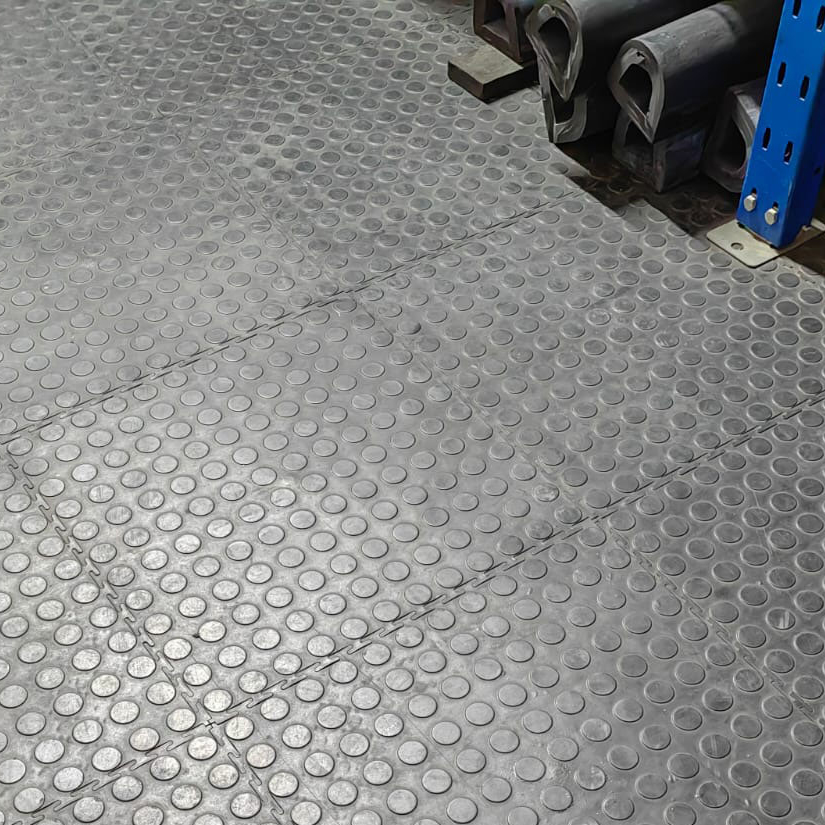
Garage tiles, gym flooring, wood-look interlocking and multi-purpose PVC tiles.
Browse Products →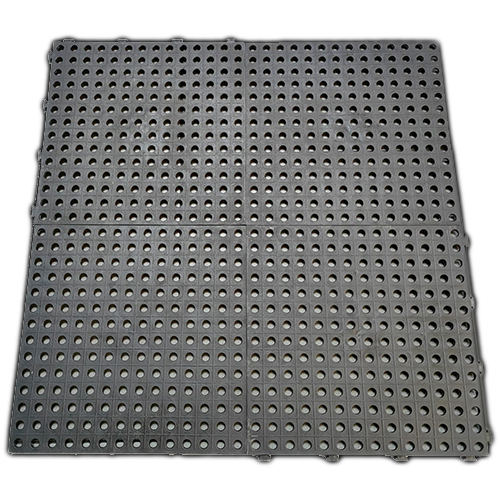
Thickness specs, load ratings, interlock systems and installation guides.
Read Overview →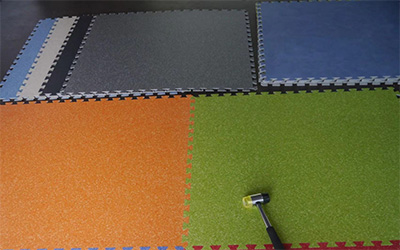
Edge trim pieces, ramp borders and finishing profiles for a clean installation edge.
View Accessories →