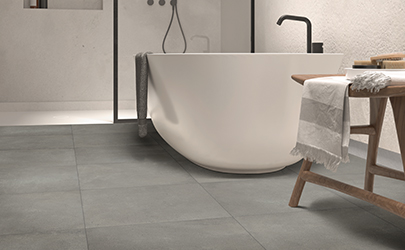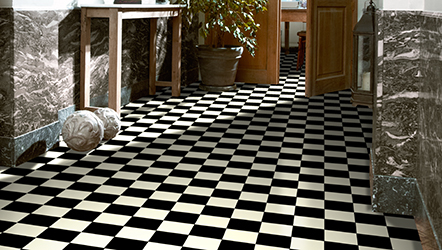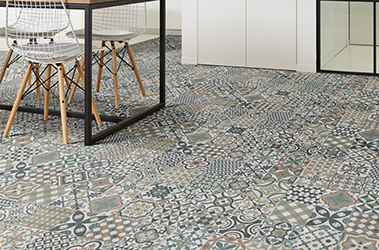



Cushion Vinyl Flooring / Novilon: A Comfortable & Affordable Choice
Cushion vinyl flooring stands out for its soft, comfortable feel thanks to its cushioned backing. It’s a popular choice for homes, especially in kitchens, bathrooms, and bedrooms, because it’s affordable, easy to install, and feels great underfoot. Unlike plank-style LVT or SPC vinyl, cushion vinyl typically comes in sheets on a roll (usually 2m to 4m wide).
Here’s what makes cushion vinyl flooring unique:
- Protective Wear Layer: Shields against scratches, stains, and wear, keeping the floor looking new.
- Printed Design Layer: Offers endless design possibilities, mimicking wood, stone, tile, and more.
- Cushioned Foam Layer: Provides impact absorption, creating a quieter and more comfortable walking surface.
- Backing Layer (Optional): Adds stability and insulation for enhanced comfort and sound absorption.
Benefits of Cushion Vinyl Flooring:
- Comfort: Soft and warm underfoot, reducing strain on joints.
- Quiet: Dampens sound, creating a more peaceful environment.
- Affordable: Cost-effective compared to other flooring options.
- Durable: Withstands daily wear and tear, especially with a robust wear layer.
- Easy Installation: Available in large sheets for straightforward installation.
Overall, cushion vinyl flooring offers a winning combination of comfort, style, and practicality for any home.
Advantages of Cushion Vinyl Flooring
- Comfort: The cushioned backing provides a soft, comfortable surface underfoot, making it more pleasant to walk or stand on for long periods.

- Sound Absorption: The cushioned layer helps reduce noise, making it quieter than harder flooring options like tile or hardwood.
- Water Resistance: Suitable for moisture-prone areas such as kitchens, bathrooms, and laundry rooms, as it resists water damage better than some other flooring types.
- Affordability: Generally more budget-friendly compared to hardwood, stone, or ceramic tile, making it a cost-effective flooring choice.
- Easy Installation: Can be installed using various methods (loose lay, perimeter adhesive, or glue-down), making it a flexible and straightforward flooring option for DIY or professional installation.
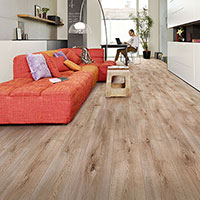
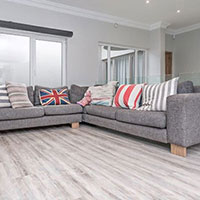
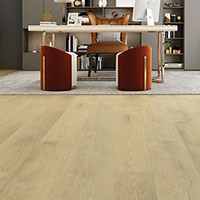
- Design Variety: Available in a wide range of styles, colors, and patterns, including realistic wood and stone looks, allowing for versatile design options.
- Low Maintenance: Easy to clean and maintain, requiring only regular sweeping and occasional damp mopping.
- Warm Underfoot: Feels warmer than tile or stone, making it more comfortable in cooler climates.
Cushion vinyl flooring is a practical choice for residential use due to its combination of comfort, affordability, and versatility.
Properties of Cushion Vinyl Flooring
- Comfort: Soft and comfortable underfoot due to the cushioned backing, ideal for areas where people stand for long periods.
- Thickness: Typically ranges from 2 mm to 4.5 mm, with added cushioning for comfort and noise reduction.
- Water Resistance: Suitable for moisture-prone areas like kitchens and bathrooms, with proper seam sealing.
- Durability: Resilient to household use but may be prone to scratches, dents, and cuts due to its softer surface.
- Thermal Insulation: Feels warmer than tile or stone, providing some insulation in cooler environments.
- Sound Absorption: Reduces noise, making it quieter underfoot.
- Design Variety: Available in a range of styles, including wood, stone, and tile looks.
- Easy Maintenance: Low upkeep, requiring regular sweeping and occasional damp mopping.
Cushion vinyl offers a combination of comfort, design options, and water resistance, making it versatile for residential use.
Quality of Cushion Vinyl
When choosing cushion vinyl flooring, certain quality standards and factors can help you select a durable and suitable product for your needs. Here’s what to look out for:
- Wear Layer Thickness: The wear layer is the top protective coating that guards against scratches and stains. Look for a thicker wear layer (0.2 mm to 0.5 mm or more) for better durability and longevity, especially in high-traffic areas.
- Total Thickness: Cushion vinyl flooring usually ranges from 2 mm to 4.5 mm thick. Thicker options generally offer more comfort, noise reduction, and durability. Choose thicker flooring for better cushioning and to cover slight imperfections in the subfloor.
- Water Resistance: High-quality cushion vinyl should be fully water-resistant, making it suitable for kitchens, bathrooms, and other moisture-prone areas. Ensure seams are sealed during installation to maintain water resistance.
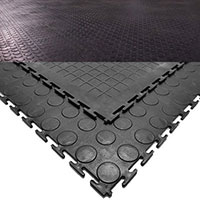
- Slip Resistance: Look for a slip-resistant surface, especially if installing in wet areas. Textured finishes or embossed surfaces can help prevent slips and falls.
- Scratch and Stain Resistance: Products with a high-quality wear layer and protective coatings (e.g., polyurethane) will resist scratches, stains, and general wear better than those without.
- Warranty: A longer warranty (10-20 years or more) typically indicates a higher-quality product. Check what is covered, such as wear, water resistance, and manufacturer defects.
- VOC Emissions and Indoor Air Quality: Look for low-VOC or “FloorScore” certified products to ensure better indoor air quality. This is especially important for households with children or pets.
- UV Resistance: If the flooring will be exposed to sunlight, choose cushion vinyl with UV-resistant properties to prevent fading and discoloration over time.
- Design and Print Quality: Higher-quality cushion vinyl will have more realistic and detailed printed patterns, such as wood grain or stone textures, enhancing the overall appearance.
- Backing Quality: Some cushion vinyl floors come with reinforced or additional backing layers for extra stability, insulation, or sound absorption.
By paying attention to these factors, you can select cushion vinyl flooring that is durable, comfortable, and well-suited for your space.
Maintenance, Care, and Cleaning of Cushion Vinyl
Proper maintenance and care help extend the life of cushion vinyl flooring and keep it looking its best. Here are some tips for keeping your flooring in top condition:
- Regular Cleaning
- Sweep or Vacuum: Clean the floor regularly to remove dust, dirt, and debris. Use a soft-bristle broom or vacuum with a hard floor attachment to avoid scratching the surface.
- Damp Mopping: Mop with a damp mop and a mild, pH-neutral cleaner. Avoid using excessive water, as it can seep into seams if not properly sealed.
- Stain and Spill Management
- Wipe Up Spills Immediately: Quickly clean up any spills to prevent staining and water damage.
- Use Gentle Cleaners: For tougher stains, use a diluted solution of water and mild soap. Avoid harsh chemicals, abrasive cleaners, or solvents, as they can damage the floor’s surface.
- Protect the Surface
- Use Furniture Pads: Place felt pads under furniture legs to prevent indentations and scratches.
- Avoid Dragging Heavy Objects: Lift furniture when moving it to avoid gouging or tearing the vinyl.
- Use Entry Mats: Place mats at entryways to trap dirt and moisture, reducing wear on the floor.
- Periodic Deep Cleaning
- Use a Vinyl Floor Cleaner: Occasionally, clean the floor with a vinyl-specific cleaner for a more thorough clean.
- Avoid Wax or Polish: Most cushion vinyl floors do not require waxing or polishing, as they come with a protective wear layer.
- Sunlight Protection
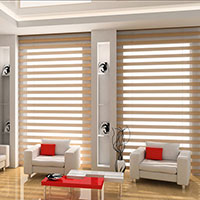
- Use Blinds or Curtains: If the floor is exposed to direct sunlight, use window coverings to reduce UV exposure and prevent fading.
- Prevent Excessive Moisture
- Avoid Saturating the Floor: When mopping, wring out the mop thoroughly.
- Seal Seams: Ensure seams are well-sealed during installation to prevent water seepage.
Research more on Cushion Vinyl